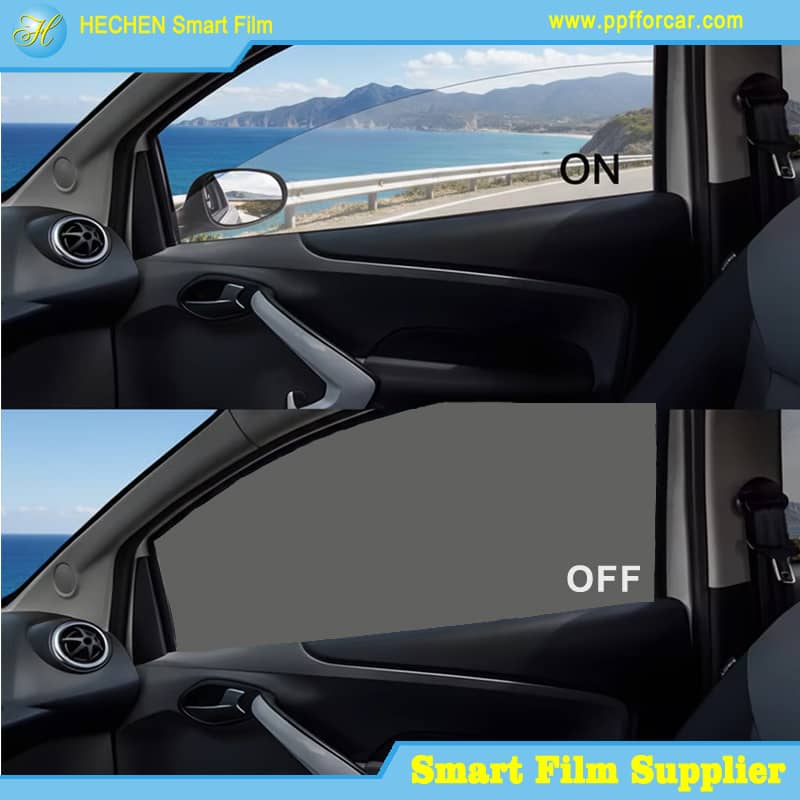
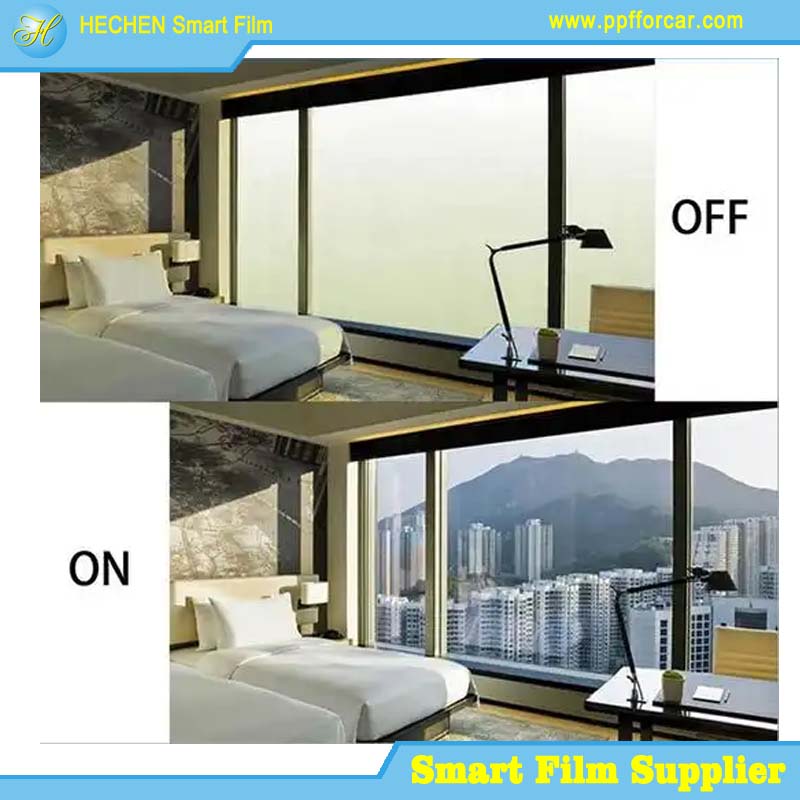
Smart Film for Car: Transforming Automotive Window Solutions
The evolution of smart film traces back to advancements in liquid crystal displays, now adapted for larger-scale applications like automotive glazing. Unlike static tints, smart film offers reversible opacity, making it a versatile solution for modern drivers. In regions like Hong Kong, where dense urban environments amplify privacy needs, such technologies are especially relevant.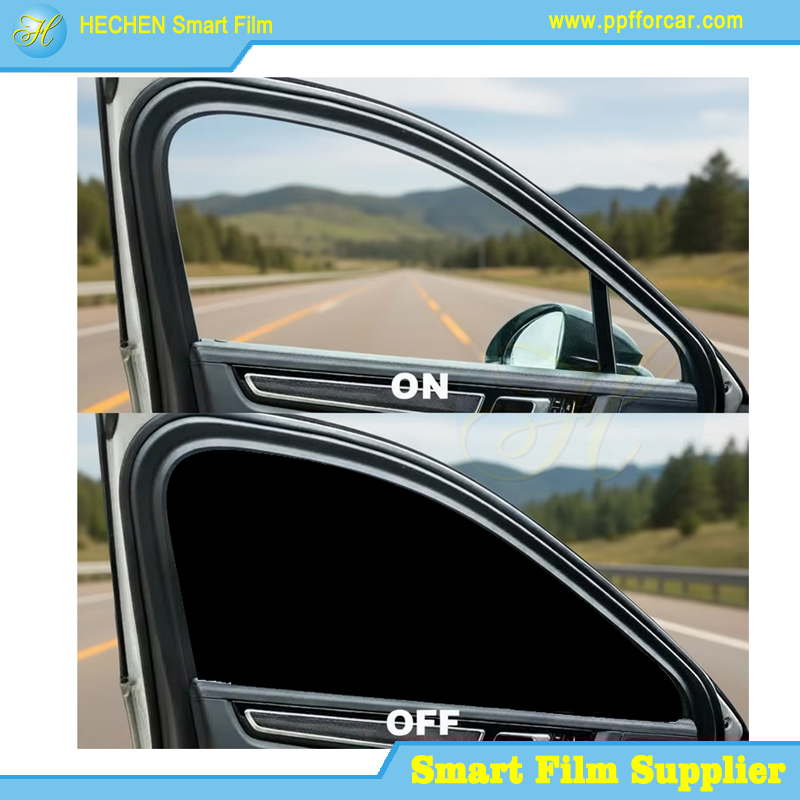
The film's durability is bolstered by protective coatings against temperature extremes
(-40°C to 85°C), vibrations, and humidity, though automotive-grade variants are essential.
Applications of Smart Film in AutomobilesSmart film for car finds extensive use in passenger vehicles, RVs, marine craft, and commercial fleets. Primarily applied to side windows, rear windshields, and sunroofs, it provides instant privacy for high-profile individuals or families in urban settings. In limousines or ambulances, it creates on-demand partitions for confidentiality.In EVs, smart film optimizes energy by blocking solar heat, reducing AC usage and extending range. Sunroofs benefit from eliminating mechanical shades, offering panoramic views with glare control.Aftermarket kits, like those from Smart Tint for 2-6 door packages, allow retrofitting on existing glass. Integration with vehicle systems enables automation, such as opaquing via sensors for parking or geofencing in sensitive areas.Beyond privacy, it enhances security by deterring theft through obscured interiors and provides UV protection to preserve upholstery. In marine applications, it adapts to changing light on yachts.Advantages of Smart Film Systems in VehiclesSmart film for car offers superior advantages over traditional tints. Legal compliance is key: it remains transparent during driving but opaques when parked, avoiding fines in regions with strict VLT laws.Energy savings are substantial; by rejecting 90% IR and 99% UV, it lowers cabin temperatures, reducing HVAC load by 10-20%. This extends EV range and preserves interiors from fading.Safety features include reduced glare without impairing outward visibility, and shatter resistance from lamination. Acoustic insulation dampens noise, improving comfort.Aesthetically, it provides a modern, sleek look with customizable opacity. Economically, despite higher initial costs, long-term benefits in maintenance and fuel savings justify investment.Convenience via remotes or apps aligns with connected cars.Challenges in Implementing Smart FilmImplementation faces hurdles. Cost, at $50-150/ft² plus installation, limits it to premium markets.Durability issues include degradation from UV, heat, or vibrations, with lifespans of 5-10 years. Power draw requires constant supply for certain states, risking battery drain.Installation demands precision to avoid bubbles on curves. Regulatory variances and cybersecurity in connected systems add complexity.Environmental concerns involve rare materials, though recyclables are emerging.Future Trends and InnovationsFuture smart film for car will integrate with AI for predictive tinting based on weather or occupant data. Bistable variants hold states without power, solving energy issues.Hybrids with photochromic elements offer passive-active control. Market growth to billions by 2030 is expected, with sustainable materials like graphene conductors.In autonomous vehicles, it enhances passenger experiences via IoT links.ConclusionSmart film for car revolutionizes automotive windows, blending advanced materials with practical benefits for privacy, efficiency, and safety. As technology matures, overcoming challenges will broaden adoption, shaping the future of mobility.
For more about what is electric car window tint? Everything you need to know, you can pay a visit to Hechen PDLC Smart Film Manufacturers for more info.