15 Frequently Asked Questions About Removable Tint for Car Windows
As drivers seek more flexible alternatives to traditional automotive window films, removable window tint has become one of the fastest-growing segments in the automotive accessories market. Unlike conventional adhesive tint, modern removable static cling tint uses electrostatic adsorption technology, allowing users to install, remove, and reuse the film without leaving residue or damaging vehicle glass.
Whether you're considering a temporary privacy solution, a rental car upgrade, or a reusable sun-protection product, you likely have questions about performance, legality, installation, and durability.
This guide answers the 15 most frequently asked questions about reusable car window tint and electrostatic tint technology.
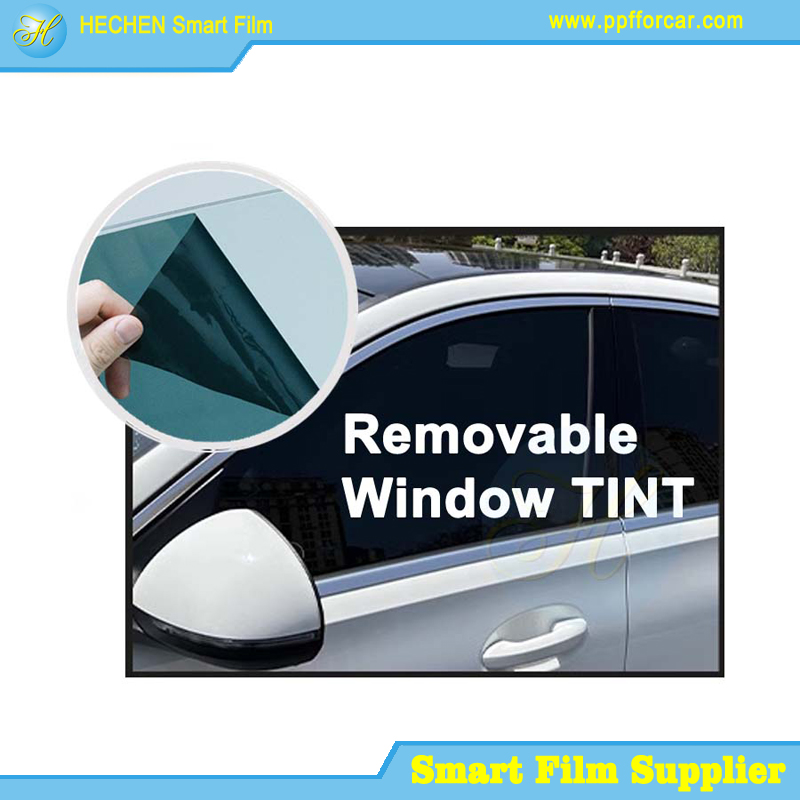
1. Is Removable Car Tint Legal?
The legality of removable window tint depends on local regulations governing Visible Light Transmission (VLT).
Most countries and states regulate:
Front side windows
Rear side windows
Rear windshield
Windshield tint strips
Because removable tint can be installed and removed easily, it offers greater flexibility for drivers who need temporary compliance.
Always check local tint laws before selecting a tint darkness level.
2. Can Removable Tint Be Reused?
Yes.
One of the primary advantages of reusable car window tint is its ability to be installed and removed multiple times.
High-quality electrostatic films can typically withstand numerous installation cycles when properly maintained.
To maximize reusability:
Store the film flat
Keep it clean
Avoid folding
Protect the electrostatic layer
Premium products may remain functional for years under normal use.
3. Does Static Cling Tint Leave Residue?
No.
Unlike traditional adhesive tint films, removable static cling tint contains no glue.
The film attaches through electrostatic adsorption rather than chemical bonding.
As a result:
No adhesive residue remains
No chemical cleaners are required
Glass surfaces stay clean after removal
This makes removable tint particularly attractive for rental and leased vehicles.
4. Can Electrostatic Tint Block UV Rays?
Yes.
High-quality removable window tint products are designed to block harmful ultraviolet radiation.
Premium films often provide:
Up to 99% UV-A rejection
Up to 99% UV-B rejection
UV protection helps:
Prevent dashboard fading
Reduce interior aging
Protect passengers from prolonged sun exposure
When selecting a film, always verify the manufacturer's UV rejection specifications.
5. How Long Does Removable Tint Last?
The lifespan of reusable car window tint depends on:
Film quality
Storage conditions
Installation frequency
Maintenance practices
Premium electrostatic films can often last several years when properly cared for.
Factors that improve lifespan include:
Clean storage
Moderate temperatures
Proper handling
Protection from sharp objects
Unlike adhesive films, removable tint can often be replaced or repositioned without professional assistance.
6. Can I Install Removable Tint Myself?
Absolutely.
One reason removable static cling tint is growing in popularity is its DIY-friendly installation process.
Unlike adhesive tint, electrostatic film:
Requires no glue
Allows repositioning
Installs quickly
Removes easily
Most users can complete installation using:
Water spray bottle
Microfiber cloth
Rubber squeegee
No specialized training is typically required.
7. Will Removable Tint Damage My Window?
No.
When properly manufactured and installed, removable window tint is safe for automotive glass.
Because no permanent adhesive is used, the film does not damage:
OEM glass surfaces
Rear defroster lines
Factory coatings
This is a major advantage over some traditional tint removal processes that may risk damaging window components.
8. Can Removable Tint Be Used in Winter?
Yes.
Modern reusable car window tint can function throughout the year, including winter months.
However, installation is generally easier when temperatures are above:
15°C (59°F)
60°F
Extremely cold conditions may slightly reduce electrostatic performance during installation.
Once properly installed, high-quality films typically remain secure under normal winter driving conditions.
9. What Is the Best VLT for Privacy?
The ideal VLT depends on your privacy requirements and local regulations.
Common Privacy Levels
| VLT | Privacy Level |
|---|---|
| 70% | Minimal |
| 50% | Light |
| 35% | Moderate |
| 20% | High |
| 5% | Maximum |
For most drivers seeking a balance between privacy and visibility, 20%–35% VLT is often preferred.
Always confirm local legal requirements before installation.
10. Can Removable Tint Reduce Interior Heat?
Yes.
Many premium removable static cling tint products include infrared-rejection layers that help reduce solar heat buildup.
Benefits include:
Cooler cabin temperatures
Reduced air conditioning usage
Improved passenger comfort
Protection for interior materials
Nano-ceramic removable films generally offer the highest heat rejection performance.
11. Is Removable Tint Better Than Traditional Adhesive Tint?
It depends on the intended application.
Removable Tint Advantages
Reusable
Glue-free
Easy installation
Instant removal
No residue
Traditional Tint Advantages
Permanent installation
Longer service life
Higher-end ceramic performance
For temporary or flexible use, reusable car window tint is often the better solution.
12. Can I Move the Tint Between Different Vehicles?
Yes.
One major advantage of removable window tint is portability.
Provided the film dimensions fit the target vehicle, users can:
Remove the film
Store it safely
Reinstall it on another vehicle
This is particularly useful for rental cars and fleet operators.
13. Does Electrostatic Tint Work on All Vehicle Windows?
Electrostatic tint works best on:
Smooth automotive glass
Side windows
Rear windows
Sunroof glass
Performance may vary depending on:
Glass curvature
Surface condition
Installation quality
Always follow manufacturer recommendations for optimal results.
14. How Should I Store Removable Tint?
Proper storage is essential for maintaining electrostatic performance.
Recommended storage practices include:
Store flat whenever possible
Use original backing liners
Avoid direct sunlight
Prevent dust contamination
Avoid sharp folds
Properly stored reusable car window tint can remain effective through multiple installation cycles.
15. Is Removable Tint Suitable for Wholesale and OEM Markets?
Yes.
The market for removable static cling tint continues to expand globally.
Growing demand comes from:
Automotive accessory distributors
Car rental companies
Fleet operators
E-commerce sellers
Private label brands
Many manufacturers now offer:
OEM production
Custom VLT options
Private labeling
Customized packaging
Wholesale pricing programs
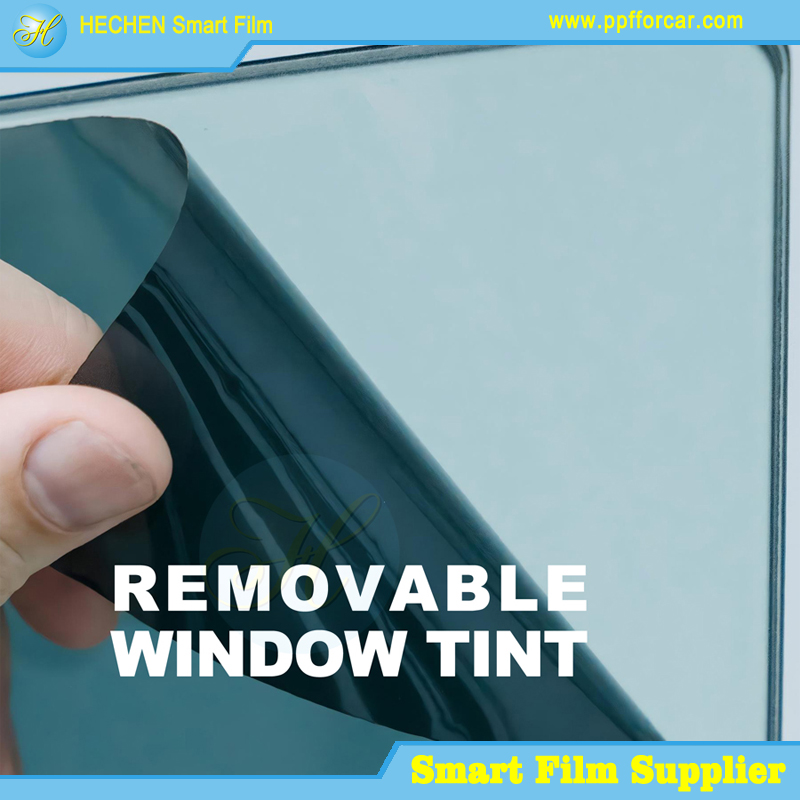
As consumers increasingly prefer DIY-friendly and reusable products, electrostatic tint represents a rapidly growing business opportunity.Conclusion
Modern removable window tint offers a practical and innovative alternative to traditional adhesive films. Through advanced electrostatic adsorption technology, reusable car window tint provides flexible installation, instant removal, UV protection, privacy enhancement, and long-term value.
Whether you're a vehicle owner looking for a temporary tint solution or a distributor seeking a growing product category, removable static cling tint continues to gain popularity thanks to its convenience, sustainability, and user-friendly design.
Recommended linking:
The Complete Guide to Removable Tint for Car Windows
Recommend related products:
removable car window tints 5.2mil