Antibacterial Protective Film: A Shield for Health and Safety
In an era where hygiene and safety are paramount, antibacterial protective films have emerged as a cutting-edge solution to combat microbial contamination on high-touch surfaces. These innovative films, embedded with antimicrobial agents, are designed to inhibit the growth of bacteria, viruses, and fungi, offering a proactive approach to maintaining clean environments. From vehicle interiors to hospital equipment and public touchscreens, antibacterial protective films are transforming industries by enhancing safety and reducing the spread of pathogens. This article explores the science behind antibacterial protective films, their applications, benefits, challenges, and the future of this technology in promoting healthier spaces.

What is Antibacterial Protective Film?
Antibacterial protective film is a thin, flexible layer applied to surfaces to provide both physical protection and antimicrobial properties. These films are typically made from materials like polyurethane, polyvinyl chloride (PVC), or polyethylene terephthalate (PET), infused with active agents such as silver ions, copper nanoparticles, or quaternary ammonium compounds. These agents disrupt microbial cell walls, inhibit reproduction, or interfere with metabolic processes, effectively reducing the presence of harmful pathogens.
The films can be transparent, translucent, or colored, and are designed for easy application on surfaces like glass, metal, plastic, or fabric. They are available in adhesive-backed or static-cling formats, with some being removable and reusable. Antibacterial films are distinct from traditional protective films due to their ability to actively combat microbial growth, making them ideal for environments where hygiene is critical.
How Antibacterial Protective Film Works
The efficacy of antibacterial protective films relies on the antimicrobial agents embedded within or coated onto the film. Common mechanisms include:
1. Silver Ions: Silver-based films release ions that penetrate bacterial cell walls, disrupting DNA replication and protein synthesis. This broad-spectrum antimicrobial action is effective against bacteria, viruses, and fungi.
2. Copper Nanoparticles: Copper disrupts microbial cell membranes and generates reactive oxygen species that damage cellular components. Copper-infused films are particularly effective against viruses like SARS-CoV-2.
3. Quaternary Ammonium Compounds (Quats): These compounds destabilize bacterial cell membranes, causing cell lysis. They are commonly used in films for touchscreens and medical devices.
4. Photocatalytic Coatings: Some advanced films use titanium dioxide (TiO2) or other photocatalytic materials that, when exposed to UV light, produce reactive oxygen species to kill microbes.
The films are applied to surfaces via adhesive backing or static cling, forming a protective barrier that resists scratches, stains, and microbial growth. Many films are designed to maintain their antibacterial properties for months or even years, depending on the formulation and usage conditions.
Applications of Antibacterial Protective Film
Antibacterial protective films are versatile, with applications spanning multiple industries. Below are the primary use cases:
1. Automotive Interiors
In vehicles, antibacterial films are applied to high-touch surfaces like steering wheels, door handles, touchscreens, and armrests. These films reduce the risk of pathogen transmission in shared or public vehicles, such as taxis, buses, or ride-sharing cars, enhancing passenger safety.
2. Healthcare Settings
Hospitals and clinics use antibacterial films on medical equipment, bed rails, door handles, and waiting room surfaces to minimize healthcare-associated infections (HAIs). These films are particularly valuable in high-risk areas like operating rooms and intensive care units.
3. Public Spaces
In public environments like airports, train stations, and shopping malls, antibacterial films are applied to escalator handrails, elevator buttons, touchscreens, and restroom fixtures. They help reduce the spread of germs in high-traffic areas.
4. Consumer Electronics
Smartphones, tablets, and public kiosks benefit from antibacterial films on screens and buttons. These films protect devices from scratches while ensuring hygienic interaction, especially in shared or public settings.
5. Food and Beverage Industry
Restaurants and food processing facilities use antibacterial films on countertops, prep tables, and equipment to maintain sanitary conditions and comply with health regulations.
6. Residential Use
In homes, antibacterial films are applied to kitchen surfaces, bathroom fixtures, and door handles to enhance hygiene, particularly in households with children or immunocompromised individuals.
Benefits of Antibacterial Protective Film
Antibacterial protective films offer a range of advantages, making them a valuable addition to various environments.
1. Enhanced Hygiene
By actively inhibiting microbial growth, these films reduce the risk of infections, particularly in high-touch areas. Studies have shown that surfaces treated with antibacterial films can reduce bacterial counts by up to 99.9%.
2. Surface Protection
Beyond antimicrobial properties, these films protect surfaces from scratches, stains, and wear, extending the lifespan of equipment, furniture, and devices.
3. Ease of Maintenance
Antibacterial films are often designed to be water-resistant and easy to clean, reducing the need for harsh chemical disinfectants. This simplifies maintenance while maintaining hygiene.
4. Versatility
Available in various forms (adhesive, static-cling, or removable), these films can be applied to diverse surfaces, from curved vehicle interiors to flat touchscreens, making them suitable for multiple industries.
5. Cost-Effectiveness
By reducing the frequency of cleaning and the risk of infections, antibacterial films can lower maintenance costs and healthcare expenses, particularly in hospitals and public spaces.
6. Aesthetic Appeal
Many films are transparent or customizable, preserving the appearance of surfaces while adding functionality. This is particularly appealing in consumer-facing applications like vehicles and electronics.
Challenges and Limitations
Despite their advantages, antibacterial protective films face several challenges that must be addressed for widespread adoption.
1. Cost
High-quality antibacterial films, especially those with advanced agents like silver or copper, can be expensive. This may limit their use in budget-conscious applications or developing markets.
2. Durability of Antibacterial Properties
The antimicrobial efficacy of some films diminishes over time due to wear, cleaning, or environmental exposure. Ensuring long-term performance is a key challenge for manufacturers.
3. Regulatory Compliance
Antibacterial films must comply with health and safety regulations, such as those set by the FDA or EPA, which vary by region. Ensuring compliance across markets can be complex and costly.
4. Environmental Concerns
Some antimicrobial agents, like silver nanoparticles, raise concerns about environmental impact if improperly disposed of. Developing eco-friendly films is critical to addressing sustainability demands.
5. Resistance Development
Overuse of certain antimicrobial agents could contribute to microbial resistance, reducing their effectiveness over time. Manufacturers must balance efficacy with responsible use of active ingredients.
6. Application Challenges
Applying films to complex or curved surfaces, such as vehicle interiors, requires precision to avoid bubbles or peeling. Improper installation can compromise both aesthetics and functionality.
Current Market Trends
The market for antibacterial protective films is growing rapidly, driven by heightened awareness of hygiene following global health crises like the COVID-19 pandemic.
Key trends include:
1. Increased Demand in Healthcare
Hospitals and clinics are adopting antibacterial films to combat HAIs, with companies like 3M and Avery Dennison offering specialized products for medical environments.
2. Automotive Industry Adoption
Automakers are integrating antibacterial films into vehicle interiors, particularly in electric and shared-mobility vehicles, to enhance passenger safety and comfort. Tesla and other brands are exploring these solutions for touchscreens and high-touch surfaces.
3. Consumer Electronics Boom
The rise of touchscreen devices has fueled demand for antibacterial films for smartphones, tablets, and public kiosks. Brands like Zagg and Belkin are introducing films with built-in antimicrobial properties.
4. Sustainability Focus
Manufacturers are developing eco-friendly films using biodegradable materials or non-toxic antimicrobial agents to align with environmental regulations and consumer preferences.
5. Smart Film Integration
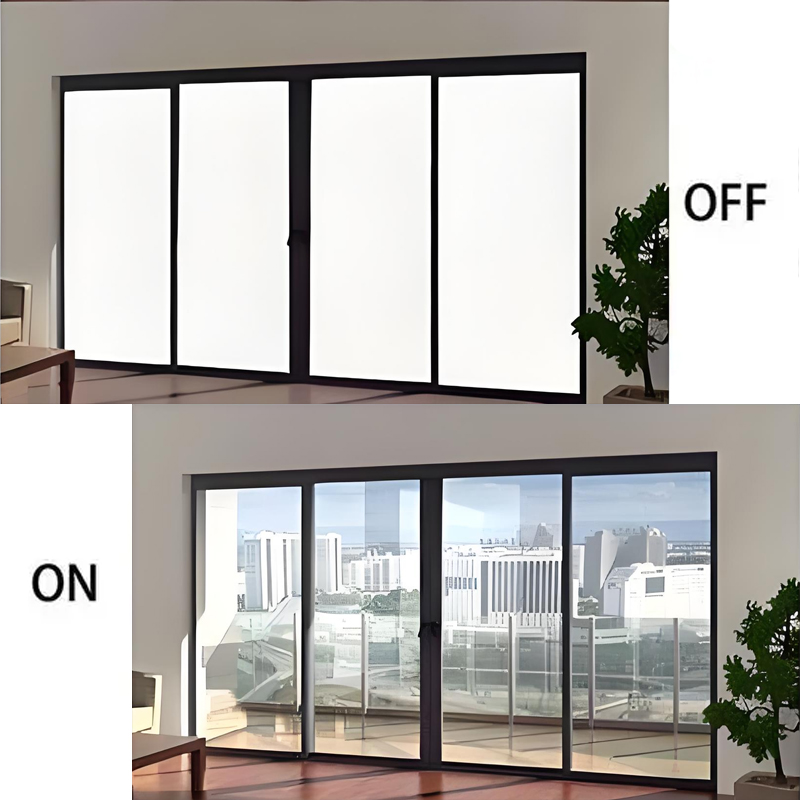
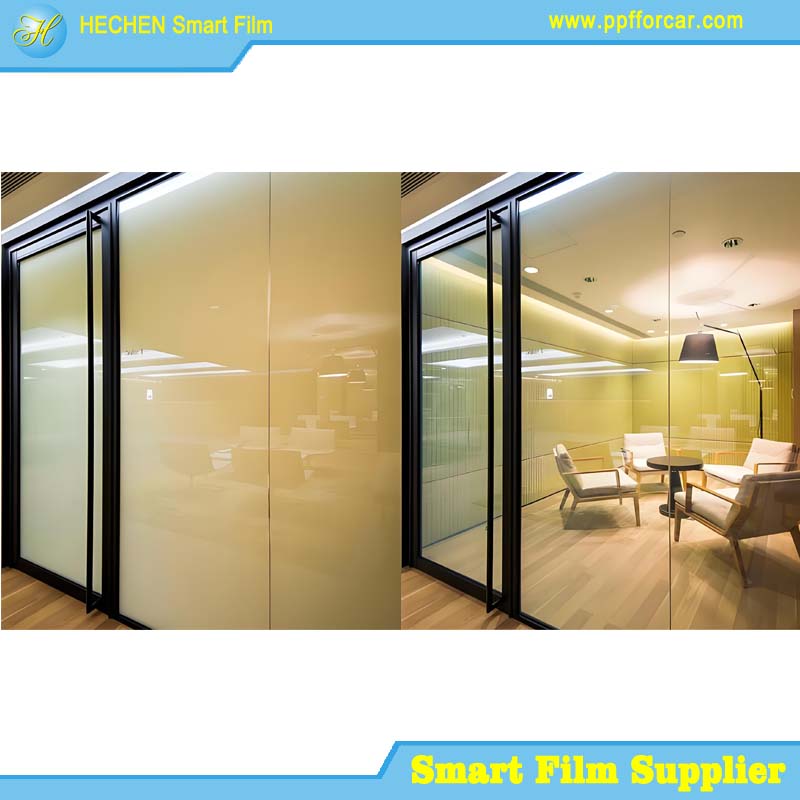
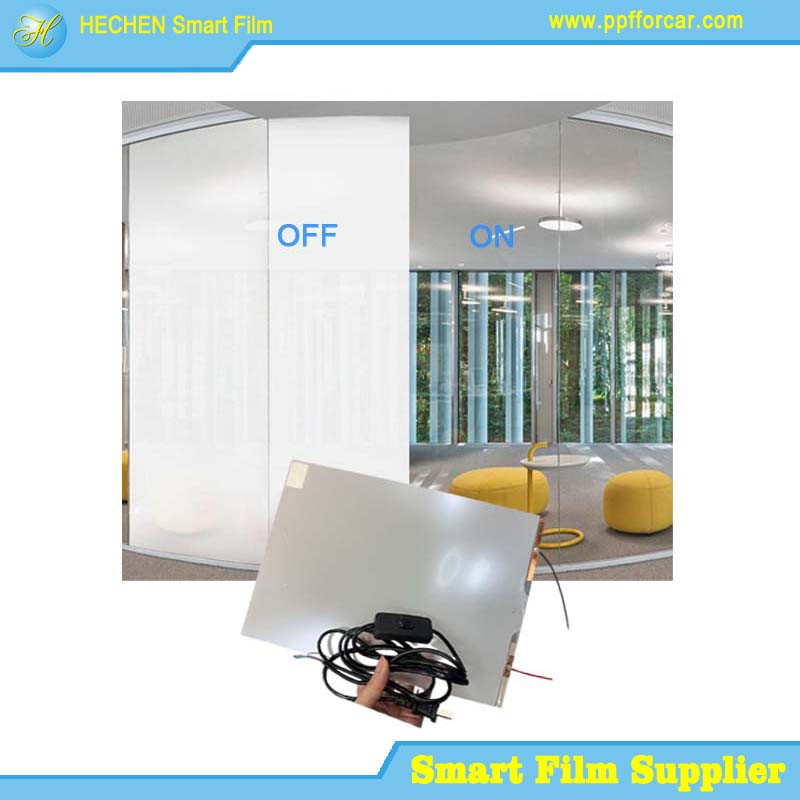
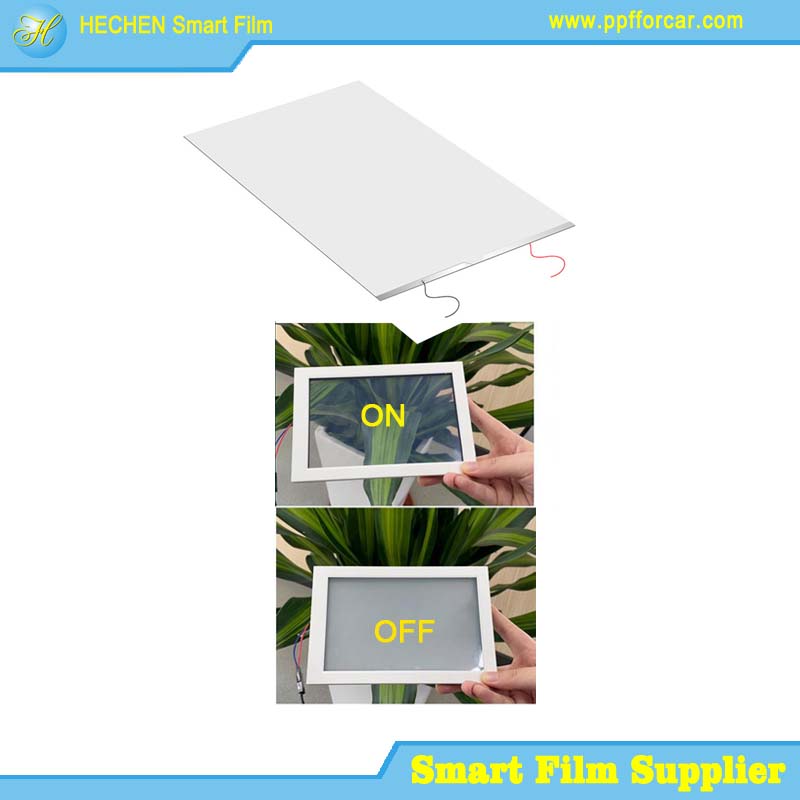
Some antibacterial films are being combined with smart technologies, such as PDLC or electrochromic films, to offer dual functionality (e.g., privacy control and antimicrobial protection) in vehicles and buildings.
Future Prospects
The future of antibacterial protective films is promising, with innovations poised to overcome current limitations and expand their applications.
1. Advanced Antimicrobial Agents
Research is underway to develop next-generation antimicrobial agents with longer-lasting efficacy and reduced environmental impact. For example, graphene-based films are being explored for their natural antibacterial properties.
2. Self-Cleaning Films
Emerging films with self-cleaning properties, using photocatalytic or hydrophobic coatings, could reduce maintenance needs and enhance hygiene in high-touch environments.
3. Cost Reduction
Advances in manufacturing, such as roll-to-roll processing, are expected to lower production costs, making antibacterial films more accessible for mass-market applications.
4. Integration with IoT
Future films could integrate with Internet of Things (IoT) systems to monitor microbial activity or alert users when replacement is needed, enhancing functionality in smart homes and vehicles.
5. Broader Applications
As technology improves, antibacterial films could be applied to textiles, wearable devices, or even food packaging, expanding their role in promoting hygiene across industries.
Case Studies
1. Automotive: Hyundai’s Antimicrobial Interiors
Hyundai has explored antibacterial films for vehicle interiors, applying them to touchscreens and door handles in models like the Ioniq 5. These films enhance passenger safety in shared-mobility contexts.
2. Healthcare: 3M Medical Films
3M’s antibacterial films are used in hospitals to protect medical equipment and high-touch surfaces. Independent studies have shown significant reductions in bacterial contamination on treated surfaces.
3. Public Spaces: Airport Kiosks
Major airports, such as Singapore’s Changi Airport, have adopted antibacterial films on check-in kiosks and touchscreens, reducing pathogen transmission in high-traffic areas.
4. Consumer Electronics: Zagg InvisibleShield
Zagg’s InvisibleShield with antimicrobial properties is popular for smartphones, offering both screen protection and bacterial reduction, with positive consumer feedback on platforms like Amazon.
Conclusion
Antibacterial protective films represent a significant advancement in hygiene and surface protection, offering a proactive solution to microbial contamination in diverse settings. Their ability to combine antimicrobial efficacy with physical durability makes them ideal for automotive interiors, healthcare facilities, public spaces, and consumer electronics. While challenges like cost, durability, and environmental concerns remain, ongoing innovations in materials, manufacturing, and smart integration are paving the way for broader adoption. As global demand for cleaner, safer environments continues to grow, antibacterial protective films are poised to play a critical role in shaping the future of health and safety across industries, delivering both practical benefits and peace of mind.
For more about the antibacterial protective film: a shield for health and safety, you can pay a visit to Hechen PDLC Smart Film Manufacturers for more info.