Best PDLC Smart Film for Windows: Auto-Switch, Energy-Saving, Easy Install
In the rapidly evolving world of home and office design, PDLC (Polymer Dispersed Liquid Crystal) smart film has emerged as a revolutionary technology for windows. This innovative material allows users to switch glass from transparent to opaque at the flick of a switch or via a smart app, providing instant privacy without the need for curtains or blinds. As of 2025, with increasing emphasis on energy efficiency, smart homes, and modern aesthetics, PDLC smart film is gaining traction in residential, commercial, and automotive applications. It's particularly popular for windows in homes, offices, conference rooms, and even bathrooms, where controlling light and visibility is essential.
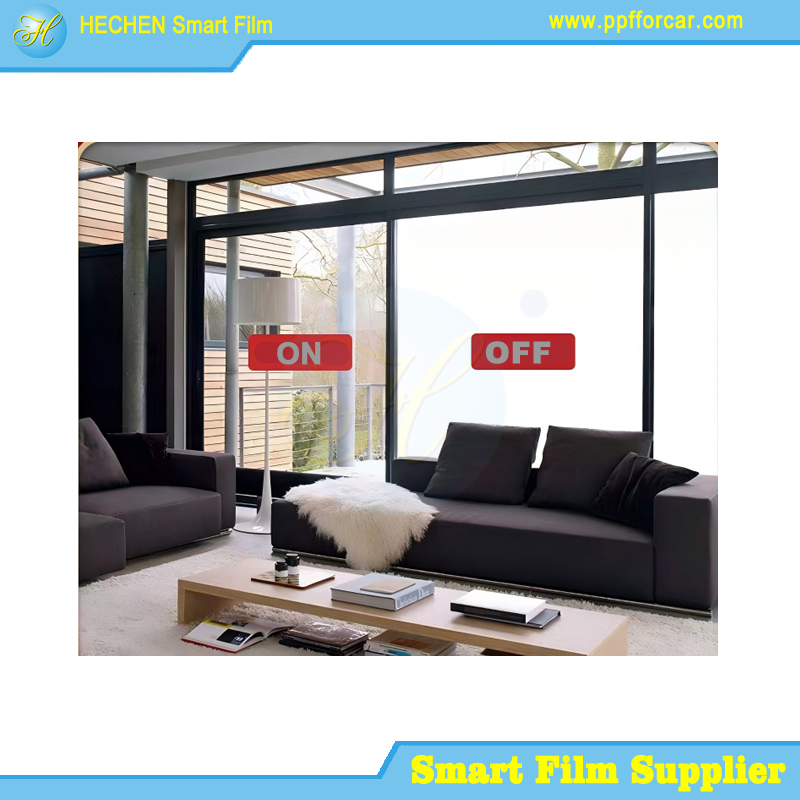
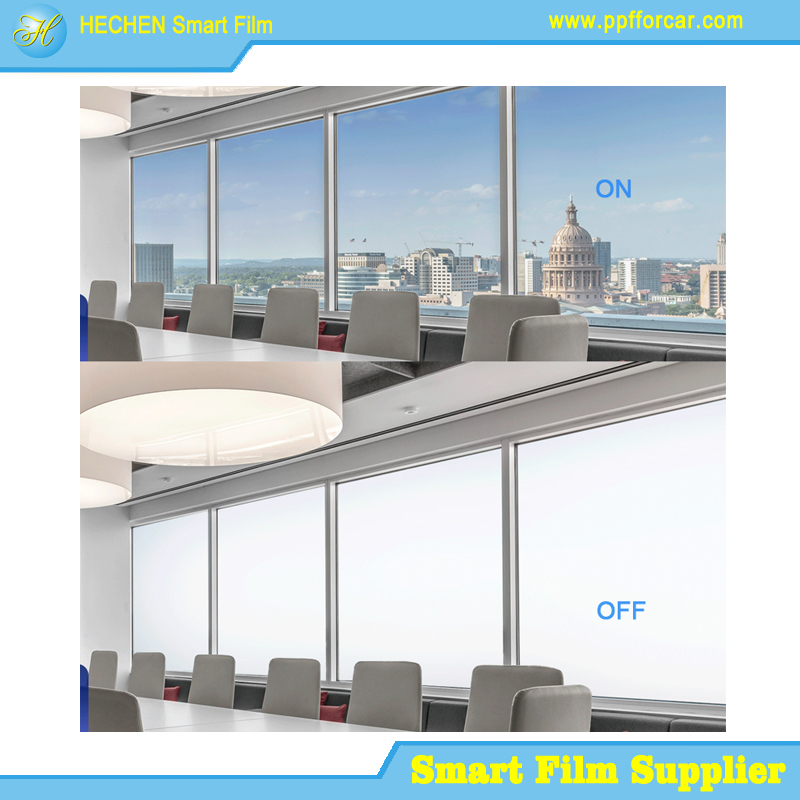
PDLC smart film works by embedding liquid crystals within a polymer matrix between two conductive layers. When no electricity is applied, the crystals scatter light, making the film opaque. Applying a low voltage aligns the crystals, allowing light to pass through for transparency. This switchable property not only enhances privacy but also blocks harmful UV rays, reduces glare, and can contribute to energy savings by regulating indoor temperatures.
The market for PDLC smart film has expanded significantly, with brands offering various grades from basic privacy films to ultra-clear options suitable for high-end installations. Factors like clarity, durability, ease of installation, and integration with smart home systems play a crucial role in choosing the best product. In this article, we'll explore how PDLC smart film functions, its pros and cons, top brands and products available in 2025, a comparison of leading options, installation guidelines, and cost considerations. Whether you're retrofitting existing windows or planning new constructions, understanding these aspects will help you select the ideal PDLC smart film for your needs.
The appeal of PDLC smart film lies in its versatility. For homeowners, it means turning a living room window into a private sanctuary during evenings. In offices, it facilitates open-plan designs while allowing for confidential meetings. Recent advancements have improved film quality, reducing haze and increasing lifespan to over a decade with proper care. As smart technologies integrate more seamlessly with IoT devices, PDLC films are becoming a staple in sustainable building practices.
How PDLC Smart Film Works
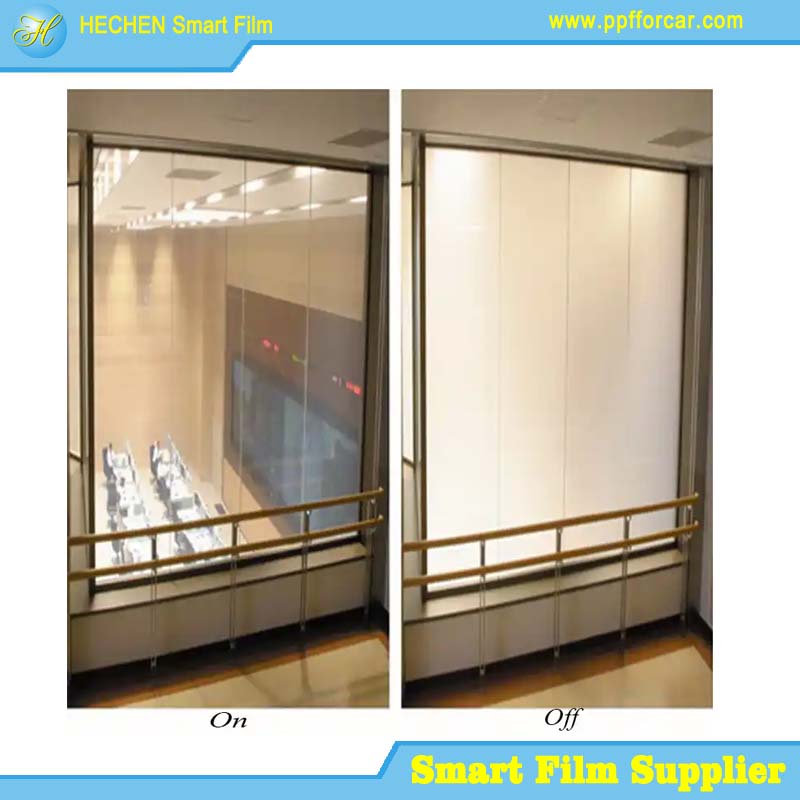
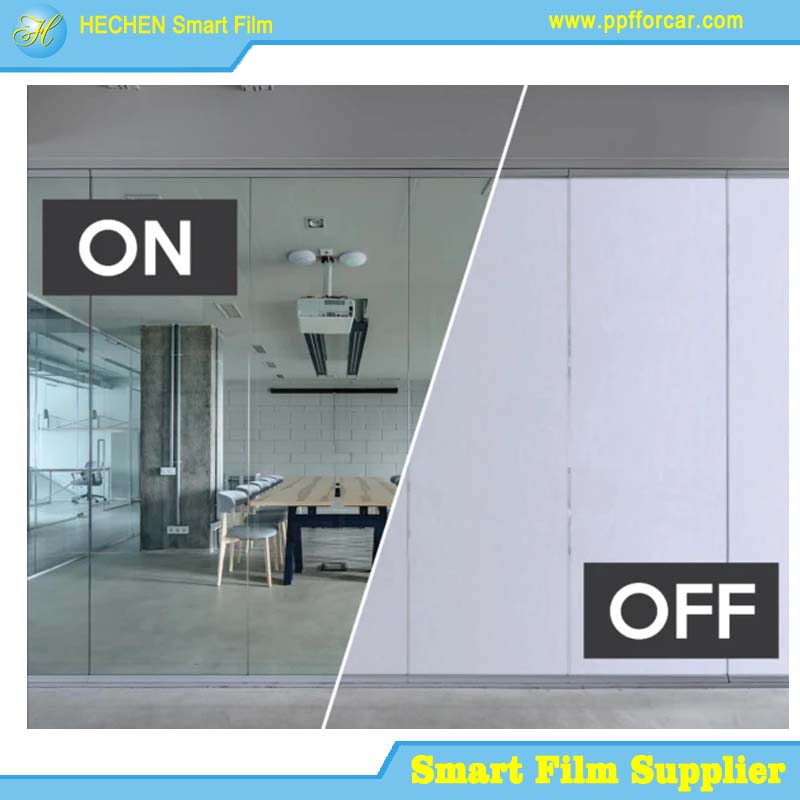
PDLC smart film operates on a fascinating principle rooted in liquid crystal technology. At its core, the film consists of a thin layer of polymer dispersed liquid crystals sandwiched between two sheets of conductive material, often ITO (Indium Tin Oxide) coated PET film. This assembly is typically 0.3 to 0.5 mm thick, making it lightweight and flexible for application on various surfaces.In its default "off" state—when no electrical current is applied—the liquid crystals are randomly oriented. This randomness causes incoming light to scatter in multiple directions, rendering the film translucent or frosted, effectively blocking direct visibility while still allowing diffused light to enter the room. This opaque mode is ideal for privacy, as it prevents outsiders from seeing inside without completely darkening the space.
When a low-voltage alternating current (usually 24-110V AC, consuming about 5-7 watts per square meter) is applied through the conductive layers, an electric field aligns the liquid crystals parallel to each other. This alignment permits light to pass straight through the film, achieving up to 96% transparency in high-quality products. The switch happens almost instantaneously, in less than a second, and can be controlled via wall switches, remote controls, voice assistants like Alexa or Google Home, or smartphone apps.
There are variations in PDLC technology, such as reverse-mode PNLC (Polymer Network Liquid Crystal), which is opaque when powered on and transparent when off, but standard PDLC remains the most common for window applications. The film's performance depends on factors like crystal density, polymer quality, and adhesive strength. High-end films minimize haze (a slight cloudiness in the transparent state) to below 4%, ensuring a crystal-clear view. Integration with smart systems is straightforward; many films come pre-wired with busbars (electrical connectors) that link to transformers and controllers. For larger installations, zoning allows independent control of different window sections. Environmentally, PDLC films are non-toxic and recyclable, aligning with green building standards. However, they require a stable power source, and power failures revert them to opaque mode, which could be a consideration in areas with frequent outages.
Overall, the technology's simplicity belies its sophistication, making PDLC smart film a practical upgrade for any window setup.
Advantages and Disadvantages
PDLC smart film offers a host of benefits that make it an attractive choice for modern windows, but like any technology, it comes with drawbacks that potential buyers should weigh. Starting with the advantages, instant privacy control is paramount. Users can switch from clear to frosted in milliseconds, eliminating the need for traditional window treatments that collect dust or obstruct views. This is especially useful in urban settings where windows face busy streets or neighboring buildings. Additionally, PDLC films block over 99% of UV rays in both states, protecting interiors from fading and reducing skin exposure to harmful radiation. Energy efficiency is another key pro; by diffusing light, the film reduces solar heat gain, lowering air conditioning costs by up to 20% in hot climates. It also provides thermal insulation, helping maintain stable indoor temperatures and potentially cutting heating bills in winter.
Soundproofing is an underrated benefit—high-quality films can dampen external noise by 20-30 dB, creating quieter environments. Maintenance is minimal; unlike blinds, there's no cleaning of slats, and the film is resistant to scratches if properly installed. Aesthetically, it adds a sleek, high-tech look to spaces, enhancing property value. For commercial use, it enables dynamic partitioning in offices, fostering collaboration while ensuring confidentiality. Moreover, many films are compatible with projection, turning windows into screens for presentations or entertainment. On the flip side, disadvantages include cost—premium PDLC films can be expensive, ranging from $25 to $69 per square foot, plus installation. The need for electricity means ongoing power consumption, albeit low, and reliance on wiring that could complicate retrofits. In the transparent state, some lower-quality films exhibit haze, reducing clarity compared to plain glass. Durability is another concern; exposure to moisture or improper installation can lead to delamination or failure over time, though reputable brands offer 5-10 year warranties.
Installation requires skill—DIY attempts on large windows may result in bubbles or misalignment, necessitating professional help. The film isn't completely blackout; it allows light through even when opaque, which might not suit bedrooms needing total darkness. Color options are limited, mostly to white or gray tints, and custom shapes add to the expense. Finally, in power-off mode, the default opacity could be inconvenient during outages.
Balancing these pros and cons, PDLC smart film shines for those prioritizing convenience and modernity, but budget-conscious users might explore alternatives like electrochromic tints.
Top Brands and Products
The PDLC smart film market in 2025 features several top-tier brands known for quality, innovation, and reliability. Here's a rundown of the best options based on reviews, features, and user feedback.Smart Film by Smart Tint stands out as a leader, offering self-adhesive switchable films with Smart Cling technology for easy application. Their products achieve 96% transparency and come pre-wired for quick setup. Popular for home and office windows, they provide custom sizes and block 99% UV rays. Users praise the durability and low haze, with a 10-year warranty. Prices start at around $25 per square foot, making it accessible for DIY enthusiasts.
Gauzy's LCG® adhesive smart films are renowned for commercial applications. They offer dynamic light control with instant switching and integration with building automation systems. Gauzy films are available in rolls for large-scale installations and feature high optical clarity with less than 2% haze. Their products emphasize energy savings and sound insulation, ideal for office windows. Competitive pricing and global distribution make them a top choice.
Filmbase, a China-based manufacturer, provides UL-certified PDLC films for architecture and home use. Their switchable films support IoT control and come in various tints, including ultra-clear options. Filmbase excels in custom shapes and large formats, with strong UV protection and thermal benefits. Reviews highlight ease of installation and longevity, positioning them as a cost-effective premium brand.
Smart Films International (SFI) specializes in advanced PDLC solutions for privacy control. Their films offer superior transparency and are designed for retrofit on existing windows. SFI products include options for projection and are praised for low maintenance and high durability. They're popular in hospitality and residential sectors, with users noting excellent customer support.
PriWatt® focuses on switchable glass and films with innovative controls like voice activation. Their Ghost Glass PDLC film provides 99.99% UV blocking and energy efficiency, suitable for doors and windows. It's noted for its peel-and-stick adhesive and compatibility with smart homes. Reviews emphasize reliability and aesthetic appeal.
Other notable brands include Inno
Pane on Amazon, offering affordable films for small projects with modern designs, and Pro Display's self-adhesive films for UK/EU markets, known for high privacy levels. For budget options, AliExpress sellers provide generic PDLC films at $20-30 per square foot, but quality varies. When selecting, consider warranty, clarity ratings, and compatibility with your window size and smart ecosystem.
Comparison of Top Products
To help you decide, here's a comparison of key PDLC smart films using a table format:
Brand/Product | Transparency (On) | Haze Level | UV Block | Power Consumption | Price per Sq. Ft. | Warranty | Best For |
Smart Film® by Smart Tint | 96% | <4% | 99% | 5W/m² | $25-40 | 10 years | Home retrofits |
Gauzy LCG® | 98% | <2% | 99% | 7W/m² | $30-50 | 5-7 years | Commercial windows |
Filmbase Switchable | 97% | <3% | 99% | 5W/m² | $35-60 | 8 years | Architectural projects |
SFI PDLC Film | 96% | <4% | 98% | 6W/m² | $28-45 | 10 years | Privacy-focused installs |
PriWatt Ghost Glass™ | 98% | <2% | 99.99% | 5W/m² | $40-69 | 10 years | High-end homes |

Smart Film® offers the best value for beginners, while PriWatt excels in premium clarity. Gauzy leads in integration features.
Installation Guide
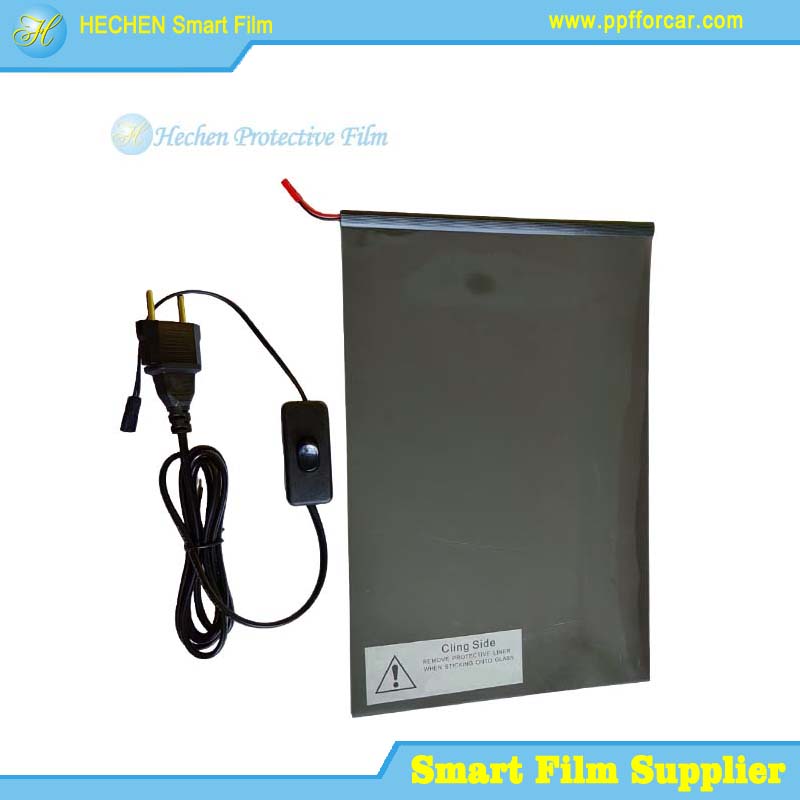
Installing PDLC smart film requires care but can be DIY for small windows. Start by cleaning the glass thoroughly with isopropyl alcohol to remove dirt. Measure and cut the film slightly larger than the window, then peel the protective liner and apply it dry, using a squeegee to remove air bubbles from center to edges.
Connect busbars to a transformer and test the switch. For large panes, professional installation is recommended to avoid wrinkles. Seal edges with silicone for moisture protection. Total time: 1-2 hours per window. A 4x5 ft window might total $500-1500. Factors include brand, size, and custom features. Long-term savings from energy efficiency offset initial expenses.
Conclusion
PDLC smart film transforms windows into dynamic assets, blending privacy, efficiency, and style. With top brands like Smart Film and Gauzy leading the way, 2025 offers excellent choices for any application. Evaluate your needs, budget, and installation capabilities to find the best fit.
For more about the best PDLC smart film for windows: auto-switch, energy-saving, easy install, you can pay a visit to Hechen PDLC Smart Film Manufacturers for more info.