Best Electric Car Window Tint 2025 – No Signal Blocking
The EV-Specific Tinting Dilemma
In the rapidly evolving world of electric vehicles (EVs), every accessory and modification must be reconsidered through the lens of electrical efficiency, connectivity, and integrated technology. Window tinting, long valued for its privacy, aesthetic, and heat-rejection benefits, presents a unique challenge for EV owners. Standard metallic films, while effective at blocking solar heat, can interfere with the critical signals that modern electric cars rely upon—GPS navigation, cellular connectivity for telematics and over-the-air updates, keyless entry systems, and even toll transponders.
For the 2025 EV owner, the ideal electric car window tint is no longer just about darkness or heat rejection; it's about achieving superior performance without disrupting the car's digital nervous system. This article explores the cutting-edge, non-interference window tinting technologies, reviews the top contenders for 2025, and provides a comprehensive guide for selecting the perfect film that protects your car, your comfort, and your connectivity.
Why Signal Transparency is Non-Negotiable for EVs
Electric vehicles are fundamentally computers on wheels. Their functionality extends far beyond propulsion, creating a dependency on clear signal reception:
Navigation & Real-Time Data: Built-in GPS is essential for locating charging stations, route planning that maximizes efficiency (range), and accessing traffic data. Signal blockage can lead to unreliable routing, especially problematic when searching for available chargers.
Cellular Connectivity: Most EVs use 4G/5G LTE modems for:
Over-the-Air (OTA) Updates: Critical software upgrades for battery management, driver-assistance features, and infotainment.
Remote Telematics: Using a smartphone app to check battery status, precondition the cabin, or locate the vehicle.
Emergency Services: Systems like GM's OnStar or Tesla's SOS require a constant, clear cellular link.
Keyless Entry & Phone-as-Key: Passive entry systems that unlock your car as you approach rely on short-range radio frequencies (RF). A metallic barrier at the windows can weaken this signal, causing frustrating failures.
Toll Transponders & Radio: While often mounted on the windshield (which should never be fully tinted with metallic film), signal clarity for electronic toll collection and entertainment is still a consideration.
A "smart" tint for a smart car must therefore be a spectrally selective technology—blocking the infrared (IR) and ultraviolet (UV) spectrums of sunlight while remaining virtually transparent to the radio frequency (RF) and microwave spectrums used for communication.
The Technology Behind "No-Signal-Blocking" Tints
To avoid signal interference, manufacturers have moved away from conductive metallic layers. The leading technologies for 2025 are:
1. Ceramic Electric Car Window Tint (The Current Gold Standard)
Ceramic films use non-conductive, non-metallic nanoparticles (typically titanium nitride or silicon) embedded in the film's adhesive or polyester layers. These particles are exceptional at absorbing and reflecting solar infrared heat without containing conductive metals that create a Faraday cage effect.
How it works: Ceramic particles target specific wavelengths of light (IR radiation) while allowing visible light and RF signals to pass through.
Benefits: Superior heat rejection (often higher than metallic films), 99% UV block, no signal interference, non-fading color stability, and reduced glare.
Drawbacks: Premium cost is the primary factor.
2. Carbon Window Tint (The Premium Budget Alternative)
Carbon films use carbon particles suspended in the film's adhesive. This creates a deep, rich matte black appearance and provides good heat rejection.
How it works: Carbon absorbs solar energy across a broad spectrum, including visible light (which is why it appears black). It is non-conductive.
Benefits: Excellent glare reduction, fade resistance, no signal interference, and typically more affordable than ceramic.
Drawbacks: Generally offers lower total solar energy rejection (TSER) than high-end ceramic films, as it absorbs more heat rather than reflecting it, which can lead to slightly higher interior surface temperatures.
3. Hybrid & Multi-Layer Nanoceramic Films (The 2025 Frontier)
The latest evolution combines ceramic and other non-metallic technologies in sophisticated, multi-layer constructions. Some films add IR-absorbing dyes or use advanced polymer layers to target specific heat bands more efficiently.
How it works: Multiple layers of different non-metallic compounds are engineered to maximize performance—one layer for UV, several for specific IR bands, and a hard coat for scratch resistance—all while maintaining RF transparency.
Benefits: Pushes the boundaries of heat rejection (sometimes exceeding 70% TSER) without increasing darkness or compromising signals. Often features improved clarity and durability.
Drawbacks: Top-tier pricing and requires professional installation to realize full benefits.
Top Electric Car Window Tint Picks for 2025
Based on performance data, manufacturer specifications, and installer/owner feedback, here are the leading films for EVs in 2025.
1. Best Overall Performance: Llumar IRX Series
A longstanding leader in ceramic technology, IRX continues to impress with balanced performance.
Technology: High-performance ceramic.
Signal Safety: 100% non-metallic, zero interference.
Key Metric: Total Solar Energy Rejection (TSER) in the mid-60% range, with exceptional IR rejection (over 90% of IR rays).
Why it’s great for EVs: Consistently high performance across all windows, superb clarity that complements high-tech EV dashboards, and trusted durability with a strong warranty. It’s the reliable, do-everything-well choice for any EV model.
Consideration: Premium price point, but widely available through authorized installers.
2. Best Heat Rejection & Premium Choice: XPEL PRIME XR PLUS
XPEL’s top-tier film utilizes a multi-layer nanoceramic construction designed to push heat rejection to the limit.
Technology: Advanced multi-layer nanoceramic.
Signal Safety: Completely non-conductive.
Key Metric: Boasts some of the highest TSER numbers on the market (often 70%+), meaning it blocks the most total solar energy from entering the cabin.
Why it’s great for EVs: By minimizing heat ingress, it directly reduces the load on the HVAC system, preserving battery range on hot days. This makes it a functionally strategic upgrade for an EV, directly contributing to efficiency.
Consideration: Among the most expensive options; best paired with a certified installer.
3. Best Value (High Performance): 3M Ceramic IR Series
3M brings its material science expertise to the table with a competitive and widely available ceramic film.
Technology: Non-metallic ceramic nanoparticle.
Signal Safety: No metal, no interference.
Key Metric: Strong, all-around performance with very good IR rejection (around 90%) and TSER in the low 60% range.
Why it’s great for EVs: Offers a compelling price-to-performance ratio. It provides most of the benefits of top-tier ceramic films at a more accessible price point, making advanced tinting feasible for a broader range of EV owners.
Consideration: Slightly less "ultimate" in heat rejection than the top two, but still an outstanding performer.
4. Best for Style & Glare Reduction: Johnson Window Films InsulatIR Carbon Series
For those prioritizing a sleek look and dramatic glare reduction alongside signal-safe performance.
Technology: Non-metallic carbon.
Signal Safety: Perfectly safe for all signals.
Key Metric: Excellent visible light absorption for glare control and a rich, dark aesthetic.
Why it’s great for EVs: The deep, non-reflective matte finish enhances the modern look of an EV and significantly reduces screen and eye strain from sun glare. It’s a fantastic choice for drivers who find glare particularly bothersome.
Consideration: Heat rejection, while good, will typically be lower than high-end ceramic films.
Critical Consideration: The Windshield
For maximum efficiency and comfort, a clear, high-transmission ceramic tint (often 70%-90% VLT) on the windshield is becoming a popular EV upgrade.
Product Example: Llumar Air Series Blue or XPEL PRIME XR PLUS 70. These are nearly invisible films that reject a significant amount of IR/UV heat, protecting the dashboard and reducing the thermal load on the cabin from the largest glass surface.
Legal Note: Always check local and state laws regarding windshield tint. Most jurisdictions only allow a clear, non-reflective film on the top few inches or the entire windshield if it meets high VLT requirements (usually >70%). A professional installer will know the laws in your area.
The Professional Installation Imperative
For an EV, a flawless installation is even more critical. Gaps, contamination, or improper cutting can not only look unsightly but could theoretically interfere with sensors near the windows (like rain sensors or cameras for driver-assist systems). A certified professional will:
Ensure perfect fit without obstructing any sensors or camera fields of view.
Use proprietary tools to protect your EV’s sensitive electronics and battery during the process.
Provide a valid manufacturer’s warranty, which often requires professional installation.
Handle delicate areas like rear windows with defrosters and antenna elements.
The Future of EV Tinting: What’s Next?
Looking beyond 2025, we can anticipate further integration:
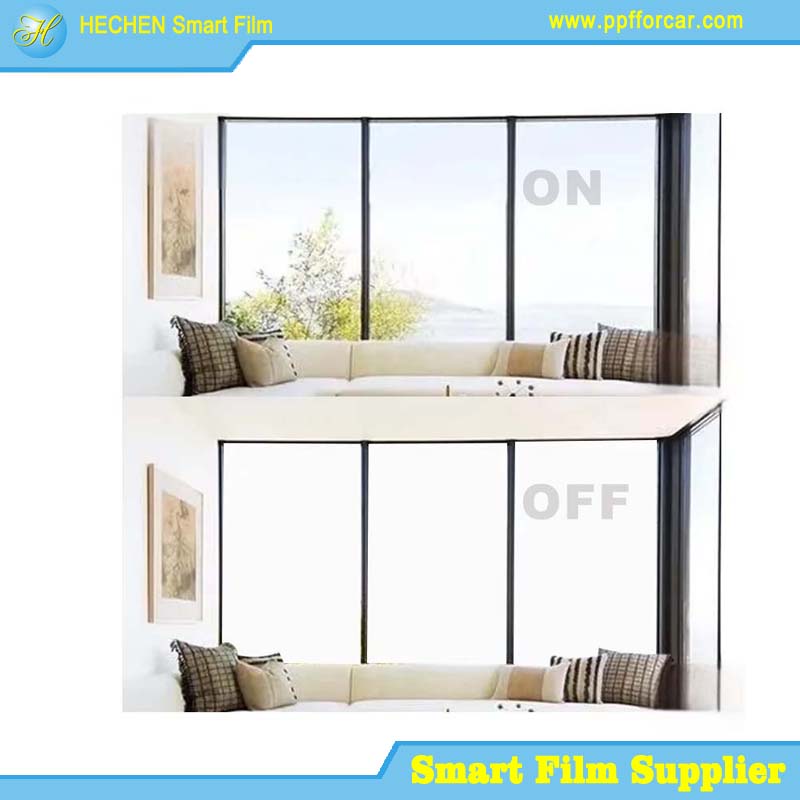
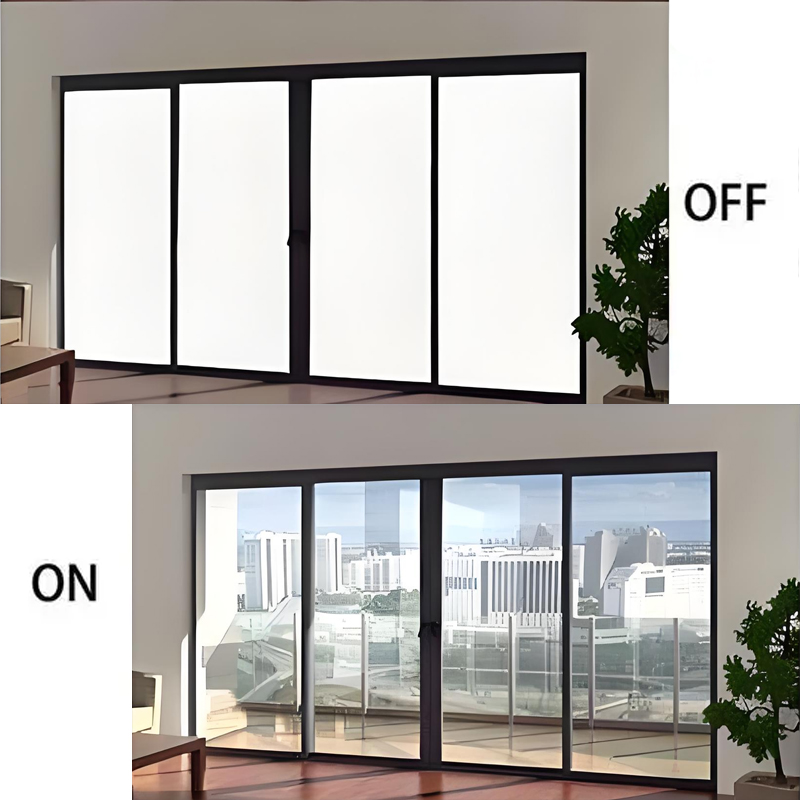
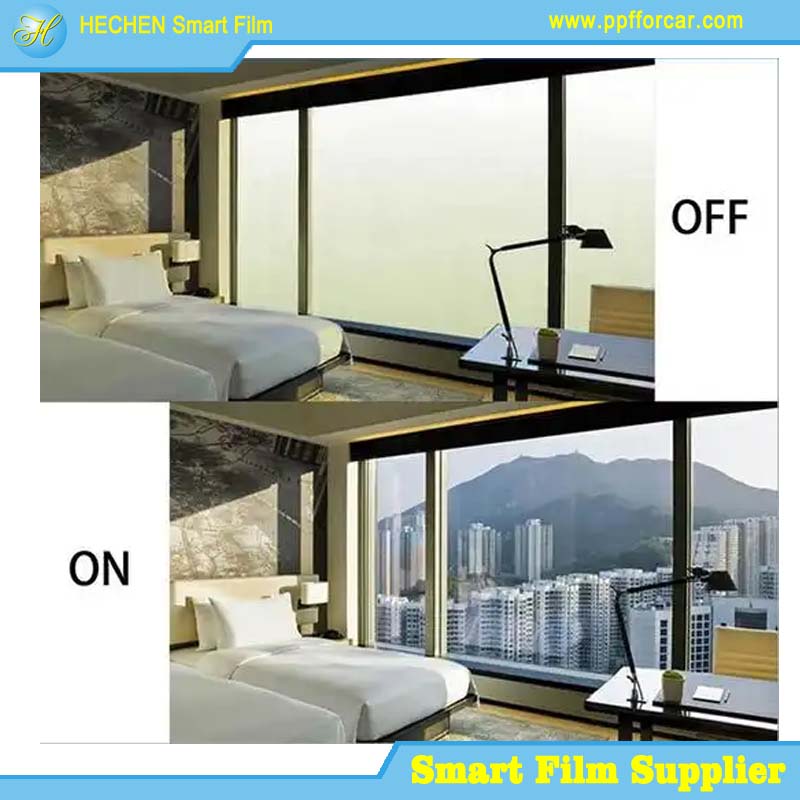
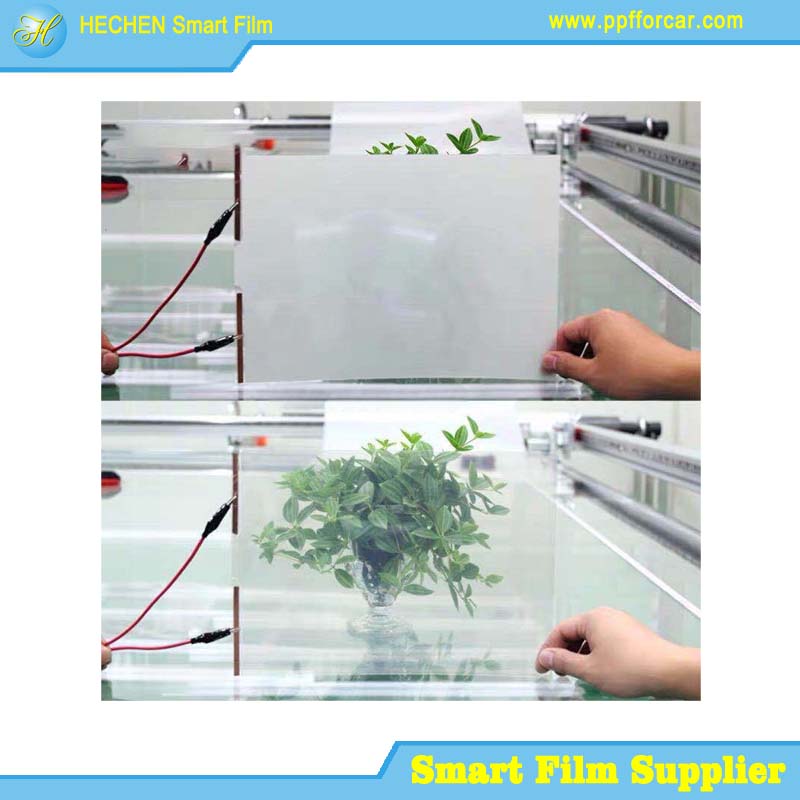
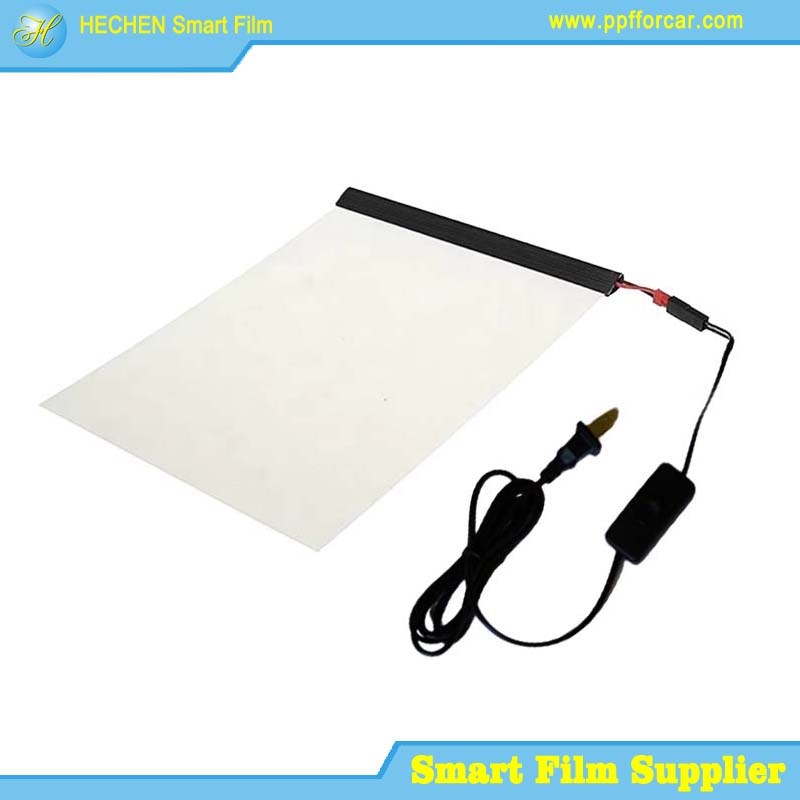
Electrochromic & Smart Glass Integration: Windows that can tint on demand at the touch of a button, potentially integrated into the vehicle's own power and control systems.
Photovoltaic Tints: Experimental films that could generate small amounts of power from sunlight to trickle-charge the 12V battery or run auxiliary systems.
Enhanced Spectral Selectivity: Films that become even more targeted, blocking only the most heating wavelengths while allowing all others (including signals) to pass unimpeded.
Final Recommendation & Checklist for EV Owners
For the 2025 EV owner, our top recommendation is a full-vehicle installation of a high-quality ceramic or nanoceramic film from a reputable brand like Llumar IRX or XPEL PRIME XR PLUS, paired with a legal, clear ceramic film on the windshield.
Before You Tint Your EV:
Research Your Car: Know where its cellular, GPS, and keyless entry antennas are located (often in mirrors, roof, or rear glass). Discuss this with your installer.
Choose the Technology: Always select a 100% non-metallic (ceramic, carbon, or nanoceramic) film.
Prioritize Performance Metrics: Look at Total Solar Energy Rejection (TSER) and Infrared Rejection (IRR) numbers, not just darkness (VLT%).
Select a Certified Installer: Choose a shop experienced with modern EVs and your chosen film brand.
Check Local Laws: Understand legal Visible Light Transmission (VLT) limits for your side and rear windows.
Consider the Windshield: A clear ceramic tint is a highly effective upgrade for heat and UV control.
Conclusion
Tinting your electric vehicle in 2025 is a smart investment in comfort, UV protection, interior preservation, and—critically—energy efficiency. By choosing a modern, non-signal-blocking film, you safeguard the very connectivity that makes your EV a seamlessly integrated part of the digital world. The market offers exceptional options that provide superior performance without compromise. By investing in the right technology and professional installation, you enhance your driving experience while fully respecting the sophisticated engineering of your electric car.
For more about the best electric car window tint 2025 – no signal blocking, you can pay a visit to Hechen PDLC Smart Film Manufacturers for more info.