The Complete Guide to Removable Tint for Car Windows
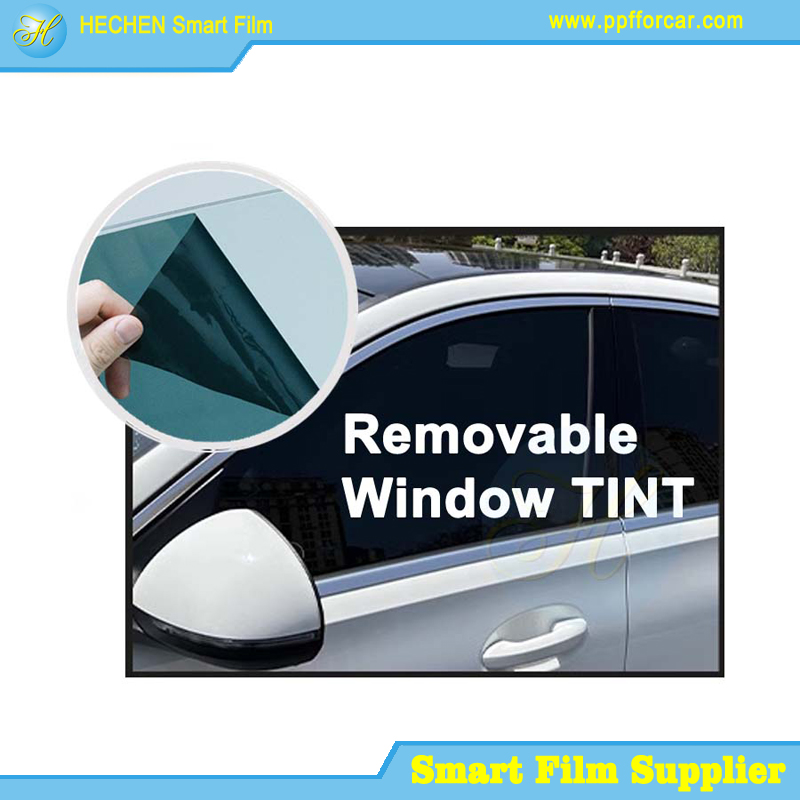
As automotive customization and temporary privacy solutions become increasingly popular, removable tint for car windows is emerging as a preferred alternative to traditional adhesive tint films. Unlike permanent window tint, modern removable car window tint uses advanced electrostatic adsorption technology, allowing users to install or remove the film within seconds without leaving residue.
For drivers who want flexibility, privacy, UV protection, and easy maintenance, reusable car window film offers a highly practical solution. Whether for rental vehicles, temporary sun protection, car shows, or seasonal use, electrostatic tint film provides convenience that conventional adhesive tint cannot match.
This guide explains how removable tint technology works, its advantages, installation methods, applications, and how to choose high-quality electrostatic car window film.
What Is Removable Tint for Car Windows?
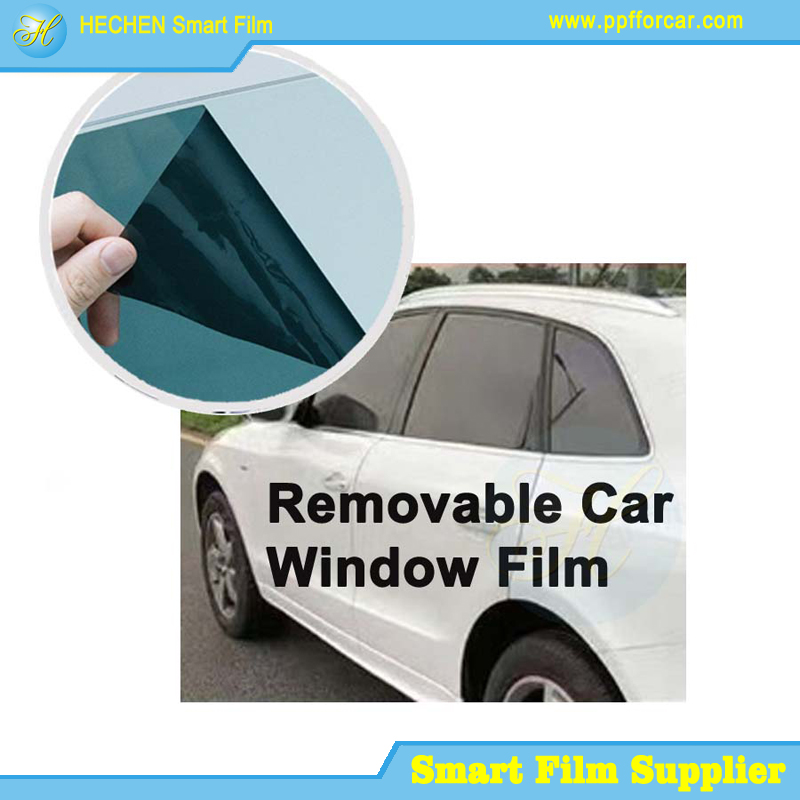
Removable tint for car windows is a non-adhesive window film designed to attach to automotive glass through electrostatic adsorption instead of glue. The film can be applied, repositioned, removed, and reused multiple times without damaging the glass surface.
Unlike traditional tint films that rely on pressure-sensitive adhesives, removable electrostatic film creates temporary adhesion through static cling technology. This allows the film to remain securely attached while still being easy to peel off in one second.
Main Features of Removable Car Window Tint
Glue-free installation
Reusable multiple times
No adhesive residue
Fast installation and removal
DIY-friendly application
Temporary privacy protection
UV and heat rejection
Safe for rental or leased vehicles
Because of these benefits, removable car window tint is becoming increasingly popular among both individual vehicle owners and automotive accessory distributors.
How Electrostatic Car Window Film Works
Electrostatic tint technology operates through a static adsorption principle. Instead of chemical adhesives, the film surface creates molecular attraction when applied to clean automotive glass.
Electrostatic Adsorption Technology
The inner layer of the film is engineered with electrostatic materials that generate temporary bonding when pressed against glass. Once installed, the film remains firmly attached under normal driving conditions while still being removable without tools.
This structure provides several advantages:
No permanent bonding
No glue contamination
No chemical residue
Easier repositioning during installation
Better reusability compared to adhesive films
Multi-Layer Film Structure
High-quality reusable car window film typically includes:
| Layer | Function |
|---|---|
| Protective Layer | Prevents scratches |
| PET Base Layer | Structural stability |
| Electrostatic Layer | Static cling attachment |
| UV Blocking Layer | Reduces UV radiation |
| Heat Rejection Layer | Improves thermal insulation |
Advanced removable tint products may also include nano-ceramic heat rejection coatings for enhanced solar control performance.
Advantages of Reusable Static Cling Tint
Compared with permanent automotive tint solutions, reusable electrostatic film offers several unique advantages.
1. One-Second Removal
The biggest advantage of removable tint for car applications is instant removability. Drivers can peel off the film within seconds whenever temporary visibility or regulation compliance is required.
This feature is especially useful for:
Rental vehicles
Temporary road regulations
Vehicle inspections
Seasonal tint usage
Commercial fleet vehicles
2. No Adhesive Residue
Traditional tint often leaves glue marks after removal, requiring chemical cleaning. In contrast, electrostatic film leaves no residue because no adhesive is used.
This protects:
Rear defroster lines
OEM glass surfaces
Sensitive electronic windows
3. Reusable Performance
High-quality reusable car window film can be installed and removed multiple times while maintaining stable adhesion performance.
This significantly reduces long-term operating costs for:
Automotive dealers
Car rental companies
Commercial transportation fleets
Automotive accessory wholesalers
4. DIY-Friendly Installation
Because no glue curing is required, electrostatic tint film is easier for beginners to install. Users can reposition the film multiple times during installation without damaging the material.
Traditional Adhesive Tint vs Removable Tint
Although both products provide solar protection and privacy, their structures and installation methods are completely different.
| Feature | Removable Tint for Car | Traditional Adhesive Tint |
|---|---|---|
| Installation Method | Electrostatic adsorption | Glue adhesive |
| Reusable | Yes | No |
| Residue After Removal | None | Possible |
| Installation Difficulty | Easy | Moderate |
| Removal Speed | One second | Time-consuming |
| DIY Friendly | Excellent | Moderate |
| Reposition During Installation | Easy | Difficult |
| Suitable for Rental Cars | Ideal | Not recommended |
For users requiring flexibility, temporary privacy, or reusable functionality, removable electrostatic tint is often the better solution.
Best Applications for Temporary Car Window Tint
The versatility of temporary window tint for cars makes it suitable for multiple automotive scenarios.
Rental and Leased Vehicles
Since the film can be removed instantly without damage, it is ideal for leased cars where permanent modifications are restricted.
Ride-Sharing and Commercial Vehicles
Drivers operating ride-share vehicles may use removable tint for temporary passenger privacy while remaining compliant with local regulations.
Car Shows and Events
Vehicle owners often use removable static cling tint for exhibitions, promotional events, and temporary styling upgrades.
Seasonal Heat Protection
Some users prefer temporary summer installation to reduce solar heat gain without committing to permanent tint.
Privacy During Camping or Travel
Electrostatic window film can provide temporary sleeping privacy for travelers and outdoor enthusiasts.
How to Install and Remove in One Second
One reason removable car window tint continues gaining popularity is its simple installation process.
Installation Tools
Prepare the following tools:
Spray bottle with water
Microfiber towel
Squeegee
Measuring tool
Utility knife
Step-by-Step Installation
Step 1: Clean the Glass
Remove dust, grease, and contaminants from the window surface. Clean glass is essential for proper electrostatic adsorption.
Step 2: Spray Water Mist
Apply a light water mist to the glass surface. This helps reposition the film during installation.
Step 3: Apply the Film
Align the film carefully and press it onto the glass.
Step 4: Remove Air Bubbles
Use a squeegee to push out trapped water and air.
Step 5: Final Edge Adjustment
Trim excess material if necessary.
One-Second Removal Process
To remove the film:
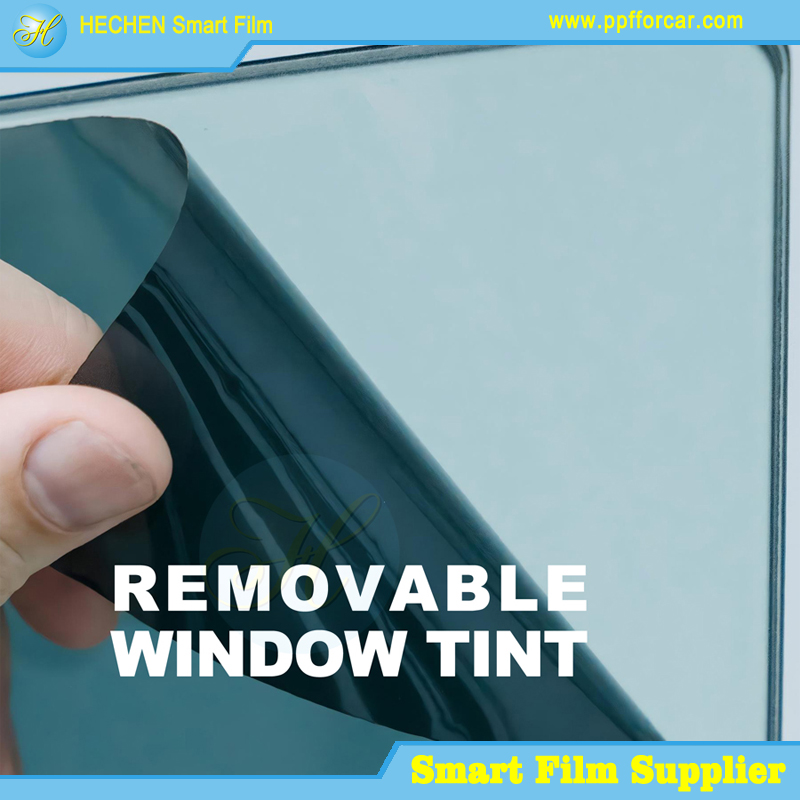
Lift one corner
Peel slowly
Store the film on protective backing material
No glue remover or chemical cleaning is required.
How to Choose High-Quality Electrostatic Tint Film
Not all removable tint products offer the same performance. Buyers should evaluate several technical factors before purchasing.
1. Electrostatic Adhesion Stability
High-quality film should maintain stable attachment during:
High-speed driving
Temperature fluctuations
Window vibration
Repeated installation cycles
2. UV Rejection Performance
Premium removable car window tint should block up to 99% of harmful UV rays.
3. Heat Rejection Capability
Nano-ceramic coating technology can significantly improve infrared heat rejection.
4. Optical Clarity
Low-quality film may produce haze, distortion, or rainbow effects. Choose high-transparency PET materials for better visibility.
5. Reusability
The best reusable car window film products maintain strong adsorption after multiple uses.
6. Thickness and Durability
Automotive-grade PET film typically ranges between 2 mil and 4 mil thickness for balanced flexibility and durability.
Frequently Asked Questions
Is removable tint legal?
Tint laws vary by country and region. Users should check local visible light transmission (VLT) regulations before installation.
Can removable tint be reused?
Yes. High-quality electrostatic tint film is designed for repeated installation and removal.
Does removable tint leave residue?
No. Since the film uses static cling technology instead of glue, no adhesive residue remains.
Can electrostatic tint block UV rays?
Yes. Many products block up to 99% of UV radiation.
Is removable tint suitable for DIY installation?
Yes. Most users can install electrostatic film without professional tools.
How long does reusable car window film last?
With proper storage and maintenance, high-quality film can last for years.
Conclusion
As drivers increasingly seek flexible and user-friendly automotive accessories, removable tint for car windows offers a modern alternative to traditional adhesive tint. With electrostatic adsorption technology, users can enjoy privacy, UV protection, and heat rejection while benefiting from one-second removal and reusable performance.
Whether for personal vehicles, rental fleets, commercial transportation, or automotive distributors, reusable car window film represents a growing segment of the automotive tint industry.
For businesses seeking OEM solutions or wholesale opportunities, advanced electrostatic car window film provides strong market potential due to its convenience, sustainability, and easy installation advantages.