Building Tint Film
Building tint film, commonly known as window film, is a transformative technology applied to glass surfaces to manage light, heat, privacy, and security. From sleek office towers to cozy homes, tint films enhance energy efficiency, protect interiors, and elevate aesthetics. Originating in the 1960s to address solar heat gain, window films have evolved into sophisticated solutions with advanced features like UV protection, shatter resistance, and smart tinting. With modern architecture increasingly relying on glass, tint films are a cost-effective alternative to expensive window replacements. This article delves into the world of building tint film, exploring its benefits, types, manufacturing, and future trends, highlighting why it’s a must-have for property owners seeking sustainability and style.
What is Building Tint Film?
Building tint film is a thin, adhesive layer applied to windows, glass doors, skylights, or curtain walls to control environmental factors. Typically made from polyester combined with metalized coatings, dyes, or ceramic nanoparticles, these films are engineered for durability and performance. They block up to 99% of UV rays, reduce heat gain, and enhance privacy without sacrificing natural light. Leading brands like 3M, LLumar, and SolarGard offer films tailored for specific needs, such as solar control or security. Applications range from residential windows to commercial skyscrapers, making tint film a versatile solution for modern glass-heavy designs.
Benefits of Building Tint Film
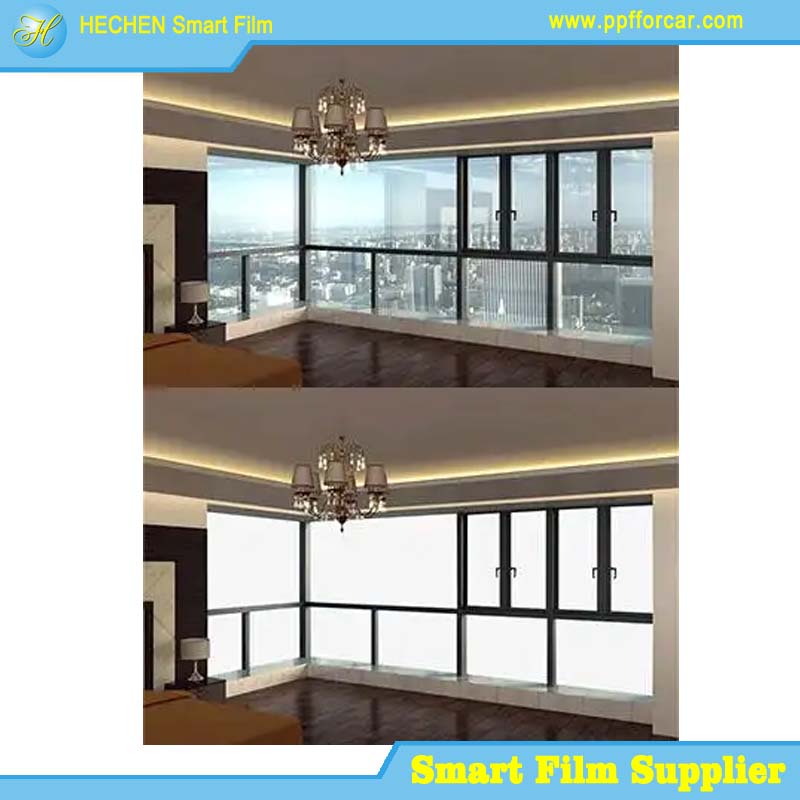
Building tint film offers a multitude of benefits. Energy efficiency is a primary advantage, with films reducing solar heat gain by up to 80%, lowering cooling costs by 20–30% in warm climates. In colder regions, insulating films minimize heat loss, reducing heating expenses. UV protection prevents fading of furniture, flooring, and artwork, saving thousands in replacement costs. Privacy films, like frosted or one-way mirrored options, ensure discretion in offices or homes. Security films hold shattered glass together, deterring break-ins and reducing injury risks during accidents or natural disasters. Glare reduction improves comfort for occupants, especially in workspaces with screens. Aesthetically, films offer glossy, matte, or decorative finishes, enhancing a building’s curb appeal. For example, a 2024 X post highlighted a commercial building using frosted films for a modern, professional look.
Types of Building Tint Film
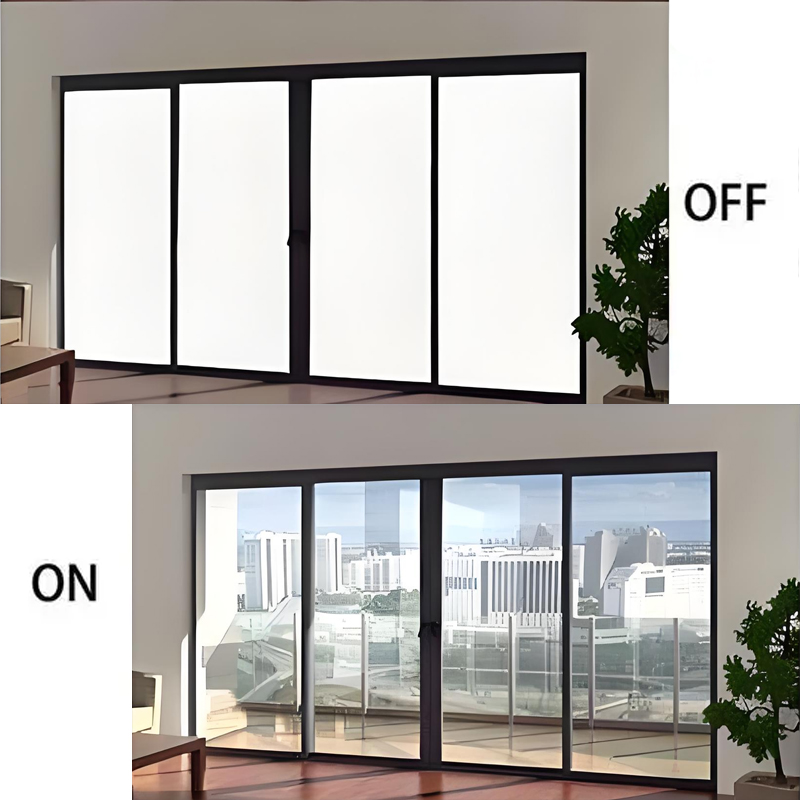
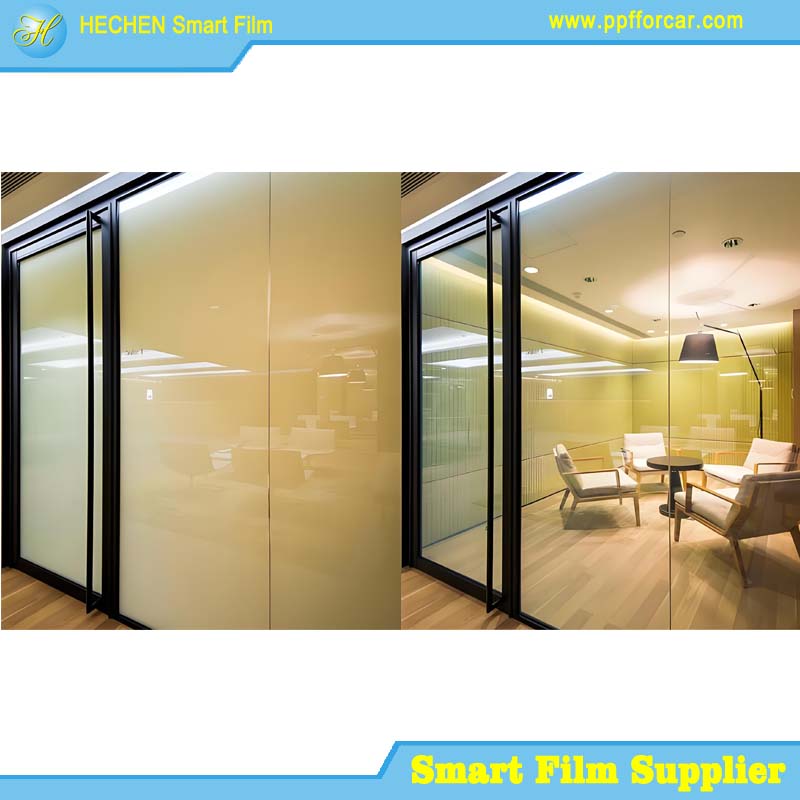
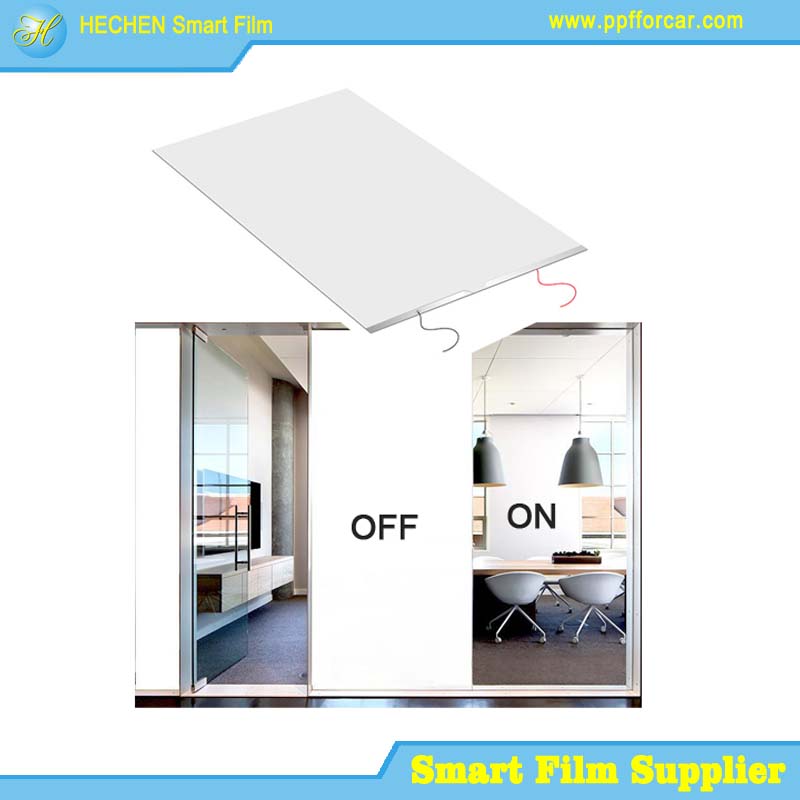
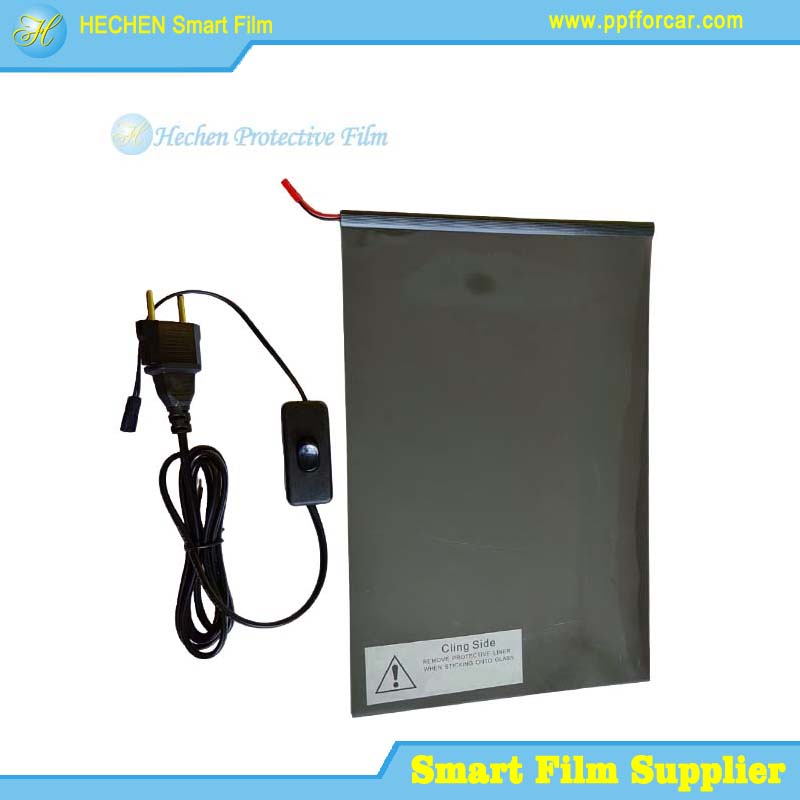
Tint films come in various types to meet diverse needs. Solar control films (reflective, non-reflective, or ceramic) block heat and UV rays, with ceramic films like 3M Prestige Series offering high clarity. Privacy films, such as frosted or mirrored options, are ideal for bathrooms or conference rooms. Security films, ranging from 4–15 mils thick, resist impact and are used in high-risk areas like retail stores. Decorative films feature patterns, gradients, or custom logos, popular for branding in commercial spaces. Visible light transmission (VLT) ranges from 5% (dark) to 70% (light), allowing customization for light and privacy preferences. Recent innovations include smart films that adjust opacity via electrical signals, offering dynamic control.
Manufacturing Process and Innovations
Producing tint film involves extruding polyester or composite materials, applying adhesive coatings, and incorporating UV inhibitors or metalized layers. Advanced techniques like sputtering deposit thin metal layers for heat rejection, while nanotechnology enhances clarity and durability. Innovations include smart films, such as those by Gauzy, which switch from transparent to opaque, and bio-based films made from sustainable materials. Manufacturers are adopting low-emission production and recyclable films to meet environmental standards, as seen in LLumar’s eco-friendly lines. AI-driven quality control ensures precise thickness and adhesion, reducing waste. These advancements make tint films more effective and sustainable, aligning with global green building trends.
Key Manufacturers and Their Offerings
Leading manufacturers drive the tint film market with innovative products. 3M offers the Prestige Series, known for high heat rejection without metallic interference. LLumar (Eastman Chemical) provides Vista films for energy efficiency and decorative options for aesthetics. SolarGard specializes in eco-friendly films, while Avery Dennison excels in decorative and privacy films. Recent developments include 3M’s 2025 launch of a ceramic-based smart film and SolarGard’s low-emission production initiatives. The Asia-Pacific region, led by China, dominates the market due to high construction activity, with a projected $16 billion global market by 2030. These companies cater to diverse needs, from residential upgrades to large-scale commercial projects.
Installation Process
Installing tint film requires precision, typically handled by professionals. The process begins with cleaning the glass to remove contaminants. The film is measured, cut to size (often using computer-guided tools), and applied with a water-based slip solution to position it accurately. Installers use squeegees to eliminate bubbles and trim excess film. Curing takes 1–4 weeks, during which the adhesive bonds fully. Professional installation for a home costs $5–$8 per square foot, taking 1–2 days, while commercial projects may take longer. DIY kits are available but risk imperfect results like bubbles or peeling. Proper installation ensures a seamless, durable finish.
Cost and Market Considerations
Costs vary based on window size, film type, and labor. Residential projects range from $5–$15 per square foot, with a typical home (20–30 windows) costing $1,000–$3,000. Commercial buildings, with larger glass surfaces, may exceed $10,000. Premium films like ceramic or smart films are pricier but offer superior performance. The global window film market, valued at $10.5 billion in 2023, is projected to grow at a 5.2% CAGR through 2030, driven by energy efficiency demands. Films reduce energy bills by 10–30% and extend furniture lifespan, offering significant savings compared to low-E glass replacements ($500–$2,000 per window).
Maintenance and Longevity
Maintaining tint film is simple: use mild soap, water, and soft cloths, avoiding ammonia-based cleaners that degrade adhesives. High-quality films last 10–20 years, depending on climate and maintenance. Signs of wear, like peeling or fading, indicate replacement, though minor repairs are possible. Regular cleaning and avoiding abrasive tools maximize durability, ensuring long-term performance and aesthetics.
Challenges and Future Trends
Challenges include adhesion on curved or textured glass and environmental concerns over non-recyclable films. However, manufacturers are innovating with bio-based films and recyclable options, as seen in SolarGard’s initiatives. Smart films with adjustable opacity are gaining traction, especially in commercial spaces. AI-driven manufacturing and customization (e.g., branded films) are emerging trends. Building codes and green certifications, like LEED, are driving demand for energy-efficient films, shaping the industry’s future toward sustainability and functionality.
Conclusion
Building tint film is a game-changer for modern architecture, offering energy savings, UV protection, privacy, and aesthetic versatility. Manufacturers like 3M and LLumar are pushing boundaries with innovative, sustainable products, meeting the needs of homeowners and businesses. As the market grows toward $16 billion by 2030, tint films will play a key role in sustainable design. Property owners should explore these solutions to enhance comfort, reduce costs, and elevate their spaces, making tint film a cornerstone of smart building management.
For more about the building tint film, you can pay a visit to Hechen PDLC Smart Film Manufacturers for more info.