Everything You Need to Know About PDLC Smart Film for Cars
The automotive industry is rapidly evolving, and vehicle owners today expect more than just transportation. Privacy, comfort, technology, and luxury have become essential features in modern cars. One of the fastest-growing innovations in this field is PDLC smart film for cars — an advanced switchable film technology that instantly changes glass from transparent to opaque with the touch of a button.
From luxury sedans and executive SUVs to commercial fleets and customized vehicles, automotive PDLC film is becoming a preferred solution for drivers who want intelligent privacy control, heat reduction, and futuristic aesthetics.
In this comprehensive guide, you’ll learn everything about smart privacy film for cars, including how it works, its advantages, installation process, applications, and how to choose the right supplier for your business or project.
What Is PDLC Smart Film?
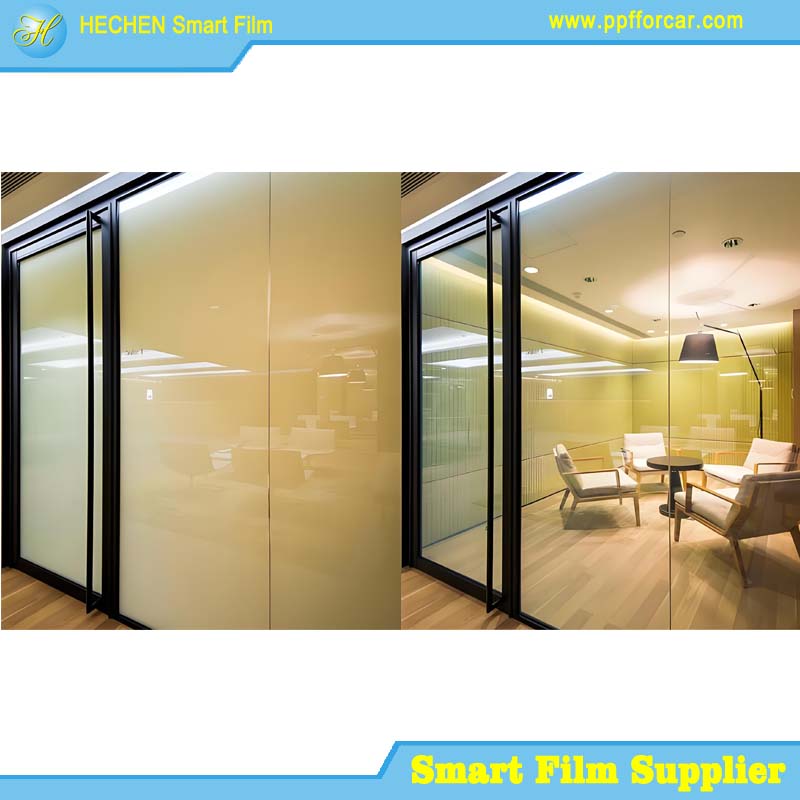
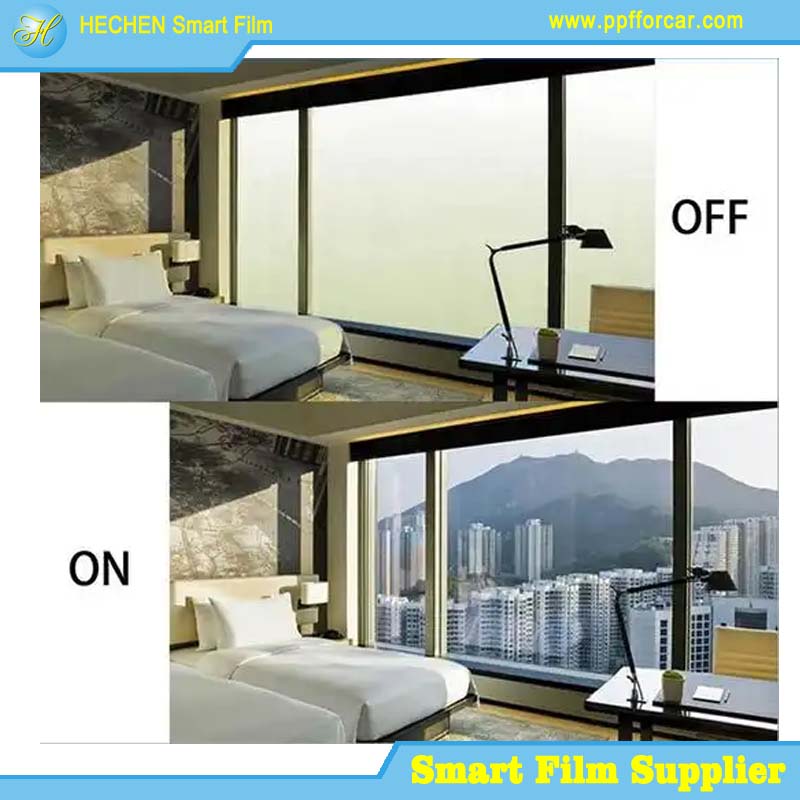
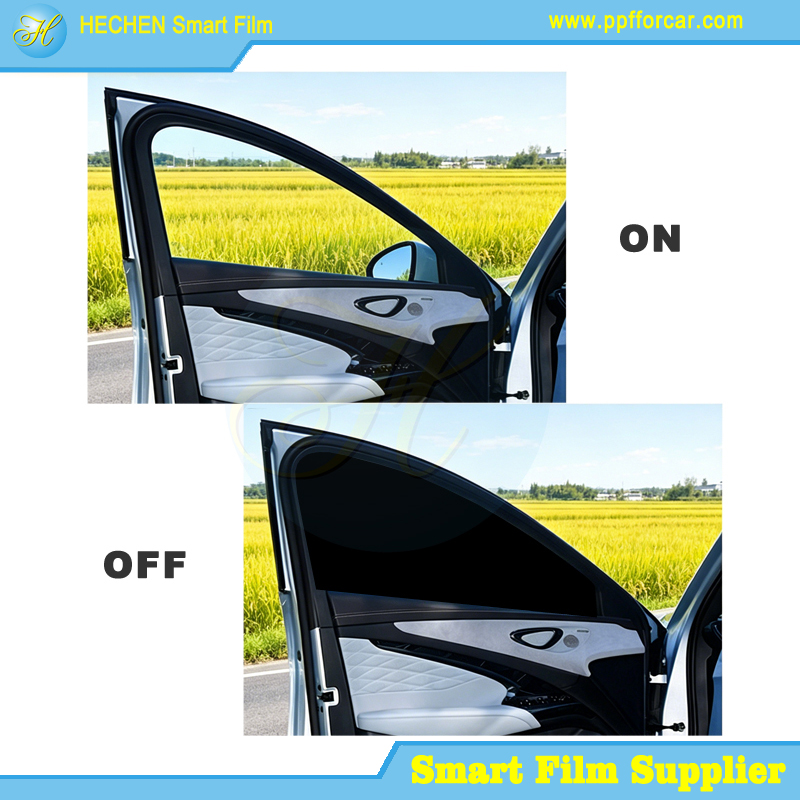
PDLC smart film for cars refers to a switchable privacy film based on Polymer Dispersed Liquid Crystal (PDLC) technology. The film can instantly change between transparent and frosted states when electrical power is applied or removed.
Unlike traditional automotive tint, which provides fixed shading, switchable smart film automotive technology allows drivers and passengers to actively control privacy levels in real time.
How PDLC Technology Works
PDLC film contains liquid crystal molecules dispersed within a polymer matrix.
When the power is OFF:
Liquid crystals are randomly aligned
Light scatters through the film
The glass becomes opaque or frosted
When the power is ON:
Liquid crystals align uniformly
Light passes through clearly
The glass becomes transparent
This intelligent transition happens within milliseconds.
Because of this technology, electric privacy film for vehicles is widely used in:
Luxury cars
VIP vans
Executive limousines
RVs
Commercial vehicles
Smart mobility solutions
How PDLC Smart Film Works in Vehicles
Modern vehicles increasingly integrate smart electronics, making them ideal platforms for PDLC technology.
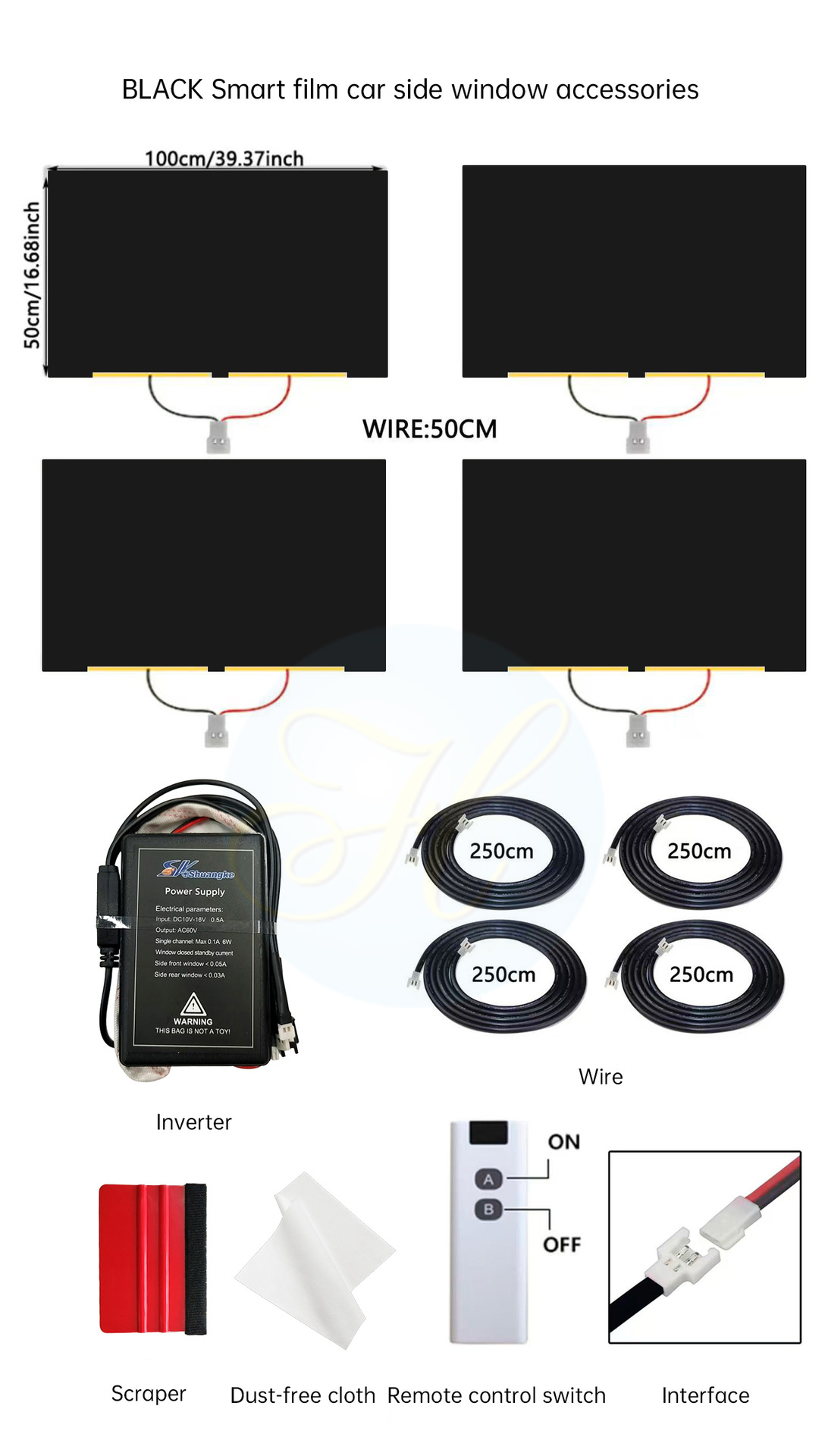
Main Components of Automotive PDLC Film Systems
A standard PDLC smart film for cars system includes:
1. Smart Film Layer
The transparent conductive PDLC layer is applied directly to automotive glass surfaces.
2. Power Transformer
PDLC film typically operates on AC power converted from the vehicle’s DC electrical system.
3. Wiring & Busbars
Conductive busbars distribute electricity evenly across the film surface.
4. Control System
Users can control transparency via:
Switch buttons
Remote controllers
Mobile apps
Voice systems
Smart vehicle integration
Transparency Switching Process
The switching process is extremely fast:
| State | Appearance | Power Status |
|---|---|---|
| OFF | Frosted/Opaque | No Power |
| ON | Transparent | Powered |
This instant transition makes smart privacy film for cars ideal for:
VIP protection
Privacy on demand
Solar control
Luxury interior design
UV and Heat Rejection
Many high-quality automotive PDLC film products can block:
Up to 99% UV rays
Significant infrared heat
Harmful solar glare
This improves:
Cabin comfort
Interior protection
Air conditioning efficiency
Passenger experience
Benefits of Smart Film for Cars
The global demand for PDLC smart film for cars continues to grow because it provides multiple advantages beyond simple window tinting.
1. Instant Privacy Control
Traditional tint offers permanent darkness. PDLC film offers dynamic privacy.
Drivers can instantly switch:
Transparent mode while driving
Privacy mode while parked
This feature is highly popular in:
Executive transportation
Luxury vehicles
Celebrity transport
Business fleets
2. Futuristic Vehicle Appearance
Vehicles equipped with switchable smart film automotive systems stand out with a modern high-tech aesthetic.
The intelligent glass effect creates:
Premium visual appeal
Luxury styling
Smart mobility branding
This is especially attractive for:
Tesla modifications
Luxury van conversions
Premium SUV customization
3. Enhanced Passenger Comfort
By reducing sunlight and glare, electric privacy film for vehicles significantly improves cabin comfort.
Benefits include:
Reduced eye strain
Lower interior temperatures
Better passenger relaxation
Increased travel comfort
4. Energy Efficiency
Solar heat reduction lowers air conditioning load.
This can help:
Reduce fuel consumption
Improve EV battery efficiency
Enhance sustainability
For electric vehicles, thermal management is increasingly important.
5. UV Protection
Continuous UV exposure damages:
Leather seats
Interior plastics
Dashboard materials
High-performance PDLC smart film for cars helps protect vehicle interiors and extends material lifespan.
6. Multi-Functional Smart Integration
Advanced automotive smart film systems can integrate with:
Smart sensors
Vehicle automation systems
Smart home ecosystems
IoT vehicle platforms
This creates a more intelligent driving experience.
PDLC Film vs Traditional Car Tint
Many buyers compare PDLC smart film for cars with conventional automotive tint.
Here’s the key difference:
| Feature | PDLC Smart Film | Traditional Tint |
|---|---|---|
| Privacy Control | Dynamic | Fixed |
| Transparency Switching | Yes | No |
| Smart Control | Yes | No |
| Technology Appearance | Premium | Standard |
| UV Protection | Excellent | Moderate |
| Heat Reduction | High | Medium |
| Customization | Advanced | Limited |
| Cost | Higher | Lower |
Why More Luxury Vehicles Are Using Smart Film
Luxury vehicle owners increasingly prefer switchable smart film automotive solutions because they offer:
Intelligent privacy
Better aesthetics
Premium technology perception
Smart vehicle compatibility
The automotive market is clearly shifting toward intelligent glass solutions.
Installation Process
Professional installation is critical for achieving the best performance and longevity of automotive PDLC film.
Step 1: Glass Surface Preparation
The glass must be:
Completely cleaned
Dust-free
Oil-free
Moisture-free
Any contamination can affect adhesion and transparency.
Step 2: Film Measurement and Cutting
The film is precisely cut according to:
Vehicle window dimensions
Curvature
Electrical layout
Precision cutting improves:
Appearance
Switching uniformity
Long-term durability
Step 3: Applying the Smart Film
Installers carefully laminate the film onto the glass surface while removing:
Air bubbles
Water residue
Dust particles
Professional installation is highly recommended.
Step 4: Electrical Wiring
The installer connects:
Busbars
Transformer
Power cables
Control switch
Correct wiring is essential for stable performance.
Step 5: System Testing
The final stage includes:
Transparency testing
Voltage testing
Switching speed verification
Safety inspection
Important Installation Considerations
For automotive applications, installers must consider:
Curved glass compatibility
Heat resistance
Weather durability
Automotive voltage systems
Choosing experienced installers helps prevent:
Delamination
Uneven opacity
Electrical issues
Edge peeling
Common Applications
The use of PDLC smart film for cars is rapidly expanding across multiple automotive sectors.
1. Luxury Sedans
High-end sedans use smart film for:
Passenger privacy
Executive transportation
Premium appearance
2. VIP Vans and Limousines
VIP vehicles benefit greatly from:
Instant privacy control
Comfortable interiors
Luxury branding
3. Electric Vehicles
Electric vehicle owners appreciate:
Energy efficiency
Smart technology integration
Modern aesthetics
4. Recreational Vehicles (RVs)
RVs use electric privacy film for vehicles to:
Improve privacy
Reduce heat
Create flexible living spaces
5. Commercial Vehicles
Commercial fleets use smart privacy film for cars for:
Mobile offices
Conference vehicles
Corporate branding
6. Smart Mobility Projects
Future mobility concepts increasingly integrate:
Smart glass
AI systems
Intelligent privacy control
PDLC technology plays an important role in next-generation transportation.
How to Choose a Reliable Supplier
Selecting the right supplier is one of the most important decisions for distributors, installers, and automotive brands.
1. Film Clarity
High-quality automotive PDLC film should provide:
Excellent transparency
Minimal haze
Uniform switching
Low-quality products often appear cloudy.
2. Fast Response Time
Premium PDLC film switches within milliseconds.
Slow switching may indicate inferior liquid crystal quality.
3. Stable Electrical Performance
Reliable suppliers provide:
Stable transformers
Safe wiring systems
Automotive-grade electrical compatibility
4. UV and IR Performance
Look for products with:
High UV rejection
Effective infrared blocking
Long-term thermal stability
5. Durability and Lifespan
Professional-grade smart film should offer:
Long operational lifespan
Scratch resistance
Heat resistance
Weather durability
6. OEM & Customization Support
Strong suppliers typically provide:
Custom sizes
Logo branding
OEM production
Project-based solutions
This is especially important for wholesalers and distributors.
7. Technical Support
Choose suppliers that can provide:
Wiring diagrams
Installation training
Technical consultation
After-sales support
Professional support reduces installation risks.
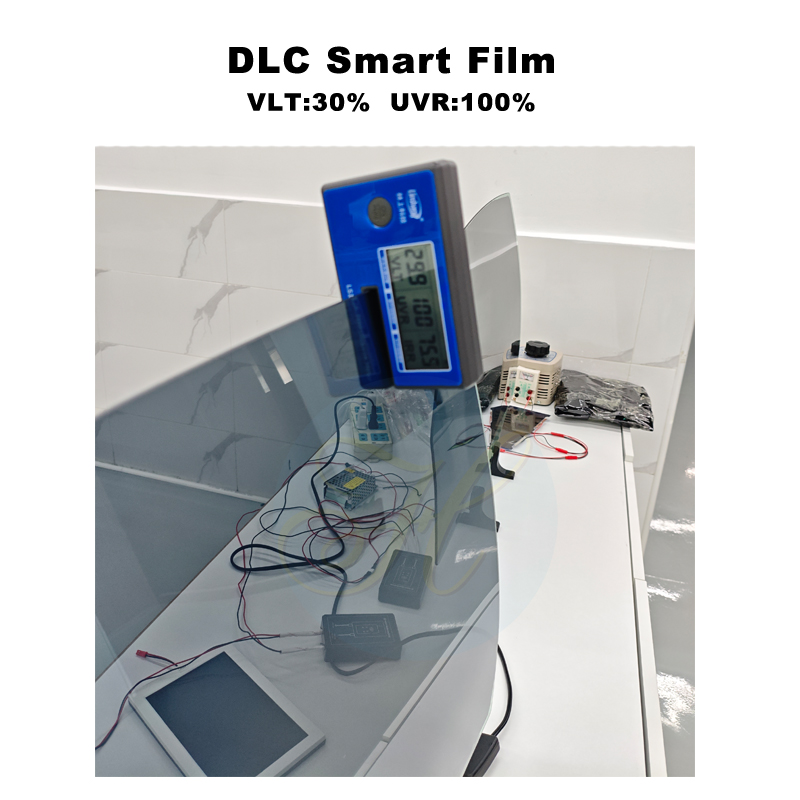
Why Businesses Are Investing in Automotive Smart Film
The market for PDLC smart film for cars is growing rapidly because consumers increasingly demand:
Intelligent privacy
Smart mobility
Luxury customization
Energy-efficient vehicles
For distributors and installers, this creates strong business opportunities.
Many automotive businesses are now expanding into:
Smart tint upgrades
Luxury vehicle modification
Intelligent glass systems
Automotive electronics
Frequently Asked Questions (FAQ)
What is PDLC smart film for cars?
PDLC smart film is a switchable privacy film that changes between transparent and opaque states using electrical power.
Is smart film legal for cars?
Regulations vary by country and region. Always check local automotive window tint laws before installation.
Can PDLC smart film block UV rays?
Yes. Most high-quality automotive PDLC films can block up to 99% of UV radiation.
How long does automotive PDLC film last?
Professional-grade PDLC film can last many years when properly installed and maintained.
Can smart film be installed on curved car windows?
Yes, but compatibility depends on glass curvature and film specifications.
Does PDLC smart film consume electricity continuously?
The film consumes power only while remaining transparent. In opaque mode, power is typically off.
Is PDLC film better than traditional tint?
For users seeking dynamic privacy and smart functionality, PDLC film offers significant advantages over traditional tint.
Final Thoughts
As intelligent automotive technology continues evolving, PDLC smart film for cars is becoming a major trend in luxury transportation and smart mobility.
Compared with traditional tint solutions, smart privacy film for cars offers:
Instant privacy control
Advanced aesthetics
Smart integration
Enhanced passenger comfort
Premium vehicle customization
Whether you are a distributor, installer, automotive brand, or project contractor, investing in switchable smart film automotive technology can open new opportunities in the rapidly growing smart glass market.
If you are looking for:
OEM automotive PDLC film
Wholesale pricing
Custom smart film solutions
Installation support
Global distribution partnerships
Contact our team today to get professional technical support and customized solutions for your automotive smart film projects.