Can I Install PDLC Film for Windows Myself? A DIY vs. Professional Guide
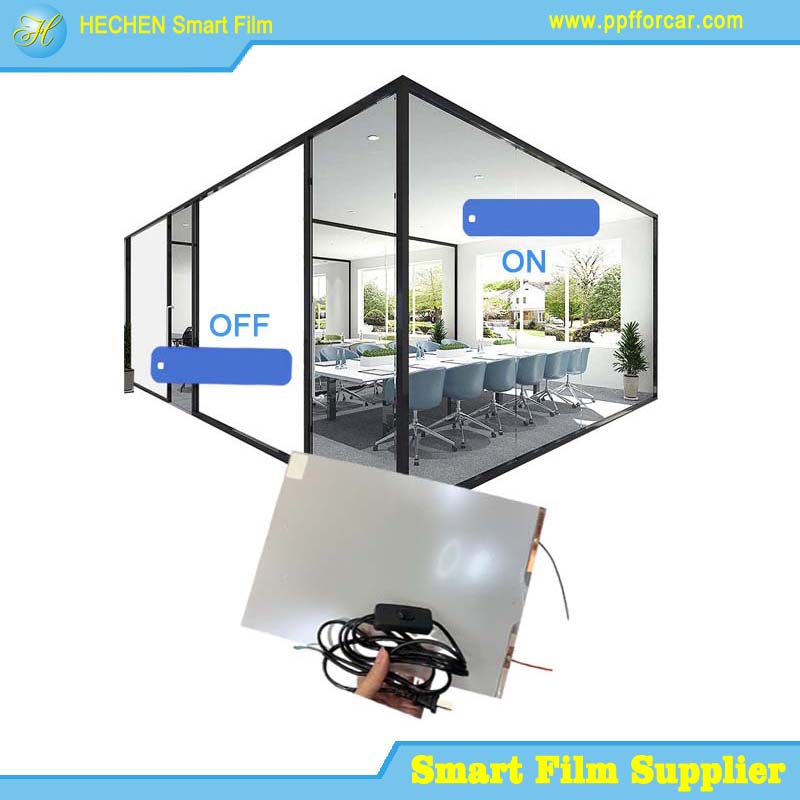
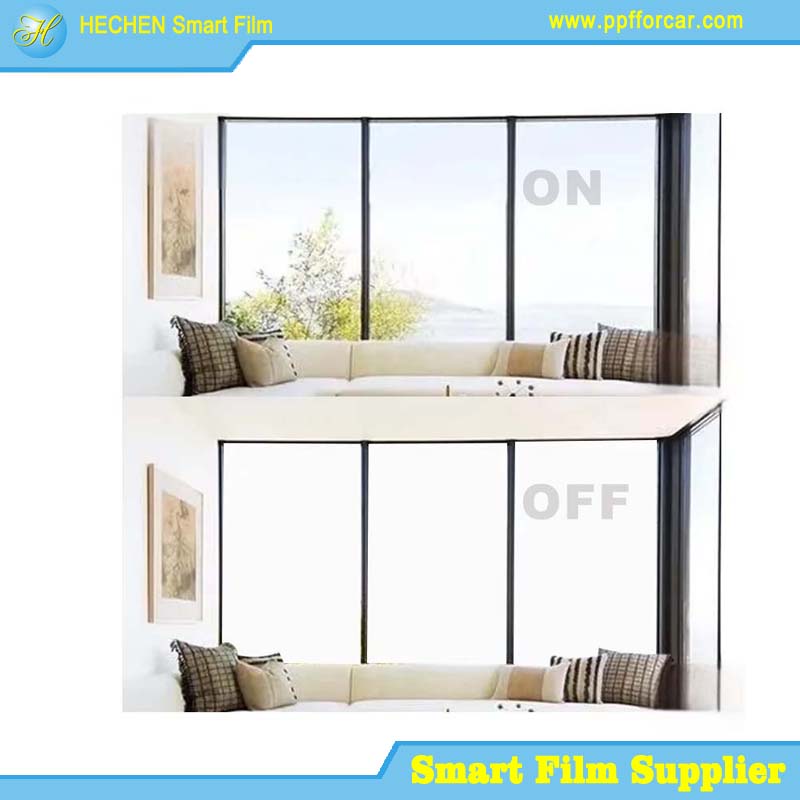
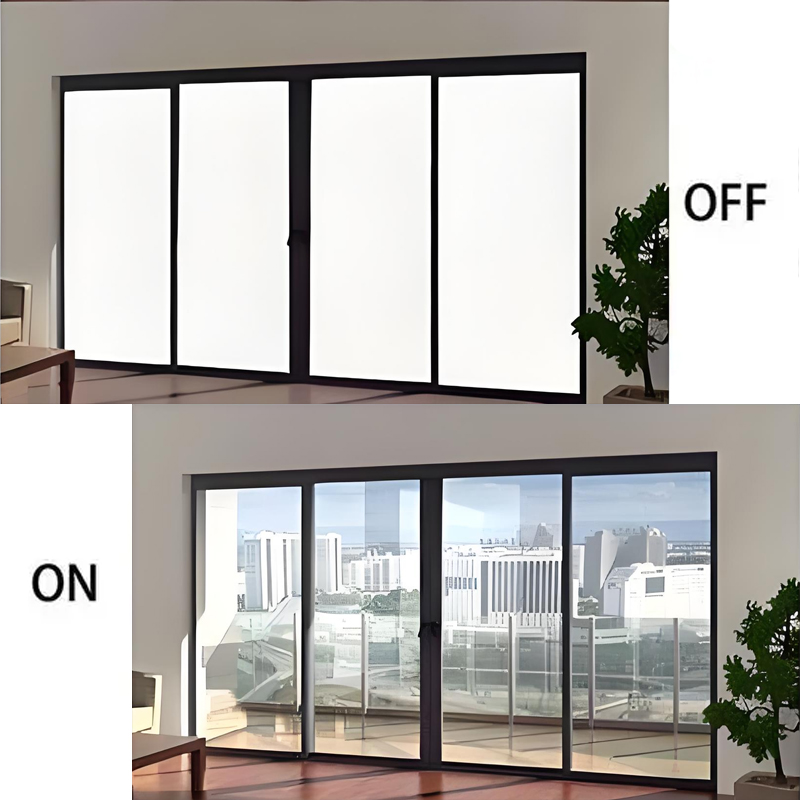
With the growing popularity of smart home technology, PDLC film for windows (Polymer Dispersed Liquid Crystal switchable film) has moved from high-end commercial spaces into ordinary homes. This magical material, often called "electronic curtains," allows you to switch between transparent and frosted states at the touch of a button, achieving the perfect balance between privacy protection and an open, airy feel.
Faced with professional installation costs ranging from $50 to $100 per square foot, many handy homeowners wonder: Can I install PDLC window film myself? The answer is: Yes, but with conditions. This article provides a comprehensive 2000-word installation guide, thoroughly examining the pros and cons of DIY versus professional installation to help you make an informed decision.
Three Questions to Ask Before Attempting DIY Installation
Before picking up a squeegee, honestly assess yourself on three key questions.
1. Is My Glass Suitable?
Not all glass surfaces are suitable for film application. PDLC self-adhesive film works best on smooth, clean indoor glass surfaces. DIY installation may be feasible under these conditions:
The glass is flat glass (or tempered glass that has been pre-cut to size)
The glass surface has no deep scratches, cracks, or obvious defects
The glass is located in a dry indoor environment (such as office partitions, interior side of living room floor-to-ceiling windows)
Special Warning: If the glass is in a humid environment (like a shower enclosure) or needs to be installed on the exterior side of a window, DIY self-adhesive film is absolutely not feasible. In these cases, you must replace the glass with laminated smart glass, which can only be handled by professionals.
2. Do I Have the Skills and Patience?
PDLC film installation is a craft that requires precision and meticulous cleaning. If you:
Have successfully applied screen protectors or car window tint before
Have the patience to focus on detailed work for several hours
Can accept imperfections (like one or two tiny bubbles)
Then you possess the basic qualities for DIY. But remember, PDLC film is thicker and more expensive than regular window tint (material costs $20-40 per square foot), and it requires electrical wiring.
3. Have I Planned the Power Supply?
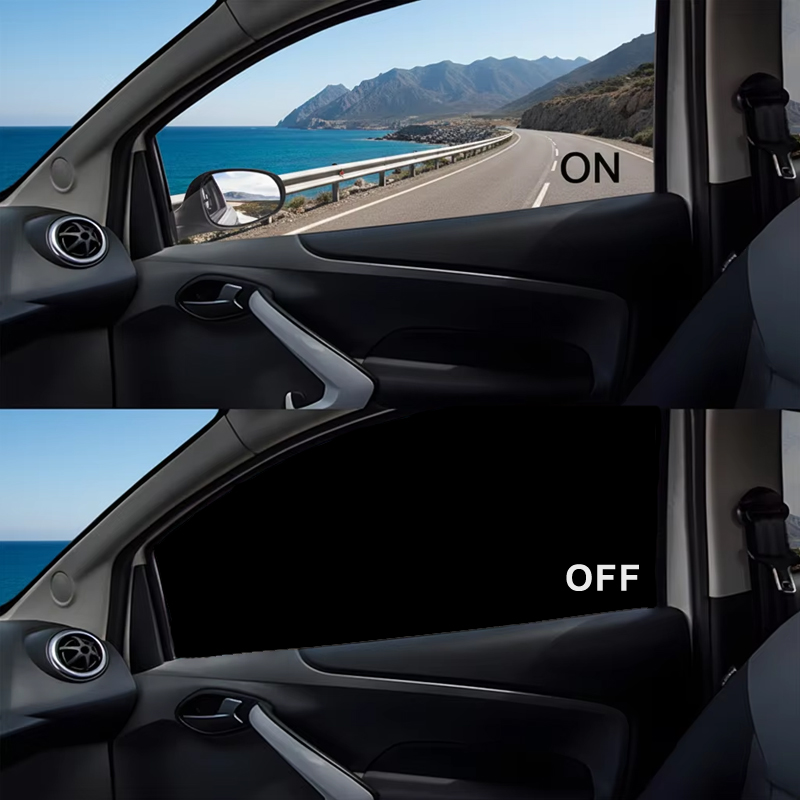
PDLC film needs electricity to work (it becomes frosted for privacy when powered off). You need to plan the following before installation:
Is there a power outlet within 5-10 meters of the film's location?
How will you conceal the wires running from the film's edge (bus bar position) to the power source?
If the window is operable (sliding, casement), how will you manage the wires to prevent fatigue and breakage?
If the answer to any of these questions is "I'm not sure" or "That sounds complicated," you may need to rely on at least some professional electrical help.
DIY Installation: A Step-by-Step Complete Guide
If you're determined to proceed yourself, follow these steps carefully.
Prepare Tools and Materials
Besides purchasing the PDLC film kit (containing the film, power supply/controller, bus bars and leads, basic tools), you will also need:
Cleaning Supplies: Ammonia-free glass cleaner, 99% isopropyl alcohol, lint-free microfiber cloths, a new razor blade
Installation Lubricant: A spray bottle with soapy water (1 liter distilled water + a few drops of baby shampoo)
Tools: A felt-wrapped squeegee (or soft plastic squeegee), utility knife, straight edge/level, measuring tape, painter's tape
Optional: Electrical tape, wire channel covers, cotton gloves
Step 1: Precise Measurement (Measure Twice, Buy Once)
Measure the height and width of the glass at multiple points, as the pane may not be perfectly square. When ordering pre-cut film, use the smallest measurements, leaving a 1-2 mm uniform gap (which can be covered by trim). Remember: while PDLC film has some stretch, it cannot be significantly resized. Incorrect sizing will lead to installation failure.
Step 2: Environment Preparation and Cleaning (The Most Critical Step)
Environment Control: Choose a dust-free day with 40-60% humidity and a temperature of 15-27°C. Turn off fans, HVAC, and close windows beforehand to minimize airborne dust.
Ultimate Glass Cleaning:
Spray ammonia-free glass cleaner and wipe thoroughly with a microfiber cloth.
Use a new razor blade at a 45-degree angle to gently scrape away any stubborn dirt, paint specks, or old adhesive residue.
Spray soapy water again and wipe dry with a clean, dry microfiber cloth until the glass squeaks.
Critical Warning: If you skip the blade scraping step and only wipe, every tiny imperfection will be magnified under the film later.
Step 3: Dry Fitting and Bus Bar Preparation
There are two schools of thought regarding application method; follow your product's instructions carefully:
Wet Application (Common): Spray both the film and the glass with soapy water, using the liquid for positioning.
Dry Application (Required by some manufacturers): Clean only with 99% isopropyl alcohol. The glass must be 100% dry before applying the film. Never use water.
Regardless of the method, at this stage:
Wear cotton gloves, carefully unroll the film, and dry-fit it on the glass to confirm size and orientation.
Locate the bus bars (thin copper or silver strips) at the film's edge. Practice attaching the wire connector clip to one corner of a bus bar to ensure it grips securely.
Step 4: Wet Application Procedure (Using Wet Method as Example)
Peel Backing: Lay the film flat with the adhesive side up. Having an assistant helps, or use painter's tape to create a "hinge." Starting from one corner, carefully peel back about 15-30 cm of the release liner. Immediately and liberally spray the exposed adhesive with soapy water.
Positioning: Spray the glass thoroughly with soapy water. Lift the film, align it with the top edge, leaving the planned 1-2 mm gap. Once the top is aligned, gently press to tack it in place. The soapy water allows the film to slide for adjustment.
Center Squeegee: Using the squeegee, start from the absolute center of the adhered area and forcefully push outwards toward the edges to expel water and air bubbles. Continue peeling the liner and spraying as you go, always keeping the film and glass wet.
Final Squeegee: Once the entire sheet is applied, use medium pressure and overlapping strokes to systematically squeegee from the center to all edges, removing all residual liquid.
Step 5: Trimming and Edge Sealing
Trimming: Use a brand-new utility knife and a straight edge, cutting gently along the window frame's edge to trim any excess film.
Edge Sealing: Use a clean microfiber cloth to absorb any remaining solution from the edges. Some kits include edge-sealing tape; apply it carefully if provided.
Step 6: Electrical Connection
Connect Leads: Attach the wire leads to the bus bar connections you prepared earlier.
Route Wires: Conceal the wires leading to the power source. If they can't be hidden within the window frame, use ultra-thin wire channel covers.
Curing: Connect the power and test the switch function. Then, allow the film to cure for 24-72 hours before frequent switching or cleaning.
Eight Common DIY "Fatal Errors" and How to Avoid Them
| Error | Consequence | How to Avoid |
|---|---|---|
| Inadequate Cleaning | Permanent dirt spots, poor adhesion | Must scrape glass with a blade; wipe until it "squeaks" |
| Installing on Tempered/Coated Glass | Film failure, potential glass damage | Verify glass type; tempered glass requires pre-cut film only |
| Dusty Environment | Countless tiny bumps under the film | Close windows/doors, turn off fans, vacuum beforehand |
| Using Ammonia-Based Cleaners | Damages film layers | Use only recommended ammonia-free cleaner or isopropyl alcohol |
| Insufficient Squeegee Pressure | Residual moisture causing fog spots, delamination | Squeegee forcefully from center to edges to ensure all liquid is expelled |
| No Power Planning | Unsightly dangling wires ruin aesthetics | Plan the wiring route before installation |
| Using Acidic Silicone for Edges | Acid corrodes PDLC layer, causing yellowing or permanently clear edges | Only use neutral cure silicone specified by the manufacturer |
| Continuous Power Without Rest | Liquid crystals develop "memory effect," losing frosted capability | Follow the "4-Hour Rule": Power off (frosted state) for at least 4 hours daily |
When Must You Call a Professional?
In the following situations, abandon your DIY plans immediately and contact a professional installer or electrician:
Glass is in a Wet Area: Such as bathrooms, shower enclosures, or exterior windows. You must use laminated smart glass replacement units.
Glass is Very Large or Hard to Reach: Such as large floor-to-ceiling windows, skylights, or irregularly shaped glass.
Hardwired Electrical Work is Needed: If the control wires need to run inside walls, integrate with a smart home system, or control multiple zones.
Window Frames Are Unsuitable for Drilling: Such as steel or solid wood frames, or if drilling holes in the frame is unacceptable.
You Expect a Flawless Finish: It is nearly impossible for DIY to achieve the 100% dust-free, bubble-free result of a professional job.
Troubleshooting: When Your DIY Project Fails
If the film doesn't work after installation (usually failing to become transparent), don't blame the film immediately. 90% of problems are electrical.
Check Power: Is the power adapter's indicator light on? Try a different outlet.
Check Bus Bar Connections: Are the wire clips securely attached to the bus bars? Is there corrosion or physical damage to the bus bar?
Check Remote/Switch: Does the remote have fresh batteries? Is the wall switch accidentally turned off?
Film Partially Clear, Partially Frosted: This usually indicates uneven voltage distribution. The problem is likely with the bus bar or connection on the frosted side.
Film Completely Dead (Using a Multimeter): Ensure power is disconnected. Use the multimeter's resistance setting to measure between the bus bars. A normal reading is tens to hundreds of ohms. "OL" (open line/infinite resistance) means an open circuit, possibly a damaged bus bar or internal film break. "0" or near zero indicates an internal short circuit. Both scenarios likely require film replacement.
Conclusion: Your Choice Depends on Your Tolerance
Ultimately, whether to attempt a DIY installation of PDLC film for windows depends on how you weigh cost savings against perfect results.
Choose DIY if:
You are meticulous, patient, and handy.
The project involves standard-sized, indoor, dry glass.
You can accept minor imperfections (like one or two tiny bubbles) and are willing to assume the risk.
Choose Professional Installation if:
The project involves wet areas, large glass panes, or complex electrical work.
You expect a flawless, seamless visual finish.
You need professional warranties and long-term technical support.
Whichever path you choose, PDLC smart film will bring an unprecedented sense of technology and flexibility to your space. With just a simple click, private spaces and open views switch effortlessly—this is the charm of the modern smart home.
For more about Can I Install PDLC Film for Windows Myself? A DIY vs. Professional Guide. Everything you need to know, you can pay a visit to https://www.ppfforcar.com/product/PDLC-Smart-Film/ for more info.