Removable Tint for Car vs Traditional Window Tint: Which Is Better?
Window tinting has become one of the most popular automotive upgrades for improving privacy, reducing heat, and enhancing vehicle appearance. However, today's buyers are no longer limited to conventional adhesive tint films. The emergence of reusable tint film and non adhesive window tint technologies has introduced a more flexible alternative for vehicle owners seeking temporary or removable solutions.
When comparing removable tint for car vs regular tint, many drivers wonder which option delivers the best balance of performance, convenience, durability, and cost.
In this technical guide, we'll compare traditional adhesive window tint and modern electrostatic removable tint across installation, performance, maintenance, and practical applications to help you determine which solution best fits your needs.
What Is Traditional Adhesive Window Tint?
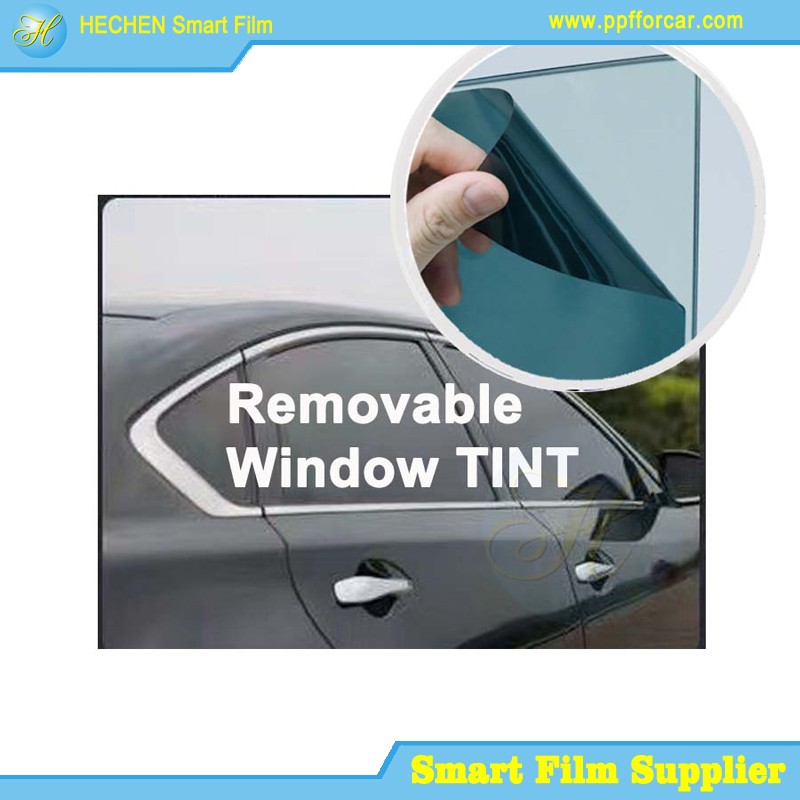
Traditional automotive window tint is manufactured using layers of polyester film combined with pressure-sensitive adhesive. During installation, the adhesive bonds permanently to the glass surface.
Once applied, the film typically remains on the vehicle for many years unless intentionally removed.
Typical Structure of Traditional Tint Film
A standard adhesive window tint generally includes:
| Layer | Function |
|---|---|
| Scratch-Resistant Coating | Surface protection |
| Dyed, Metallic, or Ceramic Layer | Heat and glare reduction |
| PET Base Film | Structural stability |
| Adhesive Layer | Glass attachment |
| Protective Liner | Installation protection |
Traditional tint remains the most common solution in the automotive aftermarket due to its long-term durability and widespread availability.
Advantages of Traditional Tint
Long service life
Strong adhesion
Excellent optical clarity
High heat rejection (especially ceramic films)
Professional appearance
Limitations of Traditional Tint
Permanent installation
Difficult removal process
Potential adhesive residue
Professional installation often required
Not reusable
These limitations have created growing demand for alternative technologies such as non adhesive window tint.
What Makes Electrostatic Tint Different?
Unlike conventional tint, electrostatic tint uses static adsorption technology instead of glue to attach to the glass surface.
This innovative approach allows the film to remain securely attached while still being removable and reusable.
How Electrostatic Adsorption Works
The inner layer of the film generates temporary electrostatic attraction when applied to smooth automotive glass.
Because no adhesive is involved:
Installation becomes easier
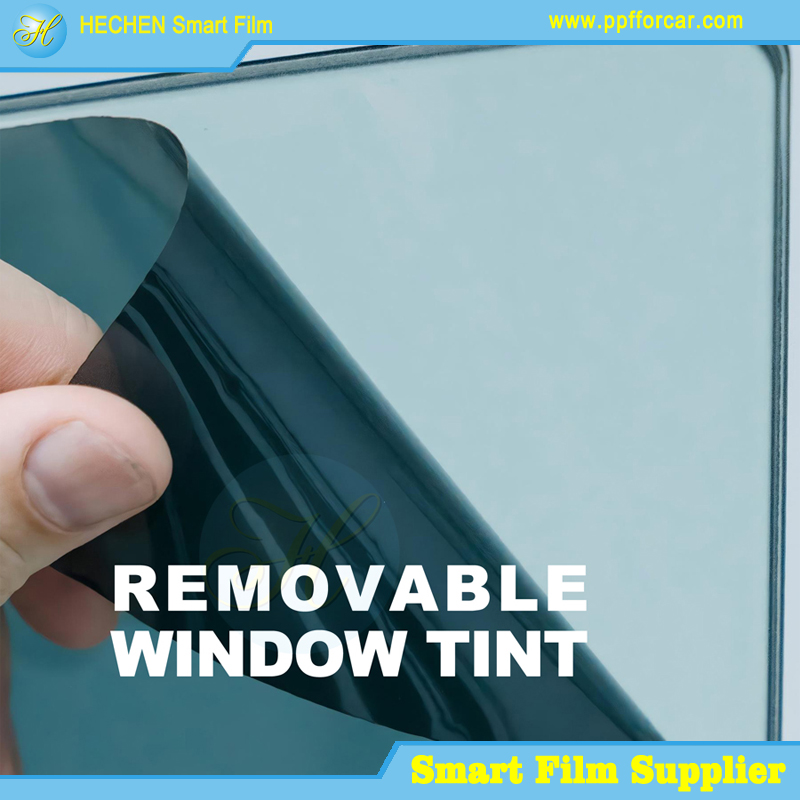
Removal takes only seconds
No residue remains
Film can be reused multiple times
This is why electrostatic products are commonly referred to as:
Reusable tint film
Static cling tint
Non adhesive window tint
Removable tint for car windows
Key Benefits of Electrostatic Tint
Glue-Free Installation
No pressure-sensitive adhesive is required.
One-Second Removal
The film can be peeled away instantly when necessary.
Reusable Performance
Premium products maintain effective adhesion through multiple installation cycles.
No Surface Damage
Because no chemical bonding occurs, OEM glass and rear defroster lines remain protected.
Comparison Table
The following comparison highlights the major differences between removable tint for car vs regular tint.
| Feature | Removable Tint | Traditional Tint |
|---|---|---|
| Glue-Free | Yes | No |
| Reusable | Yes | No |
| Removal Time | 1 Second | Difficult |
| Residue | None | Possible |
| DIY Friendly | Very Easy | Moderate |
| Reposition During Installation | Easy | Limited |
| Suitable for Rental Vehicles | Excellent | Poor |
| Permanent Privacy Solution | Moderate | Excellent |
| Installation Cost | Lower | Higher |
| Professional Installation Required | Usually No | Often Yes |
While traditional tint remains the preferred solution for permanent applications, reusable tint film offers unmatched flexibility.
Best Use Cases for Each Type
The choice between removable and adhesive tint largely depends on how the vehicle is used.
When Removable Tint Is the Better Choice
Rental Vehicles
Many rental agreements prohibit permanent modifications. A non adhesive window tint allows temporary privacy without violating rental policies.
Leased Vehicles
Drivers can enjoy tinted windows without affecting lease return conditions.
Seasonal Heat Protection
Some users prefer installing tint only during summer months and removing it during winter.
Car Shows and Events
Temporary tint can be applied for exhibitions, demonstrations, and promotional activities.
Fleet Vehicles
Commercial operators often need flexible window solutions that can be installed or removed quickly.
When Traditional Tint Is the Better Choice
Long-Term Vehicle Ownership
Drivers planning to keep the same vehicle for many years often benefit from permanent tint installation.
Maximum Heat Rejection
Premium ceramic tint provides industry-leading infrared heat reduction.
Permanent Appearance Enhancement
Traditional tint delivers a factory-style appearance with long-lasting performance.
High-End Automotive Customization
Luxury and performance vehicles frequently use professionally installed ceramic tint systems.
Which Option Is Better for Rental Cars?
For rental vehicles, the answer is straightforward.
Removable tint for car applications is significantly more suitable than traditional tint.
Rental companies generally prohibit permanent modifications because:
Adhesive tint changes the vehicle permanently.
Removal may damage glass components.
Residue can increase refurbishment costs.
By contrast, non adhesive window tint provides:
Temporary privacy
UV protection
Heat reduction
Easy removal before vehicle return
The ability to remove the film in one second without residue makes reusable electrostatic tint particularly attractive for travelers and business users.
Benefits for Rental Car Users
No lease violations
No cleaning costs
Portable between vehicles
Fast installation
Easy storage
These advantages explain why electrostatic tint technology continues gaining popularity among temporary vehicle users.
Why More Drivers Prefer Reusable Window Film
Consumer demand is shifting toward flexible automotive accessories that are easier to install, maintain, and replace.
Several market trends are driving the adoption of reusable tint film.
Increased DIY Demand
Modern consumers increasingly prefer products they can install themselves.
Electrostatic tint eliminates:
Adhesive application
Professional labor costs
Complex installation procedures
Growing Rental and Leasing Markets
As leasing and short-term vehicle usage become more common, removable solutions become increasingly practical.
Environmental Benefits
Because reusable tint film can be used repeatedly, it reduces material waste compared with single-use adhesive films.
Greater Flexibility
Drivers can:
Change tint levels seasonally
Transfer film between vehicles
Remove tint for inspections
Store film for future use
This flexibility is difficult to achieve with traditional adhesive products.
Performance Considerations
While removable tint offers many convenience advantages, buyers should also consider performance factors.
Heat Rejection
High-quality ceramic adhesive tint generally provides the highest heat rejection performance.
However, advanced electrostatic films with nano-ceramic coatings are narrowing the gap significantly.
UV Protection
Both technologies can block up to 99% of harmful UV radiation when properly engineered.
Optical Clarity
Premium versions of both products provide excellent visibility and low haze.
Longevity
Traditional tint often lasts 5–10 years or longer.
Reusable tint lifespan depends on:
Installation frequency
Storage conditions
Cleaning practices
Material quality
Conclusion
When evaluating removable tint for car vs regular tint, there is no universal winner. The best choice depends on the driver's priorities.
Choose traditional adhesive tint if you want:
Long-term installation
Maximum durability
Premium ceramic performance
Permanent vehicle customization
Choose reusable tint film if you want:
Glue-free installation
One-second removal
No residue
DIY convenience
Rental-car compatibility
Reusable functionality
As electrostatic adsorption technology continues to evolve, non adhesive window tint is becoming an increasingly attractive option for drivers seeking flexibility without sacrificing privacy, UV protection, and heat control.
Recommended linking:
The Complete Guide to Removable Tint for Car Windows
Recommend related products:
removable car window tints 5.2mil