Car Window Film: Enhancing Comfort, Safety, and Style for Your Vehicle
Car window film, often referred to as window tint, is a transformative automotive accessory that offers far more than just aesthetic appeal. Applied to a vehicle’s windows, these thin, adhesive films provide a range of benefits, from UV protection and heat reduction to enhanced privacy and safety. As automotive technology advances and consumer preferences evolve, the demand for high-quality window films has surged. According to industry reports, the global automotive window film market was valued at over $3 billion in 2022 and is expected to grow steadily, driven by increasing awareness of their practical advantages.
Whether you’re looking to keep your car cooler in scorching summers, protect your interior from fading, or add a sleek, customized look, car window film is a versatile solution. This 2,000-word guide will explore everything you need to know about car window films: their purpose, types, benefits, installation process, maintenance tips, legal considerations, popular brands, and emerging trends. By the end, you’ll be equipped with the knowledge to choose the right window film for your vehicle and maximize its potential.

What is Car Window Film?
Car window film is a thin, multi-layered material applied to the interior or exterior of a vehicle’s windows. Typically made from polyester, these films are treated with dyes, metals, or ceramics to achieve specific properties, such as heat rejection, UV protection, or glare reduction. Available in various shades, thicknesses, and performance levels, window films are designed to enhance comfort, safety, and aesthetics while addressing specific driver needs.
l How It Works
Window films function by selectively filtering light and heat. They block portions of the solar spectrum, including ultraviolet (UV) rays, infrared (IR) heat, and visible light, depending on the film type. This process reduces cabin temperatures, protects occupants and interiors, and enhances visibility by minimizing glare. Some films also incorporate shatter-resistant properties, adding a layer of security.
l Why Use Car Window Film?
Unlike factory-tinted glass, aftermarket window films offer customizable performance and appearance. They’re a cost-effective way to upgrade your vehicle, providing benefits that range from practical to stylistic. Let’s dive into the different types to understand your options.
Types of Car Window Films
Car window films come in various types, each with distinct properties suited to different needs. Here’s a breakdown of the main categories:
1. Dyed Window Film
· Description: Made with layers of dyed polyester, this is the most affordable option, focusing on aesthetics and privacy.
· Pros: Reduces glare, enhances privacy, cost-effective.
· Cons: Limited heat rejection, may fade over time.
· Best For: Budget-conscious drivers seeking a darker look.
2. Metalized Window Film
· Description: Incorporates metallic particles to reflect heat and UV rays, offering durability and high performance.
· Pros: Excellent heat rejection, strong UV protection, durable.
· Cons: Can interfere with radio or GPS signals, reflective appearance may not suit all vehicles.
· Best For: Hot climates where heat reduction is a priority.
3. Ceramic Window Film
· Description: Uses advanced ceramic nanoparticles to block heat and UV rays without metallic interference.
· Pros: Superior heat rejection, no signal interference, high clarity.
· Cons: Higher cost compared to dyed or metalized films.
· Best For: Drivers seeking premium performance and clear visibility.
4. Carbon Window Film
· Description: Combines carbon particles with polyester for a matte finish and good heat rejection.
· Pros: Non-reflective, UV protection, fade-resistant.
· Cons: Moderate heat rejection compared to ceramic films.
· Best For: Those wanting a sleek, non-shiny appearance.
5. Crystalline Window Film
· Description: A high-tech, nearly clear film that blocks heat and UV rays without darkening windows.
· Pros: Maximum clarity, excellent heat and UV rejection.
· Cons: Expensive, less privacy due to transparency.
· Best For: Drivers prioritizing performance without altering appearance.
Benefits of Car Window Film
Car window films offer a range of advantages that enhance both the driving experience and vehicle longevity. Here’s why they’re worth considering:
1. Heat Reduction
Window films can block up to 99% of infrared heat, significantly lowering cabin temperatures. This makes driving more comfortable, especially in hot climates, and reduces reliance on air conditioning, potentially improving fuel efficiency.
2. UV Protection
Most films block 99% or more of harmful UV rays, protecting occupants from skin damage and reducing the risk of skin cancer. They also prevent interior materials like leather or fabric from fading, cracking, or discoloring.
3. Glare Reduction
By filtering visible light, window films reduce glare from sunlight or oncoming headlights, improving visibility and reducing eye strain for safer driving.
4. Enhanced Privacy
Darker films provide a shield from prying eyes, protecting valuables inside the vehicle and giving occupants a sense of seclusion.
5. Safety and Security
Many films are designed to hold shattered glass together in accidents or break-ins, reducing the risk of injury from flying shards and deterring theft.
6. Aesthetic Appeal
Window films add a sleek, customized look to vehicles, available in various shades and finishes to match personal style.
7. Energy Efficiency
By reducing the need for air conditioning, window films contribute to lower fuel consumption or battery drain in electric vehicles, supporting eco-conscious driving.
Installation Process for Car Window Film
Installing car window film requires precision to achieve a flawless finish. While professional installation is recommended, some enthusiasts opt for DIY. Here’s an overview of the process:
1. Preparation
· Clean the Windows: Thoroughly wash the interior and exterior of the windows with soap and water to remove dirt, grease, or debris.
· Gather Tools: You’ll need a squeegee, utility knife, spray bottle with soapy water, lint-free cloths, and the film itself.
2. Measuring and Cutting
· Measure the Window: Measure the window dimensions, adding an extra inch for overlap.
· Cut the Film: Use a sharp utility knife to cut the film to size, following the manufacturer’s template or guidelines.
3. Application
· Wet the Window: Spray the window with a soapy water solution to allow repositioning of the film.
· Apply the Film: Peel off the film’s backing and carefully place it on the window, aligning it properly.
· Smooth Out Bubbles: Use a squeegee to remove air bubbles and excess water, working from the center outward.
4. Finishing
· Trim Edges: Carefully trim excess film for a clean fit.
· Dry and Cure: Allow the film to dry for 24–48 hours, avoiding window operation during this time.
Professional vs. DIY
· Professional Installation: Ensures a bubble-free, precise application with a warranty, typically costing $100–$500 depending on the vehicle and film type.
· DIY Installation: More affordable but riskier, requiring skill to avoid wrinkles or bubbles. Kits cost $20–$100.
For best results, hire a certified installer, especially for premium films like ceramic or crystalline.
Maintenance Tips for Car Window Film
Proper care extends the life of your window film. Follow these tips:
· Avoid Cleaning for 30 Days: Allow the film to fully cure before cleaning.
· Use Gentle Cleaners: Clean with ammonia-free glass cleaners and soft, lint-free cloths to avoid scratching or discoloration.
· Avoid Abrasive Tools: Skip scrub pads or rough sponges that could damage the film.
· Inspect Regularly: Check for peeling, bubbling, or discoloration, and consult a professional for repairs.
· Protect During Parking: Use sunshades or park in shaded areas to minimize UV exposure.
Legal Considerations for Car Window Film
Window tint laws vary by region, so it’s crucial to understand local regulations to avoid fines or safety issues. Key factors include:
· Visible Light Transmission (VLT): Measured as a percentage, VLT indicates how much light passes through the film. Many states require at least 35–70% VLT for front windows and 20–35% for rear windows.
· Reflective Films: Some regions restrict highly reflective films to prevent distracting other drivers.
· Medical Exemptions: Certain areas allow darker tints for medical reasons, such as UV sensitivity, with proper documentation.
· Windshield Tinting: Most regions allow only a small strip at the top of the windshield.
Tip: Check your local Department of Motor Vehicles (DMV) or equivalent authority for specific regulations, and ensure your installer provides compliant films.
Popular Car Window Film Brands
Several brands dominate the market, offering high-quality films tailored to various needs:
1. 3M
· Overview: A global leader in window films, known for innovation and durability.
· Key Products: 3M Crystalline (clear, high-performance) and Ceramic IR Series.
· Strengths: Superior heat rejection, UV protection, and clarity.
2. Llumar
· Overview: A trusted brand with a wide range of films for different budgets.
· Key Products: Llumar CTX (ceramic) and ATR (metalized).
· Strengths: Long-lasting, versatile options, strong warranties.
3. Solar Gard
· Overview: Offers eco-friendly and high-performance films.
· Key Products: Solar Gard Ultra Performance (ceramic) and Galaxie (metalized).
· Strengths: Excellent heat rejection, sustainable manufacturing.
4. Huper Optik
· Overview: Specializes in ceramic films with advanced nanotechnology.
· Key Products: Huper Optik Ceramic Series, offering high clarity and heat rejection.
· Strengths: No signal interference, premium performance.
5. XPEL
· Overview: Known for paint protection films but also offers premium window films.
· Key Products: XPEL Prime XR Plus (ceramic) and Prime CS (dyed).
· Strengths: High durability, excellent UV protection.
Emerging Trends in Car Window Film
The window film industry is evolving to meet modern demands:
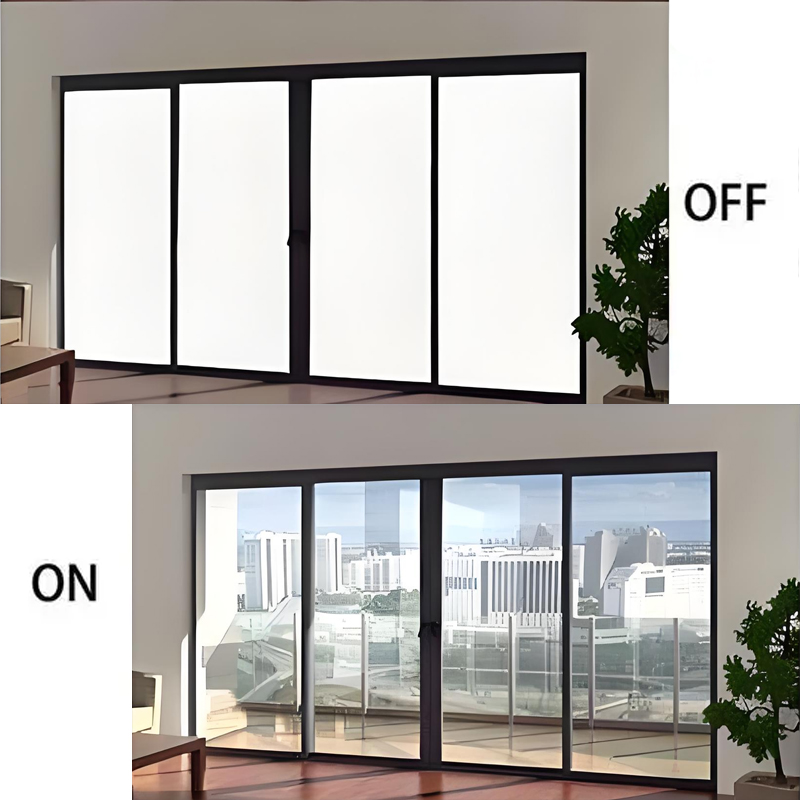
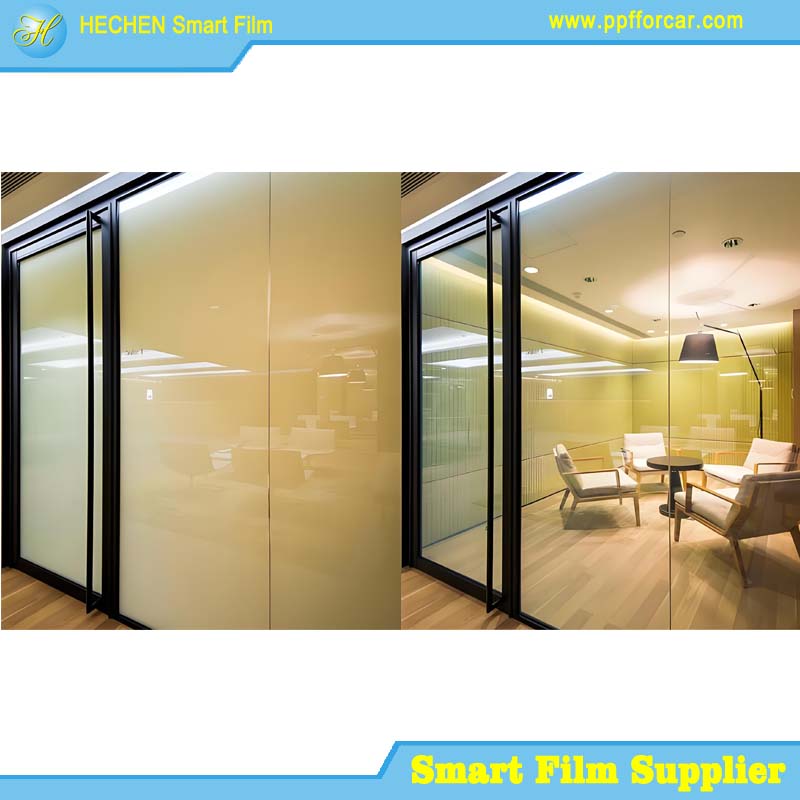
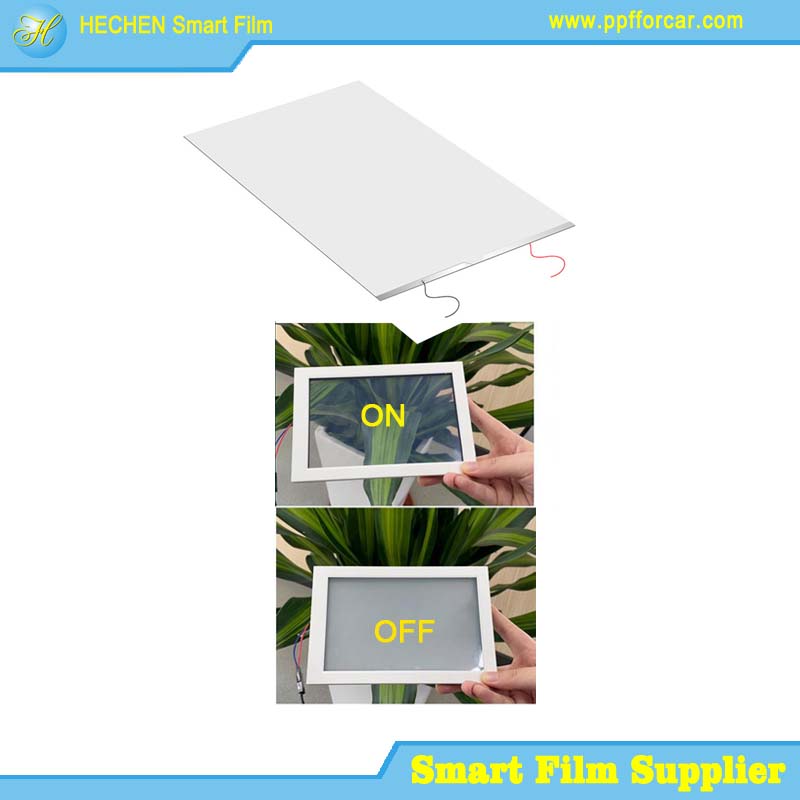
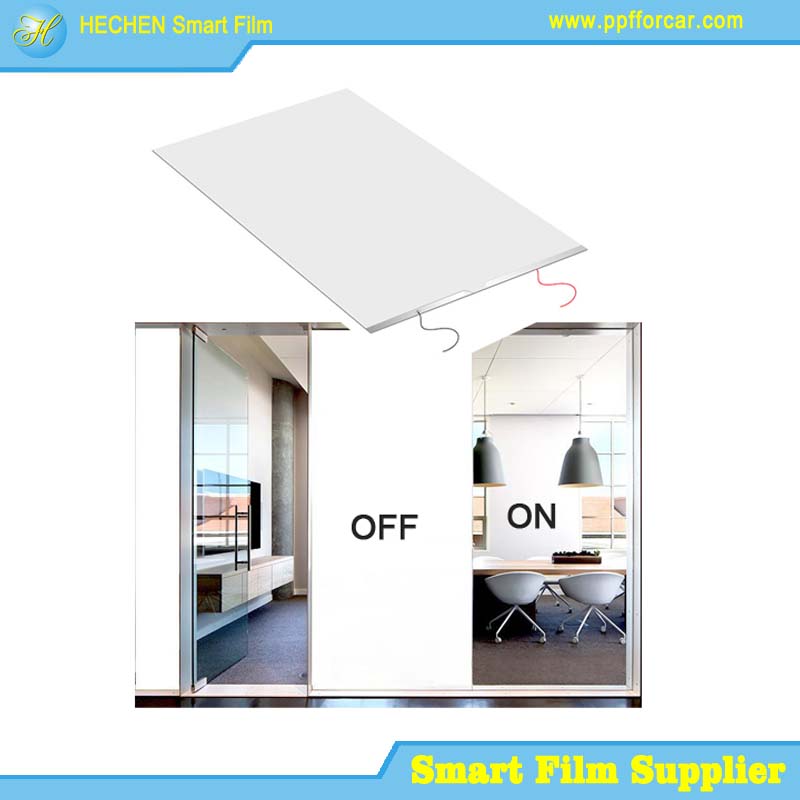
· Smart Films: Photochromic or electrochromic films adjust tint based on light or electrical input.
· Eco-Friendly Films: Sustainable materials and low-emission manufacturing align with green trends.
· Enhanced Safety Films: Thicker films with advanced shatter resistance for added security.
· Nano-Ceramic Technology: Improved heat rejection and clarity without signal interference.
· Customizable Aesthetics: Films with unique colors or patterns for personalized style.
These innovations ensure window films remain relevant and effective for future vehicles.
Practical Considerations for Using Car Window Film
To get the most out of your window film, consider these tips:
· Choose a Reputable Installer: Ensure they’re certified and offer warranties.
· Verify Compliance: Confirm the film meets local tint laws.
· Balance Cost and Quality: Premium films like ceramic offer better performance but at a higher cost.
· Plan for Maintenance: Regular cleaning and inspections prolong film life.
· Consult for Special Needs: If you have specific requirements (e.g., medical exemptions), discuss with your installer.
Conclusion
Car window film is a versatile, cost-effective way to enhance your vehicle’s comfort, safety, and style. From blocking harmful UV rays and reducing heat to adding privacy and a sleek look, these films offer a range of benefits that make them a worthy investment. By understanding the types—dyed, metalized, ceramic, carbon, and crystalline—you can choose the right film for your needs. Leading brands like 3M, Llumar, and XPEL provide high-quality options, while emerging trends like smart films and eco-friendly materials promise exciting advancements. Whether you’re a daily commuter or a car enthusiast, a well-chosen window film can transform your driving experience. Research local regulations, consult a professional installer, and take the first step toward a cooler, safer, and more stylish ride today.
For more about the car window film: enhancing comfort, safety, and style for your vehicle, you can pay a visit to Hechen PDLC Smart Film Manufacturers for more info.