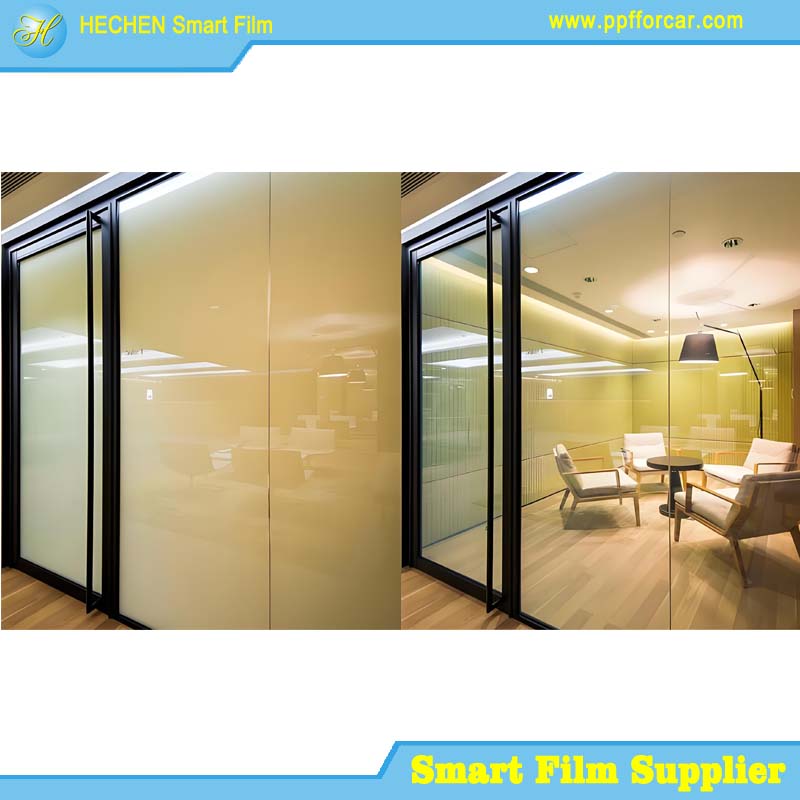
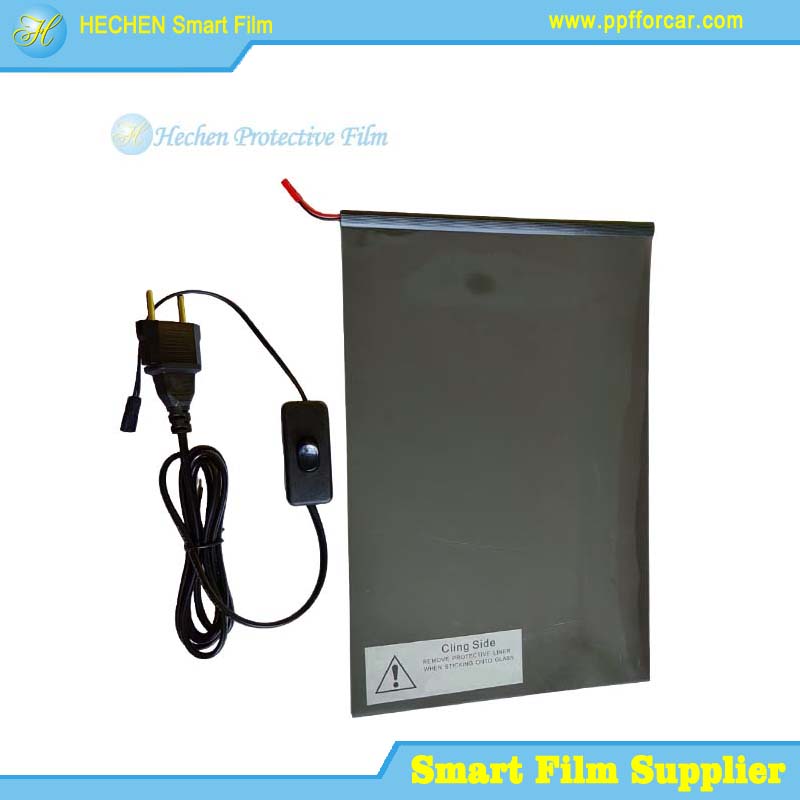
Car Film Black Technology-Removable Smart Tint Window Film
In an era where privacy, energy efficiency, and modern aesthetics converge, removable smart tint window film emerges as a revolutionary solution for transforming ordinary glass into intelligent, adaptive surfaces. This innovative technology allows users to switch between transparent and opaque states at the flick of a switch, offering on-demand privacy without the need for curtains, blinds, or permanent alterations to windows. Unlike traditional window treatments, removable smart tint film is applied directly to existing glass, making it an ideal retrofit option for homes, offices, vehicles, and commercial spaces.
The concept of smart tinting has evolved from science fiction to practical application, driven by advancements in materials science. At its core, this film uses electro-optical properties to control light transmission, blocking harmful UV rays, reducing glare, and enhancing thermal insulation. As urban living demands more versatile spaces—where open-plan designs must balance openness with seclusion—removable smart tint window film addresses these needs efficiently. This article delves into the technology, benefits, installation, applications, and future prospects of this cutting-edge product, providing a comprehensive guide for anyone considering its adoption.
With global awareness of sustainability growing, such films contribute to energy conservation by minimizing the reliance on air conditioning and artificial lighting. According to industry sources, these films can reduce solar heat gain by up to 49%, leading to significant cost savings over time. Moreover, their removability ensures flexibility, allowing users to update or relocate without damaging the underlying glass. As we explore this topic, we'll uncover why removable smart tint window film is not just a luxury but a practical investment for modern living.
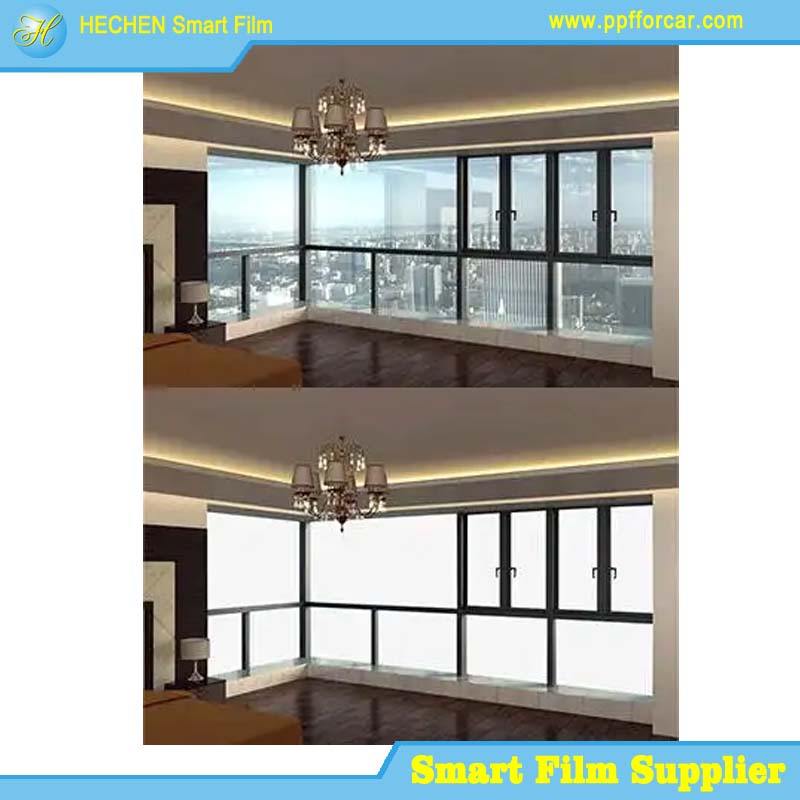
The Technology Behind Removable Smart Tint Window Film
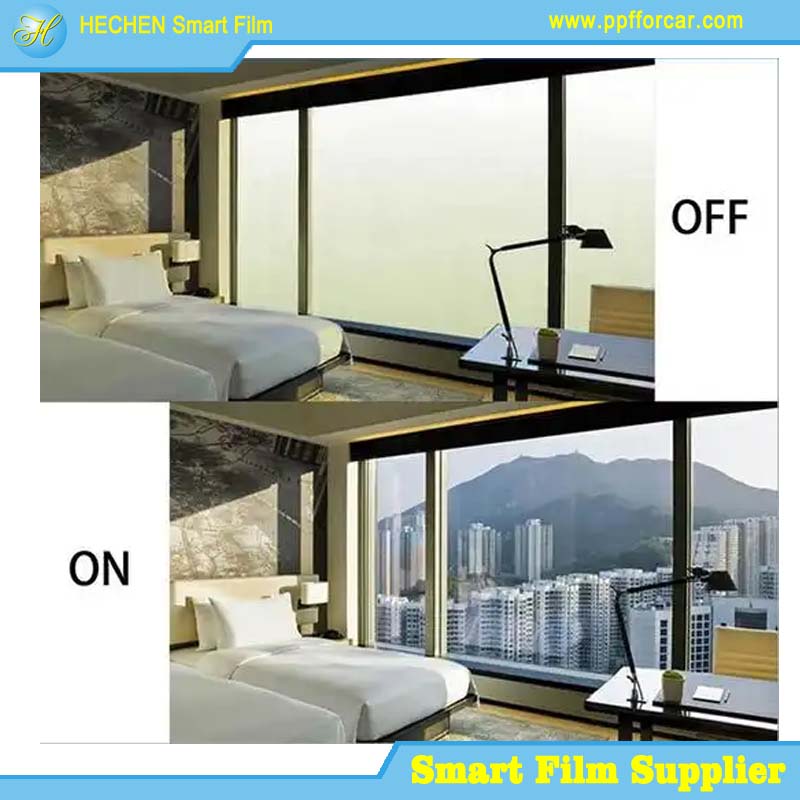
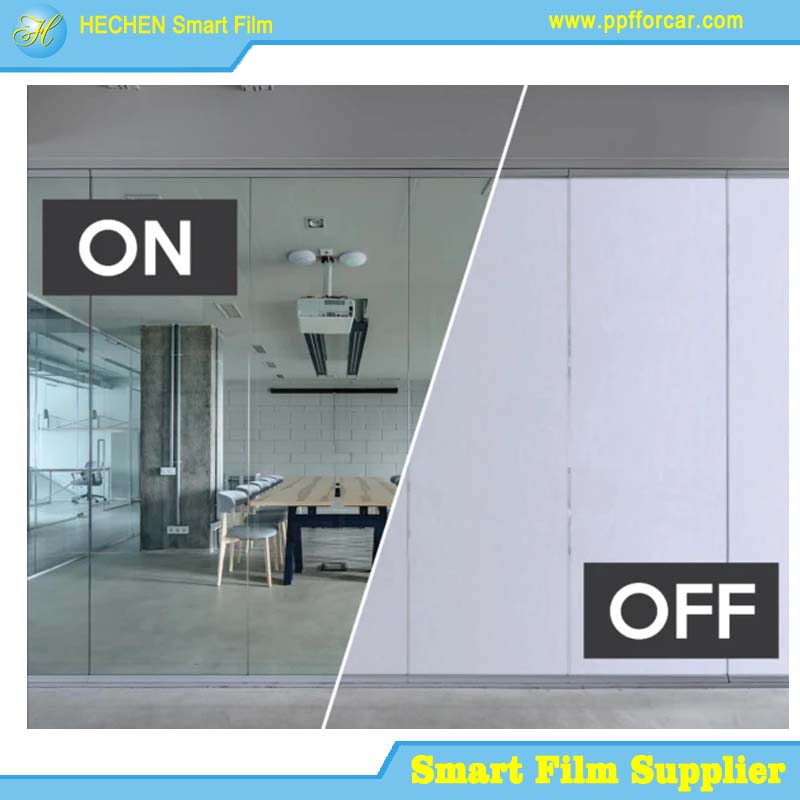
The foundation of removable smart tint window film lies in Polymer Dispersed Liquid Crystal (PDLC) technology, a sophisticated system that manipulates light through electrical stimulation. PDLC film consists of liquid crystals suspended in a polymer matrix between two transparent conductive layers. When no voltage is applied (the "off" state), the liquid crystals are randomly oriented, scattering light and rendering the film opaque or frosted. This creates instant privacy, blocking visibility while still allowing diffused light to pass through.
Upon applying a low voltage—typically between 24 to 60 volts AC—the liquid crystals align parallel to the electric field, allowing light to pass straight through and making the film transparent (the "on" state). This switch happens in milliseconds, providing seamless control. Some variants, like reverse-operating films (e.g., FlipTint®), function oppositely: clear when off and frosted when on, catering to specific user preferences.
Electrochromic technology is another variant occasionally mentioned in smart tint contexts, where ions migrate within the material to change tint levels gradually. However, PDLC dominates the removable film market due to its instant response and simplicity. These films are powered by safe, low-voltage systems compliant with electrical standards, consuming minimal energy—around 0.3 to 5 watts per square meter. Integration with smart home ecosystems, such as Alexa or Google Home, allows voice or app control, enhancing usability.
Advancements in PDLC have led to films with hard coatings for scratch resistance and UV-blocking capabilities, rejecting over 99% of harmful rays in both states. This dual functionality protects interiors from fading while maintaining natural light. Manufacturers have also developed color options beyond standard white or gray, including black and custom hues, expanding aesthetic possibilities. The film's thin profile—often less than 0.5mm—ensures it doesn't alter the glass's structural integrity, making it suitable for curved surfaces with non-adhesive variants.
Types and Variants of Smart Tint Films
Removable smart tint window films come in several types to suit diverse needs. The most common is self-adhesive PDLC film, featuring a peel-and-stick backing for easy application on flat glass. Brands like Smart Tint® offer this in widths up to 71 inches and lengths exceeding 196 feet, allowing coverage of large areas. Non-adhesive versions are ideal for contoured glass, such as automotive windows or architectural curves, secured with mechanical tapes.
Variants include standard (frosted off, clear on), reverse (clear off, frosted on), and dimmable options for gradual opacity control. Some films are sun-activated, transitioning based on light intensity without electricity, though these lack the precision of electric models. High-clarity versions, like ultra-clear films, minimize haze in the transparent state for premium applications.
Leading brands differentiate through innovations: Smart Tint® provides ETL-certified films with app integration, while ElectraTint emphasizes electrochromic elements for smoother tinting. Smart Glass Country offers classic, crystal clear, and ultra-clear PDLC films, focusing on retrofit ease. Other notable brands include Gauzy and Filmbase, known for PNLC (reverse PDLC) variants. Selecting the right type depends on factors like installation environment, desired control, and budget.
Benefits of Using Removable Smart Tint Window Film
The advantages of removable smart tint window film extend far beyond privacy. Foremost is energy efficiency: by reducing solar heat gain by up to 49%, it lowers cooling costs in summer and retains heat in winter, potentially saving 10-20% on energy bills annually. The 99% UV blockage protects furniture, flooring, and artwork from fading, extending their lifespan.
Privacy on demand is a game-changer, eliminating the need for bulky blinds that collect dust. In offices, it fosters collaboration in open spaces while allowing seclusion for meetings. For homes, it enhances security by obscuring views from outside without sacrificing natural light. Glare reduction improves comfort for screen-based work, reducing eye strain.
Aesthetically, the film maintains a sleek, modern look, turning glass into multifunctional surfaces—like projection screens for presentations or movies. Its low maintenance—no cleaning of slats or fabrics—and compatibility with smart homes add convenience. Environmentally, the low power consumption and recyclability make it a green choice.
Installation and Removal Process
Installing removable smart tint window film is straightforward, especially for self-adhesive types. Begin by cleaning the glass thoroughly to remove dust and oils. Measure and cut the film to fit, leaving a small margin. Peel the backing and apply from one edge, using a squeegee to eliminate bubbles. Connect bus bars to a transformer (one per 100 sq ft) and wire to a control system. DIY kits include tools, but professionals ensure seamless results for larger projects.
Removal is equally simple: gently peel from a corner, applying heat if needed to loosen adhesive. Quality films leave no residue, preserving the glass. This reversibility is a key selling point, allowing tenants or homeowners to adapt without commitment.
Applications Across Various Sectors
Removable smart tint film finds versatile applications. In residential settings, it's used on bathroom windows, bedroom partitions, or skylights for privacy without darkening rooms. Offices benefit from conference rooms that switch to private mode, promoting flexible workspaces.
Commercial uses include retail storefronts for dynamic displays and hospitals for HIPAA-compliant patient privacy. Automotive applications tint car windows on demand, while yachts and museums use it for UV protection. In education, it creates interactive whiteboards or adaptive classrooms.
Pros and Cons: A Balanced View
Pros include instant privacy, energy savings, UV protection, and easy retrofit. It's durable, with warranties up to 10 years, and enhances property value.
Cons: High upfront costs ($29-75/sq ft for film, plus installation). Installation requires skill to avoid bubbles or wiring issues. It needs electricity, potentially adding minor costs, and may not suit extreme temperatures. Lower-quality films can haze over time.
Cost Analysis and Leading Brands
Costs vary: film alone ranges from $29-75/sq ft, with full systems (including transformers at $175 each) totaling $50-100/sq ft installed. Factors include size, type, and professional labor.
Top brands: Smart Tint® for USA-made reliability. Smart Film® for app-integrated solutions. ElectraTint for cost-effective electrochromic options. Others like 3M and XPEL offer traditional tints but lag in switchability.
Maintenance, Durability, and Future Trends
Maintenance involves occasional wiping with non-abrasive cleaners. Durability spans 10-20 years with proper care, resisting scratches via hard coatings.
Future trends point to IoT integration, solar-powered variants, and affordable nanomaterials. As smart cities rise, these films will play a role in sustainable architecture.
Conclusion
Removable smart tint window film represents a blend of innovation and practicality, offering customizable privacy, energy benefits, and versatility. Whether upgrading a home or office, its ease of use and removability make it a forward-thinking choice. As technology advances, expect wider adoption, making intelligent glass a standard in everyday life.
For more about the car film black technology-removable smart tint window film, you can pay a visit to Hechen PDLC Smart Film Manufacturers for more info.