Car protective film - a new technology to protect your beloved car
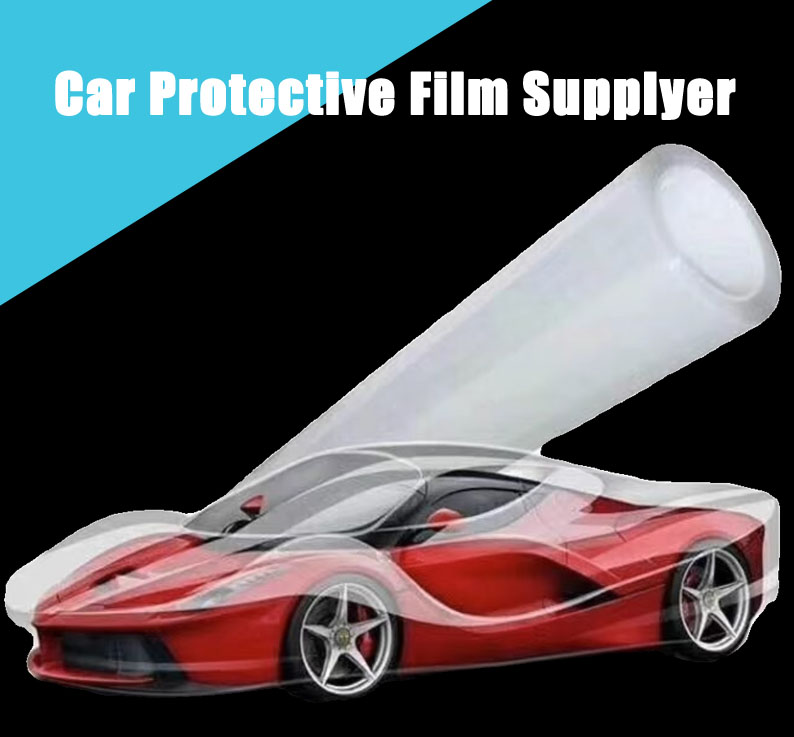
In the world of cars, car protective film has become an indispensable part, like the invisible shield of the car, silently guarding the appearance of the car.
The Development History of Automotive Protective Film
Sprout stage
The origin of car protective film can be traced back to the mid-20th century, when the number of cars gradually increased and people began to pay attention to the protection of car paint surfaces. The initial protective film was just a simple plastic film, which, although able to prevent dust and minor scratches to a certain extent, had significant deficiencies in durability and transparency. Moreover, its adhesion is poor and it is prone to warping at the corners, which affects its appearance and protective effect.
Initial development stage
With the development of the chemical industry, polyvinyl chloride (PVC) material has begun to be applied in the field of automotive protective films. PVC protective film has made significant improvements compared to early plastic films. It has better flexibility and adhesion, and can better cover the surface of cars. At the same time, its scratch resistance has also been improved, which can resist the damage caused by some daily minor collisions and friction to the car paint. However, PVC material also has some problems, such as yellowing and hardening after long-term use, and the possibility of residual glue on the car paint when torn off, causing damage to the car paint.
Technological Innovation Stage
In the 21st century, polyurethane (PU) material for automotive protective films has gradually emerged. PU protective film has excellent wear resistance, weather resistance, and corrosion resistance. Its self-healing function is a major highlight. When the surface of the protective film is slightly scratched, the scratches can automatically heal under certain temperature conditions, which allows the car paint surface to maintain a brand new state for a long time. In addition, this material has greatly improved transparency and almost does not affect the original color of the car, truly achieving invisible protection.
Function expansion stage
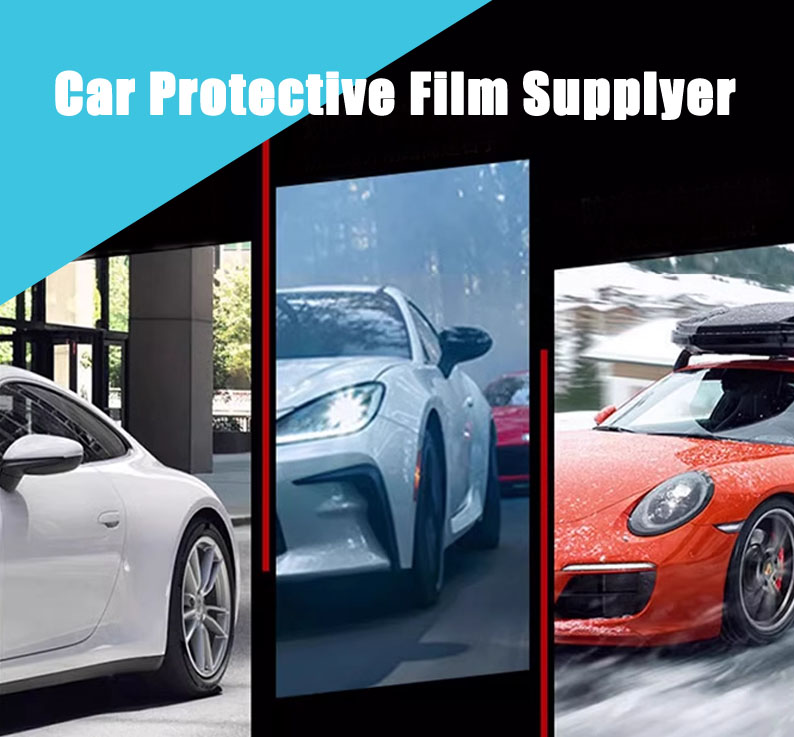
In recent years, car protective films are no longer limited to simple physical protection. Functional protective films have emerged, such as those with UV protection function, which can effectively block UV damage to car paint, prevent paint fading and aging. Some protective films have added antioxidant components to further extend the service life of the car paint. At the same time, there are also more choices in exterior design, such as matte, glossy, carbon fiber texture and other protective films with different effects, meeting the personalized needs of car owners.
The future trend of car protective film
Intelligent development
The rapid development of technology will lead to the intelligentization of automotive protective films. Future protective films may have built-in sensors that can monitor the environmental conditions of the car surface in real time, such as temperature, humidity, acidity, etc. When factors that may cause damage to the car paint are detected, the protective film can automatically adjust its protective performance. For example, when encountering high temperatures, the protective film can activate the heat dissipation mechanism to prevent damage to the car paint due to high temperatures; When acidic substances such as acid rain are detected, the protective film can release neutralizing components to prevent paint corrosion.
Environmental Protection and Sustainable Development
With the increasing global emphasis on environmental protection, environmentally friendly car protective films will become mainstream. Manufacturers will be committed to developing biodegradable and pollution-free protective film materials to reduce their impact on the environment. These environmentally friendly materials should not only be friendly to cars and the environment during use, but also naturally decompose during waste disposal, without producing a large amount of difficult to dispose of garbage.
Integration and fusion with automotive design
Future car protective films will be more closely integrated with car styling design. Automobile manufacturers may collaborate with protective film manufacturers to consider the application of protective films during the automotive design phase. The protective film will no longer be an accessory to the car, but will become a part of the overall design of the car. For example, through special design and manufacturing processes, the protective film can perfectly match the lines and surfaces of the car, and even an integrated protective film with unique patterns and functions can be customized according to different car models.
Adapt to the needs of autonomous vehicle
The development of autonomous vehicle has put forward new requirements for automotive protective films. Since autonomous vehicle are equipped with a large number of sensors, the protective film needs to provide protection without affecting the normal operation of the sensors. This means that the material and design of the protective film need to be improved accordingly, such as using materials that do not interfere with sensor signals, or reserving sensor windows on the protective film to ensure the reliability and safety of the auto drive system.
In short, automotive protective films have evolved from simple protective tools to multifunctional products today, and will continue to develop towards greater intelligence, environmental friendliness, integration with automotive design, and adaptation to the needs of autonomous driving in the future. It will continue to play an important role in protecting the appearance of cars and enhancing their value, providing car owners with a better user experience.