Comprehensive Survey Note on Installing Smart Film on Windows
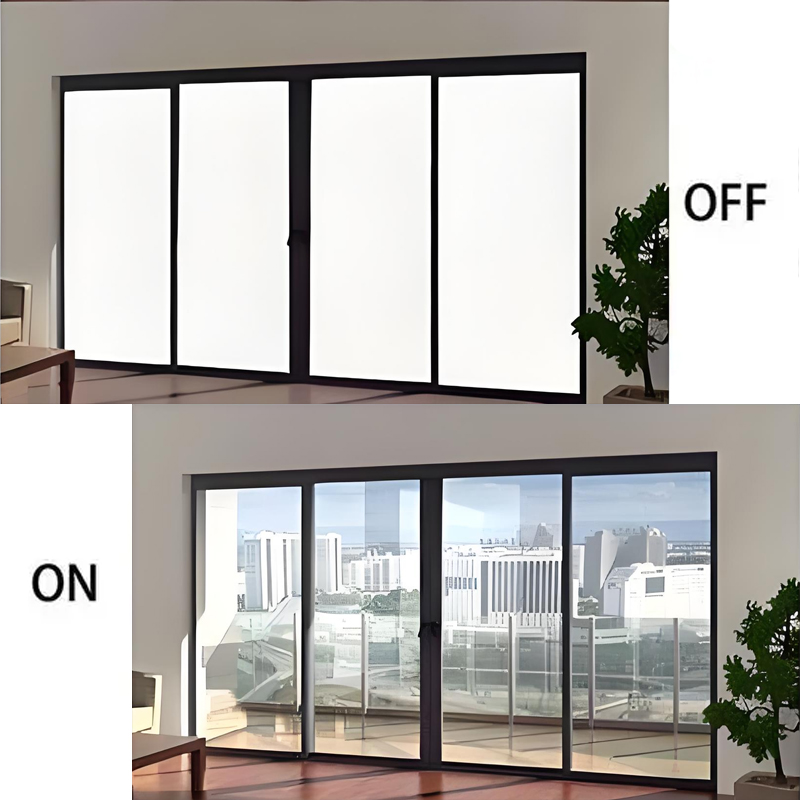
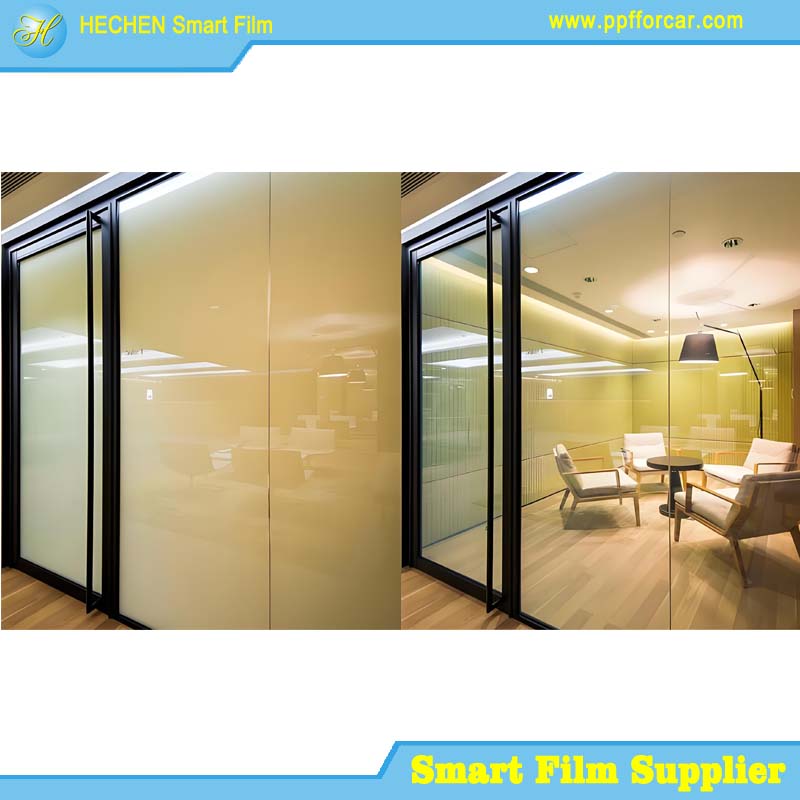
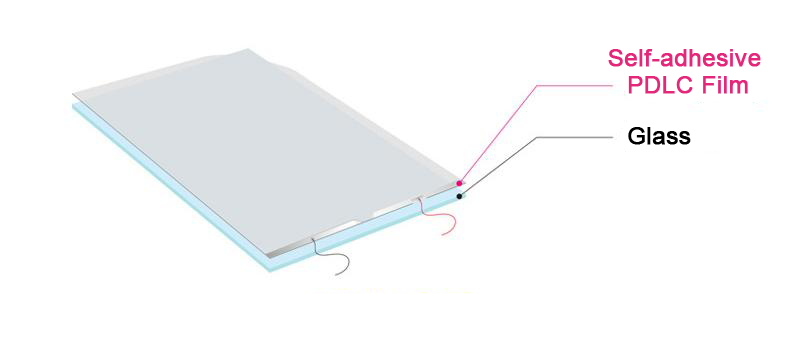
Smart film, also known as switchable or privacy film, is a thin, adhesive layer applied to glass surfaces that uses advanced liquid crystal technology to toggle between clear and opaque states, offering privacy on demand while maintaining natural light. This technology is increasingly popular in homes, offices, and commercial spaces for its versatility and modern aesthetic.
Background and Context
Smart film is typically self-adhesive and can be retrofitted onto existing glass, making it a cost-effective alternative to replacing windows with smart glass. It provides benefits such as UV protection, heat rejection, and enhanced security, making it suitable for various applications, including residential bathrooms, office partitions, and conference rooms.
Preparation Phase
The preparation phase is critical, with research indicating that 80% of installation mistakes stem from improper preparation, particularly unclean glass. Begin by measuring the visible glass area to determine the film size, ensuring it is slightly smaller (about 1/8 inch to 2–3 mm) than the glass to avoid contact with the frame, which could cause electrical issues. Cleaning the glass is paramount; use glass cleaner, isopropyl alcohol, and microfiber towels to remove all dirt, dust, and grease. Ensure the environment is clean to prevent air bubbles during application. Tools required include a window scraper, nitrile gloves, and optionally, liquid glass polish for a flawless surface.
Preparation Steps:
Measure Glass Area:Ensure film is 1/8″–3mm smaller than glass to avoid frame contact.
Clean Glass:Use glass cleaner, isopropyl alcohol, and microfiber towels; ensure dry.
Prepare Environment:Work in a clean area to prevent dust and bubbles.
Gather Tools:Window scraper, nitrile gloves, squeegee, etc.
Handling and Testing the Film
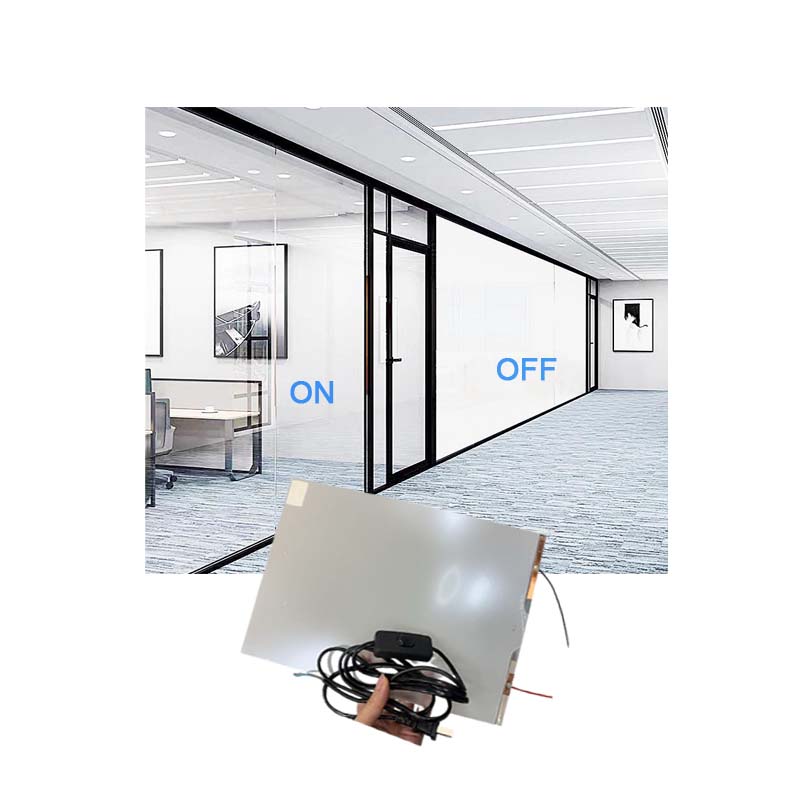
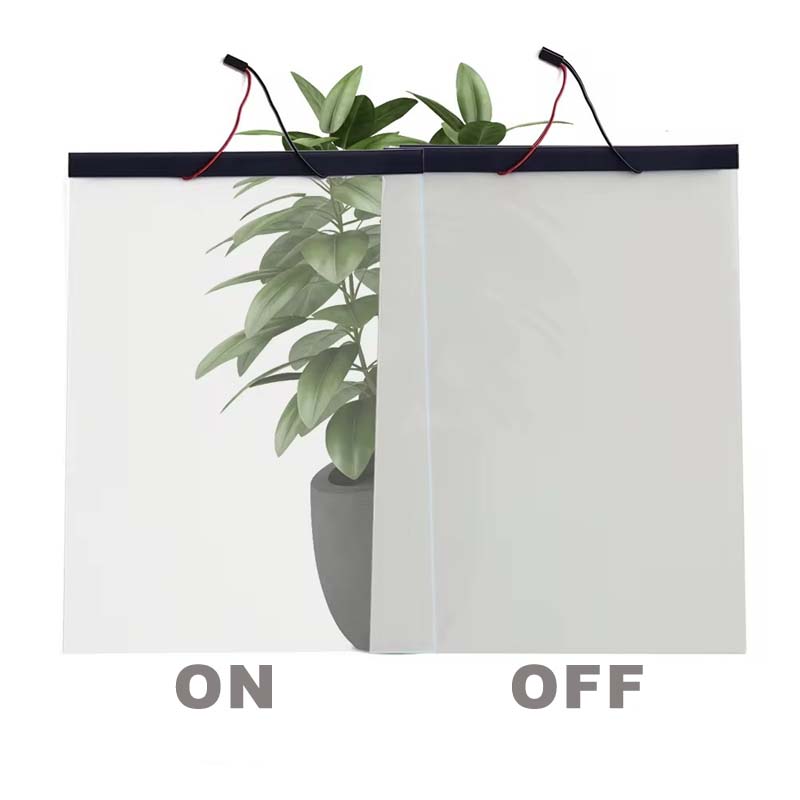
Smart film must be handled with care to prevent damage. Keep it flat and straight, avoiding folds or bends, as these can severely impair functionality. Wear nitrile gloves to prevent oil transfer, which could affect adhesion. Before installation, test the film to ensure it transitions smoothly between transparent and frosted modes, addressing any damage or defects early. This step is particularly useful for ensuring the film meets expectations and can be a quick check using the provided controller or transformer.
Application Process
The application involves applying the film to the glass, a process that requires precision to avoid air bubbles and ensure a seamless finish. Start by removing 20–30mm of the protective liner from the adhesive side, aligning the film with the glass, and applying it gradually. Use a squeegee or vinyl scraper to smooth out the film, working section by section to prevent air bubbles. If the film is too large, trim it using professional tailor’s scissors or a cutting machine for best results, though scissors can be used with care. For windows with hardware like door handles, make cutouts using a sharp knife for a precise fit.
Application Steps:
Remove Liner Partially:Peel 20–30mm of protective layer, align with glass.
Apply Film:Smooth with squeegee, section by section, to remove bubbles.
Trim if Necessary:Use professional scissors or cutting machine; avoid folds.
Make Cutouts:Use sharp knife for hardware like door handles.
Wiring and Electrical Connections
Smart film requires electrical wiring to function, typically operating at 48VAC-55VAC and 50Hz. Connect the wires to the film’s copper connectors by soldering, ensuring all connections are insulated to prevent shock or fire risks. The electrical contact strip and leads must never touch metal frames or surrounding objects, and finished trim should be non-conductive. Follow the wiring connection diagram provided by the manufacturer for a neat and discreet look, and test the connections before finalizing. A single transformer can operate multiple films, covering up to 70 square feet, depending on size.
Finalizing and Sealing
After applying the film, remove the remaining protective liner by lifting the corners and peeling slowly at an angle to avoid damaging the film. This step is crucial for longevity, especially in humid environments. Connect the controller or remote, pair it with the transformer, and test the film to ensure it switches states correctly. For maintenance, clean the film with spray alcohol or a wet dust-free paper, avoiding water or chemicals on the edges.
Finalizing Steps:
Remove Liner:Lift corners, peel slowly at an angle post-installation.
Seal Edges:Use silicone or glue tape to prevent delamination.
Wire and Test:Connect controller, test for functionality.
Clean and Maintain:Use alcohol or dust-free cloth; avoid water on edges.
Considerations and Best Practices
Common pitfalls include improper cleaning, which can lead to bubbles, and mishandling the film, which can cause permanent damage. Ensure the power supply matches the film’s requirements to avoid warranty issues, as high voltage is not covered.
Conclusion
Installing smart film on windows is a feasible DIY project with proper preparation and attention to detail, offering significant benefits for privacy and energy efficiency. By following the outlined steps and leveraging manufacturer resources, users can achieve a professional finish, transforming ordinary glass into a smart, switchable surface. For complex installations, professional help is advisable to ensure safety and functionality.
For more about the Note on Installing Smart Film on Windows,you can pay a visit to Window Film - Hechen Protective Film for more info.