Dimming Glass: Revolutionizing Light and Privacy in Modern Design
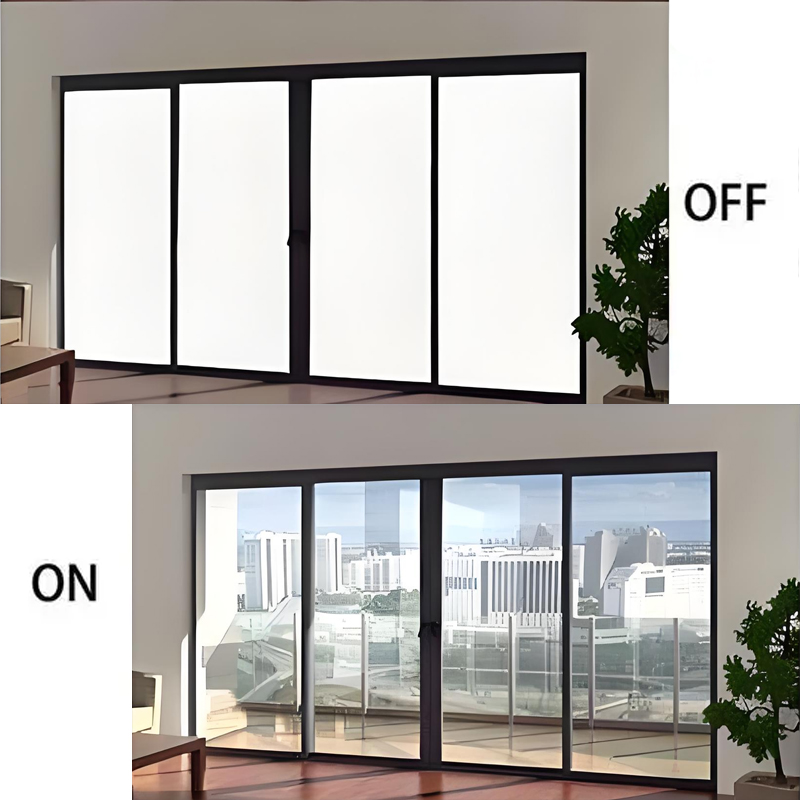
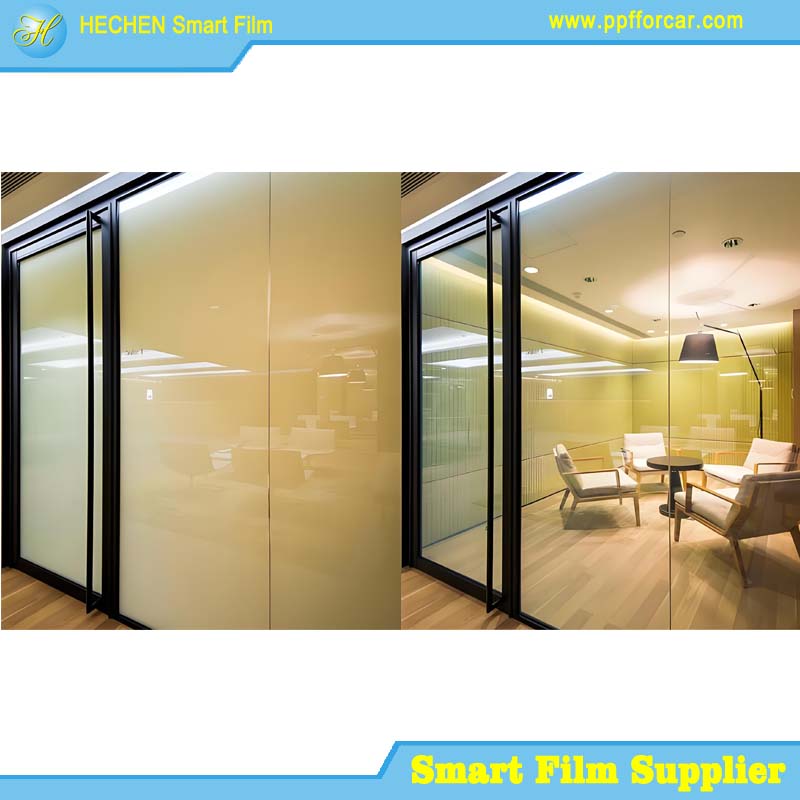
Dimming glass, often referred to as smart glass or switchable glass, is an innovative material that has transformed the way we interact with our environments. This advanced technology allows glass to shift between transparent and opaque states, offering dynamic control over light and privacy at the touch of a button or through automated systems. As the demand grows for solutions that combine functionality with aesthetics, dimming glass has become a cornerstone in modern architecture, automotive design, and various other industries.This article provides an in-depth look at dimming glass, starting with the science that powers it, including key technologies like electrochromic and polymer dispersed liquid crystal (PDLC) systems. We will explore its wide-ranging applications, from office buildings to luxury vehicles, and highlight its benefits, such as energy savings and enhanced privacy. Additionally, we will address the challenges that limit its adoption and speculate on its future as advancements continue to unfold.
1. The Technology Behind Dimming Glass
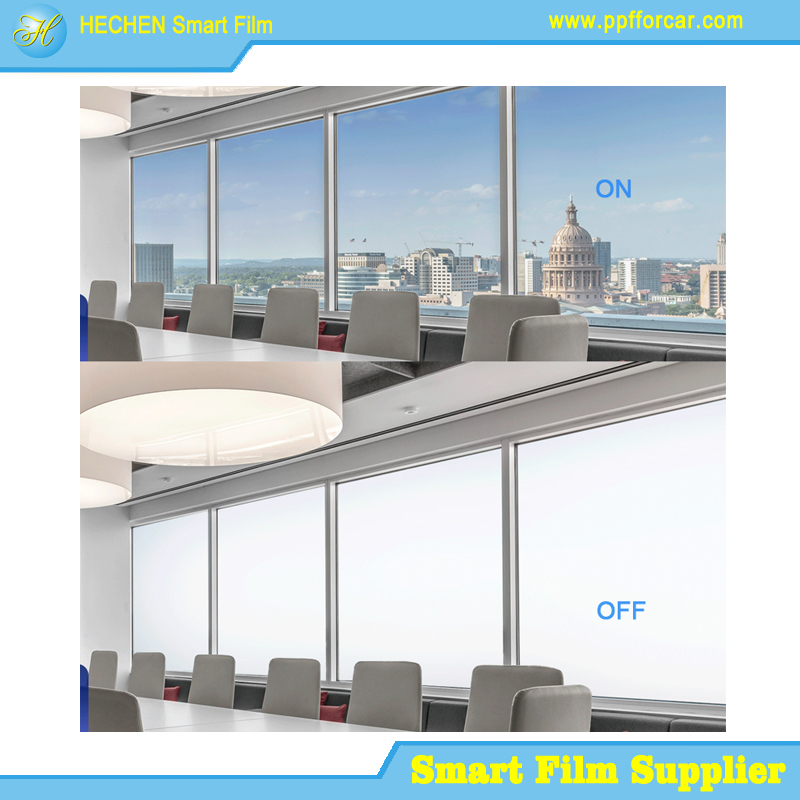
Dimming glass owes its remarkable capabilities to cutting-edge technologies that manipulate light transmission. Several distinct types exist, each with unique mechanisms suited to specific needs.
1.1 Electrochromic Glass
Electrochromic glass relies on a phenomenon called electrochromism, where materials change color when an electric current is applied. Typically, this glass features a thin coating of electrochromic material, such as tungsten oxide, sandwiched between layers. When voltage is introduced, ions move within the coating, causing it to darken and block light. Reversing the voltage clears the glass, restoring transparency. This gradual dimming process allows for precise control, making electrochromic glass ideal for applications like building windows or car sunroofs, where users may want adjustable light levels rather than an instant switch.
1.2 Polymer Dispersed Liquid Crystal (PDLC) Glass
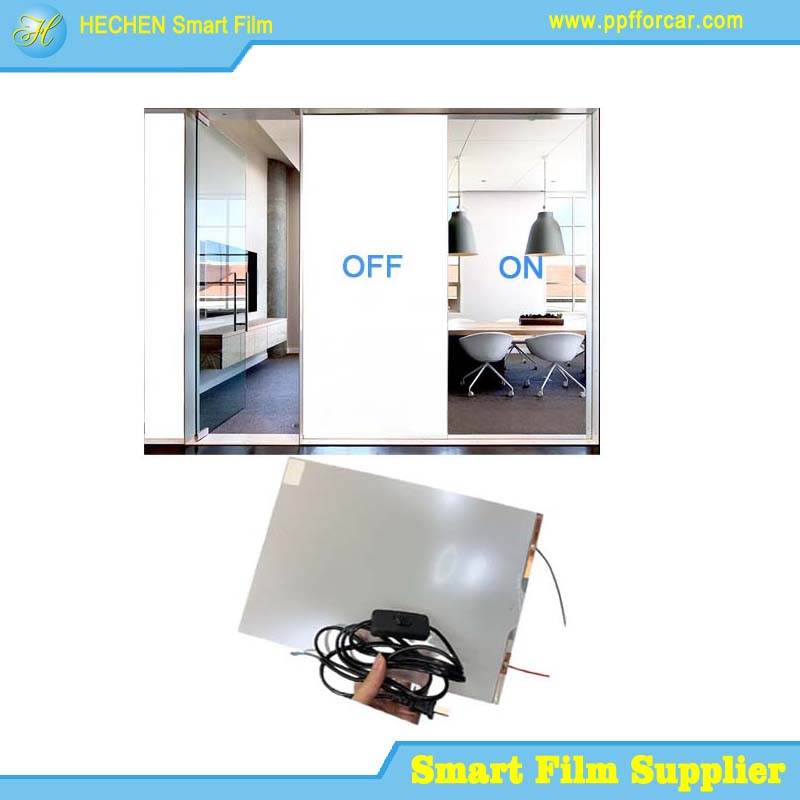
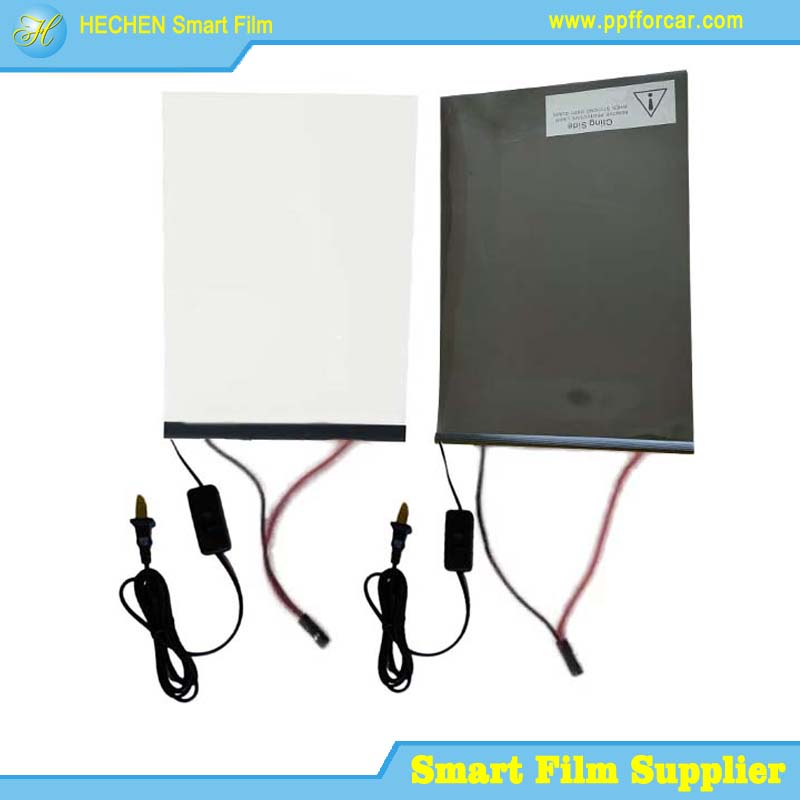
PDLC glass operates using liquid crystals embedded in a polymer matrix. In its default state, these crystals are randomly aligned, scattering light and rendering the glass opaque. When an electric current is applied, the crystals align uniformly, allowing light to pass through and making the glass transparent. This transition happens almost instantly—often within milliseconds—making PDLC glass perfect for scenarios requiring rapid privacy, such as office partitions or residential bathroom windows. Unlike electrochromic glass, PDLC typically offers only two states: fully transparent or fully opaque.
1.3 Other Variants
Beyond these primary types, other dimming glass technologies offer additional possibilities:
· Suspended Particle Device (SPD) Glass: This system uses microscopic rod-like particles suspended in a liquid. When voltage aligns the particles, light passes through; without voltage, the particles scatter light, turning the glass opaque. SPD glass provides faster switching than electrochromic glass and variable tint levels, popular in automotive and aviation applications.
· Thermochromic Glass: This passive technology adjusts opacity based on temperature rather than electricity. As heat increases, the glass darkens to reduce solar gain, though its lack of user control limits its use compared to active systems.
Each type of dimming glass brings distinct advantages, influencing its suitability for different purposes, from energy-focused building designs to privacy-driven interior spaces.
2. Applications of Dimming Glass
The versatility of dimming glass has led to its adoption across multiple sectors, reshaping how we design and use spaces.
2.1 Architecture and Interior Design
In architecture, dimming glass is a game-changer for windows, skylights, doors, and partitions. Commercial buildings use it to create adaptable workspaces—for instance, conference rooms can switch from open to private in seconds, fostering flexibility without permanent walls. In homes, it’s popular in bathrooms and bedrooms, offering privacy while maintaining access to natural light. High-profile examples include The Edge in New York City, where dimming glass enhances the observation deck experience by controlling sunlight without obstructing views. Its sleek appearance also eliminates the need for blinds or curtains, aligning with minimalist design trends.
2.2 Automotive Industry
Carmakers have embraced dimming glass to enhance vehicle comfort and efficiency. Luxury brands like Mercedes-Benz and Tesla incorporate it into sunroofs and windows, allowing drivers to reduce glare and heat without mechanical shades. In electric vehicles, this technology can lower interior temperatures, reducing reliance on air conditioning and extending battery range. Some futuristic designs even feature entire glass roofs that dim on command, offering a customizable driving experience.
2.3 Other Sectors
Dimming glass extends beyond buildings and cars into diverse fields:
· Healthcare: Hospitals use it for patient rooms and surgical suites, providing privacy without the hygiene concerns of curtains, as glass is easier to sanitize.
· Retail: Storefronts leverage dimming glass for dynamic displays, switching from transparent to opaque to highlight products or create eye-catching effects.
· Aviation: Aircraft like the Boeing 787 Dreamliner use electrochromic windows, letting passengers adjust light levels without physical shades, reducing weight and maintenance.
These applications showcase dimming glass as a multifaceted solution, meeting needs from practicality to luxury.
3. Benefits of Dimming Glass
The appeal of dimming glass lies in its array of advantages, making it a compelling choice for modern design.
3.1 Privacy on Demand
One of its standout features is instant privacy. Whether in an office, home, or hospital, users can switch the glass to opaque, eliminating the need for additional coverings. This flexibility is invaluable in spaces requiring both openness and seclusion at different times.
3.2 Energy Efficiency
Dimming glass helps regulate indoor temperatures by controlling solar heat gain. In hot climates, it reduces the need for air conditioning, while in colder settings, it can maximize natural light to cut lighting costs. Research from the U.S. Department of Energy suggests that electrochromic windows can save up to 20% on energy bills compared to standard glass, a significant boon for sustainability-focused projects.
3.3 UV Protection
By blocking up to 99% of ultraviolet rays, dimming glass safeguards interiors from fading and protects occupants from UV-related health risks. This is especially useful in homes, galleries, or stores with sun-sensitive items.
3.4 Aesthetic and Functional Versatility
Dimming glass enhances design with its clean, modern look, free of cumbersome window treatments. When opaque, it can double as a projection surface or display, adding interactivity to spaces like retail shops or meeting rooms.
3.5 Security Enhancement
In its opaque state, dimming glass obscures visibility into sensitive areas, boosting security in places like banks or research labs without sacrificing style or natural light when transparent.
4. Challenges and Limitations
Despite its promise, dimming glass faces hurdles that must be overcome for broader acceptance.
4.1 High Cost
The price tag is a major drawback. Dimming glass ranges from $50 to $150 per square foot, far exceeding traditional glass, with added costs for installation and wiring. This confines it largely to premium projects, though costs may drop as production scales.
4.2 Power Dependency
Most dimming glass requires electricity to function, often needing constant power to stay transparent (e.g., PDLC glass reverts to opaque when off). Power outages can disrupt its utility, and wiring demands complicate retrofits or remote installations.
4.3 Durability Concerns
Long-term performance can falter under heavy use or harsh conditions. Electrochromic coatings may degrade after thousands of cycles, and PDLC films can yellow or peel if exposed to extreme heat or moisture, necessitating maintenance or replacement.
4.4 Awareness Gap
Many architects, builders, and consumers remain unfamiliar with dimming glass, sticking to conventional options due to habit or cost. Greater education and outreach are needed to showcase its value and encourage adoption.
5. The Future of Dimming Glass
The trajectory of dimming glass is bright, with innovations addressing current limitations and expanding its reach.
5.1 Cost Reduction
Manufacturers are refining production—such as using roll-to-roll techniques for PDLC films—to lower costs. As demand grows and competition intensifies, prices should become more competitive, broadening access.
5.2 Performance Improvements
Research is enhancing switching speeds, energy efficiency, and durability. New electrochromic materials promise faster transitions, while low-power PDLC variants could reduce operational costs, making the technology more practical.
5.3 Smart Integration
Dimming glass is increasingly paired with smart systems, controllable via apps, voice commands, or sensors. In offices, it might adjust automatically based on sunlight, optimizing comfort and energy use—a trend aligning with the rise of IoT and smart buildings.
5.4 Passive and Self-Sustaining Options
Passive technologies like photochromic glass (light-responsive) or thermochromic glass (heat-responsive) could eliminate power needs, while solar-powered dimming glass, with built-in photovoltaic cells, offers a sustainable twist.
5.5 Green Building Impact
As sustainability gains traction, dimming glass aligns with eco-friendly goals, supporting net-zero energy buildings and certifications like LEED. It could become a staple in future urban planning, enhancing efficiency and livability.
Conclusion
Dimming glass stands at the intersection of technology and design, offering a transformative approach to managing light and privacy. Its applications span industries, delivering benefits from energy savings to sleek aesthetics, though challenges like cost and power needs persist. As research drives improvements, dimming glass is poised to become more affordable, efficient, and integrated into everyday life. From towering skyscrapers to smart homes, this remarkable material is redefining our spaces, promising a future where adaptability and sustainability go hand in hand.
For more about the dimming glass: revolutionizing light and privacy in modern design, you can pay a visit to Hechen PDLC Smart Film Manufacturers for more info.