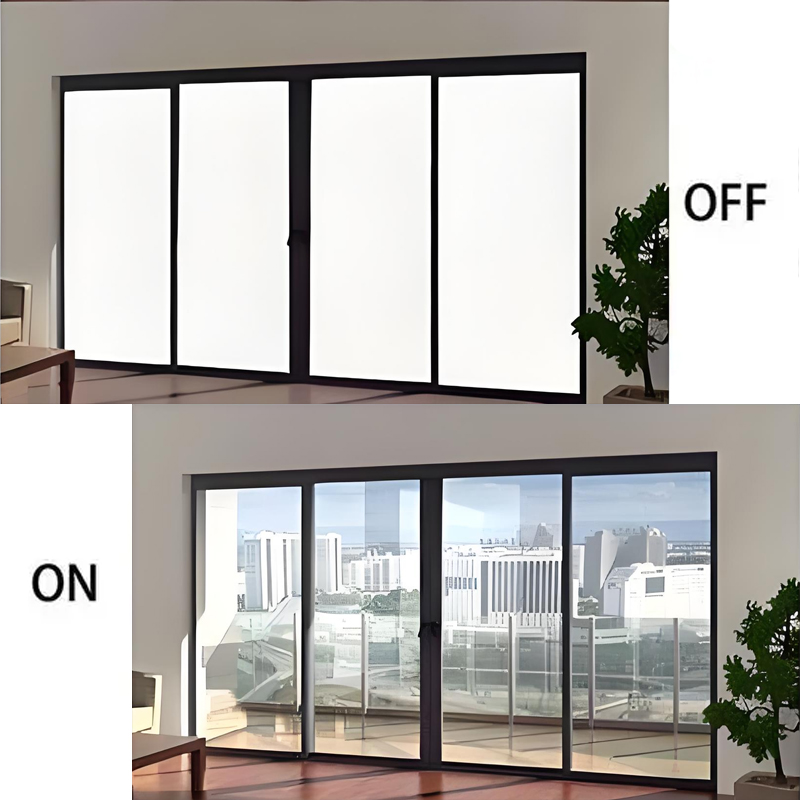
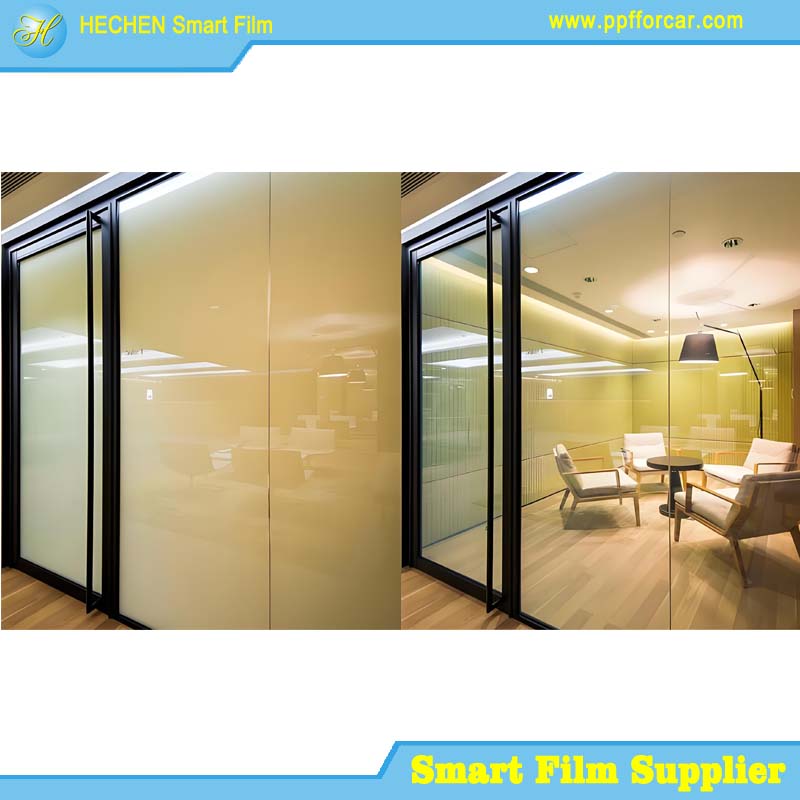
Does smart privacy film work on windows?
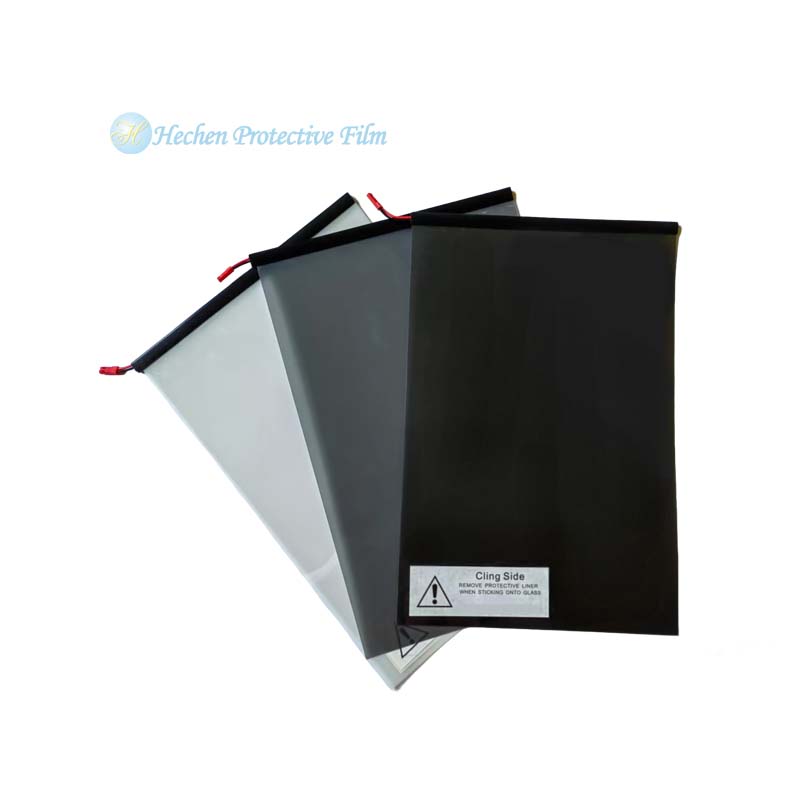
Smart privacy film, also known as switchable film or smart tint, is a thin, adhesive layer applied to glass surfaces that uses Polymer Dispersed Liquid Crystal (PDLC) technology to toggle between clear and opaque states, offering privacy on demand while maintaining natural light. This technology is increasingly popular in residential, commercial, and institutional settings for its versatility and modern aesthetic.
Background and Context
Smart privacy film is typically self-adhesive and can be retrofitted onto existing windows, making it a cost-effective alternative to replacing glass with smart glass. It provides benefits such as UV protection, heat rejection, and enhanced security, making it suitable for various applications, including residential bathrooms, office partitions, and conference rooms. The film’s ability to switch states with the flip of a switch or a smartphone app has made it a dynamic solution for privacy needs, particularly in urban environments where close proximity to neighbors or passersby is common.
Technological Foundation
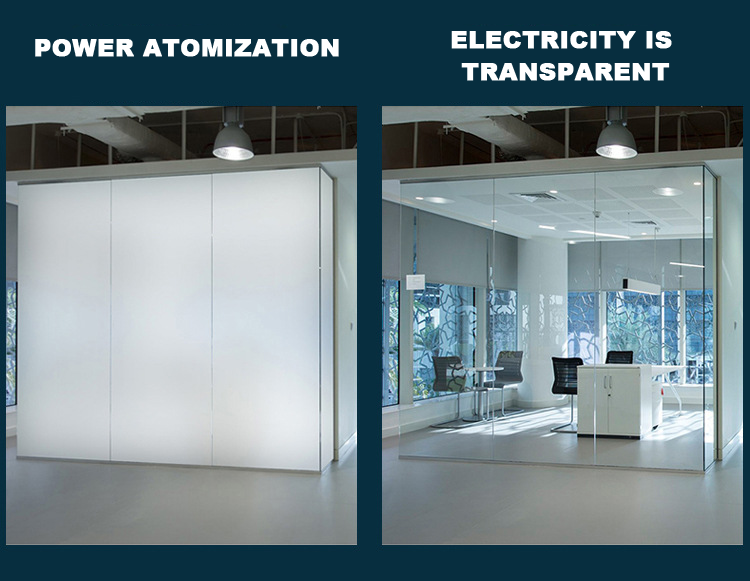
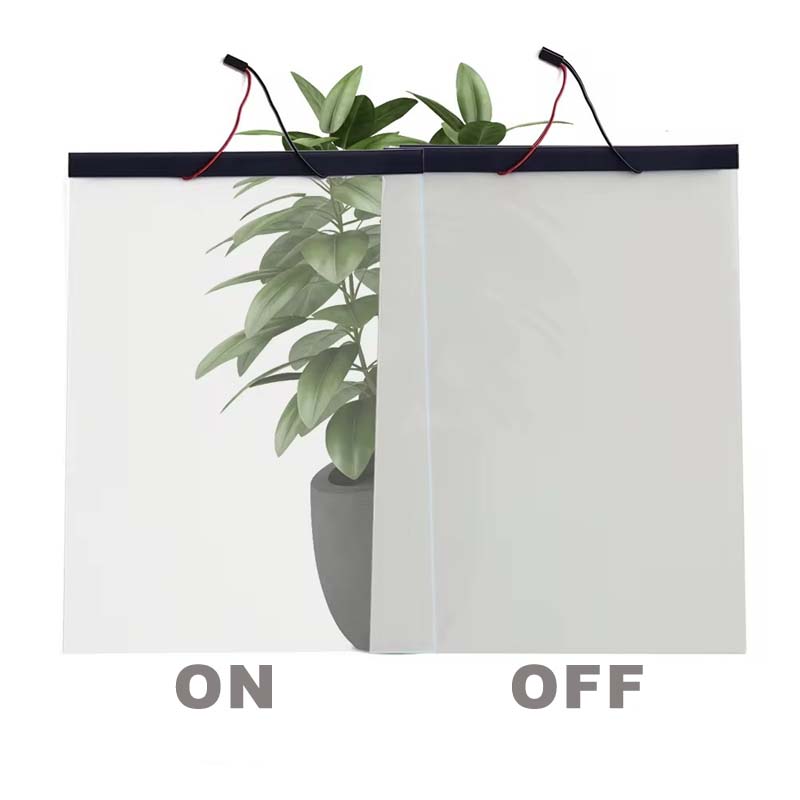
Smart privacy film operates on PDLC technology, which involves microscopic liquid crystals embedded within the film. When an electric current is applied, the liquid crystals align in a uniform pattern, allowing light to pass through and making the film transparent, similar to a regular window. When powered off, the crystals scatter, causing the film to become frosted and opaque, effectively blocking the view and providing privacy. This process is instantaneous, with sources like Smart Glass Tech noting that in the opaque state, 97% of light is blocked, and in the clear state, it allows approximately 85% total light transmission.
The technology is low-voltage, consuming only 0.7 watts per square foot, making it energy-efficient and safe for residential use. It also minimizes heat transfer, adding insulation value to glass surfaces and helping maintain stable interior temperature.
Effectiveness for Privacy
Smart privacy film is highly effective for privacy, particularly during daylight hours. In the opaque state, it obscures views, making it difficult to see through, and is trusted by institutions such as schools, government offices, and the military for its security features. Smart film provides 100% privacy in opaque mode, though it notes that light sources and shadows may be visible at night, similar to traditional blinds or curtains. This limitation is important for users seeking complete blackout, especially in bedrooms or at night, where additional measures like curtains might be necessary.
The film also enhances security by adding a tough 0.4mm thick layer of protection, making it harder for intruders to break in. This dual functionality of privacy and security makes it appealing for both residential and commercial applications.
Installation and Maintenance
Installation is often presented as DIY-friendly, with sources like Smart Film offering peel-and-stick self-adhesive technology. The process involves cleaning the glass, peeling the protective liner, and smoothing the film onto the surface, similar to applying a screen protector. However, for larger projects, professional installation is advised, especially for electrical connections, which involve soldering wires to the film’s connectors and ensuring they don’t touch metal frames. Maintenance is straightforward, with recommendations to clean the film with spray alcohol or a dust-free cloth, avoiding water or chemicals on the edges to prevent delamination.
Installation Steps:
Prepare Glass:Clean thoroughly with glass cleaner and isopropyl alcohol.
Apply Film:Peel liner, align, and smooth with a squeegee to remove bubbles.
Wire Connections:Solder wires, insulate, and test for functionality.
Seal Edges:Use silicone to protect against moisture.
Maintenance:Clean with alcohol, avoid water on edges.
Limitations and Best Practices
While effective, smart privacy film has limitations. The visibility of light sources at night means it may not be ideal for situations requiring complete privacy, such as in bedrooms during nighttime. To ensure longevity, proper installation is crucial, and users should ensure the power supply matches the film’s requirements to avoid warranty issues.
Conclusion
Smart privacy film works effectively on windows to provide privacy by switching to an opaque state that blocks approximately 97% of light, making it difficult to see through. It’s a versatile, energy-efficient solution with additional benefits like UV protection and security, supported by positive user experiences. However, limitations such as visibility of light sources at night and installation challenges should be considered. By following best practices and leveraging available resources, users can transform ordinary windows into smart, privacy-enhancing surfaces.
For more about the Note on Installing Smart Film on Windows,you can pay a visit to Window Film - Hechen Protective Film for more info.