Does the Conductive Layer in the PDLC Dimming Film Structure Usually Adopt ITO Material?
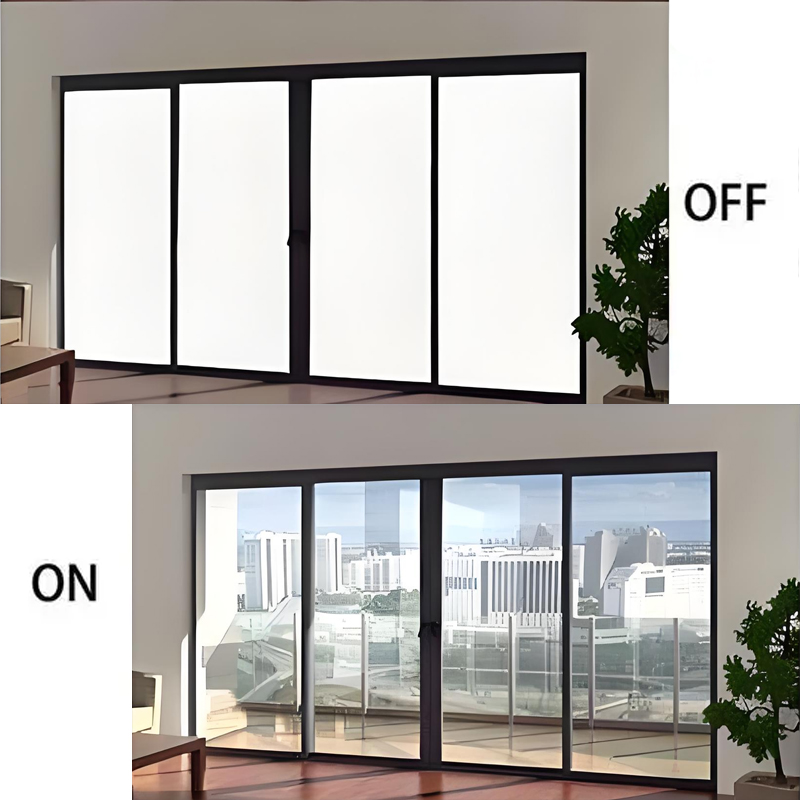
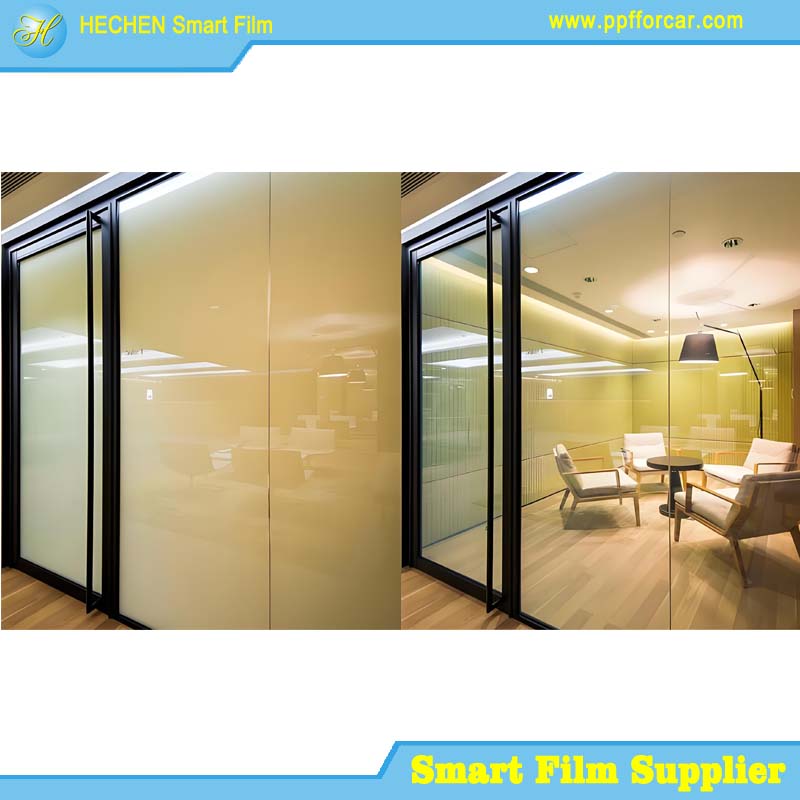
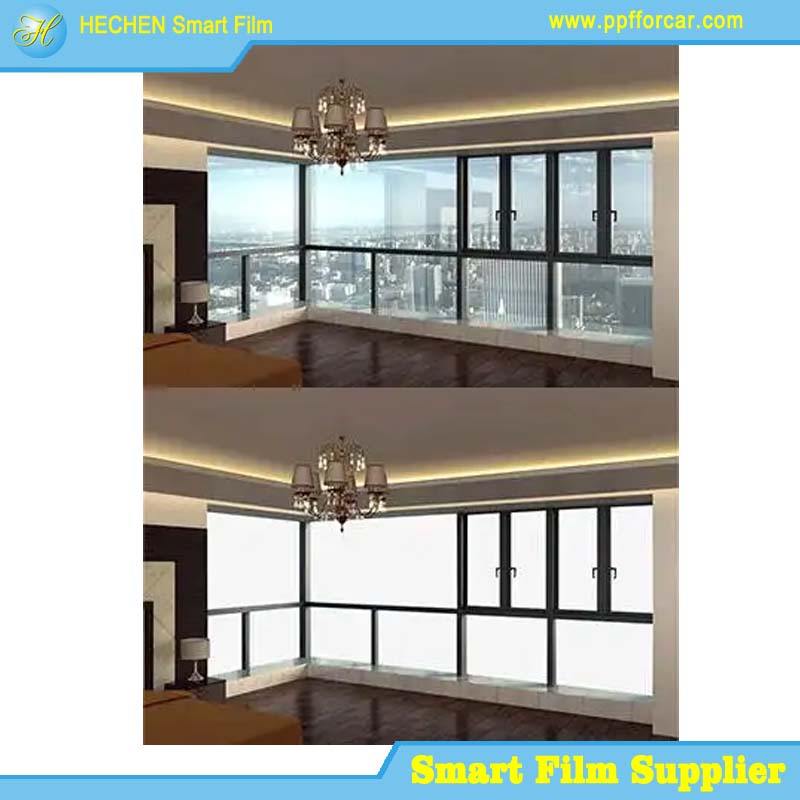
Dimming PDLC films, also referred to as switchable smart PDLC films or Polymer Dispersed Liquid Crystal (PDLC) films, are innovative materials that can alter their optical properties from transparent to opaque with the application of an electric field. These PDLC films are widely used in applications such as smart windows, privacy partitions, automotive glazing, and display technologies, offering benefits like energy savings, UV protection, and enhanced privacy control. At the heart of a dimming PDLC film's structure is a layered composite: typically, a liquid crystal-polymer mixture sandwiched between two transparent conductive layers, which are often coated onto flexible substrates like polyethylene terephthalate (PET).
The conductive layer plays a pivotal role in the PDLC film's functionality. It serves as an electrode to apply the voltage that aligns the liquid crystal molecules, enabling the switch between states. Without a reliable conductive layer, the PDLC film cannot respond to electrical stimuli effectively. Among various materials available for this layer, Indium Tin Oxide (ITO) has been a dominant choice due to its unique combination of high transparency and electrical conductivity. However, questions arise about whether ITO is the standard material, and what effects it has on key performance metrics like light transmittance and conductive stability.
This article explores these aspects in depth. We will examine if ITO is indeed the usual material for the conductive layer in dimming PDLC film structures, drawing from industry practices and scientific literature. Furthermore, we will analyze ITO's influence on overall light transmittance—the PDLC film's ability to allow visible light to pass through—and its conductive stability, which encompasses electrical reliability, durability under stress, and long-term performance. By incorporating insights from recent studies and commercial applications, this discussion aims to provide a balanced view for engineers, researchers, and end-users considering dimming PDLC film technologies. Alternatives to ITO will also be touched upon to highlight evolving trends in the field.
The Structure of PDLC Dimming films and the Role of the Conductive Layer
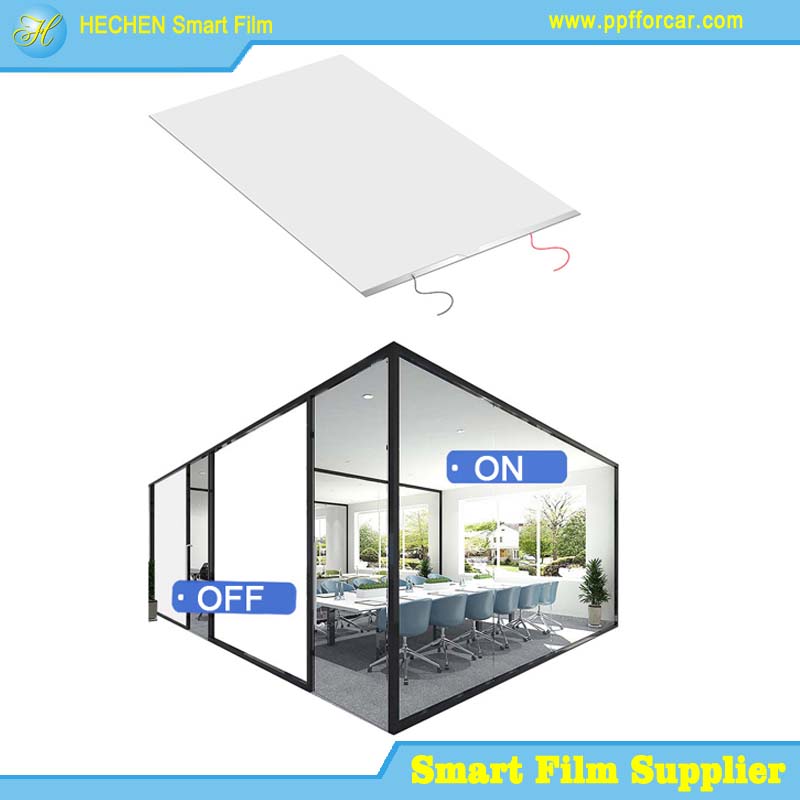
To understand the prominence of ITO, it's essential to first outline the typical architecture of a PDLC dimming film. The core layer consists of micron-sized liquid crystal droplets dispersed in a polymer matrix. This PDLC layer is flanked by two conductive layers, which are transparent to maintain the PDLC film's optical clarity. These conductive layers are usually deposited on PET substrates for flexibility and ease of lamination onto glass or other surfaces. Adhesive layers may be added for installation, and protective coatings can enhance durability.
The conductive layer must fulfill several criteria: high optical transparency (typically >80% in the visible spectrum), low sheet resistance (around 10-100 Ω/sq for efficient voltage distribution), mechanical flexibility, chemical stability, and cost-effectiveness for large-scale production. When voltage is applied across these layers—often 30-110V AC—the electric field reorients the liquid crystals, reducing light scattering and increasing transparency. In the off-state, random orientation causes opacity.
Historically, ITO has been the go-to material for these conductive layers because it balances these requirements exceptionally well. Composed of indium oxide (In₂O₃) doped with tin oxide (SnO₂), typically in a 90:10 ratio, ITO is deposited via techniques like magnetron sputtering, chemical vapor deposition, or pulsed laser deposition onto substrates. This results in thin PDLC films (50-200 nm) that are amorphous or crystalline, depending on processing conditions.
Does the Conductive Layer Usually Adopt ITO Material?
Yes, the conductive layer in PDLC dimming film structures predominantly adopts ITO material, as evidenced by widespread industry adoption and manufacturing standards. Numerous commercial products and technical descriptions confirm this. For instance, PDLC dimming films are described as being composed of PDLC liquid crystal film combined with ITO conductive layers. The ITO coating acts as the electrode, forcing liquid crystal molecules or particles to align under electricity, achieving transparency. In manufacturing processes, the interlayer PDLC film includes PDLC coated between PET sheets with ITO conductive surfaces.
This prevalence stems from ITO's established track record in optoelectronics, dating back to its use in LCDs, touchscreens, and solar cells. In smart PDLC films, ITO is sputtered onto PET to create a high-tech conductive product. Commercial suppliers emphasize ITO's role in enabling dynamic control over light and heat transmission in smart windows. Even in detailed breakdowns, the conductive layers are typically ITO, ensuring uniform electricity distribution across the PDLC film.
However, "usually" does not mean exclusively. While ITO dominates, especially in high-volume production, alternatives are emerging due to ITO's drawbacks, such as high cost, indium scarcity, and brittleness on flexible substrates. For example, some advanced PDLC devices explore graphene, carbon nanotubes (CNTs), or conductive polymers as replacements.
opg.optica.org +1
Fluorine-doped tin oxide (FTO) is another lesser-known option offering similar properties with better stability. Despite these, ITO remains the standard in most commercial PDLC dimming films, with over 90% of the market relying on it for its proven performance.
Factors influencing this choice include deposition compatibility with PDLC materials and scalability. ITO's magnetron sputtering process integrates seamlessly with roll-to-roll manufacturing, allowing large-area PDLC films (up to several meters wide). Regulatory and safety standards also favor ITO due to its non-toxicity in final products. In summary, while not universal, ITO is the de facto material for conductive layers in dimming PDLC films, underpinning the technology's reliability and widespread use.
Impact of ITO on Overall Light Transmittance
Light transmittance is a cornerstone metric for dimming PDLC films, determining their effectiveness in applications where visual clarity is paramount. ITO significantly enhances overall transmittance due to its inherent optical properties. As a transparent conducting oxide (TCO), ITO exhibits high visible light transmittance, often exceeding 85-90% at wavelengths around 550 nm, which is the peak of human visual sensitivity.
In dimming PDLC films, the ITO layers contribute minimally to light absorption or scattering when optimized. For example, ITO PDLC films can achieve up to 92% transmittance when paired with graphene on PET substrates. Post-annealing processes further boost transmittance to over 90% by refining crystal structure and reducing defects. In multilayer stacks like ITO/Ag/ITO,
However, ITO's impact is thickness-dependent. Thicker ITO layers (e.g., >200 nm) improve conductivity but reduce transmittance due to increased absorption in the blue spectrum, potentially dropping below 80%. Conversely, ultra-thin ITO membranes maintain high transparency while offering flexibility, though electrical properties may degrade. In PDLC PDLC films, adding ITO powders can influence voltage-transmittance curves, optimizing on-state clarity.
Wrinkling or crumpling in flexible applications can slightly lower transmittance; for instance, bi-axial strains on substrates reduce optical performance. Nanopillar-structured ITO enhances transmittance and infrared reflectivity, ideal for energy-efficient windows. Hybrid graphene/ITO PDLC films show only minor transmittance reductions (2.95%) while maintaining high clarity.
Overall, ITO positively impacts transmittance by enabling high on-state clarity (>80%), but careful design is needed to balance with other properties. In off-state, transmittance is low (<10%) due to PDLC scattering, independent of ITO.
Impact of ITO on Conductive Stability
Conductive stability refers to the ITO layer's ability to maintain consistent electrical performance over time, under environmental stresses, and during repeated switching cycles. ITO excels in this regard for dimming PDLC films, providing low sheet resistance and durability.
ITO PDLC films demonstrate excellent thermal stability, remaining electrically stable at 1000°C for hours, making them suitable for high-temperature processing or environments.
frontiersin.org +1
Substrate temperature during deposition enlarges grains, enhancing conductivity. Thickness affects stability: thicker PDLC films (up to 870 nm) show improved properties via pulsed laser deposition.
In electrochemical contexts, ITO maintains conductivity during cycling as long as a continuous layer persists, resisting failure. For flexible dimming PDLC films, ITO on PET withstands bending, though long-term static bending can degrade characteristics. Efforts to improve include crystalline ITO on plastic, achieving low resistance (45 Ω/sq) with high transmittance.
Challenges include brittleness, leading to cracks under flexion, and indium scarcity raising costs. Despite this, ITO's chemical and thermal stability outperforms many alternatives in dimming applications. In PDLC devices, ITO ensures millions of cycles without degradation.
Alternatives to ITO in Conductive Layers
While ITO is standard, alternatives address its limitations. Carbon nanotubes (CNTs) offer flexibility and low-cost patterning, serving as ITO replacements in transparent conductive PDLC films. Graphene provides high conductivity and is a strong candidate for PDLC electrodes. FTO offers superior mechanical and thermal stability with low resistance.
Other options include aluminum zinc oxide (AZO), metallic nanowires, and conductive polymers like PEDOT:PSS. Silver pastes are used for bus bars in SPD/PDLC. These alternatives reduce costs and enhance flexibility, though they may lag in transmittance or stability compared to ITO.
Applications and Practical Considerations
In architecture, ITO-based PDLC dimming films enable smart windows with high transmittance for natural lighting. Automotive uses benefit from stability in varying conditions. Healthcare partitions leverage privacy without compromising clarity.
When selecting PDLC films, consider ITO's trade-offs: high performance but potential cost. Testing for specific environments ensures longevity.
Conclusion
The conductive layer in PDLC dimming film structures usually adopts ITO due to its optimal balance of properties, as confirmed by industry standards. It positively impacts light transmittance, enabling >85% clarity, and provides robust conductive stability under thermal and electrical stresses. However, emerging alternatives may shift the landscape toward more sustainable options. As technology evolves, ITO remains a benchmark, driving innovations in smart materials.
For more about does the conductive layer in the PDLC dimming film structure usually adopt ITO material, you can pay a visit to Hechen PDLC Smart Film Manufacturers for more info.