Electric Window Tint: The Future of Smart Glass Technology
In an era where smart technology is transforming homes, offices, and vehicles, electric window tint—also known as smart glass or switchable glass—stands out as a revolutionary innovation. This cutting-edge technology allows windows to change their tint or opacity at the flip of a switch, offering control over light, heat, and privacy. From energy-efficient buildings to futuristic car designs, electric window tint is redefining how we interact with glass surfaces. This article explores the science behind electric window tint, its applications, benefits, challenges, and the potential it holds for the future.
What is Electric Window Tint?
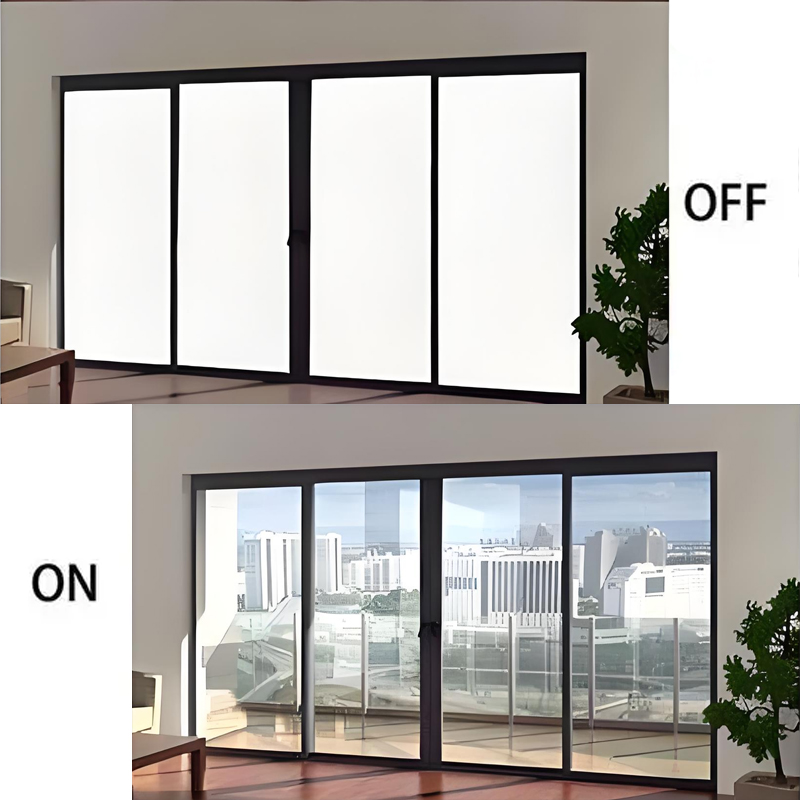
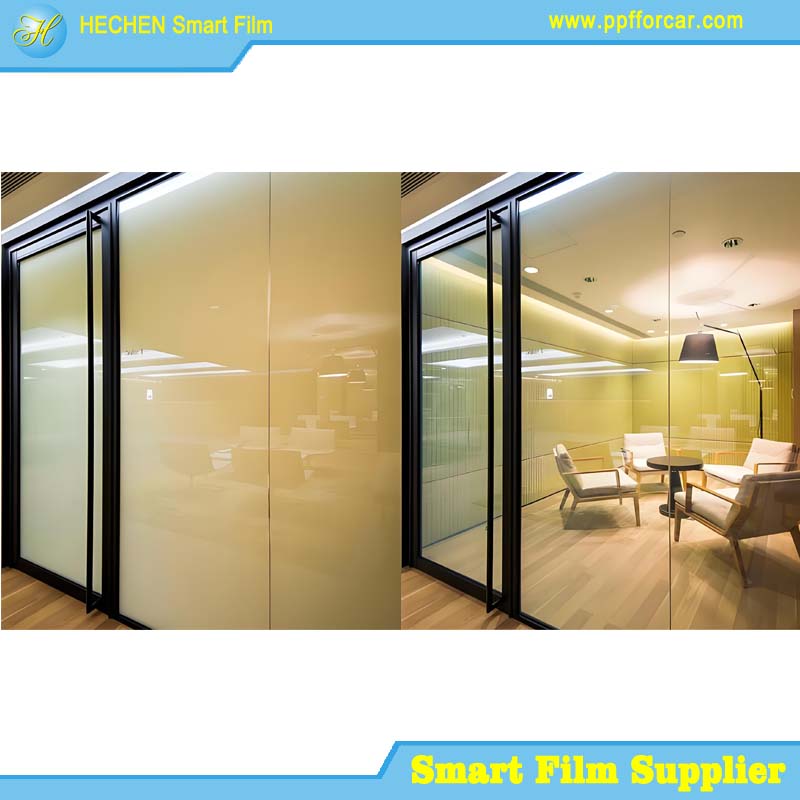
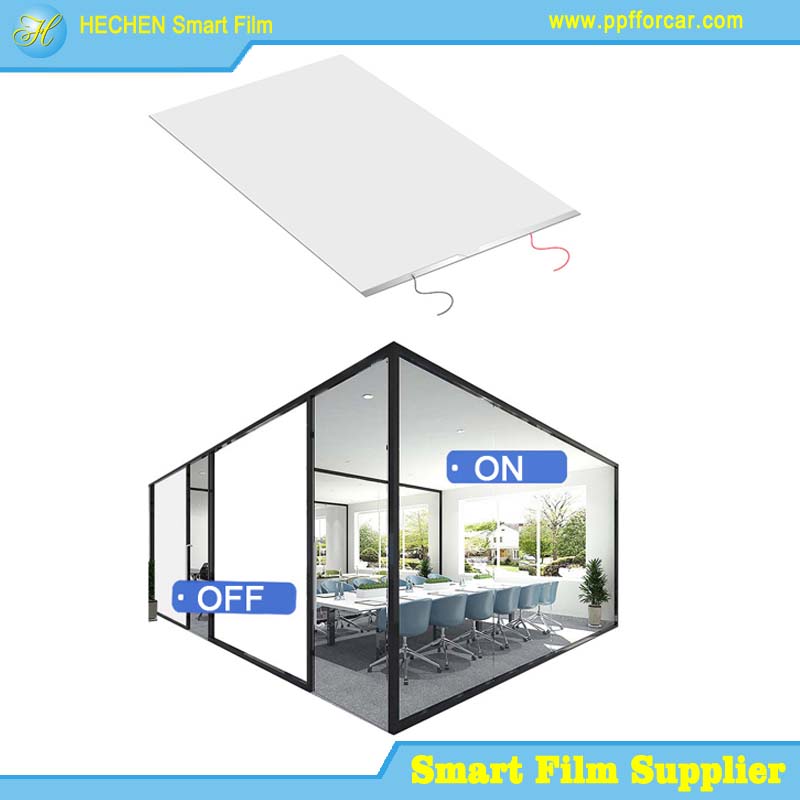
Electric window tint refers to glass or film that can alter its transparency or tint when an electric current is applied. Unlike traditional window tinting, which is static and permanently darkens glass, electric window tint is dynamic, allowing users to adjust the level of opacity or color instantly. This technology is part of the broader category of "smart glass," which includes various switchable glazing solutions.
The most common types of electric window tint technologies include:
1. Electrochromic Glass: Changes tint when an electric voltage is applied, allowing for gradual transitions between clear and tinted states.
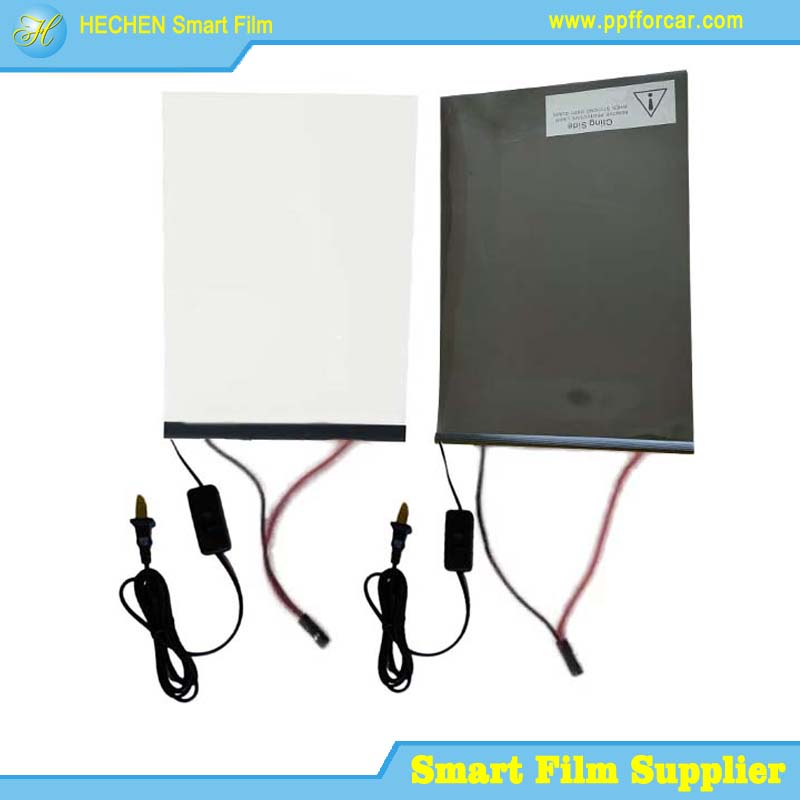
2. Polymer-Dispersed Liquid Crystal (PDLC) Glass: Switches between transparent and opaque states, often used for privacy applications.
3. Suspended Particle Device (SPD) Glass: Adjusts light transmission by aligning particles within the glass under an electric field, offering precise control over tint levels.
Each type has unique properties, making electric window tint versatile for various applications, from residential buildings to automotive windows.
How Does Electric Window Tint Work?
The science behind electric window tint is both fascinating and complex. Here’s a simplified explanation of the main technologies:
· Electrochromic Glass: This technology relies on a thin layer of electrochromic material, typically made of tungsten oxide or similar compounds, sandwiched between two transparent conductive layers. When a small voltage is applied, ions move within the material, causing it to darken. Reversing the voltage returns the glass to a transparent state. The process is gradual, taking a few seconds to minutes, depending on the size of the glass.
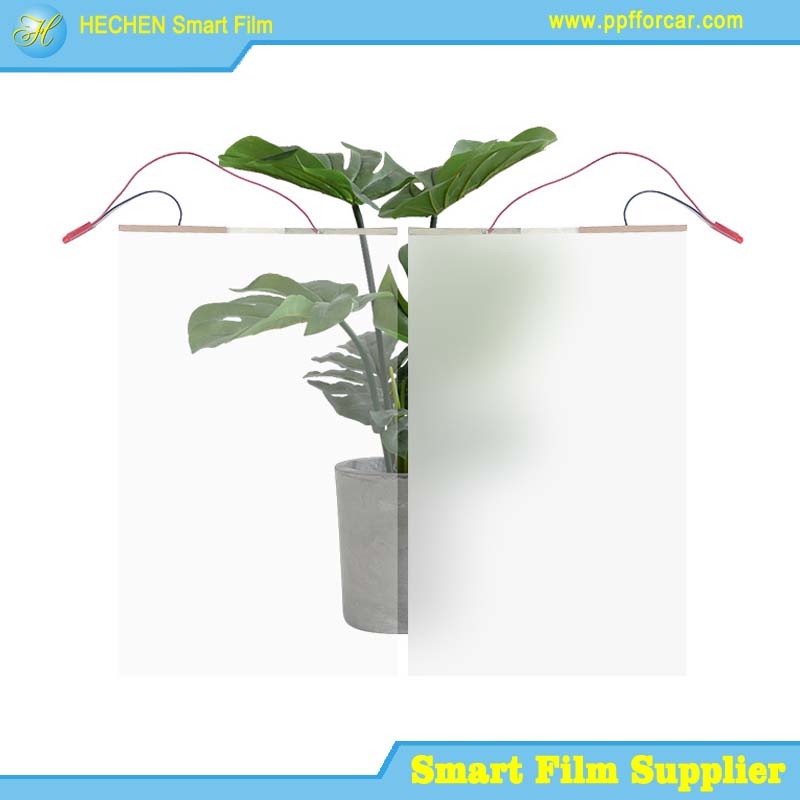
· PDLC Glass: PDLC glass contains liquid crystal droplets suspended in a polymer matrix. In its "off" state, the crystals are randomly oriented, scattering light and making the glass opaque. When voltage is applied, the crystals align, allowing light to pass through and making the glass transparent. This technology is ideal for privacy applications, as it can switch instantly.
· SPD Glass: SPD glass uses suspended particles that align under an electric field to control light transmission. In the absence of voltage, the particles are randomly dispersed, blocking light. When voltage is applied, the particles align to let light pass through, allowing for customizable tint levels. SPD glass is often used in automotive and architectural applications for its fast response time and precise control.
These technologies are typically controlled via a switch, remote, smartphone app, or integrated smart home systems, providing users with seamless control over their environment.
Applications of Electric Window Tint
Electric window tint is transforming industries by offering innovative solutions for privacy, energy efficiency, and aesthetics. Below are some key applications:
1. Architectural Applications
Electric window tint is increasingly popular in modern architecture, where it enhances both functionality and design. In residential and commercial buildings, smart glass is used for:
· Privacy Control: PDLC glass is commonly installed in conference rooms, bathrooms, and private offices, allowing users to switch between transparent and opaque states for instant privacy.
· Energy Efficiency: Electrochromic and SPD glass can reduce heat gain by blocking infrared rays, lowering the need for air conditioning and reducing energy costs.
· Aesthetic Appeal: Smart glass adds a sleek, futuristic look to buildings, making it a favorite among architects and designers.
For example, the headquarters of tech giants like Apple and Google incorporate smart glass to create dynamic, energy-efficient workspaces.
2. Automotive Industry
The automotive sector is a major adopter of electric window tint, particularly SPD and electrochromic technologies. Key uses include:
· Sunroofs and Windows: Electric tint allows drivers to adjust the opacity of sunroofs and side windows, reducing glare and heat while maintaining visibility.
· Privacy and Security: High-end vehicles, such as Tesla’s Model S Plaid, use smart glass to offer passengers privacy without compromising style.
· Energy Savings: By reducing heat entering the vehicle, electric tint lowers the reliance on air conditioning, improving fuel efficiency in electric and hybrid cars.
3. Aerospace and Marine Applications
Electric window tint is also making waves in aerospace and marine industries. Aircraft cabins use smart glass to provide passengers with customizable window tinting, reducing glare and enhancing comfort during long flights. Similarly, luxury yachts employ smart glass for privacy and UV protection, creating a premium onboard experience.
4. Healthcare and Retail
In healthcare, PDLC glass is used in hospitals and clinics to create private patient rooms or observation windows that can switch to opaque for examinations. In retail, smart glass enhances storefront displays by allowing dynamic control over transparency, attracting customers with innovative designs.
Benefits of Electric Window Tint
The rise of electric window tint is driven by its numerous advantages, which cater to both practical and aesthetic needs:
1. Energy Efficiency
One of the most significant benefits of electric window tint is its ability to reduce energy consumption. By controlling the amount of heat and light entering a building or vehicle, smart glass minimizes the need for heating, cooling, and artificial lighting. Studies suggest that electrochromic windows can reduce energy costs by up to 20% in commercial buildings.
2. Enhanced Privacy
Electric window tint offers instant privacy without the need for curtains or blinds. This is particularly valuable in urban environments, where buildings are closely spaced, or in vehicles where passengers seek discretion.
3. UV Protection
Smart glass can block up to 99% of harmful UV rays, protecting occupants from skin damage and preventing furniture or car interiors from fading.
4. Improved Comfort
By reducing glare and regulating indoor temperatures, electric window tint creates a more comfortable environment for occupants, whether in a home, office, or vehicle.
5. Aesthetic Flexibility
Unlike traditional tint, which is static, electric window tint allows users to change the appearance of their windows instantly. This flexibility enhances the visual appeal of spaces and vehicles, aligning with modern design trends.
6. Integration with Smart Systems
Electric window tint can be integrated with smart home or vehicle systems, allowing users to control tint levels via apps, voice commands, or automated schedules. For example, windows can automatically tint during peak sunlight hours to optimize energy efficiency.
Challenges and Limitations
While electric window tint offers significant advantages, it also faces several challenges that limit its widespread adoption:
1. High Initial Costs
The installation of smart glass is expensive compared to traditional window tinting. The cost of materials, manufacturing, and installation can be prohibitive for smaller projects or budget-conscious consumers. For example, electrochromic windows can cost $50–$100 per square foot, significantly higher than standard glass.
2. Power Requirements
Although smart glass requires minimal power to operate, it still relies on an electrical system. In the event of a power outage, some technologies, like PDLC glass, may revert to an opaque state, limiting functionality.
3. Durability and Maintenance
Smart glass is a relatively new technology, and its long-term durability is still being tested. Issues such as degradation of electrochromic materials or liquid crystal alignment over time may require costly repairs or replacements.
4. Limited Color Options
Most electric window tint technologies are limited to shades of gray, blue, or green. While this suits many applications, it may not meet the aesthetic preferences of all users.
5. Response Time
Some technologies, particularly electrochromic glass, have slower transition times (up to several minutes for large windows), which may be inconvenient for users seeking instant results.
The Future of Electric Window Tint
The future of electric window tint is promising, with ongoing advancements addressing current limitations and expanding its potential. Key trends to watch include:
1. Cost Reduction
As demand for smart glass grows, economies of scale and improvements in manufacturing are expected to lower costs, making the technology more accessible to residential and small-scale commercial users.
2. Improved Performance
Researchers are developing faster-switching electrochromic materials and more durable PDLC and SPD films. These advancements will enhance user experience and extend the lifespan of smart glass products.
3. Integration with Renewable Energy
Smart glass could be paired with solar panels or other renewable energy sources to create self-powered systems, further improving energy efficiency and reducing reliance on external power.
4. Expanded Applications
Emerging applications include wearable technology, such as smart glasses with adjustable tint, and augmented reality displays that use switchable glass to enhance visuals. Additionally, smart glass could be used in greenhouses to optimize light for plant growth.
5. Sustainability Focus
Manufacturers are exploring eco-friendly materials and production methods to reduce the environmental impact of smart glass. This aligns with the growing demand for sustainable building materials in the construction industry.
Case Studies
To illustrate the real-world impact of electric window tint, consider the following examples:
· The Edge, Amsterdam: Often cited as one of the world’s most sustainable office buildings, The Edge uses electrochromic windows to reduce energy consumption by 20%, creating a comfortable and eco-friendly workspace.
· Tesla Model S Plaid: Tesla’s flagship vehicle incorporates SPD smart glass in its panoramic sunroof, allowing drivers to adjust tint levels for comfort and privacy.
· Boeing 787 Dreamliner: This aircraft uses electrochromic windows to replace traditional window shades, offering passengers control over light and glare without obstructing views.
Conclusion
Electric window tint represents a leap forward in the evolution of glass technology, blending functionality, aesthetics, and sustainability. Its ability to dynamically control light, heat, and privacy makes it a game-changer for architecture, automotive, aerospace, and beyond. While challenges such as high costs and limited color options remain, ongoing innovations are paving the way for broader adoption and new applications. As smart glass becomes more affordable and efficient, it has the potential to transform how we design and interact with our environments, ushering in a new era of intelligent, responsive spaces.
For more about the PDLC Smart Film Manufacturers: Innovators of Switchable Glass Technology, you can pay a visit to Hechen PDLC Smart Film Manufacturers for more info.