Electric Window Tint Pros and Cons – Worth the Money?
For decades, window tinting was a static affair. You chose a shade of film, applied it, and that was it—a permanent filter between you and the outside world. But in the age of smart homes and connected cars, a new player has emerged: electric window tint, also known as switchable film, smart glass, or PDLC (Polymer Dispersed Liquid Crystal) film. This high-tech solution promises the ultimate control over light and privacy at the flick of a switch. But with its premium price tag, the inevitable question arises: Is it a worthwhile investment or an over-engineered luxury?
How It Works: The Science of Switchable Glass
To understand its value, we must first grasp the technology. The most common consumer-grade electric tint uses PDLC film. Here’s a simplified breakdown of the process:
The Film Structure: The core of the film is a layer containing microscopic liquid crystal droplets suspended in a polymer matrix, laminated between two layers of conductive material (usually transparent Indium Tin Oxide, or ITO).
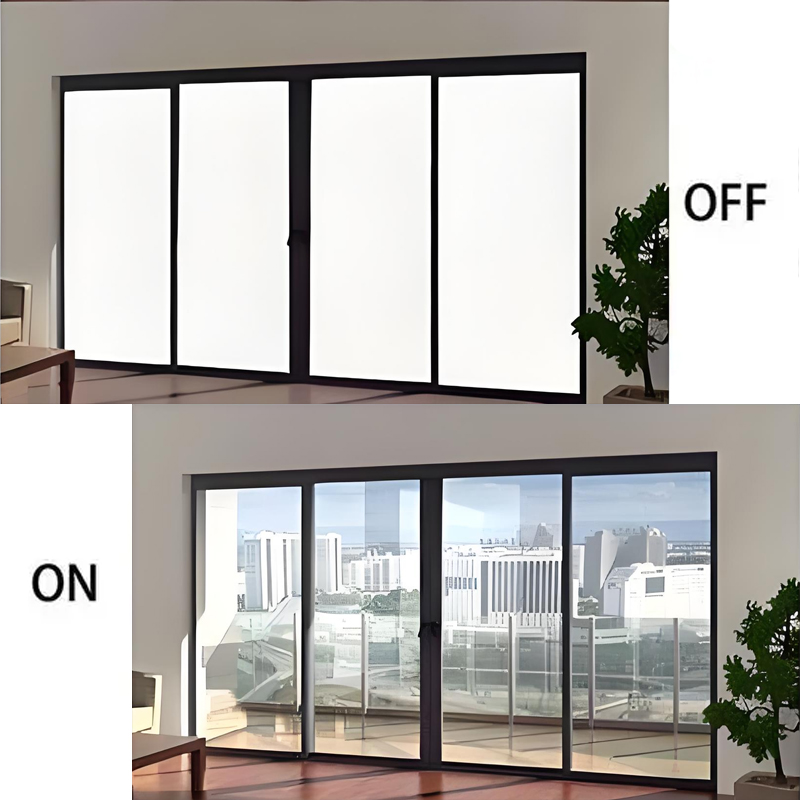
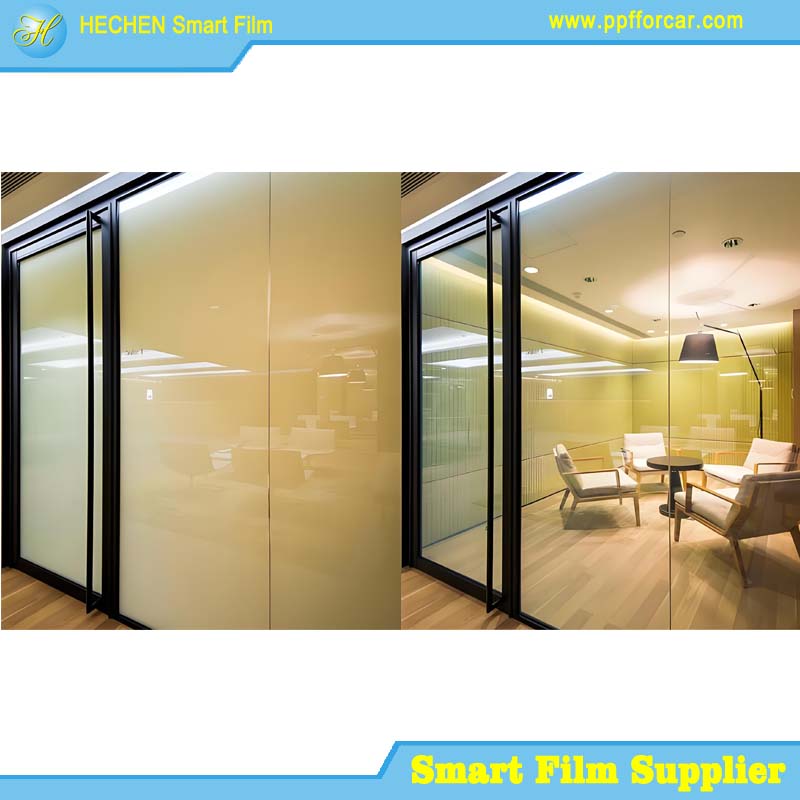
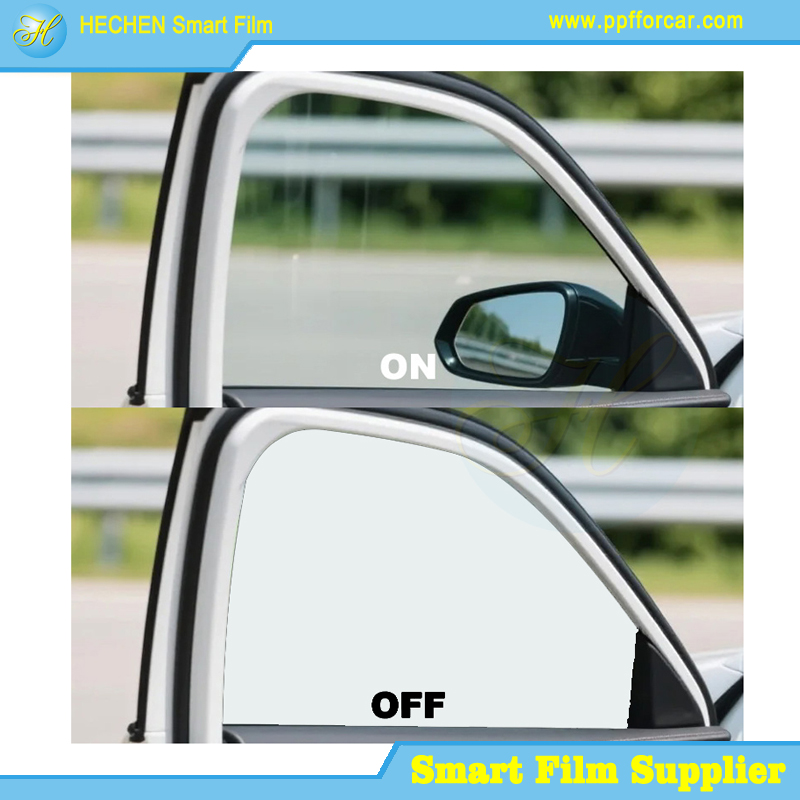
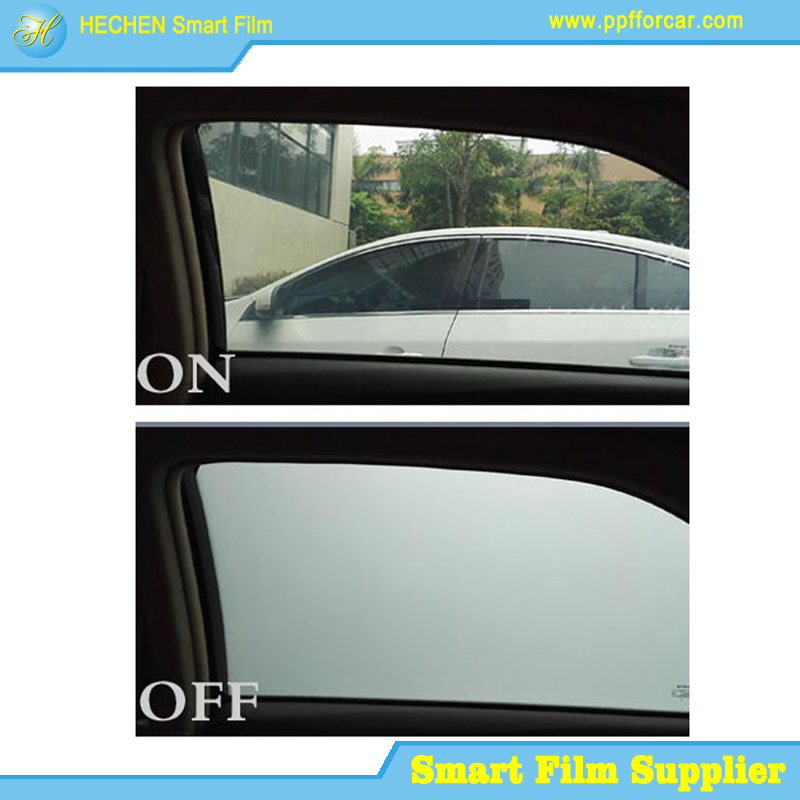
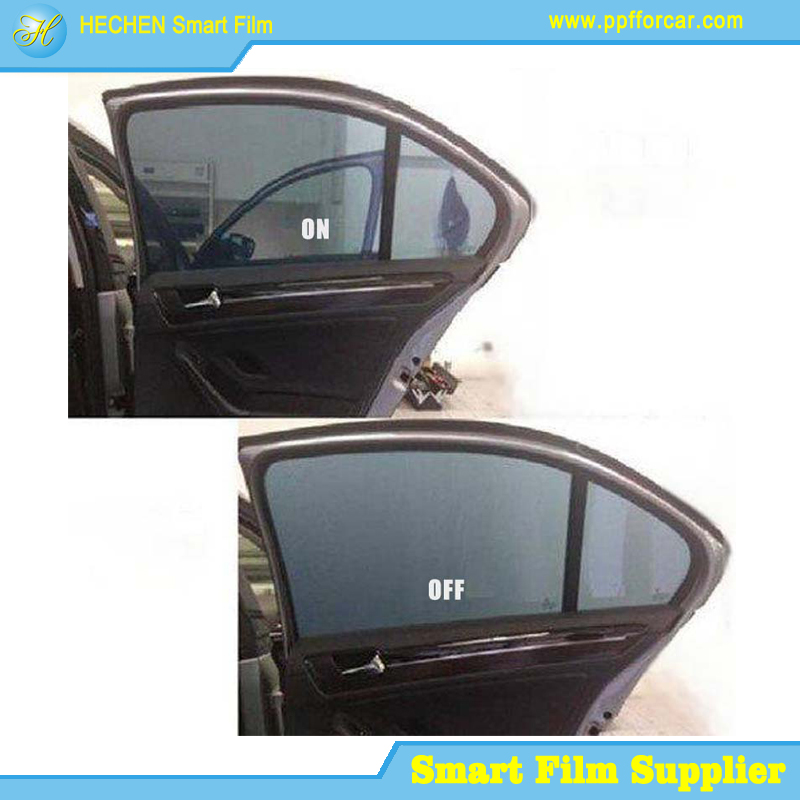
The "Off" (Opaque) State: When no electrical current is applied, the liquid crystals are randomly oriented. They scatter incoming light in all directions, giving the film a translucent, frosted-white appearance. This provides privacy while still allowing diffused light to pass through.
The "On" (Clear) State: When a small electrical voltage (typically low-voltage AC, around 24-110V) is applied via the conductive layers, the liquid crystals align in unison. This alignment allows light to pass through directly, rendering the glass transparent.
The transition is rapid (often within a second) and can be controlled via a simple switch, remote control, smartphone app, or integration into smart home systems (like Alexa or Google Home). Other technologies like SPD (Suspended Particle Device) and Electrochromic glass exist, with SPD being common in automotive sunroofs (blocking heat and light but not offering full privacy white-out) and Electrochromic being used in architectural glass for gradual, variable tinting.
The Pros: Where Electric Tint Shines
The benefits of this dynamic technology are significant and multifaceted.
1. Unparalleled, Dynamic Privacy Control:
This is the flagship feature. With a single command, you can shift from complete transparency to full privacy. This is invaluable for:
Residential Applications: Bathrooms, home offices, ground-floor windows, or partition walls in open-plan spaces.
Commercial Settings: Conference rooms, executive offices, and medical consultation areas that require on-demand confidentiality.
Automotive: Privacy for rear passengers, or creating a hidden compartment feel in limousines and high-end SUVs.
2. Enhanced Energy Efficiency and Glare Reduction:
In its opaque state, PDLC film acts as an excellent diffuser, eliminating harsh glare from direct sunlight. This reduces the need for artificial lighting and, more importantly, lowers the solar heat gain through the window. By blocking and scattering a portion of the infrared spectrum, it can reduce cooling loads (HVAC costs) in buildings and vehicles. Some advanced films or SPD variants offer even better heat rejection.
3. Modern Aesthetics and Space Flexibility:
Electric tint eliminates the need for blinds, curtains, or shades, offering a sleek, minimalist look. It transforms static glass into an interactive design element. A room can feel open and connected one moment and private the next, maximizing the functional use of space without physical dividers.
4. UV Radiation Protection:
Like high-quality traditional films, electric PDLC film blocks over 99% of harmful ultraviolet (UV-A and UV-B) rays. This protects interior fabrics, artwork, furniture, and automotive dashboards from fading and degradation, and safeguards occupants' skin.
5. Integration with Smart Systems:
The true "smart" potential is realized through integration. Imagine automated schedules where windows tint at sunrise to control glare, voice-activated privacy, or geo-fencing that triggers your car windows to tint when you park in a public lot. This level of automation adds convenience and futuristic appeal.
The Cons: The Trade-Offs and Limitations
Despite its allure, electric window tint is not a perfect solution and comes with distinct disadvantages.
1. High Initial Cost:
This is the most significant barrier. Electric tint is exponentially more expensive than traditional dyed, ceramic, or carbon film.
Cost Breakdown: Traditional auto tint might cost $200-$600 per vehicle. Quality architectural film might be $5-$15 per square foot. Electric PDLC film, installed, typically starts at $50-$150+ per square foot. This includes the film, professional installation, and the electrical control system. A single residential window can easily cost over $1,000.
Comparative Value: For the price of tinting the sunroof and side windows of a car with electric film, you could likely tint multiple vehicles with top-tier ceramic film.
2. Power Dependency and Failure Modes:
Electric tint requires power to be clear. If the power fails, the film defaults to its opaque state. This means:
During a power outage, your privacy windows become permanently frosted, potentially darkening a room.
In a vehicle, if the electrical connection fails, the tinted section may remain opaque, which could be a safety issue for visibility.
The system adds a point of potential electronic failure that doesn't exist with passive film.
3. Limited Performance in Bright Sun (for PDLC):
A critical technical nuance: In its clear state, standard PDLC film offers little to no solar heat rejection. It becomes just like clear glass. Its primary function is privacy, not constant heat control. For automotive use on sunroofs, SPD is often preferred as it can block heat and glare while remaining see-through. For architectural settings wanting variable tint, electrochromic glass is better but far more expensive. You must choose the technology for your primary need: dynamic privacy (PDLC) or dynamic solar control (SPD/Electrochromic).
4. Opaque, Not Black-Out:
In its private state, PDLC film is translucent white, not black. It diffuses light and obscures views, but light still passes through. It will not create a pitch-black room for daytime sleeping. For total blackout, a secondary shading solution is still needed.
5. Installation Complexity and Irreversibility:
Installation is not a DIY project. It requires a skilled technician who understands both window film application and low-voltage electrical systems. The film is typically hardwired, making removal complex and potentially damaging to the glass or wiring if not done professionally.
Key Applications: Where It Makes the Most Sense
Given the pros and cons, electric tint is not a universal solution but a spectacular one for specific use cases.
High-End Residential: Privacy bathrooms, windows facing busy streets, or luxury home offices where aesthetics and tech integration are priorities.
Commercial & Architectural: Conference rooms, hospital privacy rooms, luxury retail storefronts, and office partitions where space flexibility and modern design are key.
Automotive (Niche): Limousines, high-end luxury vehicles, and privacy partitions. For mainstream sunroof tinting, OEM-installed SPD panels (like Mercedes' "Magic Sky Control") are more common than aftermarket PDLC due to the heat rejection benefit.
Marine: Yacht windows and skylights where space is limited and the sleek look is desired.
Comparative Snapshot: Electric vs. High-Quality Traditional Tint
Feature | Electric PDLC Film (Dynamic) | High-End Ceramic Tint (Static) |
Primary Function | On-demand privacy & light diffusion | Constant heat rejection & glare reduction |
Privacy | Dynamic (Clear ↔ Frosted) | Static (Always dark to varying degrees) |
Heat Rejection | Only in opaque state (diffusive) | Excellent & constant (up to 60-70% TSER) |
Glare Reduction | Excellent in opaque state | Excellent & constant |
UV Protection | Excellent (>99%) | Excellent (>99%) |
Aesthetics | Sleek, modern, minimalist | Traditional darkened look |
Cost | Very High ($50-$150+/sq. ft.) | Moderate ($5-$15/sq. ft.) |
Power Required | Yes (fails opaque) | No |
Smart Integration | Excellent | None |
The Verdict: Is It Worth the Money?
The answer is a resounding "It depends."
Electric window tint is WORTH THE MONEY if:
Dynamic privacy is your non-negotiable, primary need. You value the ability to switch from open to private instantly.
You are designing or renovating a high-end space where the integrated, minimalist aesthetic and "wow" factor are key components of the project's value.
The specific application demands it (e.g., a multi-use commercial conference room, a medical privacy room).
The cost is a secondary consideration to functionality and innovation.
You should STICK WITH HIGH-QUALITY TRADITIONAL TINT (like ceramic) if:
Your main goals are heat rejection, UV protection, and constant glare reduction for comfort and energy savings.
Your budget is constrained. The money saved can be immense for similar or better performance in solar control.
You want simple, reliable, and passive technology without electrical dependencies.
You desire a traditional darkened look for your car or home windows.
Conclusion
Electric window tint is a revolutionary technology that turns glass into a dynamic, interactive surface. Its pros—unmatched privacy control, modern aesthetics, and smart home integration—are compelling. However, its cons—high cost, power dependency, and the crucial fact that its clear state offers minimal heat rejection—are significant limitations.
For the average consumer looking to cool their car or home and reduce glare, a premium ceramic window film remains the undisputed champion for performance-per-dollar. It offers superior, constant heat rejection, excellent UV protection, and lasting durability at a fraction of the cost.
Electric tint is not a replacement for traditional film; it's a different product for a different need. It is a luxury technology that is absolutely worth the money for those who specifically require its unique, dynamic capabilities and for whom cost is not the determining factor. For everyone else, the smart money is still on the astonishing performance of modern, passive high-tech films.
For more about the electric window tint pros and cons – worth the money, you can pay a visit to Hechen PDLC Smart Film Manufacturers for more info.