Electric Window Tint for Cars: Benefits, Legal Limits & Best Picks
The quest for a more comfortable, private, and technologically integrated driving experience has moved beyond premium sound systems and adaptive cruise control. A revolutionary upgrade is now available for your vehicle's glass: electric window tint. Also known as smart tint, switchable tint, or PDLC (Polymer Dispersed Liquid Crystal) film, this technology transforms ordinary windows into dynamic surfaces you control at the touch of a button. This article delves into the mechanics of this innovative product, explores its compelling benefits, navigates the complex landscape of legal regulations, and highlights some of the best products on the market.
Part 1: Understanding the Technology – How Does Electric Tint Work?
At its core, electric window tint is an application of electrochromic or, more commonly, PDLC technology. Unlike traditional dyed, metallic, or ceramic window films that are static, smart tint changes its properties based on an electrical current.
The PDLC Mechanism:
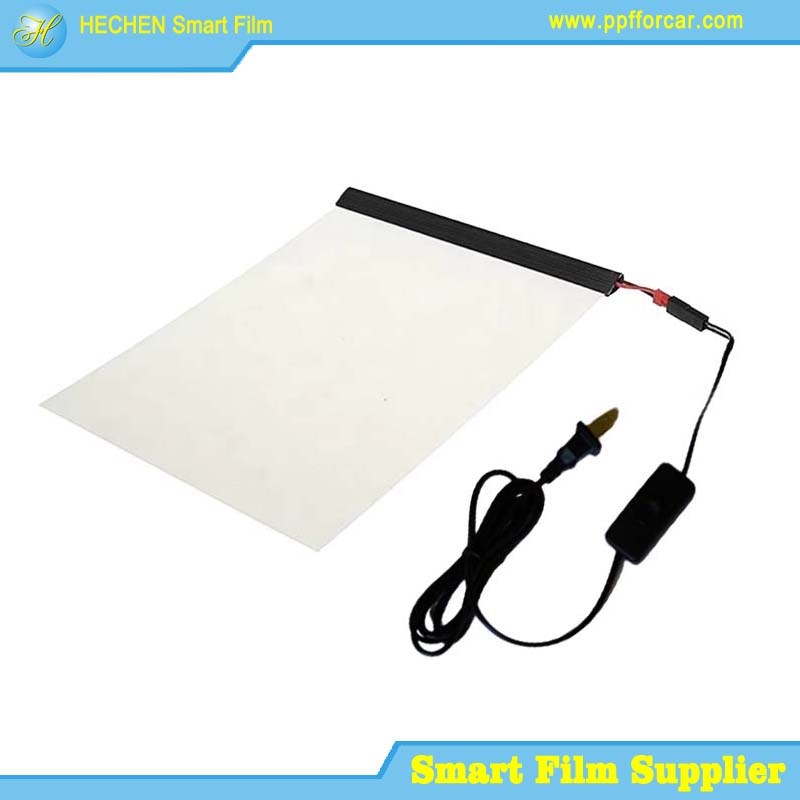
The most prevalent type for automotive aftermarket applications is the PDLC film. It consists of a thin layer of liquid crystal droplets suspended in a polymer matrix, sandwiched between two layers of conductive material (typically Indium Tin Oxide, or ITO). This "sandwich" is then laminated between two layers of protective polyester.
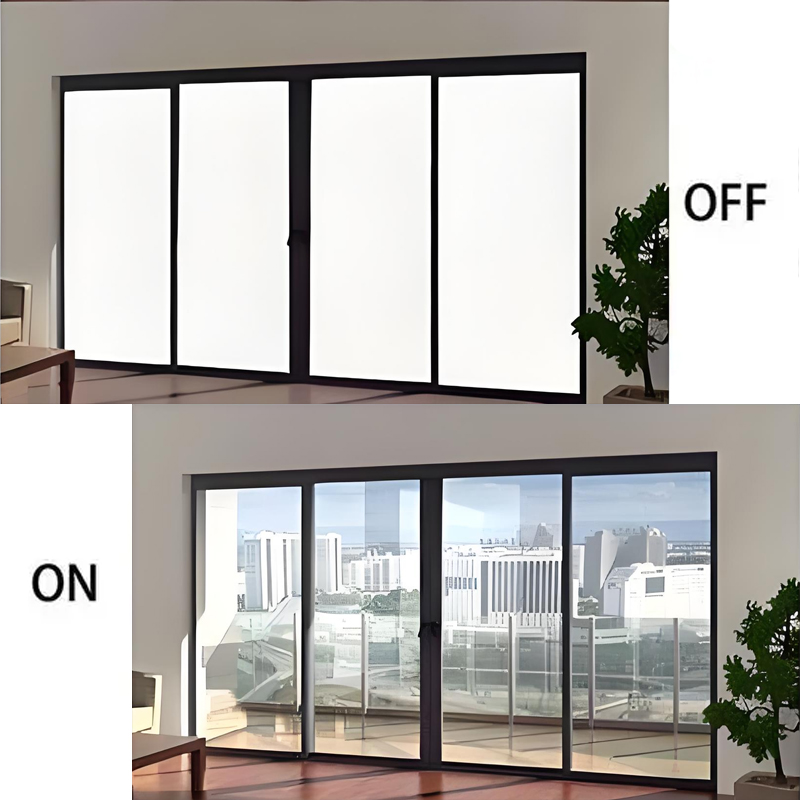
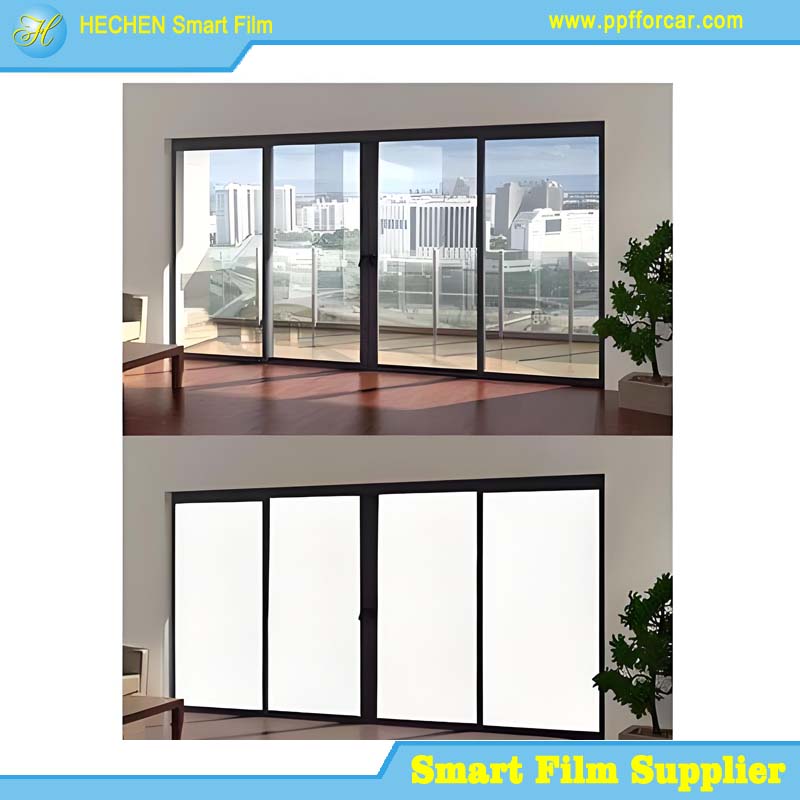
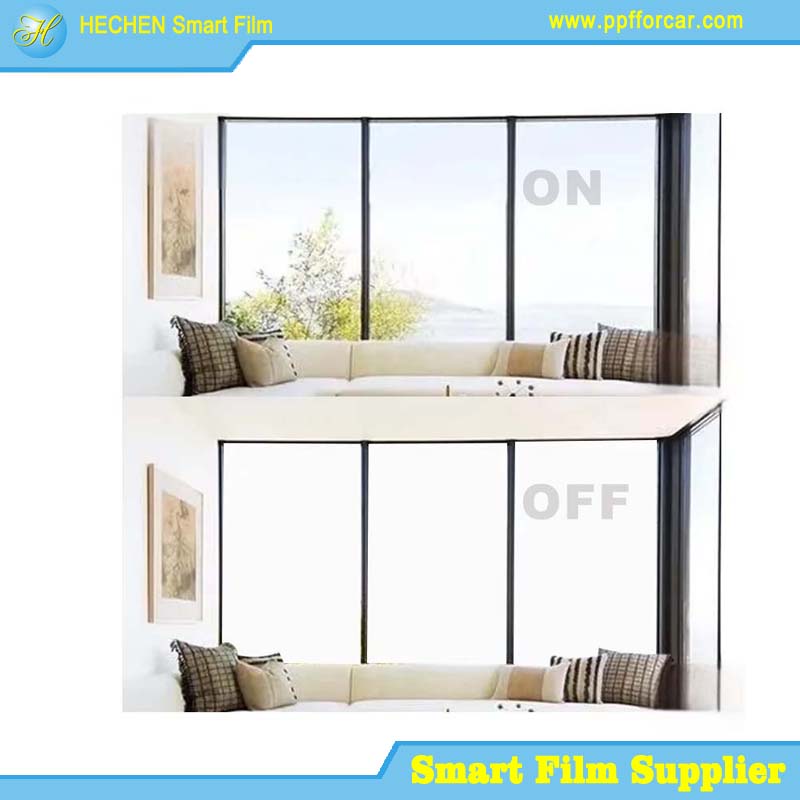
In the "Off" State (Opaque/Frosted): When no power is applied, the liquid crystals are randomly oriented. They scatter incoming light in all directions, giving the film a translucent, milky white appearance. This state provides maximum privacy while still allowing diffused light to enter.
In the "On" State (Clear): When a low-voltage electrical current (usually 12V/24V or 48-110V AC, often managed by a small inverter) is applied, the liquid crystals align in an orderly fashion. This alignment allows light to pass through directly, making the film appear completely transparent, often with a slight blue or grey hue.
The transition is rapid, typically taking less than a second, and can be controlled via a simple switch, a remote control, a smartphone app, or integration into a vehicle's smart system.
Key Components of an Installation:
The Smart Film: The PDLC layer, custom-cut to fit each window.
The Power System: A connection to the vehicle's electrical system, often involving a control box/inverter and proper fusing.
The Control Interface: The method for the user to switch states.
Part 2: The Compelling Benefits of Electric Window Tint
Moving beyond the undeniable "cool factor," electric tint offers a suite of practical advantages that enhance comfort, security, and vehicle functionality.
1. Dynamic Privacy and Security:
This is the flagship benefit. With a simple command, you can instantly obscure the view into your vehicle's cabin.
Parking: Shield valuable items on your seats from prying eyes.
Passenger Comfort: Provide privacy for rear-seat passengers during travel or while stationary.
Child Safety: Obscure the interior during school drop-offs or in busy parking lots.
Professional Use: Ideal for vehicles used for confidential client transport or as mobile offices.
2. Enhanced Thermal and UV Control:
In its opaque state, PDLC film effectively blocks a significant portion of solar infrared radiation, reducing heat buildup inside the car (solar heat rejection). While not as specialized as high-performance ceramic static tints, it still contributes to a cooler cabin. More consistently, in both states, quality electric tints block 99% of harmful ultraviolet (UV-A and UV-B) rays, protecting occupants from skin damage and preventing your vehicle's interior upholstery, dashboard, and trim from fading and cracking.
3. Glare Reduction:
The translucent state naturally diffuses harsh sunlight and the glare from headlights at night, reducing eye strain and fatigue for the driver. This can be particularly useful for side and rear windows.
4. Modern Aesthetic and Tech Integration:
Electric tint gives any vehicle a futuristic, high-end look. The ability to integrate control into existing vehicle infotainment systems or via voice command (through Alexa/Google Home or in-car assistants) elevates the user experience, aligning with the trend towards smart, connected vehicles.
5. Potential for Entertainment & Division:
While more common in limousines and luxury vans, the opaque state can serve as a projection screen for in-car entertainment systems. It can also act as an instant partition between driver and passenger compartments.
Part 3: Navigating the Legal Landscape – A Critical Consideration
This is the most crucial and complex aspect of installing electric window tint. Laws governing window tint darkness (Visible Light Transmission or VLT) and reflectivity are strict, vary widely by jurisdiction, and are primarily designed for static tints in the clear state.
The Golden Rule: Your electric tint, in its clearest ("On") state, must comply with your local and state/provincial laws for front side windows, rear side windows, and the rear windshield.
Understanding VLT: Laws are written around VLT percentage—the amount of visible light that passes through the glass and the film combined. For example, a factory window may have a 75% VLT. Adding a film that allows 50% light results in a net VLT of 37.5% (0.75 * 0.50).
Typical Legal Limits in the US & Canada (Clear State Must Comply):
Front Windshield: Non-reflective tint is often allowed only on the top few inches (AS-1 line). Full windshield tint is illegal in most places, with rare medical exemptions.
Front Side Windows: These are the most restrictive. Laws commonly require 50%-70% VLT. Some states, like California and New York, are very strict (~70%), while others are more lenient.
Rear Side Windows & Rear Windshield: Laws are usually more permissive, often allowing any level of darkness. However, some states still mandate a minimum VLT (e.g., 20%).
Reflectivity: Many laws also limit how reflective a tint can be to prevent glare for other drivers.
The "Opaque State" Grey Area:
Driving with your windows in the opaque/frosted state is almost universally illegal for front side windows and the windshield. These windows must provide a clear, undistorted view of the road and mirrors. The opaque state scatters light, creating a frosted effect that severely impedes outward visibility. Using it while the vehicle is in motion would be dangerous and a clear traffic violation.
Legal Use of the Opaque State: It is intended for use only when the vehicle is parked and stationary. Think of it as an advanced form of a sunshade.
Compliance Checklist:
Research First: Check the specific laws for your state/province and country. Resources like the International Window Film Association (IWFA) or local tinting shops provide charts.
Prioritize the "On" State VLT: Ensure the film's specified VLT in its clear state, combined with your factory glass, meets the legal requirement for each window position.
Consult a Professional Installer: A reputable, certified installer will be knowledgeable about local laws and can advise on compliant products. They can also ensure the electrical installation is safe and doesn't void your vehicle's warranty.
Get a Certificate: Reputable films come with a manufacturer's certificate stating the VLT percentage. Keep this in your vehicle in case of inspection.
Part 4: Best Picks & Market Considerations
The electric tint market ranges from affordable DIY kits to premium professional-grade installations. Key factors to consider are optical clarity in both states, switching speed, power consumption, durability, haze level, and warranty.
Premium/Professional-Grade Solutions:
These are installed by certified professionals and offer the best performance, clarity, and longevity.
Smart Tint Professional / E-Tint: Often considered the market leader for aftermarket automotive applications. Known for excellent clarity in both states, low haze, fast switching, and robust construction. They offer various grades and specialize in custom solutions for high-end vehicles. Expect a comprehensive warranty when installed by an authorized dealer.
Innotech Smart Tint: Another top-tier brand with a strong reputation for quality and reliability. Their films are used in automotive, architectural, and marine applications, indicating a high standard of durability.
Plebix PDLC Film: A global supplier of PDLC technology used by many integrators. Films under this brand are known for good color neutrality and consistent performance.
Consumer/DIY Kits:
These are more accessible but require careful installation and often involve trade-offs in optical quality or durability.
VViViD Black Pearl Switchable Film: A popular choice on online marketplaces like Amazon. It offers a relatively affordable entry point. Reviews suggest it works as advertised, but the clarity in the "On" state may not match professional films, and it can have a bluer tint. Ideal for smaller windows or those comfortable with a technical DIY project.
Various Generic Brands on Alibaba/eBay: The most budget-conscious option. Quality and consistency can vary dramatically. Purchasing from these sources is a higher-risk endeavor. Warranty support may be minimal.
Important Considerations Before You Buy:
Installation Complexity: This is not like applying a static window film. It requires clean electrical work, hiding wires, and flawless film application without bubbles or dust. Professional installation is highly recommended for most users to ensure functionality, safety (electrical systems), and a warranty.
Power Draw: While low, the system does draw power when switching and in the opaque state (crystals require energy to stay unaligned). Ensure your vehicle's electrical system can handle it, especially if installing on multiple windows.
Cost: Professional installation for a full car (excluding windshield) can range from $1,500 to $4,000+, depending on the vehicle and film quality. DIY kits may cost $300-$800 for materials but carry significant risk.
Warranty: Professional installers typically offer a multi-year warranty covering both materials and labor. DIY kits may have limited or no meaningful warranty.
Conclusion
Electric window tint represents a significant leap in automotive glass technology, merging practical benefits with cutting-edge innovation. It offers unparalleled on-demand privacy, contributes to cabin comfort, and adds a layer of futuristic functionality to any vehicle.
However, its adoption is not a simple plug-and-play decision. The paramount importance of adhering to local tint laws in the film's clear state cannot be overstated. Furthermore, the technical complexity of installation makes choosing a reputable, knowledgeable installer as critical as choosing the film itself.
For the tech-savvy driver seeking the ultimate in customizable cabin environment and privacy, and who is willing to invest in a professional-grade installation, electric window tint is a compelling and transformative upgrade. It redefines the car window from a passive pane of glass into an active, intelligent component of the vehicle's ecosystem. As the technology matures and becomes more widespread, it promises to move from a luxury novelty to a more common feature, reshaping our expectations of privacy and comfort on the road.
For more about the electric window tint for cars: benefits, legal limits & best picks, you can pay a visit to Hechen PDLC Smart Film Manufacturers for more info.