Electronically Controlled Dimming Glass Film: Revolutionizing Light and Privacy in Modern Design
Imagine stepping into a futuristic office where the glass walls shift from transparent to opaque with a simple tap on a smartphone, instantly creating a private meeting space without the clutter of blinds or curtains. Or envision driving a car where the windows automatically darken to shield you from the midday sun, enhancing comfort without mechanical shades. These scenarios are not science fiction—they’re real-world examples of electronically controlled dimming glass film, a cutting-edge technology reshaping how we interact with light, privacy, and energy in our environments.Electronically controlled dimming glass film, often called smart film or switchable film, is a thin, flexible layer applied to glass or transparent surfaces that can change its opacity when an electric current is applied. This dynamic ability to switch between clear and frosted states has made it a game-changer in fields like architecture, automotive design, and consumer electronics. Offering both practical functionality and sleek aesthetics, this technology is quickly becoming a staple in modern design.In this 2000-word article, we’ll explore everything you need to know about electronically controlled dimming glass film. We’ll start by defining what it is, dive into how it works, examine its wide-ranging applications, weigh its advantages and challenges, and look ahead to its future potential. Whether you’re a designer, engineer, or simply curious about smart technologies, this article will provide a thorough understanding of this innovative material and its impact on the world around us.

1. What is Electronically Controlled Dimming Glass Film?
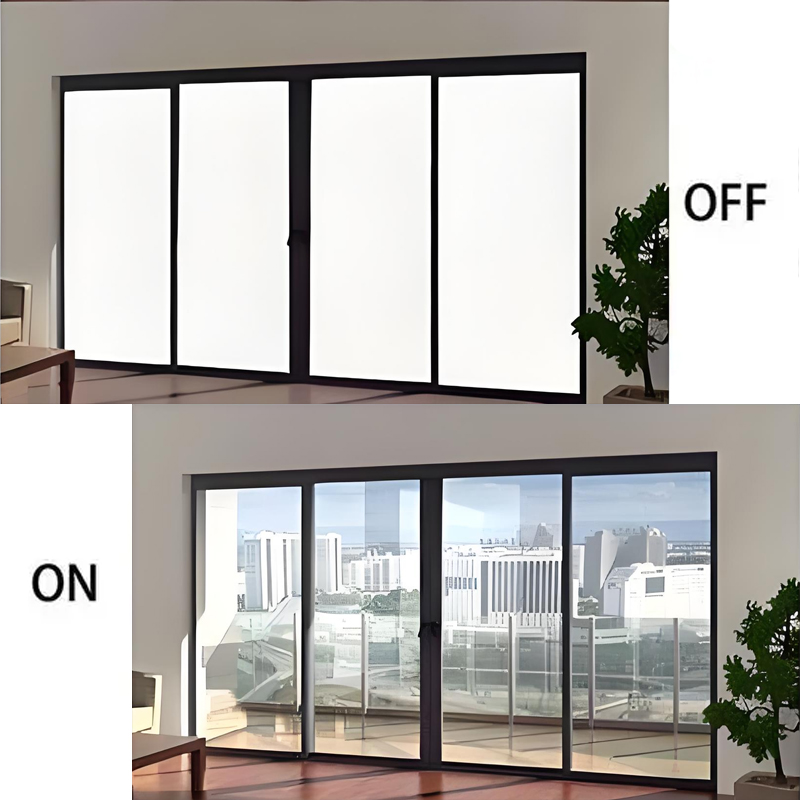
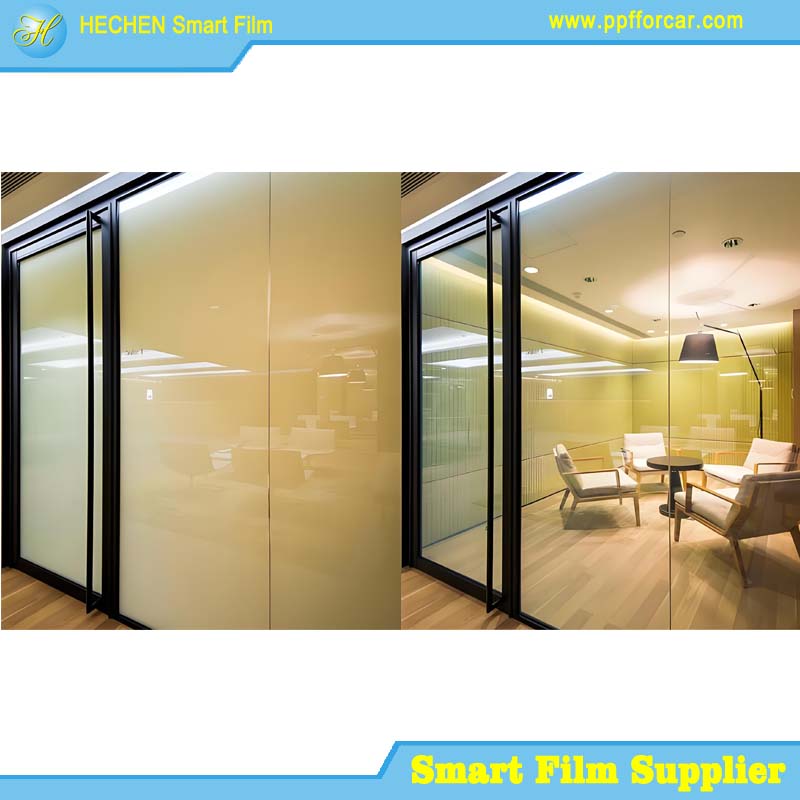
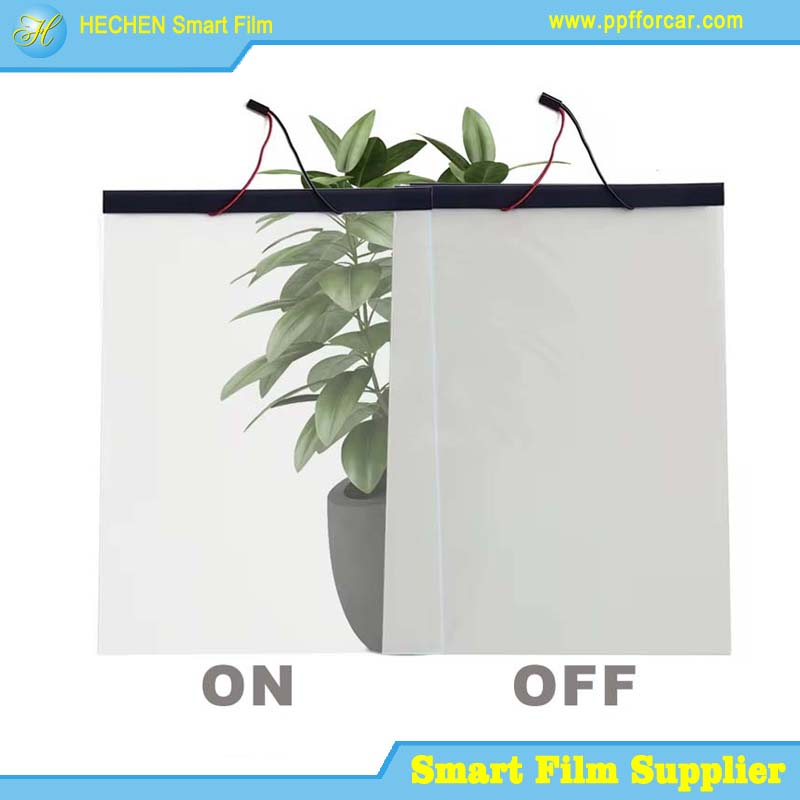
At its core, electronically controlled dimming glass film is a type of smart glass technology that allows users to adjust the transparency of glass surfaces on demand. Unlike traditional glass, which remains static in its light transmission properties, this film enables glass to transition from fully transparent to completely opaque—or anywhere in between—by applying an electric current.The film itself is typically a multi-layered material. It consists of a core layer of liquid crystals or electrochromic materials sandwiched between two thin, transparent conductive layers, often made of materials like indium tin oxide (ITO). These layers are then encased in protective plastic or adhesive films that allow the material to stick to glass surfaces. When no electricity flows through the film, it scatters light, appearing frosted or opaque. When voltage is applied, it aligns the internal components to let light pass through, making the glass clear.This technology can be applied to existing windows, doors, or partitions as a retrofit solution, or it can be integrated into new glass products during manufacturing. Its versatility and adaptability have made it a popular choice for anyone looking to add smart functionality to transparent surfaces.
2. How Does Electronically Controlled Dimming Glass Film Work?
The magic of electronically controlled dimming glass film lies in its ability to manipulate light through the properties of its internal materials. There are three primary technologies used in these films: Polymer-Dispersed Liquid Crystal (PDLC), Electrochromic, and Suspended Particle Device (SPD). Each operates differently, offering unique benefits depending on the use case.
2.1 Polymer-Dispersed Liquid Crystal (PDLC) Film
The most common type, PDLC film, uses tiny droplets of liquid crystals embedded in a polymer matrix. In its default “off” state (no voltage), these droplets are randomly oriented, scattering light and giving the film an opaque, frosted appearance. When an electric current—typically 20 to 100 volts of alternating current (AC)—is applied, the liquid crystals align in a uniform direction, allowing light to pass through and making the film transparent. This switch happens almost instantly, often within milliseconds, making PDLC ideal for applications needing rapid changes, like privacy glass in offices or cars.
2.2 Electrochromic Film
Electrochromic film relies on materials like tungsten oxide that change color or opacity when exposed to an electric charge. When voltage is applied, a chemical reaction alters the material’s properties, reducing light transmission to create a tinted or opaque effect. Unlike PDLC, which offers a binary clear-to-opaque switch, electrochromic film can achieve a spectrum of tint levels, providing more nuanced control over light and heat. However, its transition is slower, taking seconds to minutes, which suits applications like building windows where gradual adjustments are acceptable.
2.3 Suspended Particle Device (SPD) Film
SPD film contains microscopic particles suspended in a liquid medium. Without voltage, these particles float randomly, blocking light and rendering the film opaque. When electricity is applied, the particles align, letting light through. SPD film switches faster than electrochromic film and offers adjustable tint levels, making it a favorite in luxury automotive windows and high-end architectural projects.Each type of film requires a power source and control system—such as a switch, remote, or smart device—to operate. The choice between PDLC, electrochromic, or SPD depends on factors like speed, cost, and desired light control precision.
3. Applications of Electronically Controlled Dimming Glass Film
The versatility of electronically controlled dimming glass film has led to its adoption across a wide range of industries, each leveraging its ability to adapt spaces and surfaces dynamically.
3.1 Architecture and Interior Design
In buildings, dimming glass film is used for smart windows, partitions, skylights, and doors. It allows architects to create flexible spaces—think of an open-plan office where glass walls turn opaque for private meetings, then clear again for collaboration. Homes benefit too, with applications in bathrooms or bedrooms where the film replaces curtains while maintaining a modern look. Iconic examples include the One Penn 1 building in New York, which uses smart glass to optimize light and privacy.
3.2 Automotive Industry
Carmakers use dimming film in sunroofs, privacy windows, and mirrors to enhance driver comfort and efficiency. Luxury brands like Tesla and Mercedes-Benz offer dimmable glass options that reduce glare and heat, improving visibility and reducing reliance on air conditioning—an especially valuable feature in electric vehicles aiming to maximize battery range.
3.3 Healthcare
Hospitals use dimming glass film for privacy screens in patient rooms and operating theaters. Its instant switching ensures confidentiality without sacrificing natural light, while its smooth surface is easier to sanitize than fabric curtains, reducing infection risks. Clinics also use it in waiting areas to create adaptable, calming spaces.
3.4 Retail and Consumer Electronics
Retail stores employ dimming film in shop windows that double as interactive displays, switching from transparent to opaque to showcase advertisements. In consumer electronics, it’s used in smart mirrors and touchscreens, blending functionality with style—imagine a bathroom mirror that displays the weather when activated.
3.5 Aerospace and Transportation
In aviation, companies like Boeing integrate dimming film into airplane windows, letting passengers control light without bulky shades, reducing weight and maintenance. High-speed trains and luxury buses are following suit, using the film to enhance passenger comfort and modernize interiors.These applications showcase how dimming glass film bridges practicality and innovation across diverse sectors.

4. Benefits of Electronically Controlled Dimming Glass Film
The appeal of this technology lies in its numerous advantages, making it a standout choice for modern design.
· Instant Privacy: Switchable opacity offers privacy at the push of a button, eliminating the need for additional window coverings.
· Energy Savings: By regulating light and heat, the film reduces reliance on artificial lighting and HVAC systems—studies suggest energy savings of up to 20% in buildings.
· UV Protection: It blocks harmful ultraviolet rays, protecting interiors and occupants alike.
· Sleek Design: The film enables minimalist aesthetics, replacing clunky blinds with a clean, high-tech look.
· Low Maintenance: Its smooth surface is easy to clean and doesn’t trap dust like traditional coverings.
· Enhanced Comfort: Adjustable light control improves occupant comfort in homes, offices, and vehicles.
These benefits make electronically controlled dimming glass film a smart, sustainable solution for a variety of needs.
5. Challenges and Limitations
Despite its promise, the technology isn’t without hurdles that temper its widespread use.
· High Cost: At $50 to $150 per square foot, plus installation expenses, the film is a premium product, limiting its accessibility.
· Power Dependency: Many films require continuous electricity to stay transparent, reverting to opaque during outages, which may necessitate backup systems.
· Durability Concerns: Over time, frequent switching or harsh conditions can degrade performance, with lifespans typically ranging from 5 to 10 years.
· Limited Flexibility: Most films offer binary or limited tint options, lacking the full customization some users desire.
· Installation Challenges: Retrofitting older structures can be complex, requiring electrical integration that may not always be feasible.
Overcoming these obstacles is key to broadening the technology’s reach.
6. Future Trends and Innovations
The future of electronically controlled dimming glass film is bright, with advancements poised to address current limitations and expand its horizons.
· Improved Materials: Nanotechnology and new liquid crystal designs promise faster, more durable, and energy-efficient films.
· Smart Integration: IoT connectivity will enable automation—imagine windows that adjust based on weather or occupancy, controlled via apps or voice assistants.
· Cost Reduction: Mass production techniques could drive prices down, making the technology more affordable.
· Self-Sustaining Power: Solar-powered films that generate their own electricity are in development, reducing reliance on external sources.
· New Frontiers: Applications in VR/AR devices, wearable tech, and even flexible displays hint at a broader role for dimming film in the digital age.
These innovations suggest that dimming glass film will become an even more integral part of our lives.
Conclusion
Electronically controlled dimming glass film is more than a technological novelty—it’s a transformative tool that redefines how we manage light, privacy, and energy. From smart homes to high-tech cars, its applications are vast, offering a blend of convenience, efficiency, and style. While challenges like cost and durability remain, the pace of innovation suggests a future where this technology is both ubiquitous and affordable. As we move toward smarter, greener living, electronically controlled dimming glass film stands out as a shining example of what’s possible when science meets design.
For more about the electronically controlled dimming glass film: revolutionizing light and privacy in modern design, you can pay a visit to Hechen PDLC Smart Film Manufacturers for more info.