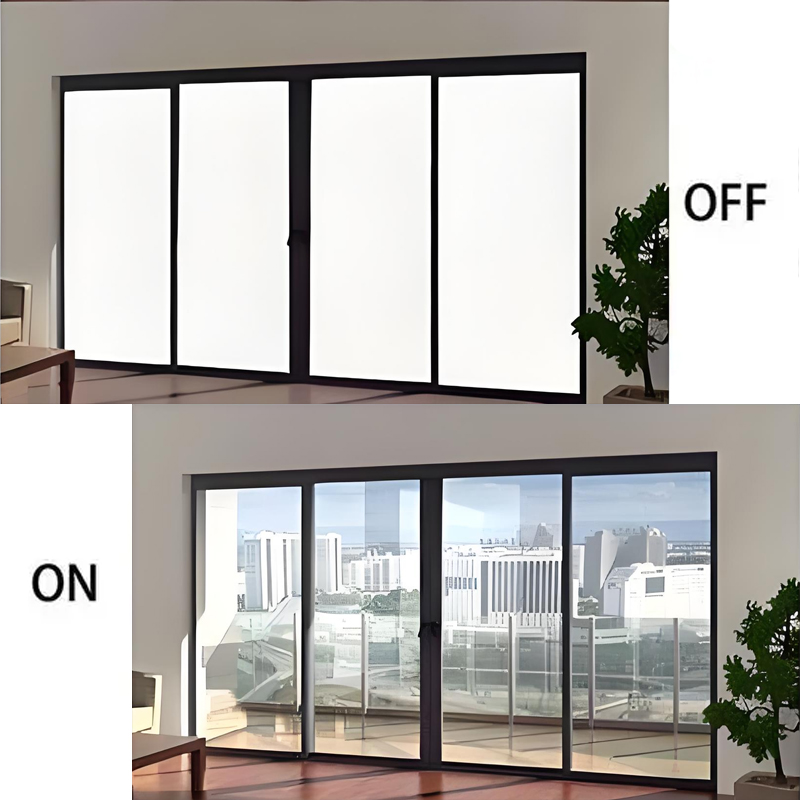
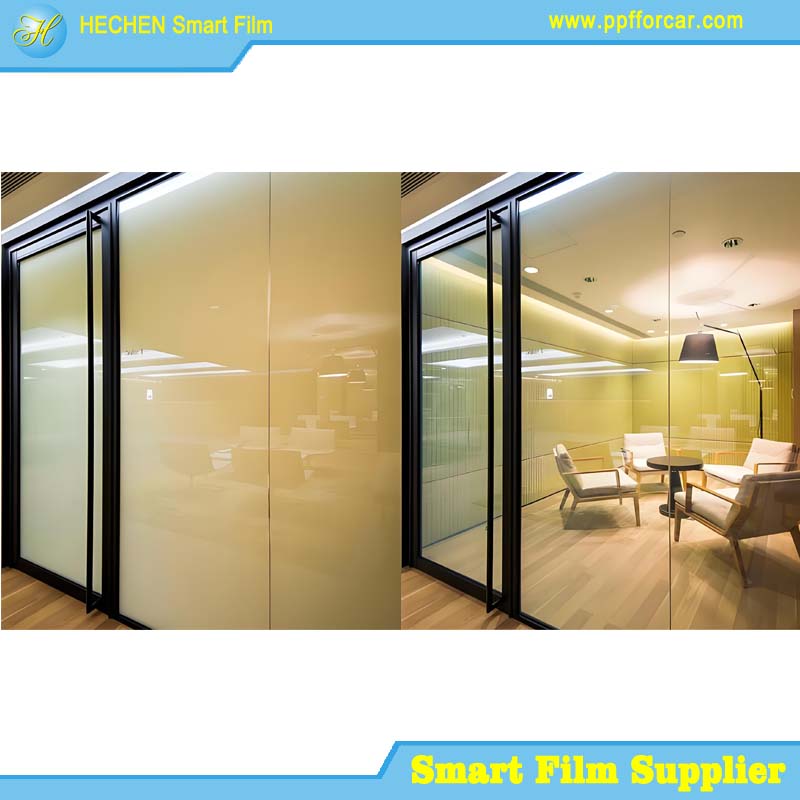
Electronically Controlled Dimming Glass: Revolutionizing Light and Privacy
Electronically controlled dimming glass, also known as smart glass or switchable glass, is a transformative technology that allows users to control the transparency or opacity of glass surfaces with the flick of a switch, a tap on an app, or even automatically through sensors. This innovative material has redefined how we interact with windows, partitions, and displays in homes, offices, vehicles, and public spaces. By leveraging advanced materials like liquid crystals or electrochromic compounds, dimming glass provides dynamic control over light, privacy, and energy efficiency.The rise of smart glass reflects the growing demand for sustainable, user-centric solutions in architecture, automotive, and consumer electronics. From reducing energy costs to enhancing aesthetic flexibility, this technology is reshaping modern design. This article explores the science behind electronically controlled dimming glass, its types, applications, benefits, challenges, and future potential.
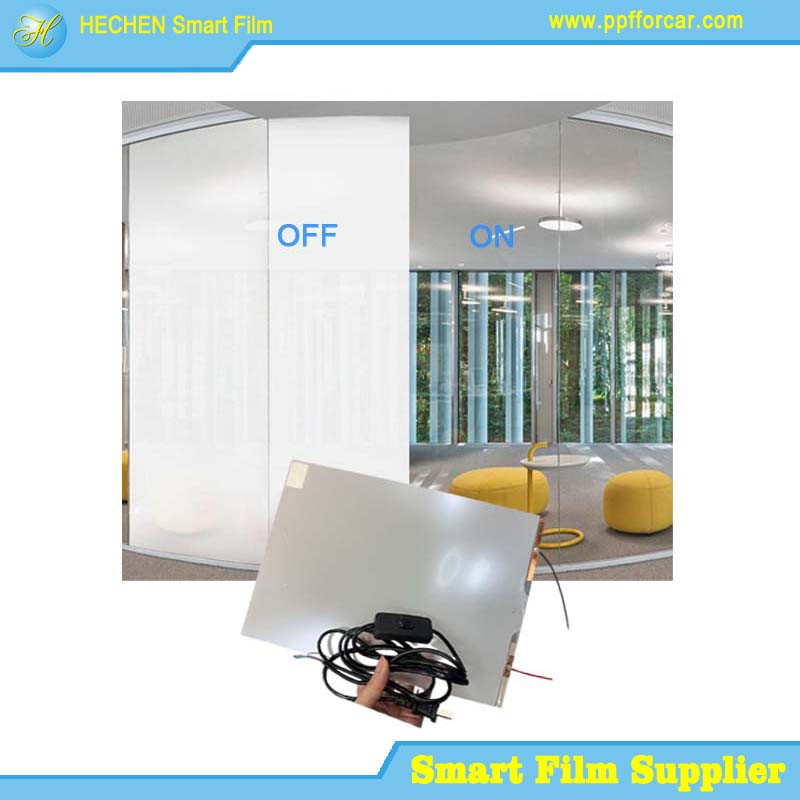
What is Electronically Controlled Dimming Glass?
Electronically controlled dimming glass is a type of smart glass that changes its light transmission properties when an electric current, voltage, or signal is applied. Unlike traditional glass, which has fixed transparency, dimming glass can transition between transparent, translucent, or opaque states. This is achieved through materials embedded within or coated onto the glass that respond to electrical stimuli.The core principle involves manipulating the alignment of particles or molecules within the glass. When no voltage is applied, these particles scatter light, making the glass appear frosted or opaque. When voltage is applied, the particles align to allow light to pass through, rendering the glass transparent. This on-demand control makes smart glass ideal for applications requiring adjustable privacy or light management.Smart glass is typically integrated with control systems, such as switches, remote controls, or smart home platforms, allowing users to customize its behavior. Some systems even incorporate sensors to adjust opacity based on ambient light or temperature, enhancing energy efficiency.
Types of Dimming Glass Technologies
Several technologies power electronically controlled dimming glass, each with unique properties and applications. The most common types include:
Polymer-Dispersed Liquid Crystal (PDLC) Glass
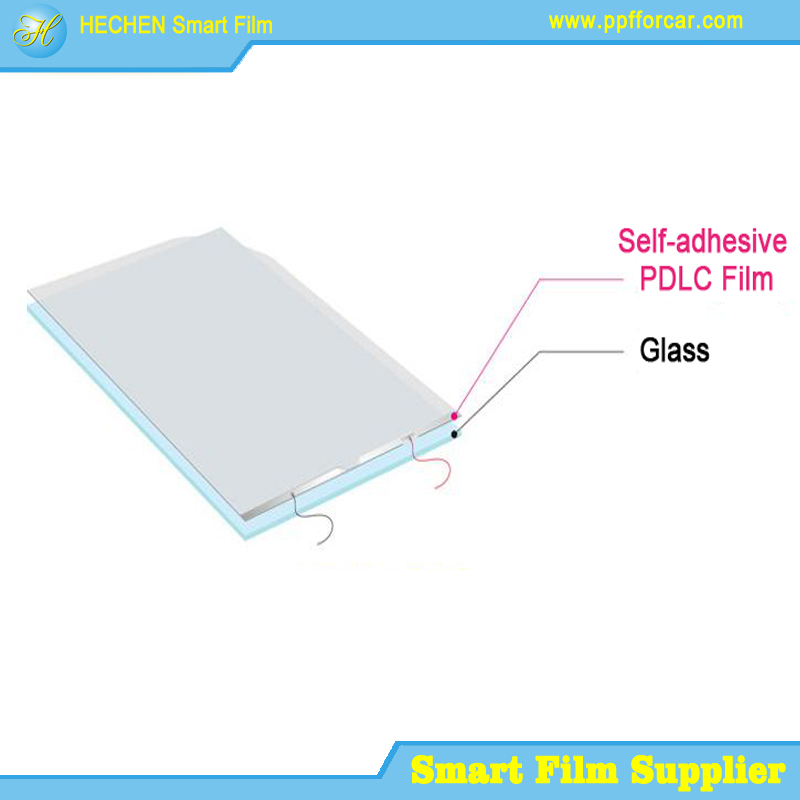
PDLC glass is the most widely used form of smart glass. It consists of a layer of liquid crystal droplets suspended in a polymer matrix, sandwiched between two glass panes coated with conductive films. When no electricity is applied, the liquid crystals are randomly oriented, scattering light and making the glass opaque. Applying voltage aligns the crystals, allowing light to pass through.PDLC glass is popular in office partitions, conference rooms, and healthcare facilities due to its instant switching (under a second) and high opacity for privacy. However, it typically switches between opaque and transparent, with limited ability to fine-tune light levels.
Electrochromic Glass
Electrochromic glass uses a thin coating of electrochromic materials, such as tungsten oxide, that change color or opacity when an electric current is applied. Unlike PDLC, electrochromic glass can achieve a range of tint levels, from fully transparent to deeply tinted. The transition is slower (several seconds to minutes) but allows precise control over light and heat transmission.This technology is ideal for building facades, skylights, and automotive windows, where gradual tinting helps manage solar heat gain and glare.
Suspended Particle Device (SPD) Glass
SPD glass contains microscopic particles suspended in a liquid layer between glass panes. When voltage is applied, the particles align to allow light transmission; without voltage, they block light, creating a tinted effect. SPD glass offers faster switching than electrochromic glass and better control over light levels than PDLC.It’s commonly used in luxury vehicles, aircraft windows, and high-end architectural projects due to its ability to reduce glare while maintaining views.2.4 Other Emerging TechnologiesInnovations like micro-blind technology and thermochromic glass are also emerging. Micro-blind glass uses tiny metal shutters that roll up or down with voltage, while thermochromic glass adjusts opacity based on temperature, eliminating the need for electrical input.
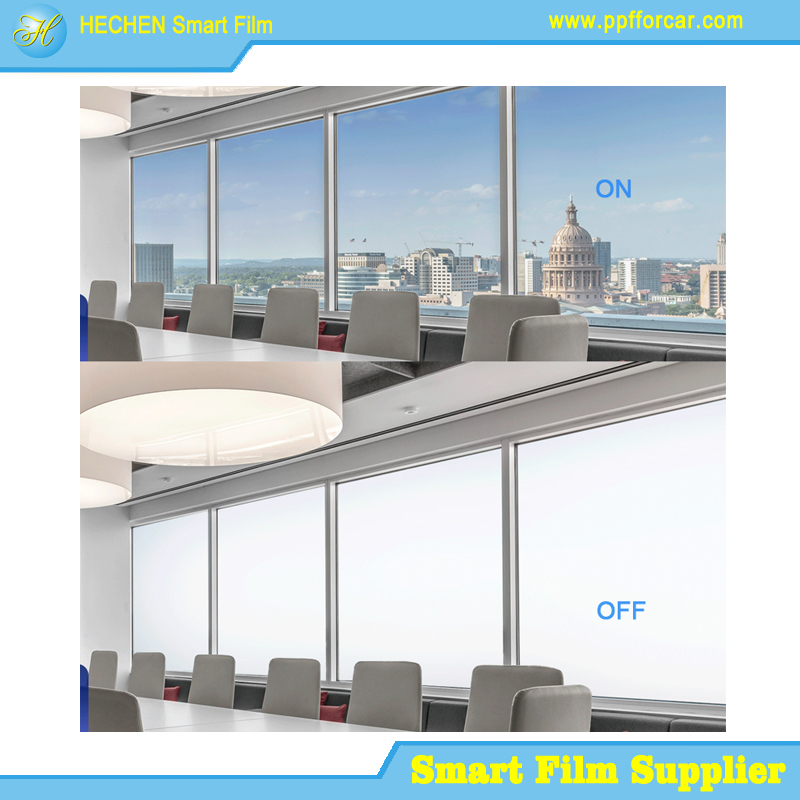
Applications of Dimming Glass
Electronically controlled dimming glass has versatile applications across industries, driven by its ability to enhance functionality, aesthetics, and sustainability.
Architecture and Interior Design
In buildings, smart glass is used for windows, skylights, and partitions. It allows architects to create dynamic spaces that adapt to user needs. For example, office conference rooms use PDLC glass for instant privacy during meetings, while electrochromic windows in skyscrapers reduce cooling costs by blocking solar heat.
Automotive Industry
Automotive manufacturers integrate dimming glass into sunroofs, side windows, and rearview mirrors. SPD and electrochromic technologies are popular for reducing glare and improving passenger comfort. For instance, Boeing’s 787 Dreamliner uses SPD glass for cabin windows, allowing passengers to adjust tint levels without physical shades.
Healthcare
In hospitals, PDLC glass creates private patient rooms or sterile environments while maintaining a bright, open feel. It also reduces the need for curtains, which can harbor bacteria, improving hygiene.
Consumer Electronics and Retail
Smart glass is used in display screens, touch panels, and retail storefronts. For example, interactive shop windows can switch from transparent to displaying advertisements, engaging customers dynamically.
Residential Applications
Homeowners use dimming glass for privacy in bathrooms, home theaters, or glass-walled rooms. Smart glass skylights or windows also enhance energy efficiency by reducing reliance on artificial lighting and HVAC systems.
Benefits of Dimming Glass
The advantages of electronically controlled dimming glass make it a game-changer:
· Privacy on Demand: Switchable glass eliminates the need for blinds or curtains, offering instant privacy without sacrificing natural light.
· Energy Efficiency: By controlling light and heat transmission, smart glass reduces energy consumption for heating, cooling, and lighting. Studies show electrochromic windows can reduce energy costs by up to 20% in commercial buildings.
· UV Protection: Dimming glass blocks harmful UV rays, protecting interiors from fading and occupants from skin damage.
· Aesthetic Flexibility: Smart glass enables sleek, modern designs with clean lines and adaptable aesthetics.
· Enhanced Comfort: Reducing glare and heat improves occupant comfort in homes, offices, and vehicles.
Challenges and Limitations
Despite its potential, dimming glass faces challenges:
· High Costs: Manufacturing and installation costs are significant, limiting adoption in budget-conscious projects. For example, PDLC glass can cost $50–$150 per square foot.
· Power Dependency: Most smart glass requires a continuous power supply to maintain transparency, increasing operational costs in some cases.
· Durability Concerns: Repeated switching or exposure to extreme conditions can degrade performance over time, particularly in electrochromic glass.
· Switching Speed: Technologies like electrochromic glass have slower transition times, which may not suit applications requiring instant changes.
· Limited Color Options: Most dimming glass offers clear-to-opaque or tinted transitions, with limited ability to incorporate vibrant colors.
Future Trends and Innovations
The future of dimming glass is bright, with ongoing advancements expanding its potential:
· Integration with IoT: Smart glass is increasingly integrated with Internet of Things (IoT) platforms, allowing automated adjustments based on weather, time, or occupancy. For example, windows could tint automatically during peak sunlight hours.
· Self-Powering Glass: Research into photovoltaic smart glass aims to create self-sustaining systems that generate power from sunlight to operate the glass.
· Cost Reduction: Advances in manufacturing, such as roll-to-roll processing, promise to lower production costs, making smart glass more accessible.
· Customizable Aesthetics: Emerging technologies may allow dynamic color changes or patterns, enhancing design possibilities.
· Sustainability Focus: As green building standards grow, smart glass will play a larger role in achieving net-zero energy goals.
Conclusion
Electronically controlled dimming glass is revolutionizing how we interact with our environments, offering unparalleled control over light, privacy, and energy use. From PDLC to electrochromic and SPD technologies, its applications span architecture, automotive, healthcare, and beyond. While challenges like cost and durability persist, ongoing innovations promise to make smart glass more affordable and versatile. As the world prioritizes sustainability and smart technology, dimming glass will continue to shape the future of design and functionality, creating spaces that are both adaptive and efficient.
For more about the electronically controlled dimming glass: revolutionizing light and rrivacy, you can pay a visit to Hechen PDLC Smart Film Manufacturers for more info.