High-Performance Switchable Window Tint Designed Specifically for Commercial Buildings
In the evolving landscape of modern architecture, commercial buildings are increasingly adopting innovative technologies to meet the demands of sustainability, occupant well-being, and operational efficiency. One such breakthrough is high-performance switchable window tint, often referred to as smart glass or electrochromic glazing. This technology allows windows to dynamically adjust their tint levels in response to external conditions or user commands, transforming from clear to opaque or tinted states with the application of a low-voltage electrical charge. Designed specifically for large-scale applications like office towers, retail spaces, hospitals, and educational institutions, switchable window tint addresses key challenges in commercial environments: soaring energy costs, the need for flexible privacy, and maintaining optimal indoor comfort without sacrificing natural light or views.
The rise of switchable window tint is driven by the global push toward net-zero buildings and stricter energy regulations. According to industry reports, buildings account for nearly 40% of global energy consumption, with heating, ventilation, and air conditioning (HVAC) systems being major contributors. Traditional solutions like blinds, static tints, or curtains often block views entirely or require manual intervention, leading to inconsistent performance. In contrast, switchable tints offer automated, intelligent control, integrating seamlessly with building management systems (BMS) to optimize performance in real-time. For commercial buildings, where large glass facades are common to maximize daylighting and aesthetics, this technology not only reduces energy bills but also enhances privacy on demand—ideal for conference rooms or open-plan offices—and improves comfort by mitigating glare and heat gain.
Electrochromic glass, a leading type of switchable tint, has been commercialized by companies like SageGlass and View, with installations in thousands of projects worldwide. Other variants, such as polymer-dispersed liquid crystal (PDLC) films, provide instant privacy switching. As of 2025, the smart glass market is projected to exceed $10 billion, fueled by advancements in durability, faster switching times, and lower costs. This article explores the core features of high-performance switchable window tint tailored for commercial use, delving into its mechanisms, benefits for energy efficiency, privacy control, and interior comfort, while highlighting design considerations and real-world applications.
Understanding Switchable Window Tint Technology
At its core, switchable window tint relies on advanced materials that alter their optical properties under specific stimuli. The most prevalent technologies for commercial applications include electrochromic glass, suspended particle devices (SPD), and PDLC films, each offering unique advantages.
Electrochromic glass, often hailed as the gold standard for energy-focused commercial buildings, consists of multiple thin layers sandwiched between glass panes: a transparent conductor, an electrochromic layer (typically tungsten oxide), an ion conductor, an ion storage layer, and another conductor. When a low voltage (around 1-5 volts) is applied, ions migrate across layers, causing the material to darken by absorbing light. Reversing the voltage clears the tint. This process consumes minimal power—less than 2 watts per square meter during switching—and maintains its state with near-zero energy once set, thanks to high "open circuit memory." Switching times range from seconds to minutes, depending on the size and ambient temperature, with modern systems achieving full transitions in under 5 minutes.
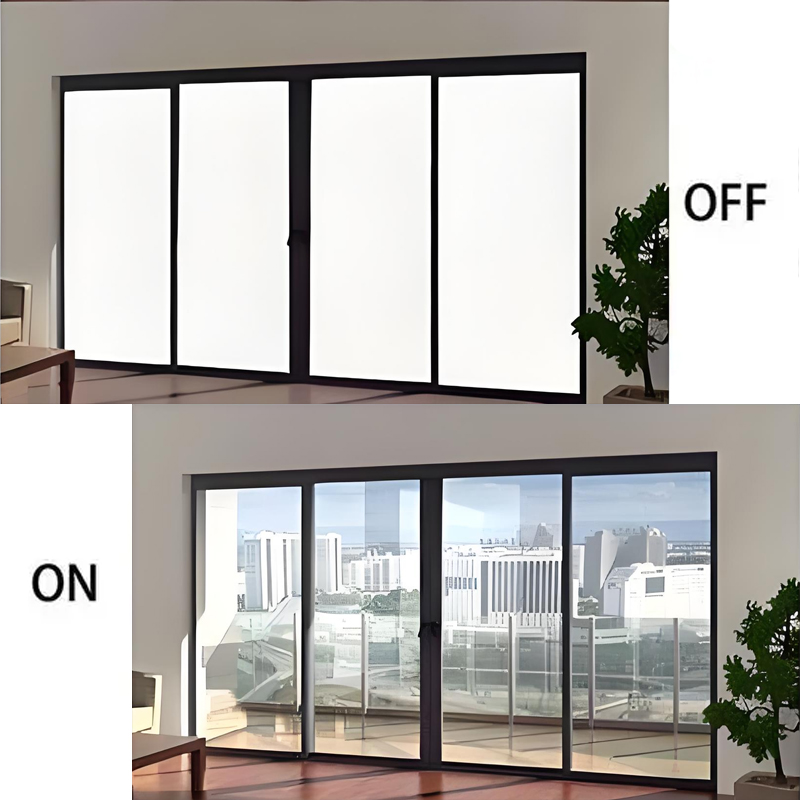
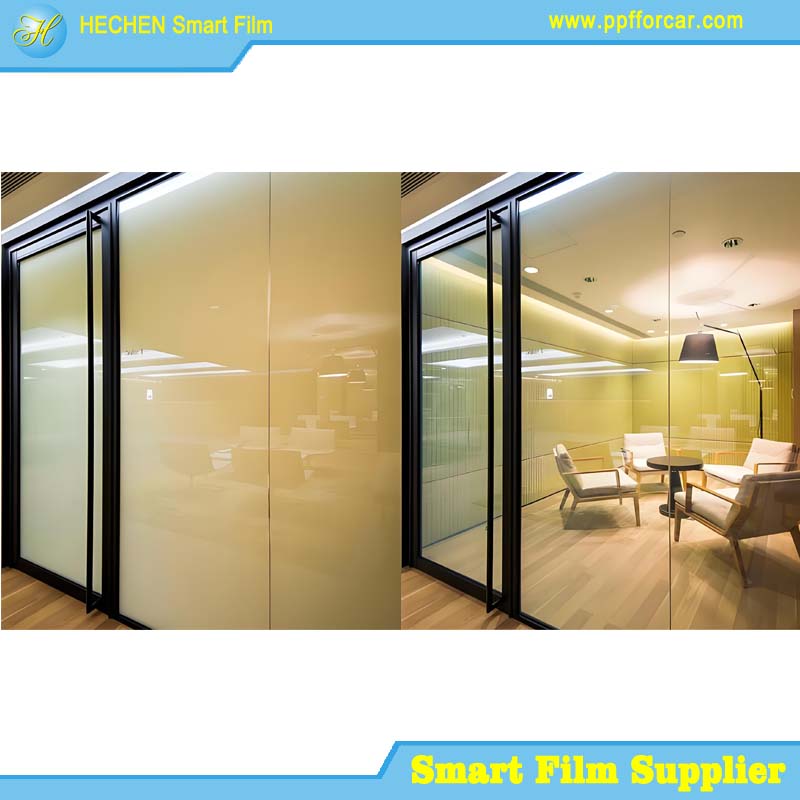
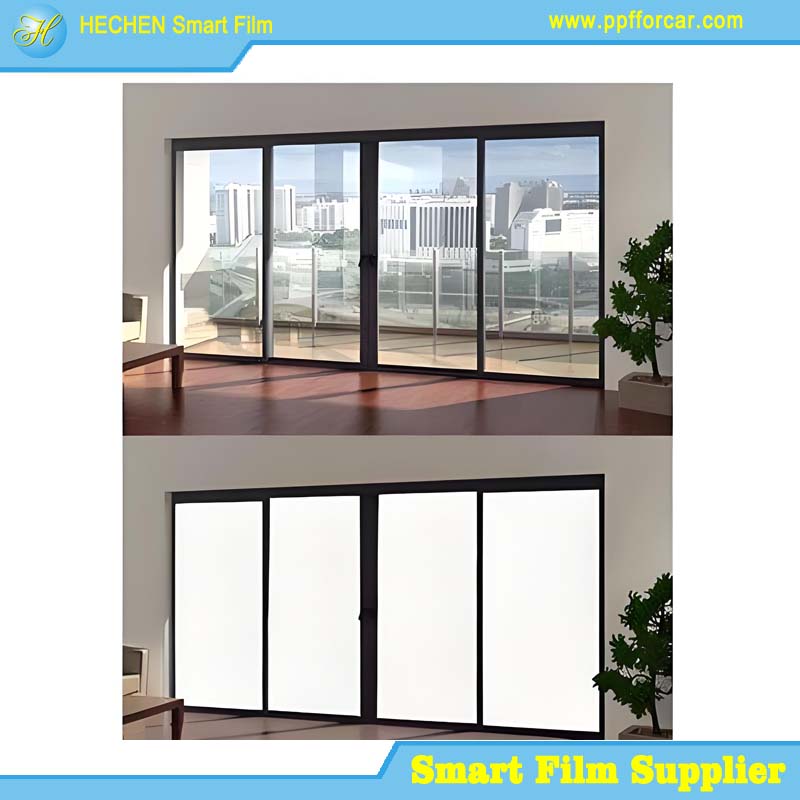
For commercial durability, electrochromic tints are integrated into insulated glass units (IGUs) with low-emissivity (Low-E) coatings, enhancing thermal performance. These units can withstand extreme temperatures from -30°C to 90°C and offer UV blockage up to 99%, protecting interiors from fading. PDLC films, on the other hand, use liquid crystals dispersed in a polymer matrix. In their off state, they appear frosted for privacy; applying voltage aligns the crystals for transparency. While faster (milliseconds), PDLC consumes more power in the clear state and is better suited for interior partitions rather than exterior windows due to lower solar control.
SPD technology suspends light-absorbing particles in a liquid between conductive layers; voltage aligns them for clarity. It's excellent for variable tinting but less common in commercial exteriors due to higher costs. For commercial buildings, electrochromic options dominate because they provide superior solar heat gain coefficient (SHGC) modulation—from 0.48 in clear to 0.09 in tinted—directly impacting energy loads. Integration with IoT sensors allows automatic adjustments based on sunlight, time, or occupancy, making these systems "smart" in the truest sense.
Design for commercial use emphasizes scalability and longevity. Panels can span up to 1.5 x 3 meters, with warranties extending 20-30 years. Installation involves retrofitting existing windows or incorporating into new builds, with costs ranging from $50-100 per square foot, offset by energy savings. Safety features include fail-safe modes (e.g., defaulting to clear during power outages) and compliance with building codes like ASTM standards for impact resistance.
Enhancing Energy Efficiency in Commercial Buildings
Energy efficiency is perhaps the most compelling benefit of switchable window tint for commercial structures, where vast glazed areas can lead to excessive solar heat gain, driving up cooling costs in summer and heating needs in winter. By dynamically controlling the amount of infrared and visible light entering the building, these tints reduce reliance on mechanical systems, potentially cutting energy consumption by 20-30%. In electrochromic systems, the tint level adjusts to block up to 99% of solar heat while allowing natural light, maintaining a low SHGC without darkening interiors completely. For instance, in a typical office building, windows contribute to 40% of heat loss or gain; switchable tints mitigate this by tinting during peak sun hours, reducing HVAC loads by 10-15% annually. A study by the Lawrence Berkeley National Laboratory highlighted that electrochromic windows outperform static Low-E glass, saving up to 19 kWh per square meter per year in cooling-dominated climates.
Commercial designs incorporate zoning, where facade sections tint independently based on orientation—eastern windows darken in the morning, southern ones at midday. Integration with BMS uses sensors for light, temperature, and weather data to automate tinting, optimizing for energy while preserving views. In colder regions, clear states during winter maximize passive solar heating, further balancing seasonal demands.
Real-world examples underscore these gains. The Edge building in Amsterdam, equipped with View's smart glass, achieved a 98% BREEAM sustainability score, with energy savings attributed to reduced artificial lighting and cooling. Similarly, SageGlass installations in U.S. hospitals have reported 25% drops in energy use, alongside lower peak demand charges. For retrofits, films like those from ElectraTint offer cost-effective upgrades, with payback periods of 3-7 years through utility rebates and tax incentives under programs like LEED.
Beyond direct savings, switchable tints contribute to grid stability by shaving peak loads, aligning with net-zero goals. As commercial buildings face rising energy prices—up 15% globally in 2025—these systems provide a high-ROI solution, combining aesthetics with performance.
Privacy Control: On-Demand Security and Flexibility
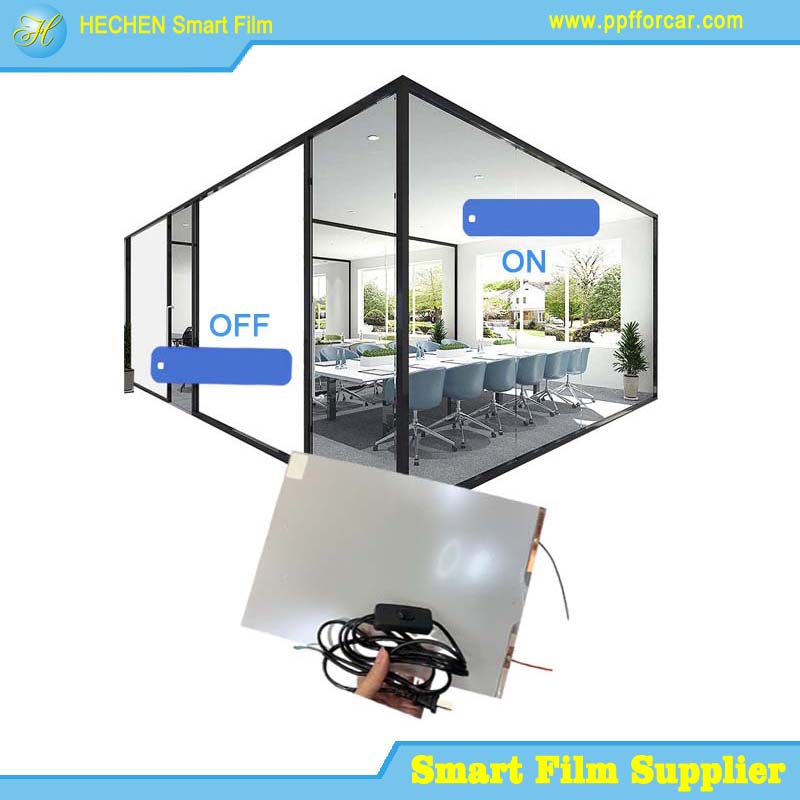
Privacy is a critical concern in commercial settings, where open layouts foster collaboration but risk confidentiality breaches. Switchable window tint excels here, offering instant, user-controlled opacity without physical barriers.
In PDLC-based systems, common for interior applications, the film switches from translucent (blocking views) to transparent in milliseconds, ideal for conference rooms or executive offices. Electrochromic exteriors provide variable tinting, obscuring interiors during sensitive meetings while allowing light ingress. This dual functionality surpasses static frosted glass, which is inflexible.
Commercial designs include app-based controls, voice integration (e.g., with Alexa), or scheduling via BMS, enabling privacy modes during client visits or after hours. For high-security environments like banks or government buildings, tints enhance physical security by deterring visual reconnaissance, complementing surveillance systems.
In retail, switchable tints create dynamic storefronts—clear for displays, tinted for privacy events. Offices benefit from reduced distractions; a study showed 15% productivity boosts in spaces with controllable privacy. Durability features like scratch-resistant coatings ensure long-term performance in high-traffic areas.
Overall, this technology empowers users, turning windows into active privacy tools tailored to commercial workflows.
Boosting Interior Comfort for Occupants
Interior comfort directly influences productivity, health, and satisfaction in commercial buildings. Switchable window tint addresses glare, thermal discomfort, and UV exposure, creating balanced environments.
Glare from direct sunlight can reduce computer screen visibility by 50%, leading to eye strain. Electrochromic tints reduce visible light transmittance (VLT) from 60% clear to 1% tinted, eliminating glare without blinds. This preserves biophilic benefits—access to views and daylight—which studies link to 10-15% higher well-being scores.
Thermal comfort is enhanced by blocking infrared radiation, maintaining even temperatures and reducing "hot spots" near windows. In summer, tinted states lower indoor temps by 5-10°C, easing HVAC strain. UV protection prevents skin damage and material fading, with tints blocking 99% of rays.
For commercial specifics, systems integrate with occupancy sensors to adjust for user presence, ensuring comfort in diverse spaces like atria or labs. Acoustic benefits from laminated glass reduce noise, further enhancing ambiance.
Implementation and Future Trends
Implementing switchable tint in commercial buildings involves site assessments, custom sizing, and electrical integration. Retrofits use adhesive films, while new builds embed in facades. Challenges like initial costs are mitigated by incentives.
Future trends include faster-switching nanomaterials, AI-driven predictions, and hybrid systems combining electrochromic with photovoltaic elements for self-powering. As adoption grows, prices will drop, making it standard in sustainable design.
Conclusion
High-performance switchable window tint represents a paradigm shift for commercial buildings, delivering unmatched energy efficiency, privacy, and comfort. By embracing this technology, stakeholders can create smarter, greener spaces that benefit both the bottom line and occupants.
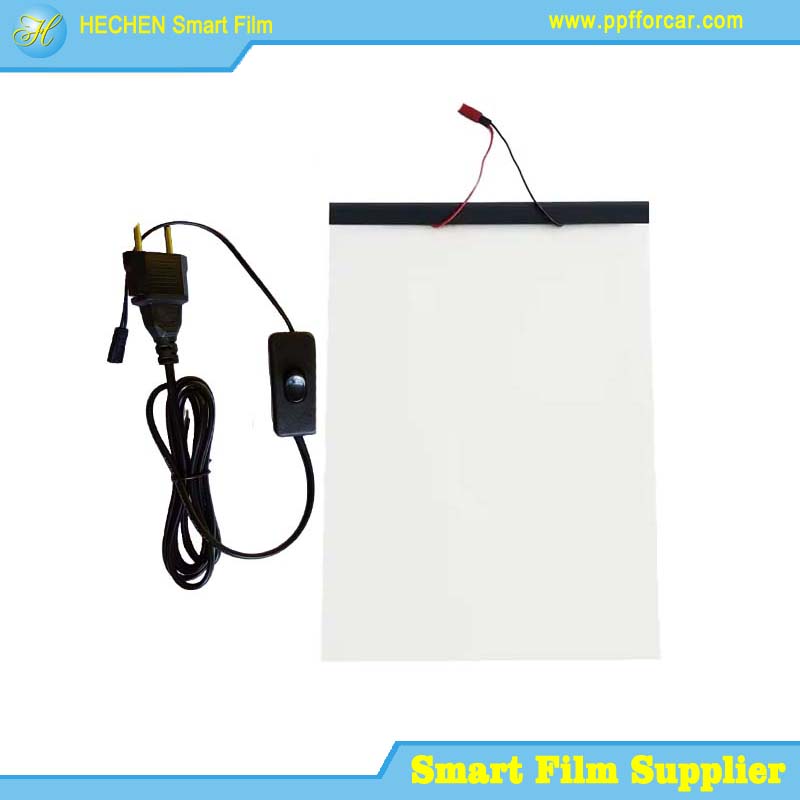
For more about the high-performance switchable window tint designed specifically for commercial buildings, you can pay a visit to Hechen PDLC Smart Film Manufacturers for more info.