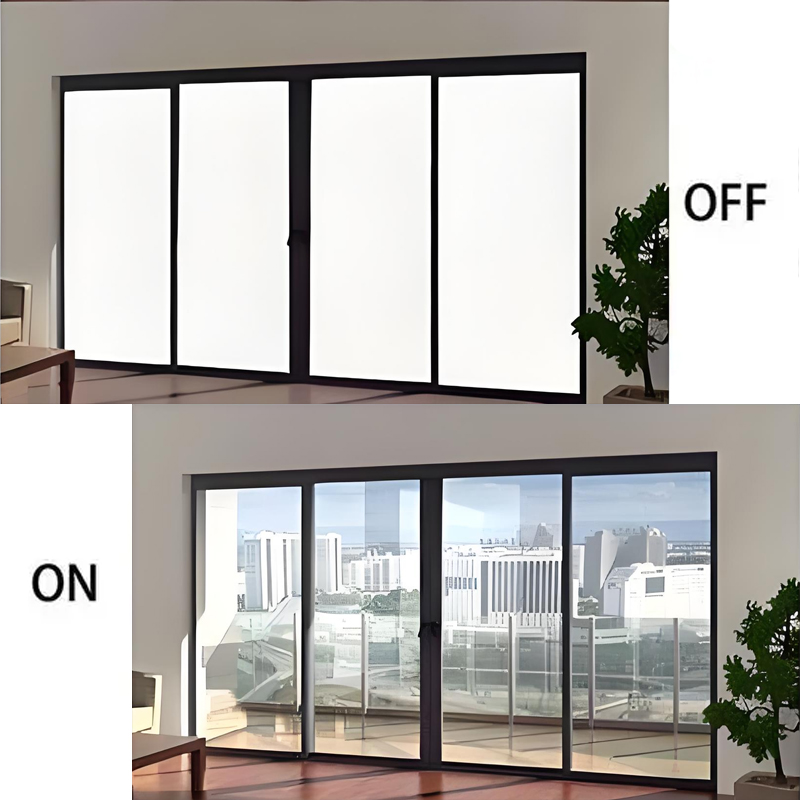
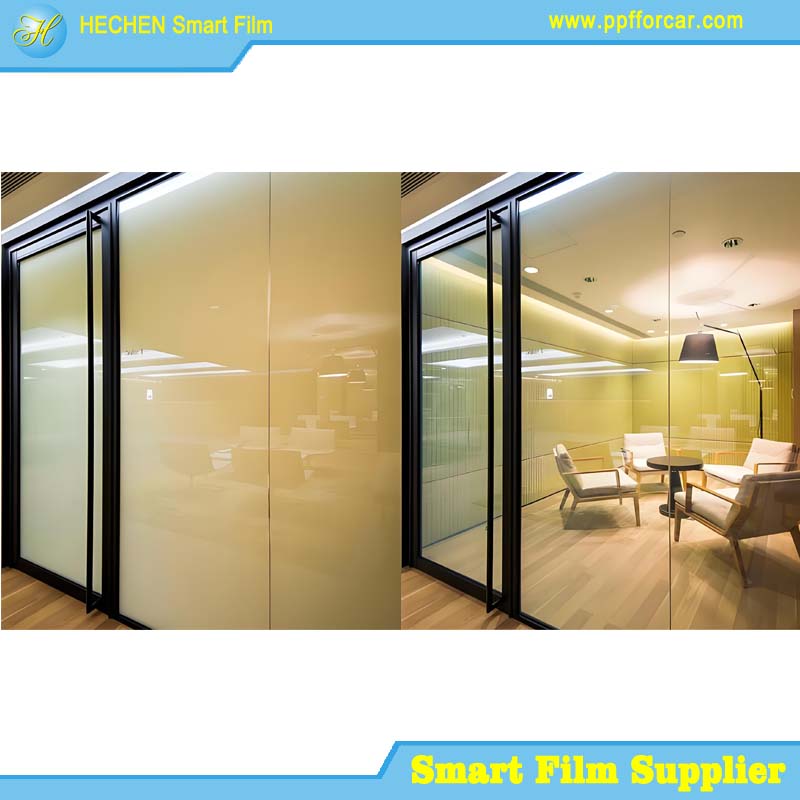
Invisible Protection Of Building Glass:Analysis of Reflective Protective Film
1、 Entering the Building Glass Reflective Building Tint Film
On the streets of bustling cities, towering skyscrapers stand like shining giants, with their glass curtain walls shining brightly in the sunlight. Upon careful observation, you will find that some buildings' glass seems to be different from ordinary glass. They not only reflect the surrounding scenery, but also to some extent resist the invasion of sunlight. The mystery behind this lies in the reflective Building Tint Film of the building glass. Perhaps you have missed it countless times in your daily life without delving into what it really is. Today, let's unveil the mysterious veil of architectural glass reflective Building Tint Film and explore its unique role, characteristics, and wide applications in the field of architecture.

2、 Function Unveiled
(1) Thermal insulation, regulating indoor temperature
Architectural glass reflective Building Tint Film is like putting an intelligent "temperature regulating suit" on architectural glass. Its insulation principle is mainly based on the reflection of solar radiation heat. In the scorching summer, when strong sunlight shines on glass with reflective Building Tint Film, the special metal or ceramic coating in the Building Tint Film will work, reflecting most of the infrared rays back, just like a mirror reflecting light. According to relevant data, high-quality reflective Building Tint Film can reflect up to 70% -80% of solar radiation heat, significantly reducing the amount of heat entering the room. In this way, the indoor temperature can be effectively reduced by 3-7 ℃, and the frequency and load of air conditioning use are also reduced, thereby achieving significant energy-saving effects.
In the cold winter, reflective Building Tint Film can also serve as insulation. It can prevent indoor heat from dissipating to the outside through glass, like building a "protective wall" for indoor heat, reducing heat exchange between indoors and outdoors, helping to maintain indoor warmth, and reducing energy consumption for winter heating. For example, in some cities in the north, buildings that use reflective Building Tint Film in winter can reduce heating energy consumption by about 15% -25% compared to unused buildings, greatly saving energy costs.
(2) Privacy protection, safeguarding personal space
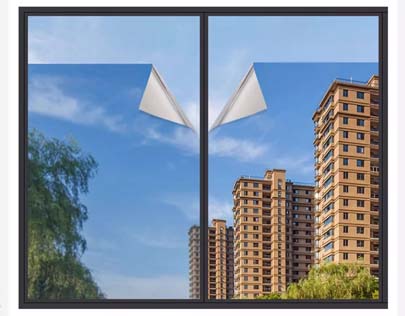
The one-way perspective function of reflective Building Tint Film has brought great convenience to people's lives. It is like a mysterious veil, cleverly balancing the line of sight indoors and outdoors. The principle of implementing one-way perspective is based on the reflection and transmission characteristics of light. When the outdoor light is brighter than the indoor light, the surface of the reflective Building Tint Film acts like a mirror, reflecting a large amount of outdoor light, making it difficult for outdoor people to see the indoor situation clearly; However, when viewed from indoors, due to the relatively dim indoor lighting, the outdoor scenery can still be clearly seen through the reflective Building Tint Film.
In daily life, this one-way perspective function has a wide range of applications. In residential areas, people can freely move around without affecting indoor lighting, without worrying about being spied on by the outside world; In commercial places such as offices, conference rooms, etc., reflective Building Tint Film can not only ensure the openness and lighting needs of indoor space, but also protect trade secrets and employees' work privacy, creating a relatively independent and private working environment.
(3) UV protection, extending the lifespan of items
Ultraviolet radiation is an invisible light that, although its proportion in sunlight is relatively small, has strong destructive power. Long term exposure to ultraviolet radiation not only causes damage to human skin and increases the risk of skin cancer, but also has adverse effects on indoor furniture, decorations, floors, curtains, and other items, leading to fading, aging, brittleness, and shortened service life.
Architectural glass reflective Building Tint Film can effectively block ultraviolet rays and provide reliable protection for indoor items. Most high-quality reflective Building Tint Films can block more than 99% of harmful ultraviolet rays. The principle is to absorb or reflect ultraviolet rays through special coatings, blocking them outdoors. Taking indoor wooden furniture as an example, without the use of reflective Building Tint Film, significant fading and uneven color may occur within 1-2 years under long-term exposure to ultraviolet radiation; In an environment with reflective Building Tint Film, the same furniture can maintain its bright color and good texture for 3-5 years or even longer, greatly extending the service life of the item and reducing the cost of replacement and maintenance.
(4) Enhance safety, explosion-proof and seismic resistance
Safety is a crucial factor in building design and use, and building glass reflective Building Tint Film also plays an important role in this regard. Glass itself is a brittle material that is prone to breakage when subjected to external impacts, temperature changes, and other factors. After ordinary glass breaks, it will form sharp fragments, which may cause serious injury to personnel during the splashing process.
When the glass is coated with reflective Building Tint Film, the situation is very different. Reflective Building Tint Film usually uses polyester Building Tint Film as the substrate, which has strong toughness and is combined with special pressure-sensitive adhesive. When glass breaks, the Building Tint Film can tightly adhere to the glass fragments, preventing them from splashing around, just like putting a layer of "protective clothing" on the glass, effectively reducing the risk of personnel being scratched by glass fragments.
In addition, during natural disasters such as earthquakes and typhoons, building glass may be subjected to strong vibrations and impacts. The presence of reflective Building Tint Film can enhance the overall strength of glass, enabling it to resist the damage of external forces to a certain extent and providing more safety protection time for personnel inside the building.
(5) Beautify the appearance and enhance the building's aesthetic value
In modern architectural design, the appearance of a building is not only a visual display, but also an expression of culture and style. Architectural glass reflective Building Tint Film provides rich possibilities for shaping the appearance of buildings. It is like a "fashionable coat" of architecture, which can give buildings a unique appearance and personality.
There are various colors and gloss types of reflective Building Tint Film, ranging from classic silver and gold to fashionable blue and green, as well as different degrees of reflective effects, which can meet various architectural styles and design needs. For example, in some modern commercial buildings, the use of highly reflective silver or gold reflective Building Tint Film can make the building shine brightly in the sunlight, showcasing a luxurious and atmospheric commercial atmosphere; In some buildings that emphasize natural harmony, light blue or green reflective Building Tint Film is chosen to blend with the surrounding natural environment, creating a fresh and peaceful atmosphere.
In addition, reflective Building Tint Film can create unique visual effects through special pattern design or combination with other building materials, such as imitating stone texture, metal texture, etc., making buildings more artistic and innovative, and becoming a beautiful scenery in the city.
3、 Characteristic perspective
(1) High reflectivity, cleverly intertwined with light
The high reflectivity of building glass reflective Building Tint Film is one of its most significant characteristics, and it is also the key to achieving insulation, energy saving and other functions. The reflection principle of reflective Building Tint Film is based on the law of light reflection. When light shines on the surface of the reflective Building Tint Film, special coatings in the Building Tint Film, such as metal oxide coatings or multi-layer optical thin Building Tint Film coatings, can reflect the light back. These coatings are like tiny mirrors, neatly arranged on the surface of the Building Tint Film, effectively changing the direction of light propagation.
There are certain differences in reflectivity among different types of reflective Building Tint Films. Generally speaking, the reflectivity of metal coated reflective Building Tint Film is relatively high, reaching around 70% -90%, which makes it excellent in terms of insulation and energy saving, making it very suitable for use in areas with strong sunlight and high temperatures. For example, in buildings in desert areas, using high reflectivity metal coated reflective Building Tint Film can greatly reduce the entry of solar radiation heat, lower the load on indoor air conditioning, and create a cool and comfortable environment indoors.
The reflectivity of ceramic coated reflective Building Tint Film is relatively low, ranging from 40% to 60%, but it has good stability and durability. In some situations where the service life of the Building Tint Film is high, such as the exterior glass of high-rise buildings, ceramic coated reflective Building Tint Film has more advantages. In addition, some new types of nanostructured reflective Building Tint Films can achieve efficient reflection of specific wavelengths of light through clever design and application of nanomaterials, further improving the performance of reflective Building Tint Films and providing more possibilities for building energy conservation and optical applications.
(2) Excellent durability, tested by time
In the field of architecture, durability is one of the important indicators to measure the performance of materials, and building glass reflective Building Tint Film is no exception. It needs to maintain stable performance in various complex environmental conditions for a long time, providing lasting protection for buildings.
From the perspective of weather resistance, reflective Building Tint Film needs to withstand natural factors such as long-term exposure to sunlight, erosion from wind and rain, and drastic temperature changes. Under long-term exposure to ultraviolet radiation, ordinary materials may experience aging, fading, and other phenomena, leading to a decrease in performance. High quality reflective Building Tint Film uses special ultraviolet absorbers and stabilizers, which can effectively resist the damage of ultraviolet rays and maintain the stability of its color and performance. For example, some high-end reflective Building Tint Films can still maintain an initial reflectivity of over 80% and a good appearance after 10-15 years of outdoor use, providing sustained insulation and energy-saving effects for buildings.
In terms of corrosion resistance, reflective Building Tint Film should resist the erosion of pollutants, chemicals, and acid rain in the air. In areas with severe industrial pollution, the air may contain large amounts of acidic gases such as sulfur dioxide and nitrogen oxides, which can combine with rainwater to form acid rain and cause corrosion to building materials. The surface coating of reflective Building Tint Film usually has good chemical stability, which can effectively isolate these corrosive substances and protect building glass from damage. At the same time, the internal structural materials have been carefully selected and processed to have strong corrosion resistance, ensuring the long-term service life of the reflective Building Tint Film in harsh environments.
(3) Easy to install, no need to go to great lengths
Compared with some complex building renovation projects, the installation process of building glass reflective Building Tint Film is relatively simple and convenient, which is also one of the reasons why it is widely welcomed. Installing reflective Building Tint Film does not require large-scale modifications to the building structure, nor does it require the use of large construction equipment, greatly reducing construction difficulty and costs.
Before installation, the glass surface needs to be cleaned to ensure that it is free of dust, oil stains, and impurities. This step is crucial as it directly affects the adhesion effect and service life of the reflective Building Tint Film. When cleaning, specialized glass cleaner and soft cleaning cloth can be used to wipe the glass surface in order from top to bottom and left to right to ensure cleanliness and tidiness.
Next, cut the reflective Building Tint Film into the appropriate size based on the size and shape of the glass. During the cutting process, it is important to leave a certain margin to ensure that the reflective Building Tint Film can fully cover the glass surface and that the edges are neat and beautiful. After cutting, peel off a part of the protective Building Tint Film of the reflective Building Tint Film, align it with the glass surface, and slowly stick it on from one end. During the pasting process, tools such as scrapers or rubber rollers can be used to squeeze out the air between the reflective Building Tint Film and the glass surface, making it tightly adhere and avoiding bubbles and wrinkles.
For some large glass curtain walls or complex shaped glass, installers can use special installation techniques such as segmented pasting or water pasting to ensure the installation quality of the reflective Building Tint Film. The water sticking method is to spray a thin layer of water Building Tint Film on the surface of glass, then place the reflective Building Tint Film on top of the water Building Tint Film, adjust the position and angle to make it fully adhere to the glass surface, and then use a scraper to squeeze out the water, so that the reflective Building Tint Film is firmly stuck to the glass. The entire installation process is easy to operate, and generally trained installation personnel can proficiently complete it, greatly shortening the construction period and reducing the impact on the normal use of the building.
(4) Energy conservation and environmental protection, practicing green concepts
Against the backdrop of global advocacy for energy conservation and environmental protection, building glass reflective Building Tint Film, as a green building material, plays a positive role in reducing building energy consumption and environmental pollution.
As mentioned earlier, the thermal insulation function of reflective Building Tint Film can effectively reduce the energy consumption of buildings during summer cooling and winter heating. According to statistics, in buildings using reflective Building Tint Film, the energy consumption of air conditioning in summer can be reduced by 20% -40%, and the energy consumption of heating in winter can be reduced by 15% -30%. This not only saves users a lot of energy costs, but also reduces carbon emissions generated by energy production, which is of great significance for mitigating global climate change.
From an environmental perspective, the use of reflective Building Tint Film can also reduce the dependence of buildings on artificial lighting. During the day, reflective Building Tint Film can reflect more natural light indoors, improving the natural lighting effect and making the room brighter. In this way, people can reduce the use of artificial lighting equipment such as electric lights during the day, further reducing energy consumption and carbon emissions. At the same time, by reducing the extraction and combustion of fossil fuels such as coal and oil in the energy production process, environmental pollution has also been reduced, such as reducing the emissions of pollutants such as sulfur dioxide and nitrogen oxides, protecting the atmospheric environment, and creating a healthier and more comfortable living environment for people.
4、 Application Scenario Grand Prize
(1) Commercial buildings, creating eye-catching landmarks
In the core business district of the city, commercial buildings such as office buildings and shopping malls have sprung up like mushrooms after rain. They are not only carriers of commercial activities, but also important representatives of the city's image. Architectural glass reflective Building Tint Film plays a crucial role in these commercial buildings, adding unique charm and practical value to them.
For office buildings, the application of reflective Building Tint Film is first reflected in enhancing the overall image of the building. High reflectivity reflective Building Tint Film can make office buildings shine with a unique luster in the sunlight, forming a sharp contrast with surrounding buildings and becoming a beautiful landscape in the city skyline. For example, some high-end office buildings located in Lujiazui, Shanghai, use silver or blue reflective Building Tint Films, which not only showcase the technological and fashionable feel of modern architecture, but also attract many enterprises to settle in, enhancing the commercial value of the office buildings.
Meanwhile, the thermal insulation performance of reflective Building Tint Film has also brought significant economic benefits to the operation of office buildings. In the hot summer, reflective Building Tint Film can effectively block solar radiation heat from entering the room, reduce the load on indoor air conditioning, and decrease energy consumption. According to statistics, office buildings using reflective Building Tint Film can reduce air conditioning energy consumption by about 20% -30% in summer compared to unused buildings, greatly saving operating costs. In addition, the one-way perspective function of the reflective Building Tint Film also provides good privacy protection for the office space in the office building, allowing employees to focus on their work in a comfortable and private environment.
In shopping malls, the application of reflective Building Tint Film takes more into account the consumer experience and the needs of commercial operations. On the one hand, the heat insulation and thermal retention function of reflective Building Tint Film can create a comfortable shopping environment for the mall. In summer, it can prevent indoor temperatures from getting too high, allowing consumers to feel cool during the shopping process; In winter, it can maintain indoor warmth and enhance consumers' shopping comfort. On the other hand, the one-way perspective function of the reflective Building Tint Film can ensure the lighting inside the mall while protecting the commercial secrets of merchants and the privacy of product display. For example, some high-end brand specialty stores can display their products while avoiding external scrutiny of their layout and operations by using reflective Building Tint Film.
In addition, the decorative nature of reflective Building Tint Film also adds more possibilities to the overall design of shopping malls. By selecting reflective Building Tint Films of different colors and gloss, shopping malls can create a unique visual effect and create a shopping atmosphere that matches the brand image. For example, some trendy shopping malls may choose reflective Building Tint Films with bright colors and strong reflective effects to attract the attention of young consumers; Some high-end luxury shopping malls may use low-key and luxurious gold or silver reflective Building Tint Films to showcase quality and nobility.
(2) Residential buildings create comfortable homes
Home is the harbor of everyone's soul, and the comfort of a residence directly affects people's quality of life. The application of architectural glass reflective Building Tint Film in residential areas has brought residents a more comfortable, safe, and private living environment, making the home a truly warm place.
Thermal insulation is one of the most common applications of reflective Building Tint Film in residential buildings. In summer, sunlight shining directly into the room through windows can cause a rapid increase in indoor temperature, making people feel hot and unbearable. After applying reflective Building Tint Film, most of the solar radiation heat is reflected back, and the indoor temperature can be significantly reduced. According to actual tests, in residential buildings with reflective Building Tint Film installed, the indoor temperature in summer can be reduced by 3-5 ℃ compared to those without installation. This not only allows residents to enjoy a cool indoor environment in hot summers, but also reduces the frequency of air conditioning usage, energy consumption, and electricity bills.
UV protection is also an important benefit that reflective Building Tint Film brings to residential properties. Ultraviolet radiation has potential hazards to human skin and indoor furniture. Long term exposure to ultraviolet radiation can cause sunburn, aging, and even increase the risk of skin cancer; Indoor furniture, flooring, curtains, and other items can also fade and age due to exposure to ultraviolet radiation. Reflective Building Tint Film can block more than 99% of harmful ultraviolet rays, providing residents with a healthy and safe living environment, while also extending the service life of indoor items and reducing the cost of replacement and maintenance.
Protecting privacy is another practical function of reflective Building Tint Film in residential areas. In modern cities, the distance between residential buildings is relatively close, and residents' privacy is easily scrutinized by the outside world. The one-way perspective function of the reflective Building Tint Film effectively solves this problem. When the outdoor light is brighter than the indoor light, it looks like a mirror when viewed from the outside, making it difficult to see the indoor situation clearly. However, when viewed from the inside, it is clearly visible. In this way, residents can move freely indoors without worrying about being watched by neighbors or passersby, enjoying a more private living space.
In addition, reflective Building Tint Film can also enhance the safety of residential buildings to a certain extent. As mentioned earlier, after the glass is coated with reflective Building Tint Film, when it is shattered by external impact, the Building Tint Film can stick to the glass fragments, preventing them from splashing and injuring people, providing a guarantee for the safety of family members. In areas where natural disasters such as earthquakes and typhoons occur frequently, the explosion-proof and earthquake resistant function of reflective Building Tint Film is particularly important, as it can provide residents with more escape time at critical moments.
(3) Public buildings serve the lives of the public
Hospitals, schools, libraries and other public buildings are places that people often come into contact with in their daily lives, and their functions and environmental quality directly affect the health, learning and life of the general public. The application of architectural glass reflective Building Tint Film in these public buildings has played an important role in improving public service levels, ensuring public safety and comfort.
In hospitals, the application of reflective Building Tint Film is mainly reflected in ensuring patients' privacy and creating a quiet and comfortable treatment environment. After the windows of the ward are covered with reflective Building Tint Film, it can ensure sufficient natural lighting, allowing patients to feel warm and comfortable, and prevent external peeping into the situation inside the ward, protecting patients' privacy. At the same time, the thermal insulation and thermal retention function of reflective Building Tint Film can help maintain temperature stability in the ward, creating favorable conditions for the recovery of patients. In addition, in some special areas of the hospital, such as operating rooms, intensive care units, etc., the one-way perspective function of the reflective Building Tint Film can also facilitate medical staff to observe the patient's condition, while avoiding external interference and ensuring the smooth progress of medical work.
Schools are places where students learn and grow, and the application of architectural glass reflective Building Tint Film in schools mainly considers students' learning environment and safety issues. In the classroom, reflective Building Tint Film can effectively block solar radiation heat and ultraviolet rays, reduce indoor temperature, minimize the damage of ultraviolet rays to students' skin and eyes, and provide a cool and healthy learning environment for students. At the same time, the one-way perspective function of the reflective Building Tint Film can reduce external interference inside the classroom to a certain extent, allowing students to focus more on learning. In large public spaces such as school gyms and auditoriums, the application of reflective Building Tint Film can also enhance the safety of glass and prevent harm to students when glass breaks.
The library is a treasure trove of knowledge and requires a quiet, comfortable, and well lit environment. The application of reflective Building Tint Film in libraries can adjust indoor lighting and avoid direct sunlight from affecting books and readers. It can reflect some of the light out, making indoor lighting softer and more uniform, which is beneficial for readers to read and can protect books from UV damage, extending the service life of books. In addition, the thermal insulation performance of reflective Building Tint Film can also reduce the energy consumption of air conditioning in libraries, contributing to the energy-saving operation of libraries.
(4) Special buildings to meet special needs
Museums, exhibition halls, observatories and other special buildings have special requirements for building materials due to their unique functions and display needs. Architectural glass reflective Building Tint Film plays an irreplaceable role in these special buildings due to its unique performance.
Protecting exhibits is the top priority in museums and exhibition halls. The UV blocking function of reflective Building Tint Film is particularly important here, as it can effectively block UV damage to exhibits, prevent cultural relics, artworks, etc. from fading, aging, and being damaged due to UV exposure. For example, some ancient paintings, calligraphy, silk products, etc. are very sensitive to ultraviolet radiation. Without protection, long-term exposure to ultraviolet radiation can cause colors to fade and textures to become brittle. After being covered with reflective Building Tint Film, these exhibits can be better protected, allowing the audience to appreciate their most authentic appearance. At the same time, the one-way perspective function of the reflective Building Tint Film can also protect the safety and privacy of the exhibits while displaying them, avoiding external damage and theft of the exhibits.
In addition, reflective Building Tint Film can also improve the display effect of museums and exhibition halls. By selecting the appropriate color and reflective effect of the reflective Building Tint Film, different display atmospheres can be created, highlighting the characteristics and value of the exhibits. For example, for some exhibits that require prominent light and shadow effects, reflective Building Tint Films with specific reflective angles and brightness can be selected to better focus light on the exhibits and enhance their visual impact.
In special buildings such as observatories that require extremely high levels of light, the application of reflective Building Tint Film is mainly to reduce the interference of external light and ensure the accuracy of astronomical observations. Astronomical observatories typically need to observe in dark environments to capture faint celestial signals. However, light pollution in the surrounding environment, such as city lights, car lights, etc., can have a serious impact on observations. Architectural glass reflective Building Tint Film can effectively reflect these external light rays, reducing their entry into the interior of the observatory and creating a darker and purer environment for astronomical observations. At the same time, the thermal insulation performance of the reflective Building Tint Film can also help maintain temperature stability inside the observatory, avoiding the impact of temperature changes on the accuracy of observation equipment.
5、 Selection and Maintenance Guide
(1) Accurate selection, adapted to building needs
Choosing the appropriate building glass reflective Building Tint Film is the key to ensuring its effective performance, and multiple factors need to be considered comprehensively. Firstly, the purpose of a building is an important reference indicator. For residential buildings, the focus can be on insulation, privacy protection, and safety performance. Choosing reflective Building Tint Films with good insulation effect, one-way perspective function, and certain explosion-proof performance can create a comfortable and safe living environment for residents. In addition to thermal insulation and energy conservation, commercial buildings also need to consider the decorative properties of reflective Building Tint Films to enhance the overall image and commercial value of the building. Depending on the style and positioning of the building, reflective Building Tint Films with appropriate colors and gloss can be selected.
Geographic location is also an important factor affecting choices. In areas with abundant sunshine and high temperatures, such as southern cities, high reflectivity reflective Building Tint Films should be prioritized to effectively block solar radiation heat and reduce indoor air conditioning energy consumption. On the contrary, in cold regions, in addition to insulation, thermal insulation performance is also important, and reflective Building Tint Films with both good insulation and thermal insulation properties can be chosen. In addition, the local climate conditions should also be considered. For areas with high wind and sand, reflective Building Tint Films with good durability and strong resistance to wind and sand erosion should be selected.
Budget is also an important factor in the selection process that cannot be ignored. The prices of architectural glass reflective Building Tint Films on the market vary greatly, ranging from tens to hundreds of yuan per square meter. In the case of limited budget, it is possible to choose products with high cost-effectiveness while ensuring basic functions. At the same time, it is important to avoid choosing low-quality reflective Building Tint Films for the sake of affordability, as this may lead to issues such as short service life and unstable performance, ultimately increasing the cost of replacement and maintenance in the later stages.
(2) Proper maintenance and extended service life
Proper maintenance is crucial for maintaining the performance and extending the service life of building glass reflective Building Tint Film. In terms of cleaning, it is important to choose appropriate cleaning tools and agents. Avoid using hard cleaning tools such as hard brushes and steel wire balls to avoid scratching the surface of the reflective Building Tint Film, which may affect its appearance and performance. It is best to use a soft towel or sponge for wiping. For daily dust and stains, simply wipe them with clean water; If encountering stubborn stains, neutral detergent can be used, but be careful to avoid using cleaning agents containing chemicals such as ammonia and chlorine, which may corrode the reflective Building Tint Film.
During the wiping process, pay attention to moderate force and gently wipe in the order of top to bottom and left to right to ensure that the Building Tint Film surface is clean. At the same time, it is necessary to avoid leaving water droplets on the surface of the Building Tint Film, as water droplets may form a convex lens effect under sunlight, focusing heat and causing damage to the reflective Building Tint Film.
Additionally, it is important to avoid sharp objects colliding with the reflective Building Tint Film to prevent the Building Tint Film surface from being scratched. If local damage is found on the reflective Building Tint Film, it should be repaired or replaced in a timely manner to prevent the damaged area from expanding and affecting the overall effect. When carrying out maintenance, renovation and other projects in buildings, special attention should be paid to protecting the reflective Building Tint Film to avoid damage during the construction process.
6、 Future prospects
With the continuous advancement of technology and the increasing demand for building performance, the future of building glass reflective Building Tint Film is full of infinite possibilities. In terms of technological innovation, researchers will continuously explore new materials and processes to further enhance the performance of reflective Building Tint Films. For example, the application of nanotechnology may make the coating of reflective Building Tint Film more uniform and delicate, thereby improving its reflectivity and stability; The development of smart materials may enable reflective Building Tint Films to automatically adjust light and temperature, adjust their performance in real-time according to environmental changes, and provide more intelligent services for buildings.
In terms of functional expansion, building glass reflective Building Tint Film will not only be limited to existing insulation, heat preservation, privacy protection and other functions, but may also be combined with other functions, such as self-cleaning function. Through special coating design, the surface of the reflective Building Tint Film can automatically decompose dust and stains, keeping the glass clean; Antibacterial function, inhibiting the growth of bacteria and viruses, providing people with a healthier indoor environment; It may even have the function of generating electricity, converting solar energy into electrical energy to provide partial energy support for buildings and achieve energy self-sufficiency.
In addition, with the increasing global attention to sustainable development, building glass reflective Building Tint Film will also develop towards a more environmentally friendly and energy-efficient direction. Using biodegradable materials to make reflective Building Tint Film, reducing environmental pollution; Further improve the energy-saving effect of reflective Building Tint Film, reduce building energy consumption, and contribute to addressing global climate change.
Architectural glass reflective Building Tint Film, as a powerful and widely used building material, plays an indispensable role in modern architecture. It not only creates a comfortable, safe, and beautiful building environment for us, but also provides strong support for achieving energy conservation, environmental protection, and sustainable development of buildings. I believe that in the future, with the continuous innovation of technology and the expansion of applications, architectural glass reflective Building Tint Film will demonstrate more outstanding performance and broader application prospects in the field of architecture, bringing more surprises and convenience to our lives. Therefore, whether it is architects, developers, or ordinary consumers, it is worth paying attention to and applying this magical building material to witness the changes and developments it brings to the construction industry.