Is the Car Sunroof too Sunny? Use Car Smart Film to Adjust Light and UV Rays as You Wish
For many drivers and passengers, a panoramic sunroof is a beloved feature, offering an open, airy cabin feel and a connection to the outside world. However, this connection comes with a significant, often literal, downside: excessive sunlight, glare, and heat. The very glass that provides a view can transform the car into a mobile greenhouse, leading to discomfort, increased air conditioning load (and thus reduced electric vehicle range), and exposure to harmful ultraviolet (UV) radiation. Traditional solutions like manual shades or factory-tinted glass are static and offer limited control. Today, a cutting-edge technology is revolutionizing this space: car smart film. This innovative material empowers users to dynamically and precisely regulate sunlight and UV penetration, turning the sunroof from a liability into a truly intelligent comfort feature.
The Problem: Beyond Simple Glare
The issue of solar gain through glass is multifaceted. Visible light causes glare, reducing visibility and driving comfort. More insidiously, a large portion of solar energy is in the near-infrared (NIR) spectrum, which we feel as heat. This radiant heat loads the cabin, forcing the climate control system to work harder. For internal combustion engine vehicles, this means higher fuel consumption; for electric vehicles, it directly impacts driving range—a critical performance metric.
Furthermore, ultraviolet A (UVA) and ultraviolet B (UVB) rays, though invisible, pose long-term risks. They can cause fading and degradation of the car’s interior materials, such as dashboard plastics, leather seats, and upholstery. More importantly, prolonged exposure can harm occupants' skin. While standard automotive glass blocks most UVB, a significant amount of UVA can penetrate, contributing to skin aging and increasing cancer risk over years of cumulative exposure. A static tint may block some UV, but it cannot adapt to changing conditions or user preference.
The Smart Solution: An Introduction to Switchable Films
Car smart film, also known as switchable film or polymer-dispersed liquid crystal (PDLC) film, is a laminate that can be applied to existing glass surfaces. Its core functionality is the ability to change its light transmission properties—specifically its opacity or tint—on command. This transformation is not merely a dimming effect; it's a fundamental shift in the material's optical state, achieved through advanced material science and electronics.
The application process typically involves a clean-room quality installation where the film is laminated onto the interior surface of the sunroof glass. It is then connected to the vehicle’s electrical system or a dedicated control module. The result is a seamless integration that maintains the sleek aesthetic of the sunroof while bestowing it with unprecedented functionality.
How It Works: The Science of Dynamic Control
The most prevalent technology for automotive smart films is based on Polymer-Dispersed Liquid Crystals (PDLC). Here’s a simplified breakdown of the mechanism:
Structure: The film consists of a layer of liquid crystal droplets suspended in a polymer matrix, sandwiched between two layers of conductive transparent electrode material (usually Indium Tin Oxide, ITO).
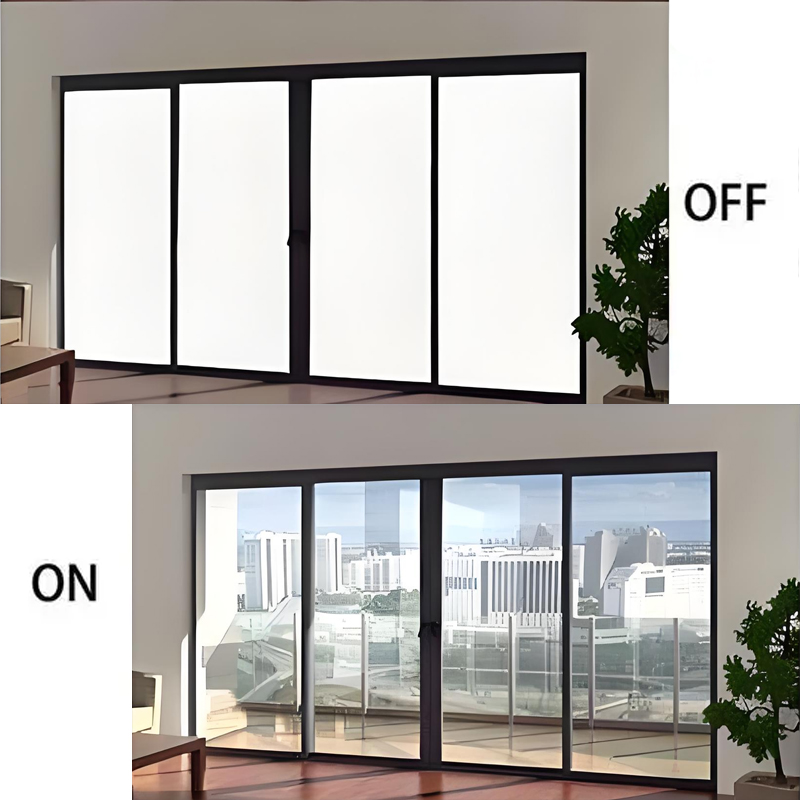
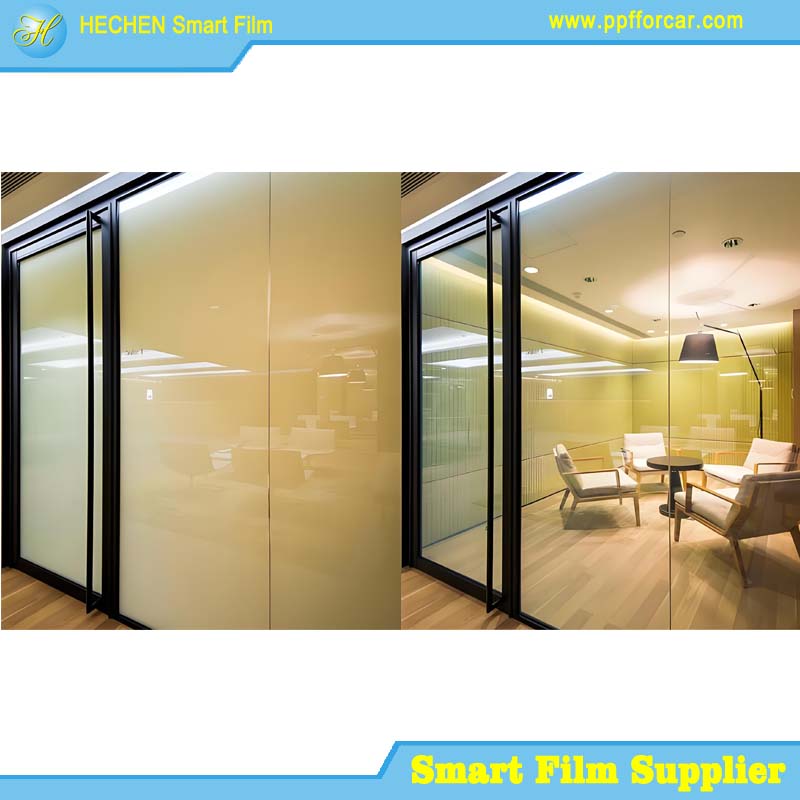
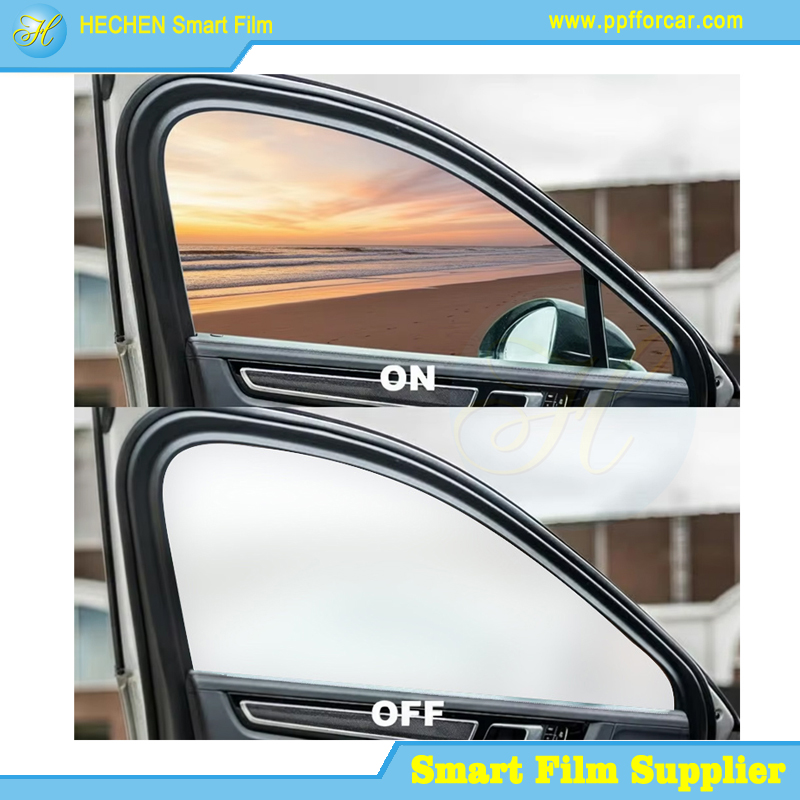
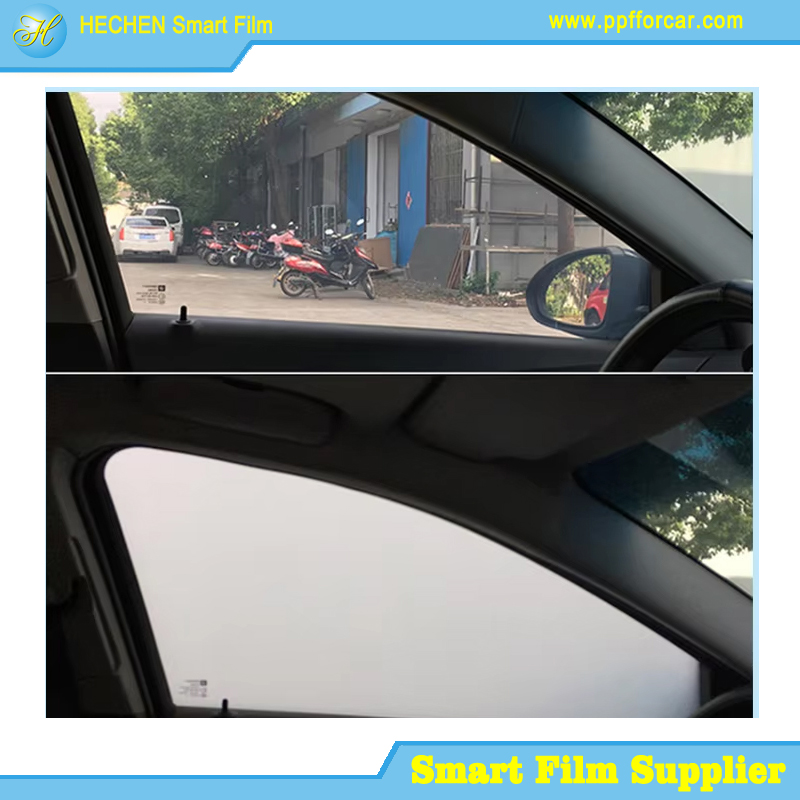
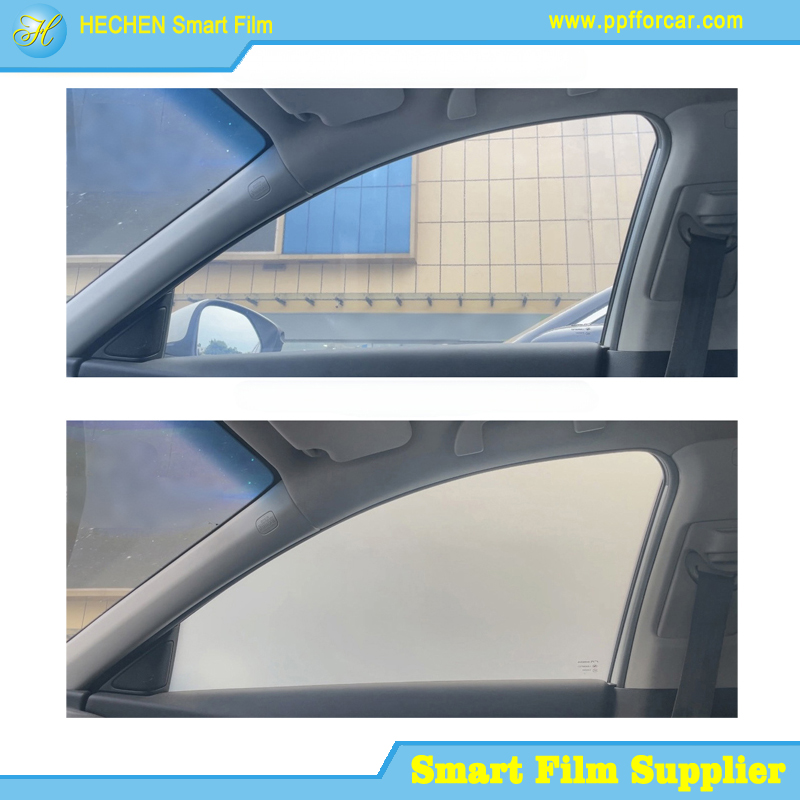
"Off" State (Opaque/Translucent): When no electrical power is applied, the liquid crystal molecules within the droplets are randomly oriented. They scatter incoming light in all directions, giving the film a milky-white, frosted appearance. In this state, it provides excellent privacy and diffuses harsh sunlight, significantly reducing glare and obscuring the view.
"On" State (Transparent): When a small voltage (typically low-voltage DC, safe for automotive use) is applied across the conductive layers, it creates an electric field. This field aligns the liquid crystal molecules in a uniform direction. With the molecules aligned, light passes through the droplets with minimal scattering, making the film clear and transparent, restoring the full, unobstructed view through the sunroof.
This on/off switching happens almost instantaneously, allowing users to adapt to conditions in real-time—clearing the view at a red light or providing instant shade when the sun emerges from behind a cloud.
For more advanced light and heat modulation, Suspended Particle Device (SPD) or Electrochromic technologies are used. While less common in aftermarket films due to higher cost and complexity, they represent the high end of control:
SPD Technology: This film contains microscopic light-absorbing particles suspended in a fluid. In the off state, these particles are randomly arranged, blocking a high percentage (up to 99%) of visible light. When voltage is applied, the particles align, allowing light to pass. Crucially, SPD films can be variably controlled—not just on/off but through a range of intermediate tint levels, offering precise control over brightness.
Electrochromic Technology: This involves a chemical change. Ions move between layers in a multi-layer film when a voltage is applied, causing the material to darken. The process is slower but provides a smooth, gradual tinting effect, similar to transition lenses for eyeglasses but controlled electronically.
The Multifaceted Benefits: Comfort, Health, and Efficiency
Integrating car smart film into a car sunroof delivers a suite of compelling advantages:
Personalized Comfort and On-Demand Privacy: The primary benefit is user control. Drivers can instantly switch between an open-sky experience and a shaded, private cabin. This is perfect for varying weather, time of day, or passenger preference (e.g., a sleeping child in the back).
Superior Thermal Management: By blocking and diffusing a substantial portion of solar radiation in its opaque/tinted state, smart film drastically reduces the solar thermal load entering the cabin. This keeps the interior cooler when parked and reduces the energy required for cooling while driving. Studies and user reports indicate measurable reductions in cabin temperature, directly translating to energy savings for climate control systems.
Enhanced UV Protection: High-quality smart films are engineered to block over 99% of harmful UVA and UVB rays regardless of their transparent or opaque state. This provides constant protection for both occupants and the vehicle's interior, preserving skin health and preventing material fade.
Glare Reduction and Safety: Harsh glare from the sunroof can be a safety hazard, causing driver discomfort and momentary blindness. The diffusing effect of the film in its opaque state eliminates this point-source glare, creating a softer, more uniform ambient light in the cabin.
Aesthetic and Resale Value: The modern, high-tech functionality adds a distinct luxury and customization element to the vehicle. A well-integrated system can enhance the vehicle's appeal and potentially its resale value by offering a feature often found only in premium new cars.
Implementation and Considerations
Car smart film for sunroofs is available both as an aftermarket upgrade and as original equipment from some automakers. The aftermarket route offers flexibility for owners of existing vehicles. Professional installation is crucial, as it requires meticulous cleaning, precise film application to avoid bubbles, and proper integration with the car’s electrical system. Control is typically via a dedicated wireless remote, a smartphone app, or integration with the vehicle's infotainment system.
Key considerations for potential users include:
Power Consumption: The electrical draw of PDLC film is very low (comparable to a small LED), posing no burden on the vehicle's electrical system, even when operating for extended periods.
Durability: Modern automotive-grade films are designed to withstand wide temperature fluctuations, UV exposure (which they block), and the vibrations of daily driving.
Cost: As a premium upgrade, it represents a significant investment, but one weighed against long-term benefits in comfort, protection, and energy efficiency.
The Future: Integration and Intelligence
The future of smart glass in automobiles lies in deeper integration and automation. We are moving towards systems that are no longer manually controlled but are responsive and intelligent.
Sensor Integration: Future systems will connect to ambient light sensors, UV sensors, and infrared temperature sensors. The sunroof could automatically adjust its tint based on the sun's intensity and angle, or the cabin temperature.
Geo-Smart Features: Linking with GPS and clock data, the system could anticipate the sun's position relative to the vehicle's route and preemptively adjust shading.
Vehicle Ecosystem Integration: Smart film control could become part of a connected car's "comfort profile," syncing with seat cooling, ambient lighting, and climate control to create a perfectly tailored cabin environment at the touch of a button.
Conclusion
The panoramic sunroof no longer needs to be a compromise. Car smart film technology effectively solves its inherent drawbacks by placing dynamic control over light, heat, and UV rays directly in the hands of the user. It transcends being a simple sunshade, evolving into an active element of the vehicle's environmental management system. By enhancing comfort, safeguarding health, improving energy efficiency, and adding a layer of intelligent functionality, smart film is redefining the relationship between the driver, the passenger, and the sun above. It transforms the sunroof from a passive window to the sky into an active, adaptive interface, finally allowing us to enjoy the open feel of a panoramic view without the associated penalties.
For more about is the car sunroof too sunny? Use smart film to adjust light and UV rays as you wish, you can pay a visit to Hechen PDLC Smart Film Manufacturers for more info.