Kitchen Protective Film Manufacturer
Kitchen protective films are revolutionizing how homeowners and businesses maintain the beauty, functionality, and hygiene of kitchen surfaces. These thin, durable layers—applied to countertops, cabinets, appliances, and backsplashes—shield against scratches, stains, heat, and daily wear. As kitchens become the heart of modern homes and commercial spaces, protective films offer a cost-effective way to preserve high-value surfaces while enhancing aesthetics. Manufacturers like 3M, XPEL, and Guangdong NB Technology are leading the charge, innovating with advanced materials and sustainable practices to meet growing consumer demand. This article explores the world of kitchen protective film manufacturers, their products, innovations, and the trends shaping the industry, highlighting why these films are a must-have for modern kitchens.
What is Kitchen Protective Film?
Kitchen protective film is a transparent or decorative adhesive layer designed to protect surfaces like countertops, cabinets, appliances, and backsplashes from damage. Typically made from polyethylene (PE), polyurethane (PU), or multilayer composites, these films are engineered for durability, offering resistance to scratches, stains, heat, and UV rays. They can be applied to materials like stainless steel, granite, quartz, or glass, preserving their appearance and extending their lifespan. Key properties include easy application, residue-free removal, and, in some cases, self-healing capabilities that repair minor scratches with heat. These films are used in residential kitchens to protect countertops, in commercial settings for appliance durability, and in decorative applications for backsplashes, making them versatile for various needs.
The Role of Manufacturers in the Industry
Kitchen protective film manufacturers play a critical role in developing high-performance products tailored to kitchen environments. The manufacturing process involves extruding polymer films, applying adhesive coatings, and cutting films to precise specifications. Leading companies like 3M, XPEL, Avery Dennison, and Guangdong NB Technology invest heavily in research and development to create films with advanced features, such as self-healing properties and anti-microbial coatings. The global protective film market, valued at $3.8 billion in 2024, is projected to reach $8.7 billion by 2034, driven by demand in industries like construction, automotive, and household appliances, including kitchen applications. Manufacturers are also adopting AI-driven production techniques to ensure consistent quality and reduce waste, positioning the industry for significant growth.
Benefits of Kitchen Protective Films
Kitchen protective films offer a range of benefits that make them indispensable. They protect surfaces from scratches caused by knives, pots, or abrasive cleaning tools, and from stains like oil, wine, or food splashes. Heat-resistant films safeguard countertops from hot pans, while UV-blocking films prevent fading on wooden cabinets or colored backsplashes. Hygiene is another key advantage—films with anti-microbial properties reduce bacterial growth, critical in commercial kitchens. Aesthetically, films come in glossy, matte, or decorative finishes, allowing customization to match kitchen designs. For example, a high-gloss film can enhance a modern kitchen’s sleek look, as seen in recent social media posts showcasing backsplash applications. By reducing repair and replacement costs—such as the $8,000–$15,000 for commercial dishwashers—protective films offer long-term savings.
Types of Kitchen Protective Films
Manufacturers produce various types of protective films to suit kitchen needs. Polyethylene (PE) films, popular for appliances like refrigerators and ovens, offer affordability and durability, dominating the market with an 8.3% CAGR through 2034. Polyurethane (PU) films, often used for countertops, provide superior scratch and heat resistance, with some featuring self-healing properties. Decorative films, available in patterns or frosted finishes, are ideal for backsplashes and cabinets, blending protection with style. Specialized films, such as anti-microbial or heat-resistant options, cater to commercial kitchens or high-traffic homes. Recent innovations include ceramic-coated films for enhanced stain resistance and bio-based films for sustainability, reflecting consumer demand for eco-friendly solutions.
Manufacturing Process and Innovations
The production of kitchen protective films involves several stages: polymer extrusion, adhesive coating, lamination, and precision cutting. Manufacturers use advanced technologies like plasma treatment to enhance adhesion, ensuring films bond securely to surfaces like stainless steel or granite without residue. Recent innovations include self-healing films, like those developed by the University of Tokyo, which use embedded microcapsules to repair scratches. AI integration in production, as seen in some facilities, monitors film thickness and tensile strength in real time, improving quality control. Sustainability is a growing focus, with companies like Daubert Cromwell introducing biodegradable films like BioNature VCI Films in January 2025. These advancements ensure manufacturers meet evolving consumer needs for durability and environmental responsibility.
Key Manufacturers and Their Offerings
Leading manufacturers are shaping the kitchen protective film market with innovative products. 3M offers Scotchgard™ films, known for scratch and stain resistance, widely used on appliances. XPEL, a leader in protective wraps, launched its LLumar® Protective Wrap Film in January 2024, blending durability with aesthetic appeal for countertops and cabinets. Avery Dennison provides adhesive-coated films for appliances and decorative options for backsplashes. Guangdong NB Technology, based in China, specializes in PE films for appliances, certified for quality and environmental standards. Recent developments include IVIOS’s KAIZER Z12, a 12-mil thick film with advanced polymer technology for enhanced elasticity. These companies are driving market growth, particularly in Asia, where China’s market is projected to reach $1.4 billion by 2034.
Cost and Market ConsiderationsThe cost of kitchen protective films varies based on type, surface area, and installation. Residential applications range from $5–$15 per square foot, with a typical kitchen countertop costing $200–$600. Commercial projects, such as restaurant appliance protection, can exceed $2,000. Adhesive-coated films, which lead the market with an 8.4% CAGR, are more affordable than self-coated alternatives. The global appliance protective film market, valued at $485 million in 2025, is growing at a 3.9% CAGR, driven by demand for durable appliances. While upfront costs may seem high, films reduce maintenance expenses, making them cost-effective over time compared to replacing damaged surfaces.
Maintenance and LongevityMaintaining kitchen protective films is straightforward. Use mild soap, water, and soft cloths to clean, avoiding ammonia-based or abrasive cleaners that can damage the film. High-quality films last 5–15 years, depending on usage and exposure. For example, PE films on appliances may last 10 years, while PU films on countertops can endure longer due to self-healing properties. Signs of wear, like peeling or yellowing, indicate replacement, though repairs are possible for minor damage. Regular cleaning and avoiding sharp objects maximize longevity, ensuring surfaces remain pristine.
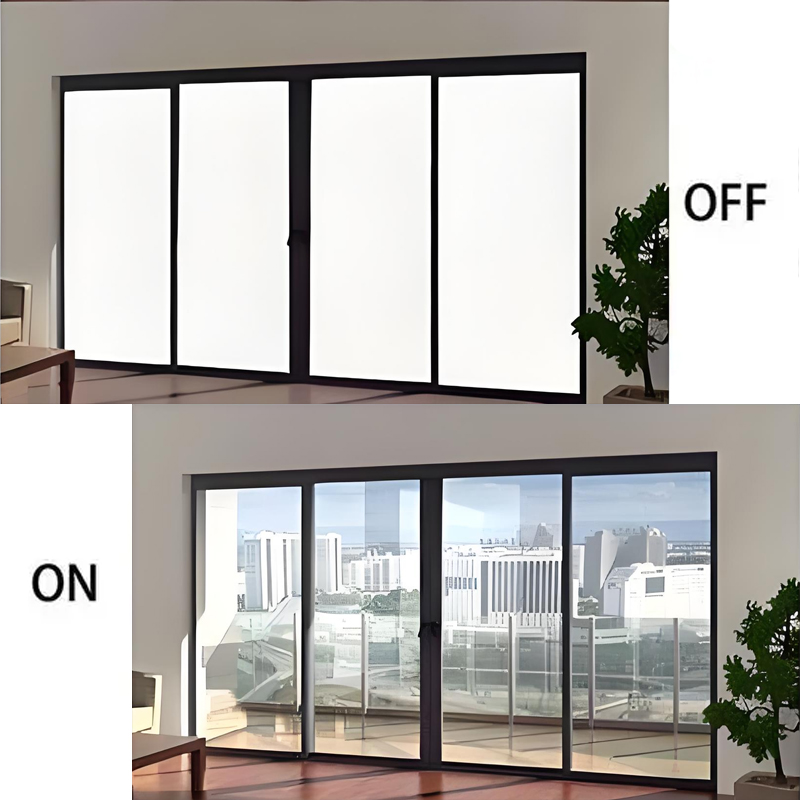
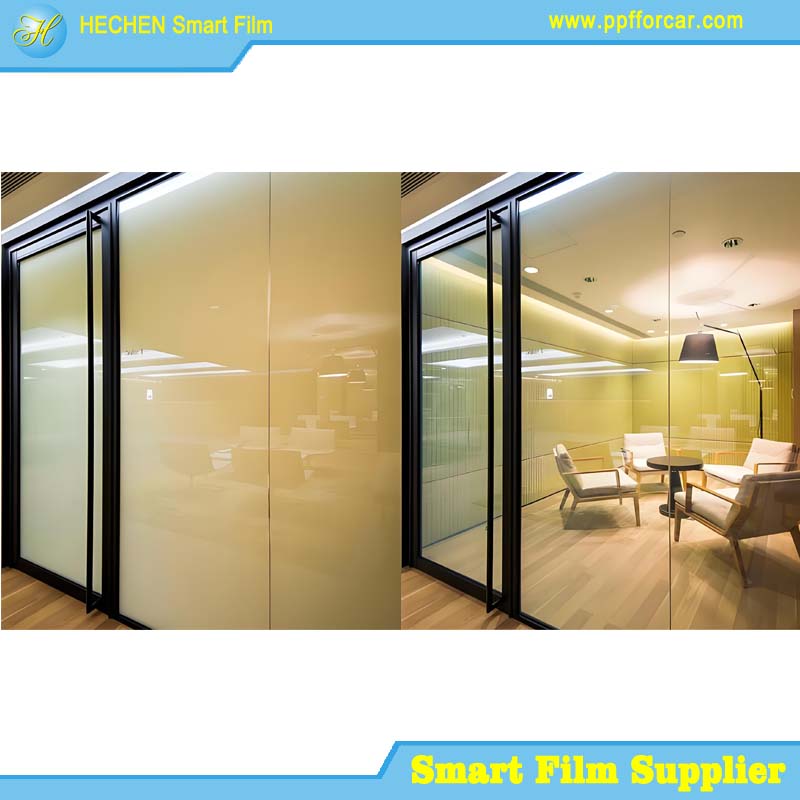
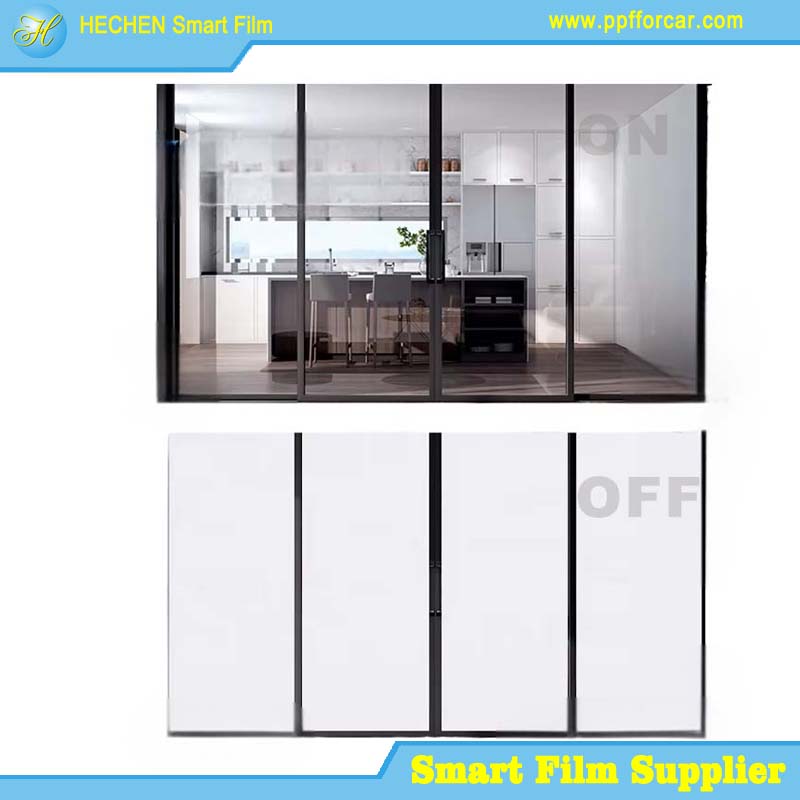
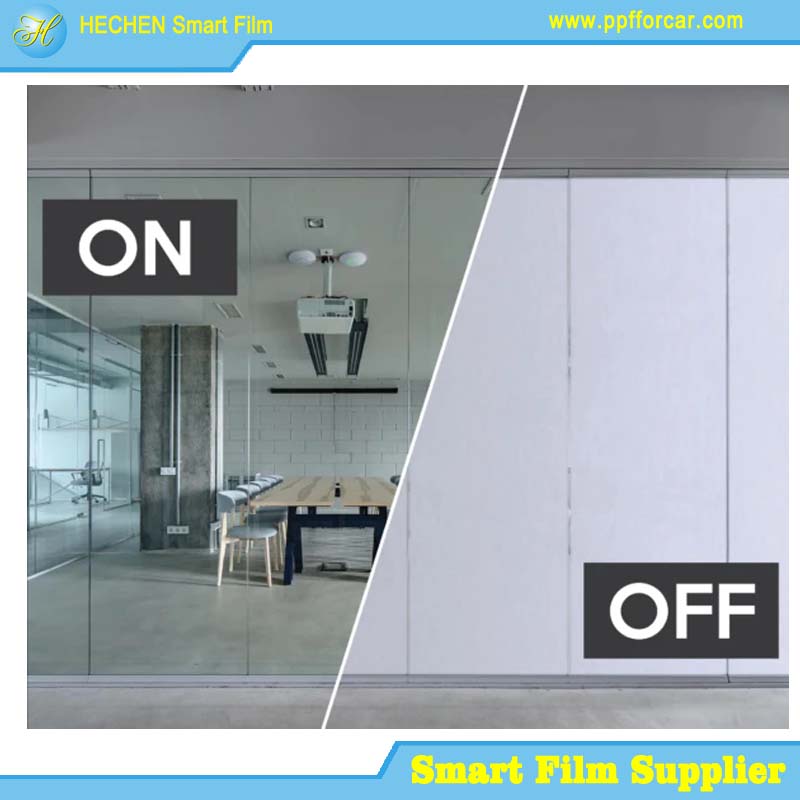
Challenges and Future TrendsManufacturers face challenges like environmental concerns over non-biodegradable films and adhesion issues on complex surfaces. However, the industry is responding with eco-friendly innovations, such as bio-based films made from cellulose or chitosan, as seen in South Korea’s market. Smart films that adjust opacity or harvest energy are emerging, with applications like Tokyo University’s triboelectric nanogenerator film showing promise for green kitchens. AI-driven production and customization, such as branded films, are also trending, catering to consumer demand for personalization. These advancements will shape the industry’s future, balancing functionality with sustainability.
Conclusion
Kitchen protective film manufacturers are at the forefront of delivering innovative, durable, and sustainable solutions for modern kitchens. From protecting countertops and appliances to enhancing aesthetics with decorative films, these products offer unmatched versatility. Companies like 3M, XPEL, and Guangdong NB Technology are driving the industry forward with advanced materials and eco-friendly options, meeting the needs of homeowners and businesses alike. As the market grows toward $8.7 billion by 2034, protective films will remain a cornerstone of kitchen maintenance. Property owners should explore these solutions to preserve their kitchens’ beauty and functionality for years to come.
For more about the PDLC Smart Film Manufacturers: Innovators of Switchable Glass Technology, you can pay a visit to Hechen PDLC Smart Film Manufacturers for more info.