LCD Dimming Film: Revolutionizing Light Control in Modern Technology
In the rapidly evolving landscape of modern technology, LCD dimming film stands out as a transformative innovation, redefining how we manage light and privacy across a variety of applications. This thin, flexible film, when applied to glass or other transparent surfaces, enables instantaneous switching between transparent and opaque states, offering a level of control that traditional methods like blinds or curtains cannot match. Whether it’s enhancing privacy in smart windows, reducing glare in vehicles, or creating dynamic displays in consumer electronics, LCD dimming film is reshaping design and functionality in profound ways.The significance of this technology lies in its versatility and efficiency, making it a cornerstone of smart, sustainable solutions in today’s world. This article provides an in-depth look at LCD dimming film, covering its composition and working principles, the different types available, its wide-ranging applications, the benefits it offers, the challenges it faces, and its exciting future potential. By the end, readers will gain a thorough understanding of how this technology is revolutionizing light control and its implications for the future.

1. What is LCD Dimming Film?
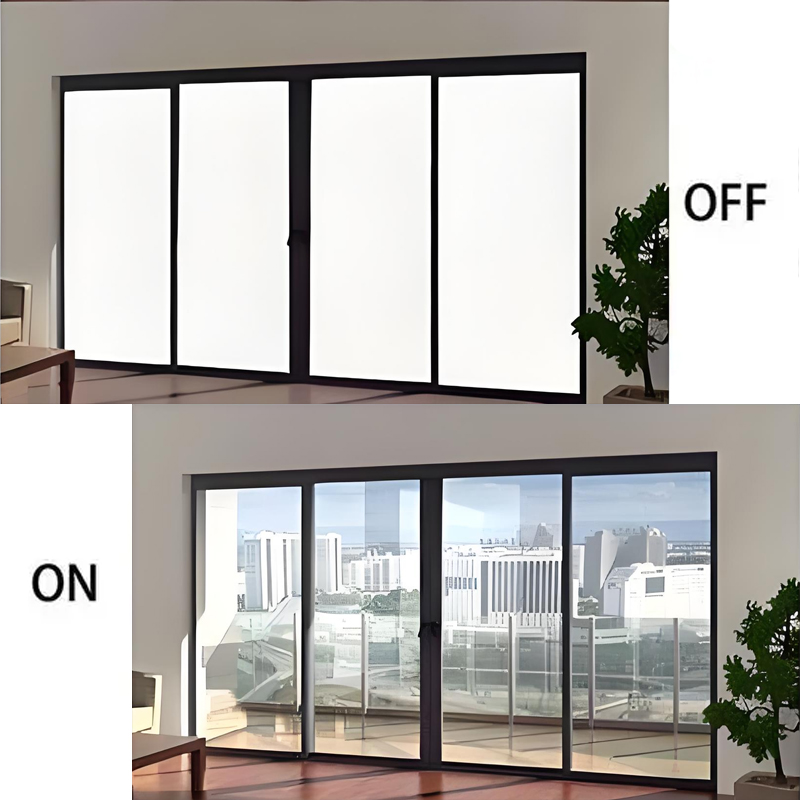
LCD dimming film, often referred to as switchable film or smart film, is a cutting-edge application of polymer-dispersed liquid crystal (PDLC) technology. Unlike traditional liquid crystal displays (LCDs) used in televisions or monitors to create images, LCD dimming film is engineered to control the transparency of surfaces. It consists of a thin layer of liquid crystals suspended within a polymer matrix, sandwiched between two transparent conductive layers—typically made of materials like indium tin oxide (ITO).The film’s primary function is to toggle between transparency and opacity. When no electric current is applied, the liquid crystals scatter light, making the film appear frosted or opaque. When a voltage is introduced, the crystals align to allow light to pass through, rendering the film transparent. This ability to switch states on demand distinguishes LCD dimming film from conventional LCDs and positions it as a versatile tool for applications requiring adjustable light and privacy control.The materials used in its construction—liquid crystals and polymers—are carefully chosen for their optical and electrical properties. The result is a lightweight, flexible film that can be applied to glass or plastic surfaces, offering a sleek and modern alternative to traditional window treatments or static privacy solutions.
2. How Does LCD Dimming Film Work?
The science behind LCD dimming film is both fascinating and practical, rooted in the unique properties of liquid crystals—materials that exhibit characteristics of both liquids and solids. In the context of dimming film, these liquid crystals are encapsulated in tiny droplets within a polymer matrix. This matrix is then layered between two sheets of glass or plastic, each coated with a transparent conductive material like ITO.
The Mechanism Explained
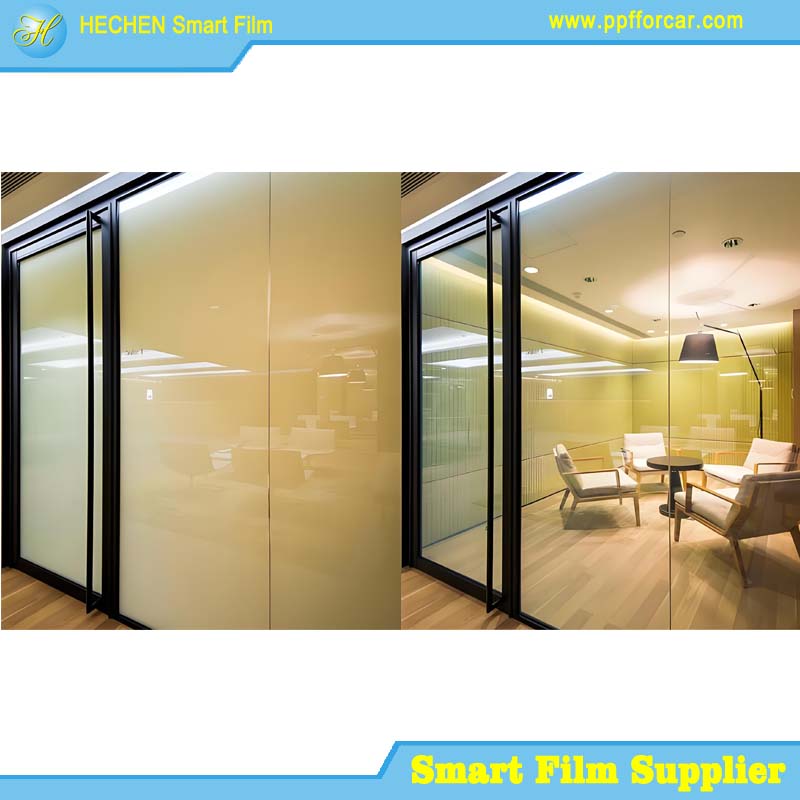
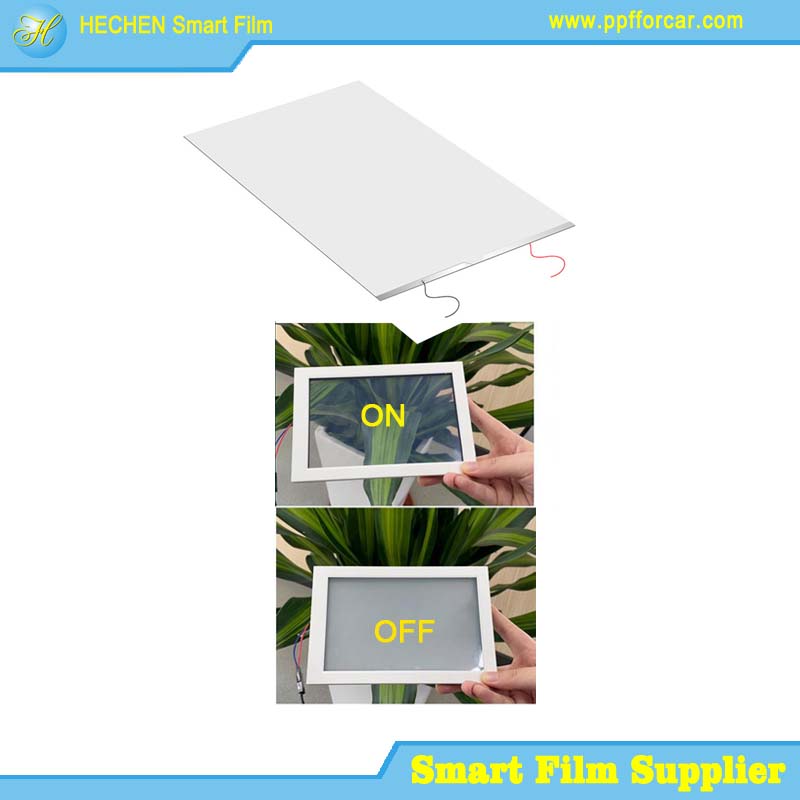
· Opaque State (No Voltage): When no electric current flows through the film, the liquid crystals are randomly oriented. This randomness causes incoming light to scatter in multiple directions, giving the film a cloudy, opaque appearance. While it blocks direct visibility, it still allows diffused light to pass through, maintaining a level of illumination without compromising privacy.
· Transparent State (Voltage Applied): When an alternating current (AC) voltage—typically between 20 and 100 volts—is applied, an electric field forms across the film. This field aligns the liquid crystals in a uniform direction, parallel to the field. With the crystals aligned, light passes through with minimal scattering, making the film clear and transparent.
Key Features
· Switching Speed: One of the standout features of LCD dimming film is its rapid switching capability, often occurring within milliseconds. This allows for real-time adjustments to light and privacy, a significant advantage over slower alternatives like mechanical shades.
· Power Efficiency: The film requires power only to switch states or maintain transparency. In some designs, once transparency is achieved, minimal energy is needed to sustain it, enhancing its energy efficiency for prolonged use.
Variations in the technology exist, such as the use of different liquid crystal types or polymer compositions, which can affect performance factors like switching speed, opacity levels, or durability. These advancements continue to refine the film’s functionality, broadening its potential applications.
3. Types of LCD Dimming Film
LCD dimming film is not a one-size-fits-all solution; it comes in various forms tailored to specific needs and environments. Understanding these types helps highlight the technology’s adaptability.
Installation-Based Variants
· Self-Adhesive Films: These films feature an adhesive backing, allowing them to be applied directly onto existing glass surfaces. They are popular for retrofitting windows, partitions, or displays, offering a cost-effective way to upgrade older structures.
· Non-Adhesive Films: Designed for integration during manufacturing, these films are embedded between glass layers, creating a seamless finish. They are commonly used in new architectural projects or automotive glass production.
Aesthetic and Functional Variations
· Color Options: While the standard film appears white or gray in its opaque state, manufacturers offer tints like blue, green, or custom shades to match design preferences.
· Thickness: Films vary in thickness, impacting their durability and opacity. Thicker films may provide greater robustness, while thinner ones prioritize flexibility.
· Transparency Control: Advanced films allow users to adjust the degree of transparency rather than just toggling between fully opaque and transparent, offering finer control over light transmission.
Specialized Types
· Automotive-Grade Films: Engineered to endure temperature extremes, vibrations, and UV exposure, these are ideal for vehicle windows and sunroofs.
· Architectural Films: Optimized for large-scale use in buildings, these films focus on energy efficiency and aesthetic integration.
This diversity ensures that LCD dimming film can meet the demands of various industries, from residential design to high-tech manufacturing.

4. Applications of LCD Dimming Film
The versatility of LCD dimming film has led to its adoption across multiple sectors, each leveraging its unique properties to enhance functionality and user experience.
Architecture and Interior Design
In buildings, LCD dimming film is used for smart windows, skylights, and partitions. It allows spaces to adapt dynamically—conference rooms can become private with a flick of a switch, while homes can balance natural light with seclusion. For instance, a glass-walled bathroom can switch to opaque for privacy, eliminating the need for curtains.
Automotive Industry
Vehicles use LCD dimming film in privacy glass, sunroofs, and mirrors, improving comfort by reducing glare and heat. Luxury cars often integrate this technology with smart controls, allowing drivers to adjust transparency via apps or voice commands, enhancing both convenience and prestige.
Healthcare
Hospitals employ the film for privacy screens in patient rooms and operating theaters. Its quick-switching capability ensures confidentiality without sacrificing natural light, and its smooth, non-porous surface is easier to sanitize than fabric curtains, reducing infection risks.
Consumer Electronics
In electronics, LCD dimming film powers smart mirrors and interactive displays. A smart mirror can switch from reflective to displaying information like weather or news, while retail stores use it for shop windows that transform into advertisement screens, engaging passersby creatively.
Emerging Applications
Innovative uses are on the horizon, such as projection screens that switch to translucent for displaying images, or aerospace windows in aircraft, giving passengers control over light and views. These examples underscore the film’s potential to redefine how we interact with transparent surfaces.
5. Benefits of LCD Dimming Film
LCD dimming film offers a compelling array of advantages over traditional light and privacy control methods.
· Privacy and Light Control: Its instant switching provides on-demand privacy without blocking natural light, ideal for flexible spaces.
· Energy Efficiency: By regulating light and heat, it reduces reliance on artificial lighting and cooling systems. Studies suggest energy savings of up to 20% in buildings with smart windows.
· UV Protection: The film blocks harmful ultraviolet rays, safeguarding interiors and occupants from damage.
· Aesthetic Flexibility: It enables sleek, modern designs by eliminating bulky window treatments, enhancing visual appeal.
· Ease of Use: Self-adhesive versions simplify installation, and the film’s smooth surface is low-maintenance compared to curtains or blinds.
These benefits make LCD dimming film a forward-thinking choice for sustainable and stylish design.
6. Challenges and Limitations
Despite its promise, LCD dimming film faces hurdles that temper its widespread adoption.
· Cost: Priced between $50 and $150 per square foot, it’s costlier than traditional options, limiting its accessibility.
· Power Dependency: It requires a continuous power supply to stay transparent, reverting to opaque during outages, which may inconvenience users. Wiring can also complicate installation.
· Durability: Exposure to heat, humidity, or frequent use can degrade performance over time, with warranties typically spanning 5-10 years.
· Limited Customization: Most films offer binary states (opaque or transparent) with few color or intermediate transparency options, restricting versatility.
Addressing these challenges is key to unlocking the film’s full potential.
7. Future Trends and Innovations
The future of LCD dimming film is bright, with advancements poised to enhance its capabilities and reach.
· Material Improvements: Research into nanotechnology and new liquid crystals aims to boost durability, speed, and efficiency, potentially creating thinner, more adaptable films.
· Smart Integration: As smart homes and IoT expand, films may integrate with automated systems, adjusting transparency based on sunlight or occupancy, controlled via apps or voice commands.
· Cost Reduction: Scalable manufacturing techniques like roll-to-roll production could lower costs, driving broader adoption.
· New Frontiers: Applications in VR/AR devices, wearable tech (e.g., smart glasses), and beyond suggest a dynamic evolution for this technology.
These trends signal a shift toward smarter, more affordable solutions, cementing LCD dimming film’s role in tomorrow’s innovations.
Conclusion
LCD dimming film represents a leap forward in light and privacy control, with applications spanning architecture, automotive, healthcare, and electronics. Its ability to combine energy efficiency, aesthetic appeal, and ease of use makes it a standout technology in the push for smarter, greener designs. Though challenges like cost and durability persist, ongoing innovations promise to overcome these barriers, opening doors to wider use and new possibilities. As we move toward a future defined by connectivity and sustainability, LCD dimming film is set to illuminate the way, transforming how we interact with the spaces and devices around us.
For more about the LCD dimming film: revolutionizing light control in modern technology, you can pay a visit to Hechen PDLC Smart Film Manufacturers for more info.