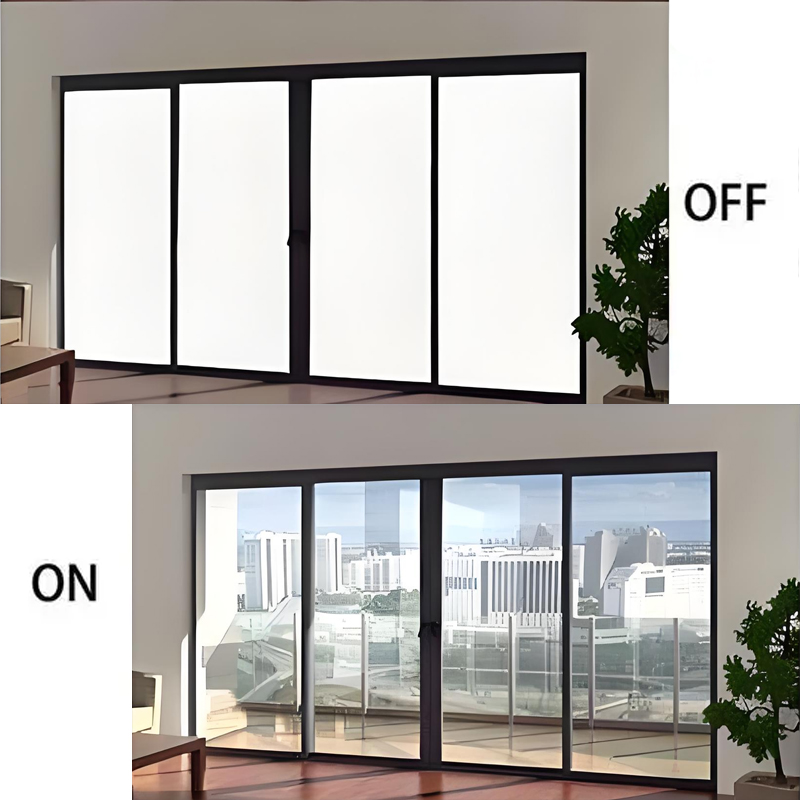
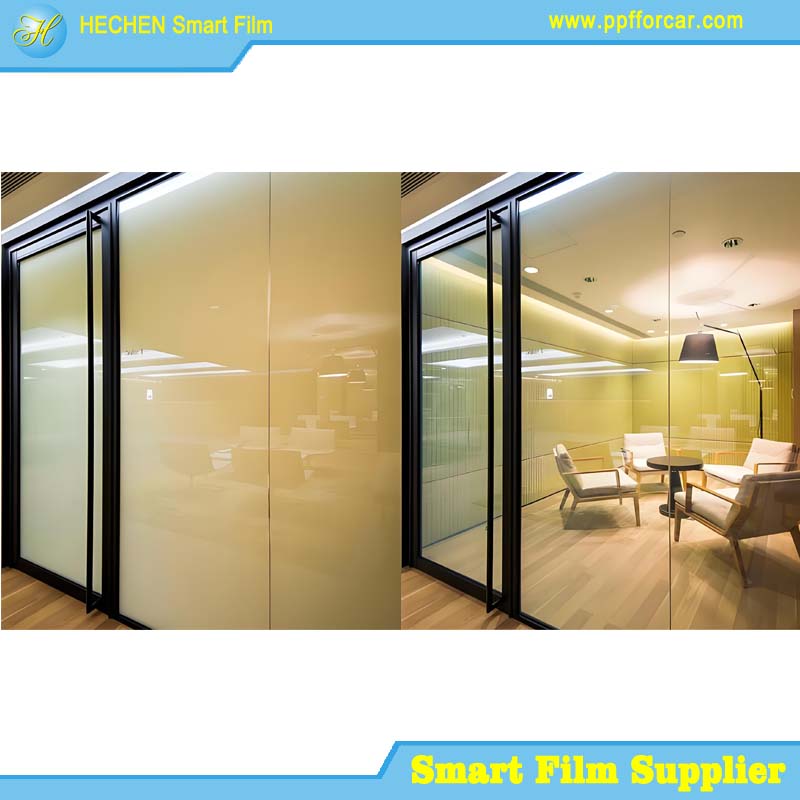
PDLC Film Application: Revolutionizing Smart Glass Technology
Polymer Dispersed Liquid Crystal (PDLC) film is a transformative technology that has redefined how we interact with glass surfaces in various industries. PDLC film, often referred to as "smart film" or "switchable film," allows glass to switch between transparent and opaque states with the application of an electric current. This innovative material has gained significant traction due to its versatility, energy efficiency, and aesthetic appeal. From architectural applications to automotive and healthcare sectors, PDLC films are enabling dynamic control over privacy, light, and energy.This article explores the principles behind PDLC film, its wide-ranging applications, advantages, challenges, and future potential. By examining its role in modern design and technology, we aim to highlight how PDLC film is shaping the future of smart environments. Whether it’s creating private meeting rooms, enhancing vehicle safety, or improving patient care, PDLC film is proving to be a game-changer. As industries increasingly prioritize sustainability and functionality, PDLC film stands out as a solution that blends innovation with practicality.
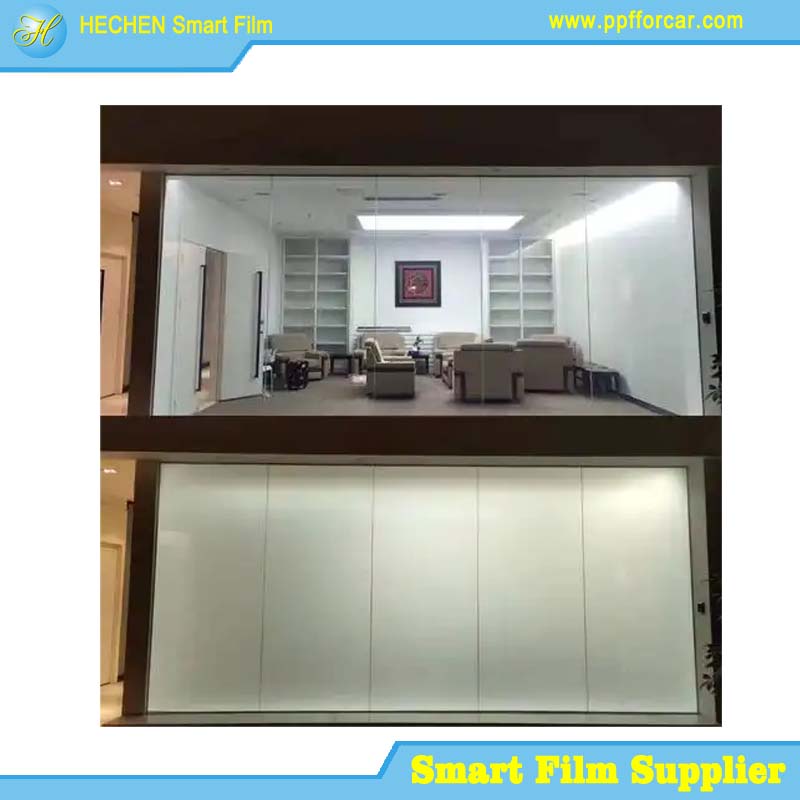
What is PDLC Film?
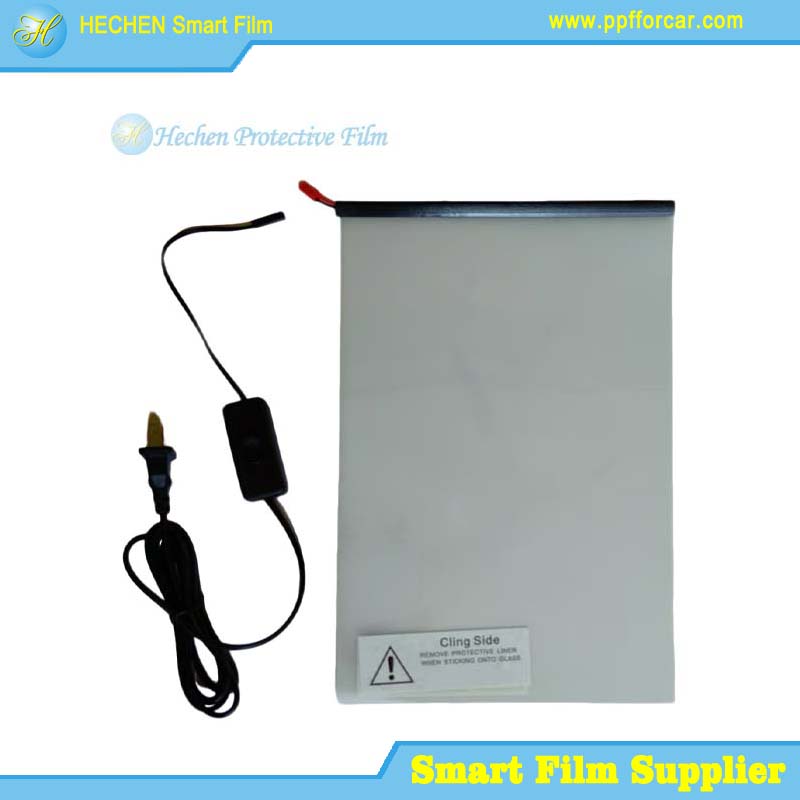
PDLC film is a thin, flexible layer composed of liquid crystal droplets dispersed within a polymer matrix, sandwiched between two transparent conductive films. When no electric current is applied, the liquid crystals are randomly oriented, scattering light and rendering the film opaque. Upon applying an electric current, the liquid crystals align, allowing light to pass through and making the film transparent. This switchable property is the cornerstone of PDLC technology.The film is typically applied to existing glass surfaces or integrated into new glass panels during manufacturing. It is controlled via a simple electrical switch, remote control, or automated systems, offering instant transitions between transparency and opacity. PDLC films are available in various forms, including self-adhesive versions for retrofitting and laminated versions for new installations.The technology behind PDLC film stems from advancements in liquid crystal displays (LCDs) and material science. Unlike traditional LCDs, which require backlighting, PDLC films rely on ambient light, making them energy-efficient for large-scale applications like windows and partitions. Additionally, PDLC films can be customized in terms of color, thickness, and opacity levels, catering to diverse aesthetic and functional needs.PDLC film’s ability to provide on-demand privacy without sacrificing natural light has made it a popular choice across industries. Its durability, low maintenance, and compatibility with smart home systems further enhance its appeal, positioning it as a cornerstone of modern smart glass technology.
Applications of PDLC Film
PDLC film’s versatility has led to its adoption in a wide range of industries, each leveraging its unique properties to address specific needs. Below are the primary applications of PDLC film, showcasing its transformative impact.
1. Architecture and Interior Design
One of the most prominent applications of PDLC film is in architecture and interior design. Smart glass equipped with PDLC film is used in offices, homes, hotels, and retail spaces to create dynamic, flexible environments. For instance, office meeting rooms can use PDLC film to switch glass walls from transparent to opaque, ensuring privacy during confidential discussions while maintaining an open feel when desired. This eliminates the need for traditional blinds or curtains, reducing maintenance costs and enhancing aesthetics.In residential settings, PDLC film is applied to windows, skylights, and bathroom partitions. Homeowners can control light and privacy with a single switch, creating energy-efficient and stylish living spaces. For example, PDLC film on bedroom windows can block sunlight during the day while allowing natural light to filter through, reducing reliance on artificial lighting. In luxury hotels, PDLC film enhances guest experiences by offering customizable privacy in suites and spa areas.Retail stores use PDLC film for interactive window displays that can switch to opaque for product reveals or advertisements, attracting customers with dynamic visuals. The film’s ability to serve as a projection screen when opaque further enhances its utility in creative marketing.
2. Automotive Industry
The automotive sector has embraced PDLC film for its ability to enhance safety, comfort, and aesthetics in vehicles. Smart glass windows with PDLC film allow drivers to control the opacity of side windows, sunroofs, or windshields, reducing glare and heat without compromising visibility. This is particularly beneficial in electric vehicles (EVs), where energy efficiency is critical. By reducing the need for air conditioning, PDLC film helps extend battery life.Additionally, PDLC film is used in privacy glass for luxury vehicles, enabling passengers to switch rear windows to opaque for seclusion. In autonomous vehicles, PDLC film can create private cabins or entertainment zones by transforming windows into projection screens. The technology also enhances security by preventing outsiders from viewing the vehicle’s interior when parked.
3. Healthcare and Medical Facilities
In healthcare, PDLC film is revolutionizing patient care and facility management. Hospitals and clinics use PDLC-equipped glass in patient rooms, operating theaters, and consultation areas to provide instant privacy. For example, glass partitions in intensive care units (ICUs) can switch to opaque during examinations, ensuring patient dignity without the need for curtains that can harbor germs.PDLC film also contributes to infection control by reducing the need for physical barriers like blinds, which are difficult to clean. In mental health facilities, the film’s ability to create calming, private environments helps improve patient comfort. Furthermore, PDLC film can be used in medical imaging rooms to control light levels, ensuring optimal conditions for diagnostic procedures.
4. Transportation and Aviation
Beyond automotive applications, PDLC film is making waves in aviation and public transportation. In aircraft, PDLC-equipped windows allow passengers to adjust opacity, replacing traditional window shades and reducing weight—a critical factor in fuel efficiency. Airlines like Boeing have explored PDLC technology for cabin windows, offering passengers greater control over their environment.In public transportation, such as trains and buses, PDLC film enhances passenger comfort by providing privacy and glare reduction. For instance, high-speed trains use PDLC film in private compartments, allowing passengers to switch windows to opaque during rest periods.
5. Education and Corporate Training
Educational institutions and corporate training centers use PDLC film to create flexible learning spaces. Classrooms with PDLC-equipped glass partitions can switch between open collaboration areas and private study zones. In corporate settings, training rooms with PDLC film offer privacy for sensitive discussions while maintaining a modern, open aesthetic.The film’s projection capabilities are also valuable in education. When opaque, PDLC film can serve as a high-quality projection screen for presentations, eliminating the need for separate equipment.
6. Retail and Advertising
Retail environments leverage PDLC film for interactive and engaging customer experiences. Storefront windows with PDLC film can switch to opaque for displaying advertisements or promotions, capturing the attention of passersby. When transparent, these windows allow customers to view products inside, creating a seamless shopping experience.In advertising, PDLC film is used in digital signage and billboards, where its switchable properties enable dynamic content display. For example, a billboard can alternate between transparent and opaque states to showcase different advertisements throughout the day.
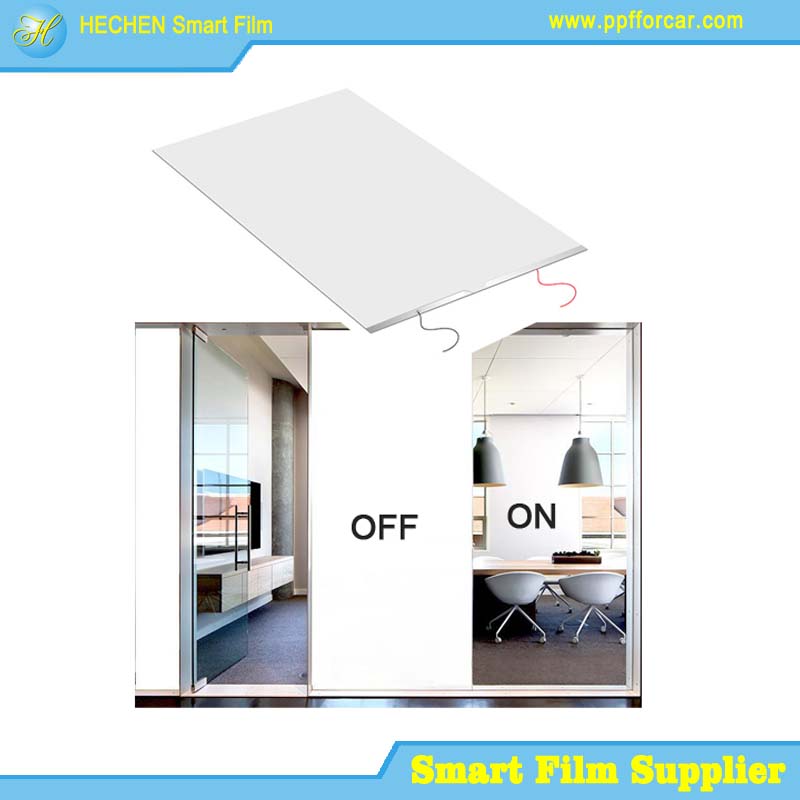
Advantages of PDLC Film
PDLC film offers numerous advantages that make it a preferred choice for smart glass applications:
1. Instant Privacy Control: PDLC film allows users to switch between transparent and opaque states in milliseconds, providing on-demand privacy without physical barriers.
2. Energy Efficiency: By controlling light and heat transmission, PDLC film reduces the need for artificial lighting and air conditioning, lowering energy costs.
3. Aesthetic Versatility: Available in various colors and opacity levels, PDLC film enhances the visual appeal of spaces while maintaining functionality.
4. Low Maintenance: Unlike curtains or blinds, PDLC film requires minimal upkeep, making it ideal for high-traffic areas like hospitals and offices.
5. UV Protection: PDLC film blocks up to 99% of harmful UV rays, protecting interiors from fading and occupants from skin damage.
6. Sound Insulation: When laminated into glass, PDLC film provides acoustic benefits, reducing noise transmission in busy environments.
7. Integration with Smart Systems: PDLC film can be integrated with smart home or building management systems, enabling automated control based on light, time, or occupancy.
These advantages make PDLC film a sustainable and user-friendly solution for modern design challenges, aligning with the growing demand for eco-friendly and technologically advanced materials.
Challenges and Limitations
Despite its benefits, PDLC film faces certain challenges that limit its widespread adoption:
1. High Initial Costs: The production and installation of PDLC film can be expensive, particularly for large-scale projects, making it less accessible for budget-conscious consumers.
2. Power Dependency: PDLC film requires a constant power supply to maintain transparency, which can increase energy costs in some applications.
3. Limited Transparency: Even in its transparent state, PDLC film may have a slight haze, reducing clarity compared to traditional glass.
4. Installation Complexity: Retrofitting PDLC film onto existing glass requires expertise, and improper installation can lead to performance issues.
5. Durability Concerns: While durable, PDLC film may degrade over time due to exposure to extreme temperatures or UV radiation, requiring replacement in some cases.
6. Privacy Limitations: In its opaque state, PDLC film scatters light rather than blocking it entirely, meaning silhouettes may still be visible under certain lighting conditions.
Addressing these challenges through advancements in material science and manufacturing could further enhance PDLC film’s accessibility and performance.
Future Potential of PDLC Film
The future of PDLC film is promising, with ongoing innovations poised to expand its applications. Researchers are developing self-powered PDLC films that use solar energy to eliminate the need for external power sources, improving energy efficiency. Advances in nanotechnology may lead to thinner, more durable films with enhanced clarity and faster switching times.Integration with Internet of Things (IoT) systems is another exciting frontier. Smart PDLC films could automatically adjust opacity based on environmental factors like sunlight intensity or room occupancy, optimizing energy use. In the automotive sector, PDLC film could be paired with augmented reality (AR) displays to create interactive windshields for navigation and entertainment.Sustainability is also a focus, with manufacturers exploring recyclable and eco-friendly materials for PDLC films. As production costs decrease, PDLC film is likely to become more accessible to residential and small-scale commercial users, broadening its market reach.In healthcare, PDLC film could be combined with antimicrobial coatings to further enhance infection control. In education, interactive PDLC films with touch-sensitive capabilities could transform classrooms into immersive learning environments. These advancements signal a future where PDLC film is a standard feature in smart buildings, vehicles, and public spaces.
Conclusion
PDLC film is revolutionizing how we interact with glass, offering unparalleled control over privacy, light, and energy. Its applications in architecture, automotive, healthcare, and beyond demonstrate its versatility and transformative potential. While challenges like cost and power dependency exist, ongoing innovations promise to make PDLC film more efficient, affordable, and sustainable. As smart technology continues to shape our environments, PDLC film stands at the forefront, blending functionality with aesthetics. By addressing current limitations and embracing new possibilities, PDLC film is poised to redefine the future of smart glass, creating dynamic and sustainable spaces for generations to come.
For more about the PDLC film application: revolutionizing smart glass technology, you can pay a visit to Hechen PDLC Smart Film Manufacturers for more info.