PDLC Film
In an era where technology seamlessly blends into our daily lives, PDLC film emerges as a groundbreaking innovation that transforms how we interact with glass surfaces. Polymer Dispersed Liquid Crystal (PDLC) film is a type of smart film that can switch its transparency with the application of an electric current, offering dynamic control over privacy, light, and energy use. From cutting-edge architecture to automotive advancements, PDLC film is revolutionizing the functionality and aesthetics of glass. This 2000-word article delves into the science behind PDLC film, its wide-ranging applications, its benefits and limitations, real-world examples, and its promising future in modern technology.
What is PDLC Film?
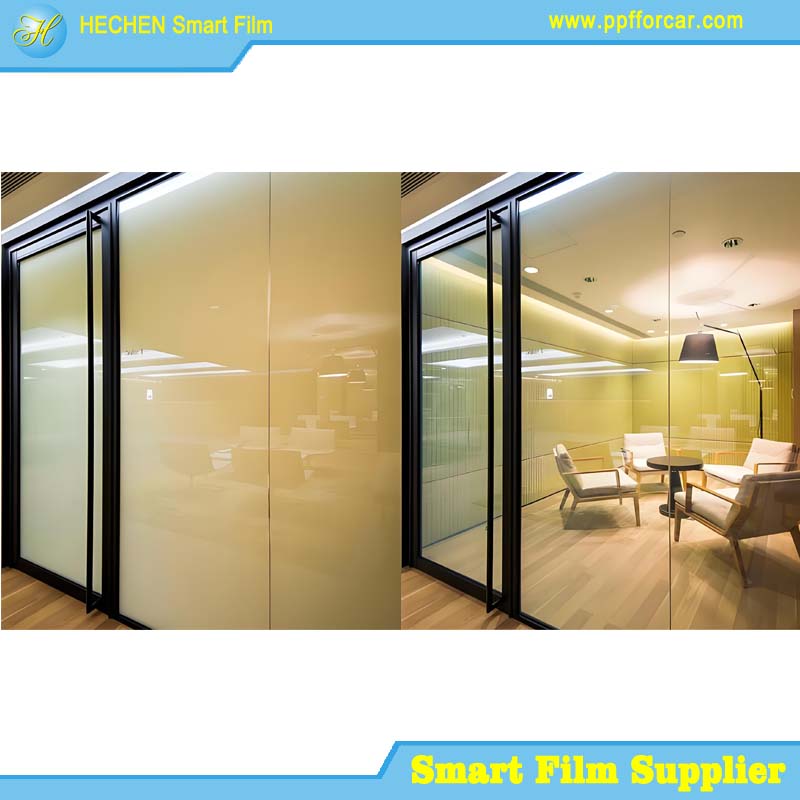
PDLC film, short for Polymer Dispersed Liquid Crystal film, is a smart material designed to alter the transparency of glass surfaces on demand. It consists of a thin layer of liquid crystal droplets dispersed within a polymer matrix, encapsulated between two transparent conductive layers, typically indium tin oxide (ITO). This unique structure enables the film to transition between opaque and transparent states when an electric voltage is applied, making it a versatile solution for various industries.
How Does PDLC Film Work?
The operation of PDLC film hinges on the behavior of liquid crystals and their response to electricity:
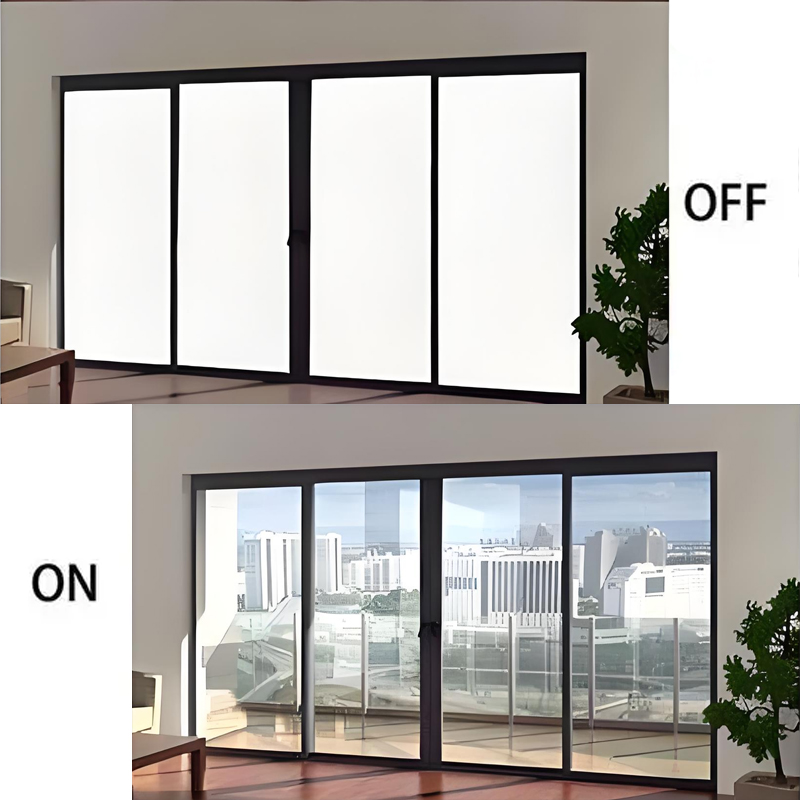
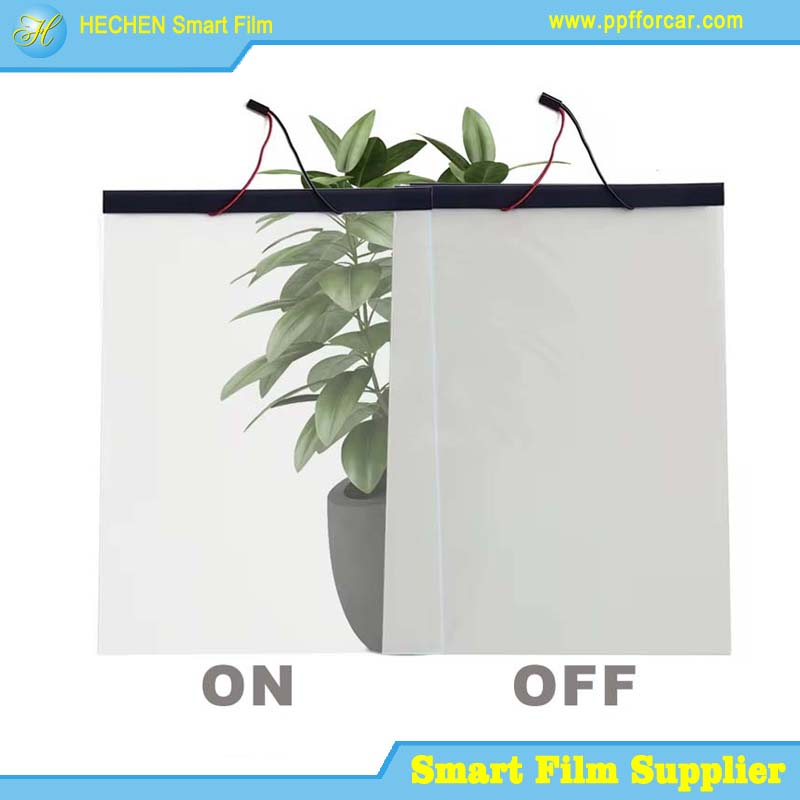
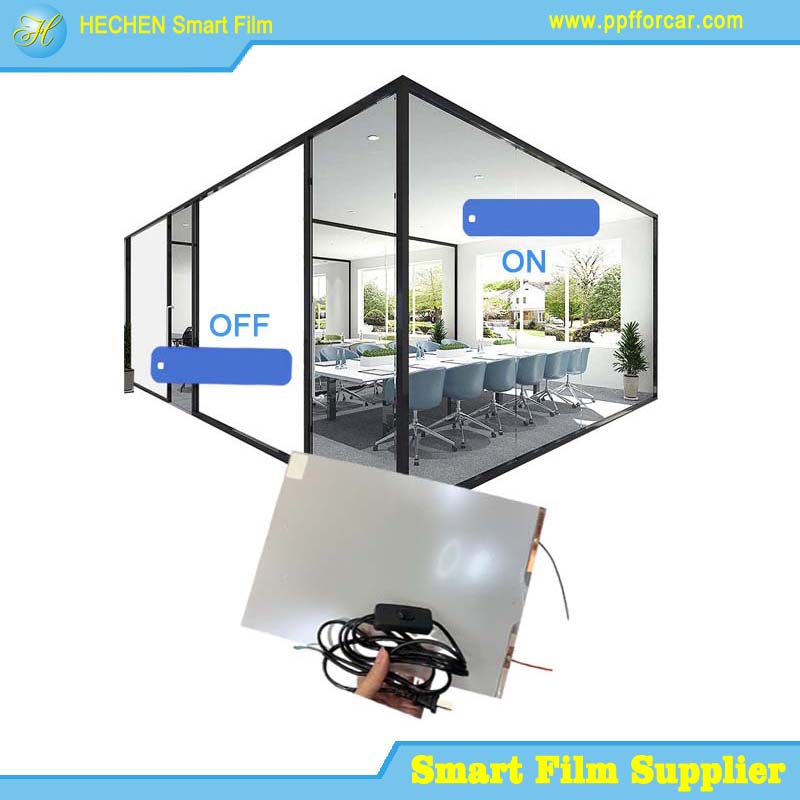
· Opaque State (No Voltage): When no electric current flows through the film, the liquid crystal droplets are randomly oriented within the polymer matrix. This randomness scatters incoming light in multiple directions, rendering the film opaque or frosted. In this state, it blocks visibility, providing privacy or shading.
· Transparent State (Voltage Applied): When an electric voltage is applied across the conductive layers, an electric field aligns the liquid crystal molecules in a uniform direction. This alignment allows light to pass through with minimal scattering, making the film transparent. The switch between states happens almost instantly, often within milliseconds.
In advanced versions, the transparency level can be fine-tuned by adjusting the voltage, offering a dimming effect rather than a binary switch. However, the film typically requires continuous power to stay transparent, reverting to opaque when the power is off.
Applications of PDLC Film
PDLC film’s adaptability has made it a popular choice across diverse sectors. Here are some key applications:1. Architecture and Interior DesignIn modern architecture, PDLC film is widely used for smart windows, partition walls, and skylights. These installations allow users to switch glass from transparent to opaque instantly, providing privacy or controlling sunlight without traditional blinds or curtains. In offices, it creates flexible meeting rooms that can shift from open to private, while homeowners use it for windows, shower enclosures, or glass floors to enhance both functionality and style.2. Automotive IndustryThe automotive sector employs PDLC film in sunroofs, side windows, and rear windows. Drivers and passengers can adjust light and privacy levels, reducing glare and improving comfort. By regulating sunlight, it also helps maintain interior temperatures, potentially lowering air conditioning use and boosting energy efficiency.3. Retail and AdvertisingRetailers use PDLC film for dynamic window displays and interactive advertising. The film can switch from clear to opaque to highlight products or project promotional content, engaging customers effectively. It also doubles as a projection screen, turning glass into a high-definition display for advertisements or brand storytelling.4. Healthcare and HospitalityIn healthcare, PDLC film is applied to windows in patient rooms, observation areas, and operating theaters, balancing privacy with visibility for monitoring purposes. In hospitality, hotels use it in guest rooms, bathrooms, and lobbies to create a luxurious, tech-forward experience. It can also serve as an in-room projection screen, adding versatility.5. Aerospace and TransportationThe aerospace industry integrates PDLC film into aircraft windows, allowing passengers to control light and privacy mid-flight. In public transportation, such as trains and buses, it enhances passenger comfort by adjusting window transparency to suit external conditions.These examples highlight PDLC film’s role as both a practical tool and a design enhancer, bridging functionality with innovation.
Benefits of PDLC Film
PDLC film offers a range of advantages that contribute to its growing adoption:1. Instant PrivacyWith a flick of a switch, PDLC film transforms transparent glass into an opaque barrier, making it ideal for spaces requiring on-demand privacy, such as offices, homes, or medical facilities.2. Energy EfficiencyBy controlling light and heat entry, PDLC film reduces reliance on artificial lighting and climate control systems. In its opaque state, it blocks solar heat, keeping interiors cooler, while in transparent mode, it maximizes natural light, reducing electricity use.3. UV ProtectionThe film blocks up to 99% of ultraviolet (UV) rays, safeguarding interiors from sun damage and reducing health risks for occupants. This is especially beneficial in sun-heavy environments.4. Glare ReductionPDLC film minimizes glare from sunlight, enhancing comfort in workspaces, homes, and vehicles, and improving screen visibility for digital devices.5. Aesthetic AppealUnlike bulky blinds or curtains, PDLC film provides a sleek, modern look with no additional hardware. Its seamless integration into glass surfaces appeals to designers seeking minimalist, futuristic aesthetics.6. Easy Installation and RetrofittingThe film can be applied to existing glass without major renovations, offering a cost-effective upgrade. It’s customizable to fit various glass shapes and sizes, ensuring flexibility.7. VersatilityBeyond privacy and light control, PDLC film doubles as a projection screen, enabling interactive displays for presentations, entertainment, or advertising.These benefits position PDLC film as a smart, sustainable solution for modern environments.
Challenges and Limitations
While PDLC film is highly advantageous, it comes with some drawbacks:1. CostThe initial cost of PDLC film—including the material, installation, and electrical setup—can exceed that of traditional window treatments. However, long-term energy savings often justify the investment.2. Power DependencyThe film requires continuous electricity to remain transparent, reverting to opaque without power. This can be inconvenient during outages or in energy-conscious settings.3. DurabilityThough designed for longevity, PDLC film may degrade over time in harsh conditions, such as extreme temperatures or heavy use, requiring occasional maintenance or replacement.4. Installation ComplexityProper installation demands expertise to ensure performance and safety, as poor setup can lead to uneven transparency or electrical issues.5. Limited Color OptionsCurrently, PDLC film is mostly available in frosted white (opaque) and clear (transparent) states, limiting design flexibility compared to tinted or patterned alternatives.6. Technical LimitationsSome films may retain a slight haze in transparent mode or vary in switching speed, depending on quality and voltage, which could affect applications needing perfect clarity.Ongoing advancements aim to mitigate these challenges, enhancing the film’s practicality and appeal.
Market Trends and Future Prospects
The PDLC film market is expanding rapidly, fueled by demand for smart, sustainable solutions. Industry forecasts predict the global smart glass market, including PDLC technology, will grow significantly, reaching billions of dollars by 2025 with a robust growth rate.Key Trends
1. Sustainability: As green building practices gain traction, PDLC film supports energy-efficient designs, aligning with environmental goals.
2. Technological Advancements: Improvements in materials and manufacturing are enhancing durability, efficiency, and affordability.
3. Smart Home Integration: PDLC film is increasingly paired with automation systems, enabling control via apps or voice commands, enhancing user experience.
4. New Applications: Emerging uses in aerospace, wearables, and fashion hint at broader potential.
Future Outlook
The future of PDLC film is promising, with developments like:
· Lower Costs: Scaled production could reduce prices, broadening accessibility.
· Wireless Operation: Innovations may eliminate power dependency, using alternative energy sources.
· Customization: Future films might offer colors, patterns, or image display capabilities.
· Enhanced Performance: Faster switching, clearer transparency, and better efficiency are on the horizon.
As smart technology evolves, PDLC film will likely become integral to sustainable, innovative design.
Real-World Examples
PDLC film’s impact is evident in these applications:
· The Edge, Amsterdam: This smart building uses PDLC film for adaptable office spaces, optimizing privacy and collaboration.
· Mercedes-Benz S-Class: The luxury car features a PDLC sunroof, offering passengers light and privacy control.
· Retail Displays: Brands like Louis Vuitton use PDLC film for engaging storefronts that switch between transparent and opaque modes.
These cases showcase the film’s ability to enhance functionality and design.
Conclusion
PDLC film represents a leap forward in smart glass technology, blending practicality with innovation. Its ability to switch transparency offers unmatched control over privacy, light, and energy, making it a game-changer in architecture, transportation, and more. While challenges like cost and power needs persist, its benefits—energy savings, UV protection, and modern aesthetics—make it a compelling choice. As technology advances, PDLC film is set to redefine glass applications, paving the way for smarter, greener spaces. Whether in homes, offices, or vehicles, PDLC film is a window into the future of design and functionality.
For more about the PDLC Smart Film Manufacturers: Innovators of Switchable Glass Technology, you can pay a visit to Hechen PDLC Smart Film Manufacturers for more info.