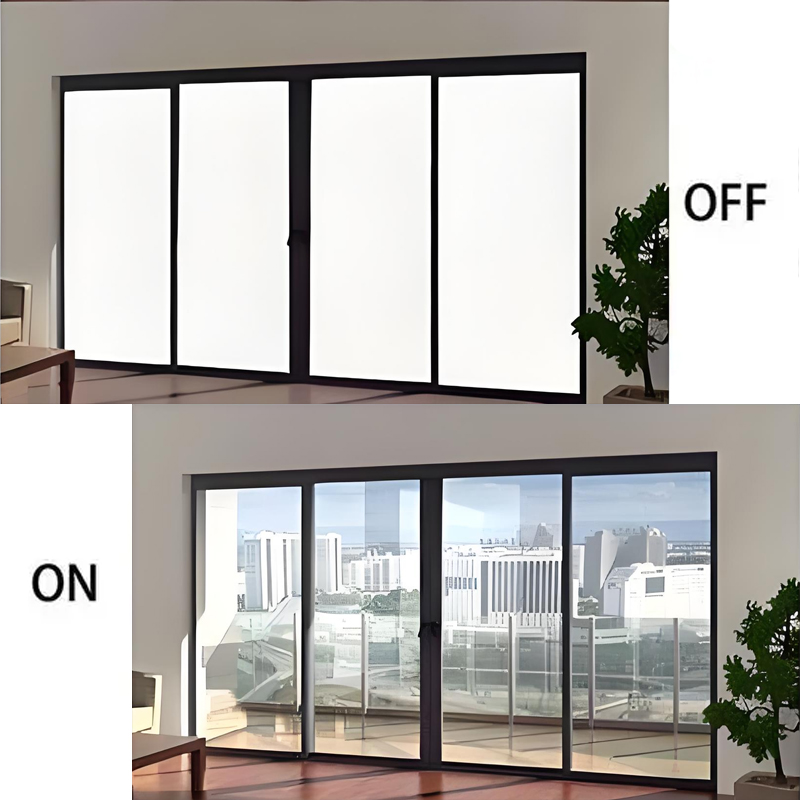
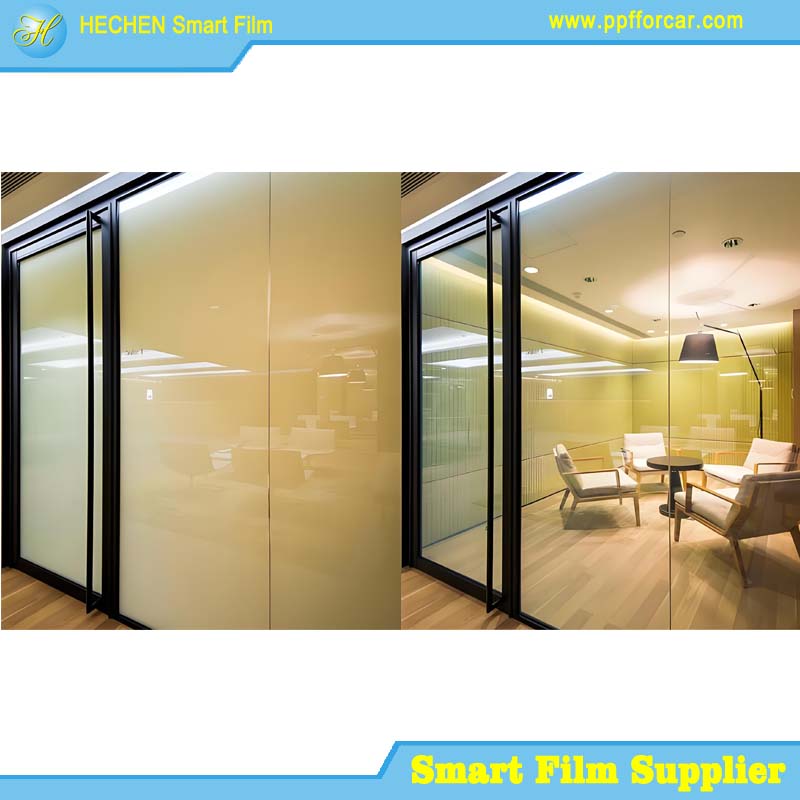
Privacy and Sunlight - PDLC Smart Tinting Film, One-Touch Switching
In an era where privacy and natural light are increasingly valued in both residential and commercial spaces, innovative technologies are reshaping how we interact with our environments. One such breakthrough is Polymer Dispersed Liquid Crystal (PDLC) smart tinting film, a versatile material that allows users to switch glass from transparent to opaque with just a single touch. This technology, often referred to as switchable glass or smart film, provides on-demand privacy while preserving the benefits of sunlight, making it a game-changer for modern architecture and interior design. Imagine transforming a clear window into a frosted barrier instantly, without the need for curtains, blinds, or physical alterations. PDLC film achieves this through electrical control, offering a seamless blend of functionality, aesthetics, and energy efficiency.
The appeal of PDLC smart tinting film lies in its ability to address two fundamental needs: maintaining visual privacy and harnessing natural sunlight. In homes, it can create private sanctuaries in bathrooms or bedrooms; in offices, it enables flexible meeting spaces that adapt to collaborative or confidential needs; and in vehicles, it enhances passenger comfort by controlling glare and visibility. With one-touch switching—via a wall switch, remote control, smartphone app, or even voice commands—this technology empowers users to customize their spaces effortlessly. As we delve deeper into this article, we'll explore how PDLC film works, its myriad benefits, practical applications, and future potential, all while highlighting why it's becoming an essential feature in sustainable and smart building designs.
Understanding PDLC Technology: How It Works
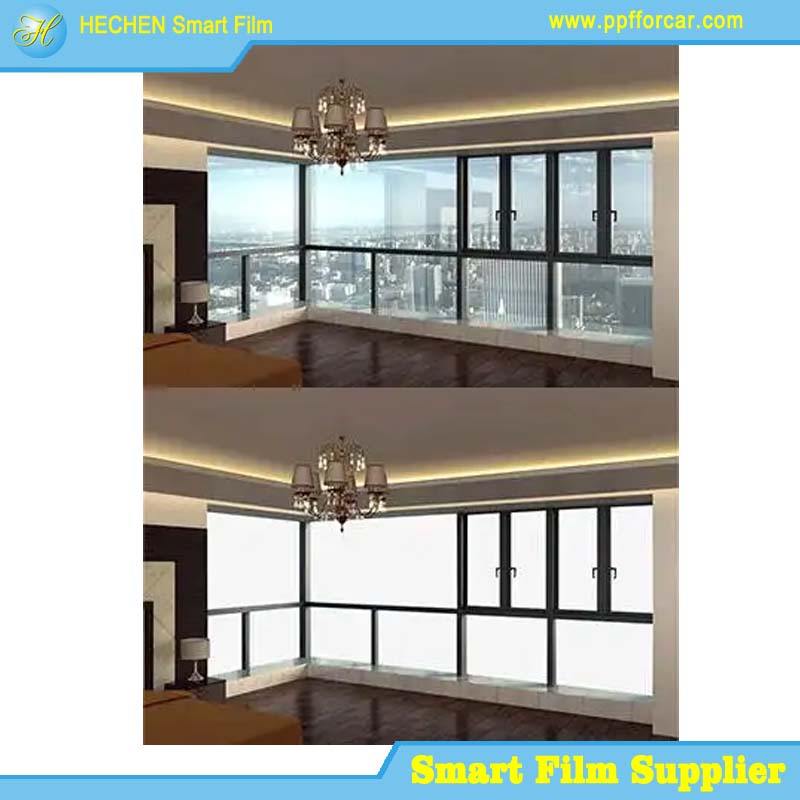
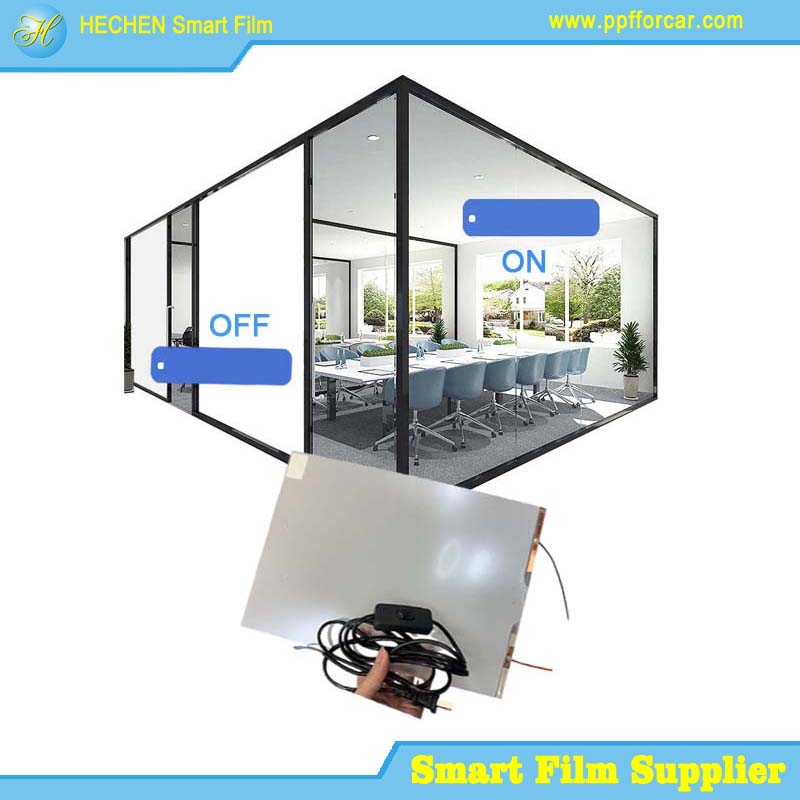
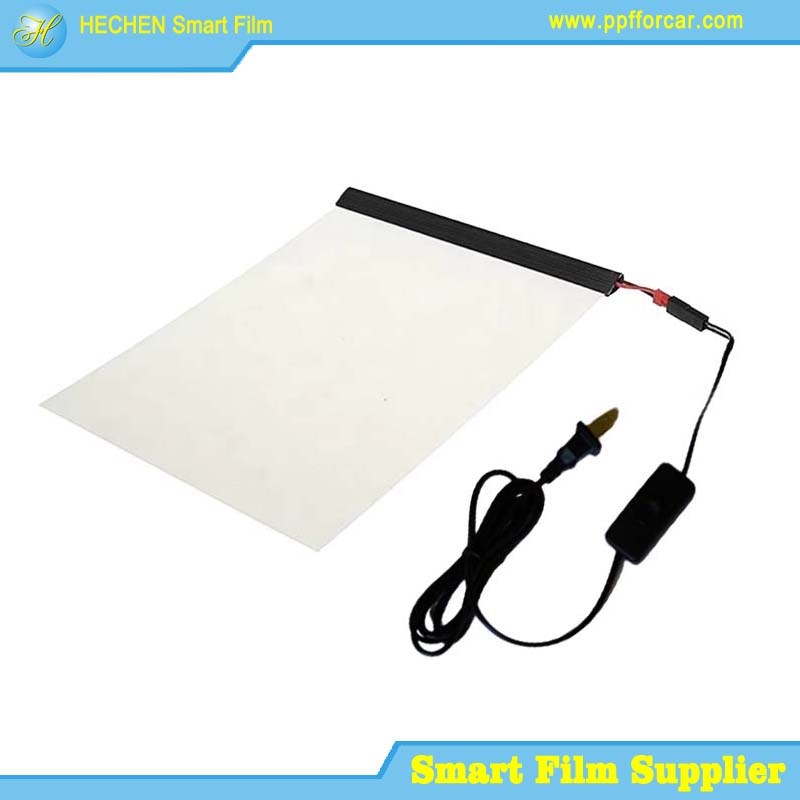
At the core of PDLC smart tinting film is a sophisticated interplay of materials science and electronics. PDLC stands for Polymer Dispersed Liquid Crystal, a technology where liquid crystal droplets are suspended within a polymer matrix. This film is typically sandwiched between two layers of conductive material, such as indium tin oxide (ITO), and can be applied as an adhesive layer to existing glass surfaces or integrated directly into laminated glass panels. The switching mechanism is remarkably simple yet ingenious. In its default "off" state—when no electricity is applied—the liquid crystals are randomly oriented, scattering light and rendering the film opaque or frosted. This opacity blocks visibility while still allowing diffused light to pass through, ensuring rooms remain illuminated without harsh glare. When an electric current (typically low voltage, around 24-110 volts AC) is applied, the liquid crystals align parallel to the electric field, allowing light to pass through unimpeded, making the film transparent. This transition happens almost instantaneously, often in milliseconds, providing that coveted one-touch switching experience.
Unlike traditional window treatments, PDLC film doesn't rely on mechanical parts that can wear out over time. Instead, it uses electrochromic principles, where the change in state is driven by molecular realignment rather than physical movement. Power consumption is minimal—only required during the switch and to maintain the transparent state—making it energy-efficient. In the opaque mode, no power is needed, which is ideal for privacy-focused applications where transparency isn't always required. This technology evolved from early liquid crystal displays (LCDs) but has been adapted for larger-scale architectural use. Pioneered in the late 20th century, PDLC films have seen advancements in durability, clarity, and customization, with modern versions offering UV protection, sound insulation, and even projection capabilities for digital displays. For instance, some films can dim gradually rather than just binary switching, allowing partial transparency for nuanced light control.
The Privacy Advantage: On-Demand Seclusion
Privacy is a cornerstone of comfortable living and working spaces, and PDLC smart tinting film excels in delivering it without compromising aesthetics. Traditional solutions like blinds or curtains often obstruct views, collect dust, and require manual adjustment, but PDLC film offers a sleek, maintenance-free alternative. With one-touch switching, users can instantly obscure views from the outside while maintaining a clean, modern look inside. In residential settings, this means transforming open-plan homes into private zones as needed. For example, a glass shower enclosure can switch to opaque during use, ensuring modesty without permanent frosting. Bedrooms overlooking busy streets can enjoy unobstructed views during the day and complete privacy at night. The film's ability to block up to 99% of visibility in opaque mode makes it ideal for urban dwellings where proximity to neighbors or passersby is a concern. In commercial environments, privacy takes on a professional dimension. Conference rooms with glass walls can switch to private mode during sensitive discussions, preventing visual eavesdropping while fostering an open-office culture when transparent. Healthcare facilities use PDLC film in patient rooms or examination areas to provide instant seclusion, enhancing patient comfort and complying with privacy regulations like HIPAA. Retail spaces might employ it for fitting rooms or VIP areas, adding a touch of luxury and exclusivity.
Moreover, the one-touch aspect integrates seamlessly with smart home systems. Compatible with platforms like Alexa, Google Home, or custom automation setups, users can control the film via voice commands or scheduled timers—opaque during evenings for privacy, transparent in the mornings to welcome sunlight. This hands-free operation is particularly beneficial for the elderly or those with mobility challenges, promoting accessibility in design. Security is another layer of the privacy benefit. By obscuring interiors, PDLC film deters potential intruders who rely on visual reconnaissance. In vehicles, such as limousines or RVs, it provides passengers with privacy from external gazes while allowing drivers to maintain clear views through untreated windshields.
Harnessing Sunlight: Light Control and Energy Efficiency
While privacy is a key selling point, PDLC smart tinting film's ability to manage sunlight is equally transformative. Natural light boosts mood, productivity, and health, but uncontrolled exposure can lead to glare, heat gain, and fading of interiors. PDLC film strikes a balance by allowing users to modulate light transmission without blocking it entirely. In transparent mode, the film permits up to 85-90% light transmittance, comparable to clear glass, flooding spaces with sunlight. Switching to opaque reduces direct light but diffuses it softly, preventing harsh shadows and maintaining ambient illumination. This diffusion is particularly useful in educational settings, where consistent lighting enhances focus, or in museums, where it protects artifacts from UV damage while allowing viewing. Energy savings are a significant perk. By controlling solar heat gain, PDLC film reduces the need for air conditioning in summer and heating in winter. Studies indicate potential reductions in energy costs by 10-20% in buildings equipped with smart tinting, as it minimizes reliance on artificial lighting and HVAC systems. For instance, south-facing windows can be set to opaque during peak sun hours, keeping interiors cooler without drawing blinds that plunge rooms into darkness.
The one-touch switching facilitates dynamic sunlight management. Integrated sensors can automate transitions based on time, sunlight intensity, or occupancy, optimizing energy use. In green building certifications like LEED, PDLC film contributes points for sunlighting and energy efficiency, aligning with sustainable design principles. Aesthetically, the film enhances spaces by eliminating the clutter of traditional shades. Architects appreciate its slim profile—often just 0.4mm thick—allowing for frameless glass installations that maximize views and light when desired.
Applications Across Industries
The versatility of PDLC smart tinting film extends its reach far beyond basic windows. In residential architecture, it's used for skylights, partitions, and even furniture like glass tabletops that double as privacy screens. Home theaters benefit from its projection capabilities, turning opaque glass into high-quality screens for movies or presentations. Office environments leverage it for agile workspaces. Modular glass walls with PDLC film allow teams to reconfigure layouts instantly—open for collaboration, private for focus. Tech companies like those in Silicon Valley have adopted it to create "huddle rooms" that adapt to varying team sizes and needs. In hospitality, hotels use PDLC film in bathrooms for a wow factor, switching glass walls to opaque for guest privacy. Restaurants might employ it for private dining areas, enhancing exclusivity. Automotive applications include rear windows in luxury cars, where passengers can enjoy tinted privacy without affecting driver visibility.
Healthcare and education sectors value its hygienic properties—no fabric to harbor bacteria—and ease of cleaning. In transportation, it's appearing in trains and aircraft for passenger comfort. Even retail displays use PDLC film to reveal products dramatically, switching from opaque teasers to transparent showcases. Installation is straightforward for films, adhering to existing glass like a sticker, while integrated glass requires professional lamination. Costs vary, but economies of scale are driving prices down, making it accessible for mid-range projects.
Advantages Over Traditional Methods
Compared to curtains, blinds, or static frosted glass, PDLC film offers superior flexibility. No moving parts mean less maintenance and longevity—up to 20-30 years with proper care. It doesn't fade, warp, or accumulate dust, and its electrical operation ensures reliability. Sound insulation is another edge; the film can reduce noise by 30-40 dB, creating quieter spaces. UV blocking (up to 99%) protects furnishings from sun damage, extending their lifespan. While initial costs are higher, long-term savings in energy and maintenance justify the investment. Customization options—colors, patterns, or zoned switching—allow tailored solutions unavailable in conventional treatments.
Installation, Maintenance, and Considerations
Installing PDLC film requires clean surfaces and precise alignment to avoid bubbles. Professionals handle wiring for safe electrical integration, often concealing it in frames. Maintenance involves simple wiping with non-abrasive cleaners; no special tools needed. Potential drawbacks include slight haze in transparent mode (1-5% light scatter) and power dependency for transparency. However, advancements are minimizing these issues.
Future Trends and Innovations
Looking ahead, PDLC technology is evolving with IoT integration for smarter automation. Solar-powered versions eliminate wiring, and thinner films expand applications to curved surfaces. Research into color-changing variants could add aesthetic dimensions. As sustainability demands grow, PDLC film's role in energy-efficient buildings will expand, potentially becoming standard in new constructions.
Conclusion
PDLC smart tinting film represents a harmonious fusion of privacy and sunlight control, empowered by one-touch switching. Its transformative potential spans homes, offices, and beyond, offering a future where spaces adapt intelligently to our needs. As adoption rises, this technology not only enhances comfort but also promotes energy conservation and modern living. Whether for seclusion or sunlight, PDLC film illuminates a brighter, more private world.
For more about the privacy and sunlight - PDLC smart tinting film, one-touch switching, you can pay a visit to Hechen PDLC Smart Film Manufacturers for more info.