Pros and Cons of Smart Tint Window Film: Energy Savings vs Upfront Cost Analysis
In the quest for smarter, more sustainable buildings, innovative technologies are constantly reshaping our interaction with the built environment. Among these, smart tint window film—also known as switchable film or PDLC (Polymer Dispersed Liquid Crystal) film—has emerged as a compelling upgrade for both commercial and residential spaces. At its core, this technology allows standard glass to transition from transparent to opaque at the flick of a switch or via automated controls, offering dynamic control over light and heat. The central promise is tantalizing: significant energy savings and enhanced comfort. Yet, this promise comes with a substantial upfront price tag. This article delves into a detailed analysis of the pros and cons of smart tint film, weighing its long-term energy and operational benefits against its initial investment.
Understanding the Technology
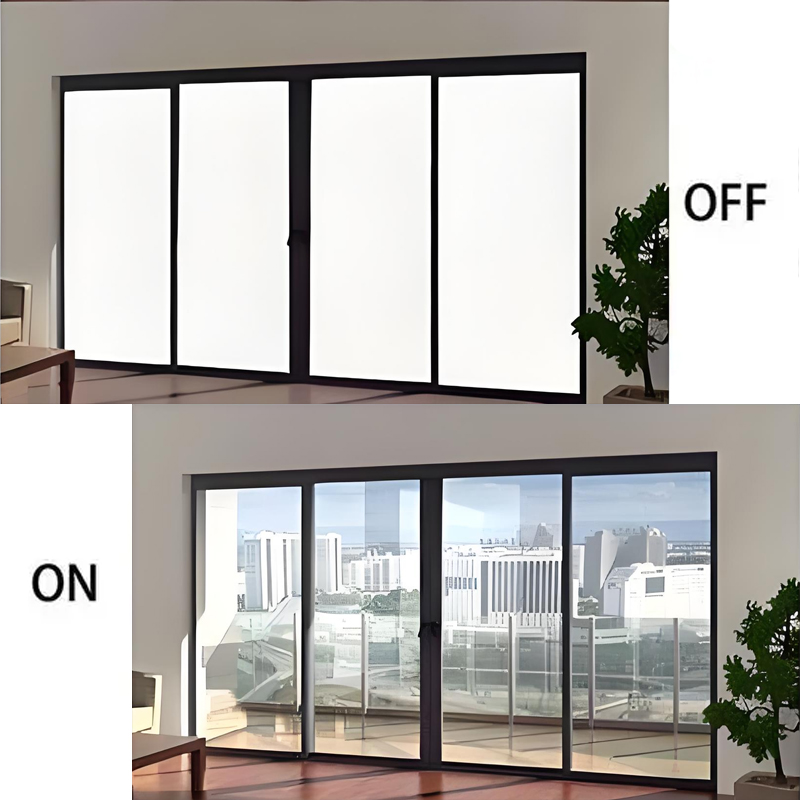
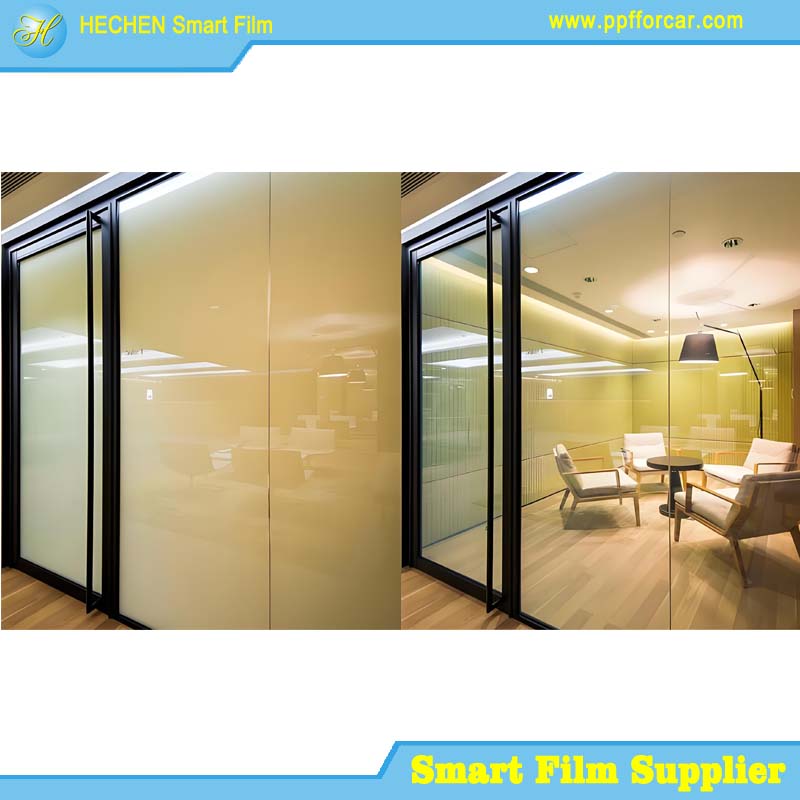
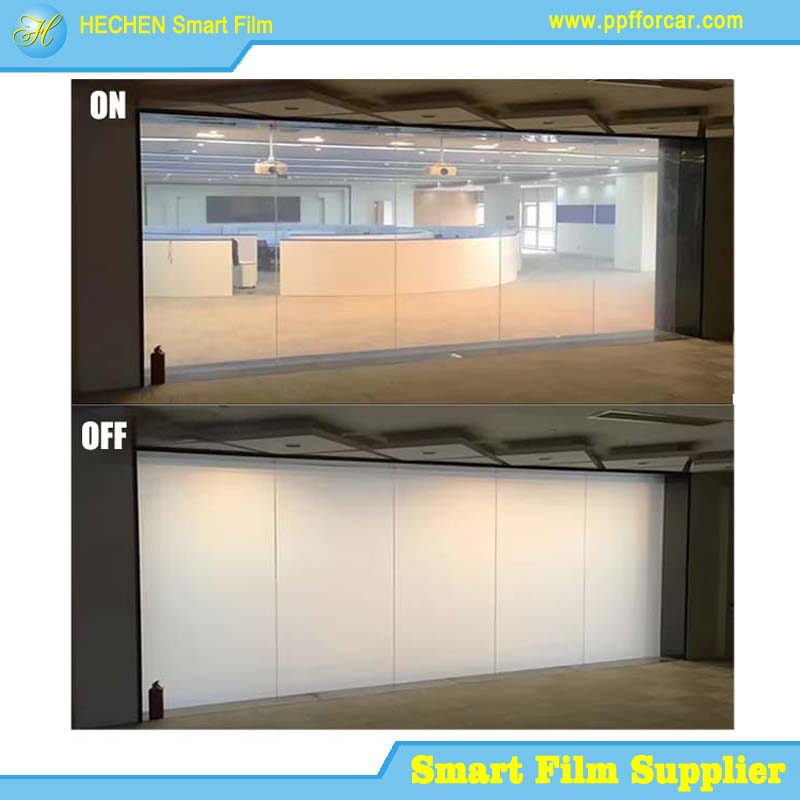
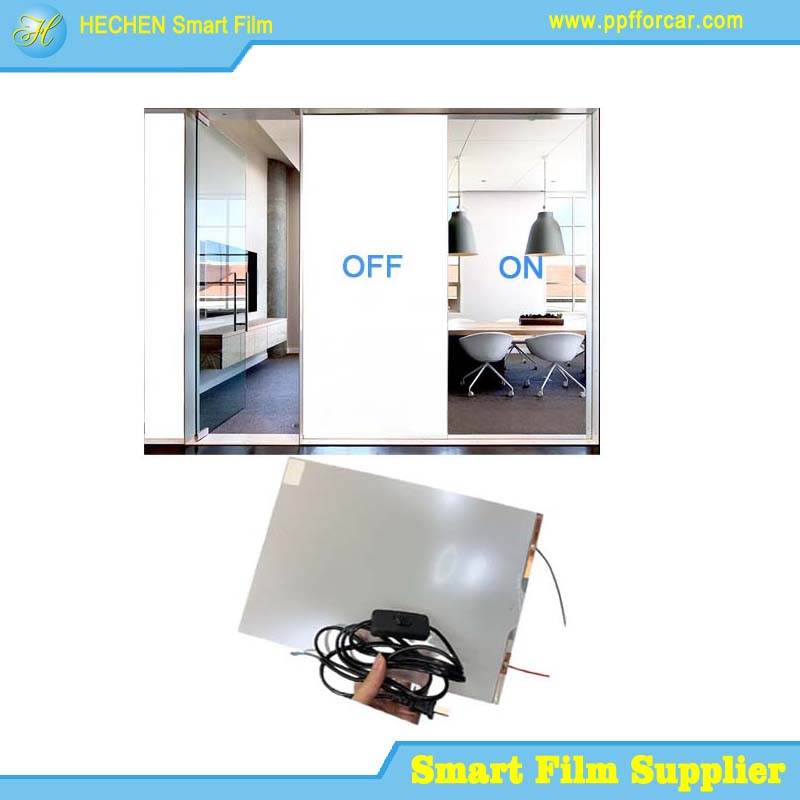
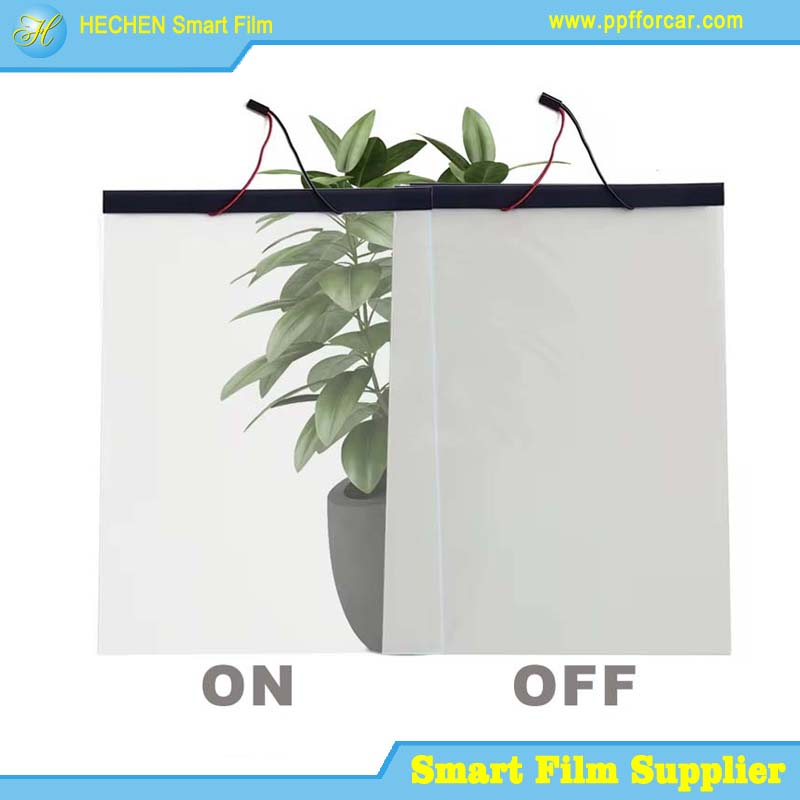
Before dissecting its value proposition, a brief overview is essential. Smart tint film is a laminate that can be applied to existing glass or integrated into new glazing units. When an electrical current is applied, the liquid crystal molecules align, making the film transparent. When the current is off, the molecules scatter, turning the film translucent or milky white, providing privacy and diffusing light. This on-demand control is the foundation of its proposed benefits.
The Pros: A Multifaceted Case for Adoption
The advantages of smart tint film extend beyond a simple novelty, offering tangible benefits in energy management, occupant comfort, and architectural functionality.
1. Substantial Energy Savings: The Core Financial Argument
This is the most significant long-term pro. By dynamically controlling solar heat gain, smart tint film directly impacts a building's HVAC (Heating, Ventilation, and Air Conditioning) load.
Summer Cooling: In hot weather or under direct sunlight, the film can be tinted to block a substantial percentage of infrared (IR) radiation—the primary component of solar heat. This prevents the "greenhouse effect," reducing the strain on air conditioning systems. Studies and manufacturer data suggest reductions in cooling energy consumption by 15-30%, depending on climate, window orientation, and building design.
Winter Heating: Conversely, in winter, the film can be kept clear to allow passive solar heating, reducing reliance on heating systems. While the heating savings are generally less pronounced than cooling savings, they contribute to the overall annual energy reduction.
Lighting Efficiency: The diffused, opaque state reduces glare without plunging a room into darkness. This allows for more consistent use of natural daylight, potentially reducing the need for artificial lighting during peak daylight hours, yielding further electricity savings.
2. Enhanced Occupant Comfort and Productivity
Energy savings translate into human benefits. By eliminating harsh glare on computer screens and reducing hotspots, smart tint film creates a more visually comfortable environment. This reduction in eye strain and thermal discomfort is directly linked to improved occupant satisfaction, productivity, and well-being—factors increasingly valued in corporate and educational settings.
3. Unparalleled Privacy on Demand
The instant transition from clear to opaque provides a sleek, technological solution for privacy needs. This is invaluable for conference rooms, medical offices, private residential spaces, and storefronts. It eliminates the need for blinds or curtains, offering a clean, minimalist aesthetic while providing flexibility that static solutions cannot match.
4. UV Protection and Interior Preservation
High-quality smart films block over 99% of harmful ultraviolet (UV) rays. This protects interior furnishings, artwork, carpets, and fabrics from fading and degradation, preserving their value and reducing replacement costs—a significant but often overlooked financial benefit.
5. Modern Aesthetic and Space Optimization
By replacing bulky window treatments, smart film contributes to a modern, clean architectural line. It maximizes the use of space by freeing up areas usually occupied by curtains or blinds and ensures that views are never permanently obstructed.
6. Potential for Integration and Smart Building Synergy
Advanced smart tint systems can be integrated with building automation systems (BAS), light sensors, and smart home ecosystems. They can be programmed to tint automatically based on the sun's position, time of day, or indoor temperature, optimizing energy savings and comfort without human intervention.
The Cons: The Barriers to Widespread Adoption
Despite its impressive benefits, smart tint film is not a universally straightforward investment. Several cons, particularly related to cost and performance, must be carefully considered.
1. High Upfront Cost: The Primary Hurdle
This is the most significant barrier. Smart tint film is a premium product. Installed costs typically range from $50 to $150 per square foot, depending on the supplier, film quality, glass size, and installation complexity. For a standard-sized residential window, this can mean an investment of several hundred to over a thousand dollars per window. For large commercial facades, the project cost can escalate into the hundreds of thousands. This initial outlay is often 3-5 times higher than installing high-quality static low-E films or traditional shading systems.
2. Ongoing Power Consumption
Unlike passive solutions, smart film requires a continuous low-voltage electrical supply to maintain its transparent state. While the power draw per square foot is minimal (approximately 3-5 watts/sq.ft.), it is a constant operational cost. In its opaque state, power is cut, drawing nothing. However, the need for continuous power for transparency means it is never a completely passive energy saver; it shifts energy use from HVAC to direct electricity. The net savings, however, are almost always positive, as the energy required to power the film is far less than the HVAC energy it saves.
3. Durability and Longevity Concerns
While warranties often extend to 10 years or more, the long-term performance of the film's liquid crystal layer and its edge seals is a consideration. Degradation over time, such as delamination, yellowing, or reduced switching performance, is a potential risk. Replacing the film can be almost as costly as the initial installation.
4. Performance Limitations
Opacity, Not Darkness: In its "private" state, most standard PDLC film becomes translucent white, not blackout. It diffuses light and blurs images, but shadows and shapes can still be visible under bright lighting conditions on the private side. For true blackout, additional layers are needed, increasing cost.
Heat Blocking is Linked to Tint: The film primarily blocks IR heat when it is in its opaque, diffused state. When clear, it offers little to no solar heat rejection. This is a key difference from spectrally selective static films that are always transparent and always rejecting IR heat.
5. Installation Complexity and Retrofit Challenges
Professional installation is mandatory. It requires a clean, controlled environment and connection to electrical systems. For retrofit projects, running power to existing windows can be invasive and costly, sometimes negating the aesthetic benefit. Improper installation leads to failure, voiding warranties.
6. Not a Substitute for Insulation
Smart film primarily addresses solar heat gain, not conductive heat transfer (heat flowing through the glass itself). It does not significantly improve the insulating R-value of the window. In very cold climates, the benefits may be less pronounced unless paired with insulated glazing units.
Upfront Cost vs. Energy Savings: A Quantitative Analysis
The true test lies in a detailed cost-benefit analysis. The payback period is highly variable.
Variables Influencing Payback:
Climate: The payback is fastest in hot, sunny climates with high cooling costs (e.g., Arizona, UAE).
Energy Costs: Higher local electricity prices accelerate payback.
Window Orientation: West and south-facing windows with high solar exposure offer the best return.
Building Use: Commercial buildings with high daytime occupancy and cooling loads see faster returns than residential applications.
Scale: Larger projects often benefit from economies of scale in installation.
Illustrative Case Study (Commercial Office):
Assume a 10-story office building in Los Angeles with 500 sizable west-facing windows. The installed cost for mid-range smart film might be $1 million. Pre-installation, annual cooling costs attributed to these windows are estimated at $150,000. A conservative 20% reduction from the smart film yields $30,000 in annual savings. The simple payback period would be roughly 33 years—a difficult justification.
However, this is an incomplete picture. The analysis must include:
Additional Energy Savings: Reduced lighting costs (e.g., $5,000/year).
Ancillary Financial Benefits: Extended lifespan of furnishings (UV protection), potential increases in rental premiums or tenant retention due to comfort, and rebates/incentives from utilities or green building programs.
Peak Demand Savings: For commercial users, reducing cooling load during peak afternoon hours can dramatically lower "demand charges" on utility bills, which can be a larger saving than overall energy consumption.
Including these factors could reduce the payback period to 15-20 years. For new construction or major renovation where wiring is easier and costs can be integrated into the overall loan, the financial case improves further.
Conclusion
The pros and cons of smart tint window film paint a picture of a highly advanced, beneficial technology that is nonetheless a strategic investment rather than a blanket solution.
It makes compelling financial sense when:
Privacy is a premium, operational requirement (corporate boardrooms, medical facilities).
The project is new construction or a major retrofit where integration is seamless.
The building is in a high-cooling-load climate with high electricity rates.
Ancillary benefits (preservation, aesthetics, modern branding) are assigned significant value.
It is used selectively on problem façades with severe glare and heat issues, rather than on every window.
The investment is harder to justify for purely economic energy savings in moderate climates, for standard residential applications, or in buildings with low HVAC runtime.
Ultimately, the decision transcends a simple spreadsheet. Smart tint film offers a dynamic, human-centric approach to building management, aligning sustainability with comfort and adaptability. The upfront cost is real and substantial, but for projects where its full suite of benefits can be leveraged, it represents not just an expense, but a forward-thinking investment in the functionality, efficiency, and elegance of a space. The "clear choice" depends entirely on the clarity of your specific goals, budget, and long-term vision for your building.
For more about the pros and cons of smart tint window film: energy savings vs. upfront cost analysis, you can pay a visit to Hechen PDLC Smart Film Manufacturers for more info.