Removable Window Tint: A Versatile Solution for Privacy and Performance
Window tinting has long been a popular choice for enhancing privacy, reducing glare, and improving energy efficiency in vehicles and buildings. However, traditional window tinting methods, which involve permanent or semi-permanent films, often lack flexibility for users who need adjustable solutions. Enter removable window tint—a revolutionary approach that allows users to apply, adjust, or remove tinting as needed without damaging surfaces or committing to a fixed level of opacity. This article explores the technology behind removable window tint, its applications in automotive and architectural settings, the benefits it offers, the challenges of implementation, and its potential to shape the future of light and privacy control.
What is Removable Window Tint?
Removable window tint refers to a type of window film or coating that can be applied to glass surfaces and removed without leaving adhesive residue or damaging the substrate. Unlike traditional window tints, which are typically adhered permanently or semi-permanently using strong adhesives, removable tints use innovative attachment methods such as static cling, suction technology, or low-tack adhesives. These allow the film to be repositioned, reused, or removed entirely, offering unparalleled flexibility.
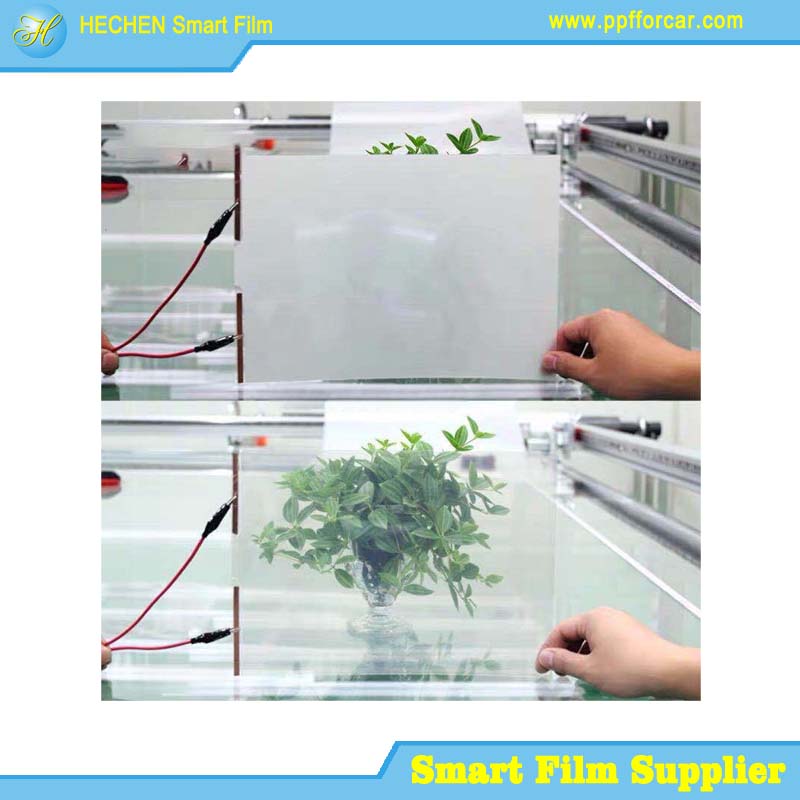
Removable window tint comes in various forms, including static-cling vinyl films, peel-and-stick sheets, and advanced smart films like Polymer Dispersed Liquid Crystal (PDLC) or electrochromic coatings that can be controlled electronically. Available in a range of opacity levels, colors, and finishes, removable tints cater to diverse needs, from aesthetic enhancement to functional privacy and heat reduction.
How Removable Window Tint Works
The functionality of removable window tint depends on its attachment mechanism and material properties:
1. Static-Cling Films: These use electrostatic attraction to adhere to glass without adhesives. The film clings to the surface due to a slight charge difference, making it easy to apply, adjust, or remove. Static-cling tints are typically made of vinyl or similar materials and are reusable if stored properly.
2. Low-Tack Adhesive Films: These use a mild, removable adhesive that allows the film to stick securely but peel off cleanly. The adhesive is designed to leave no residue, preserving the glass’s appearance.
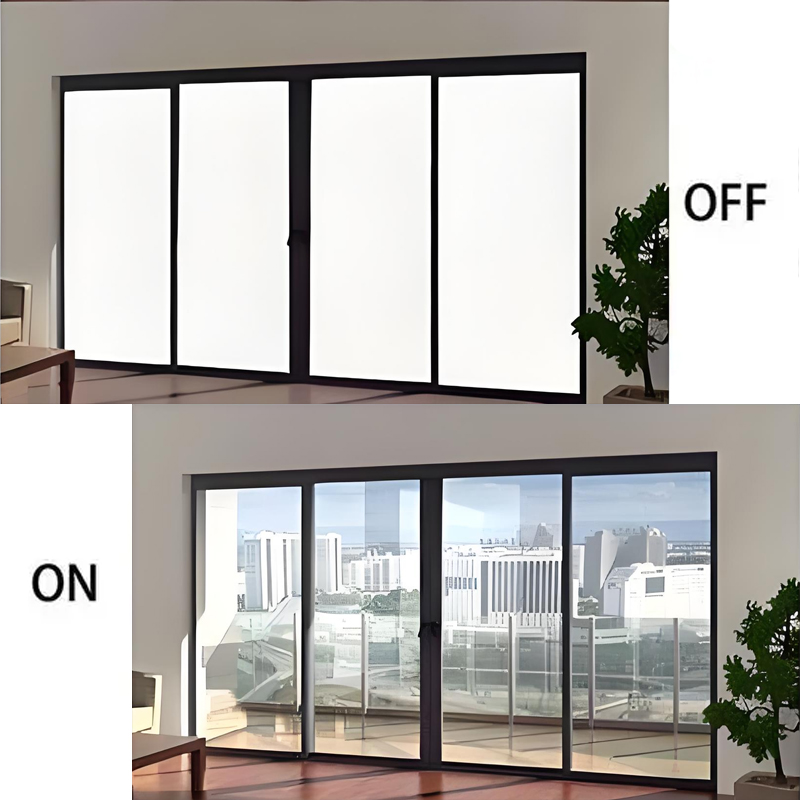
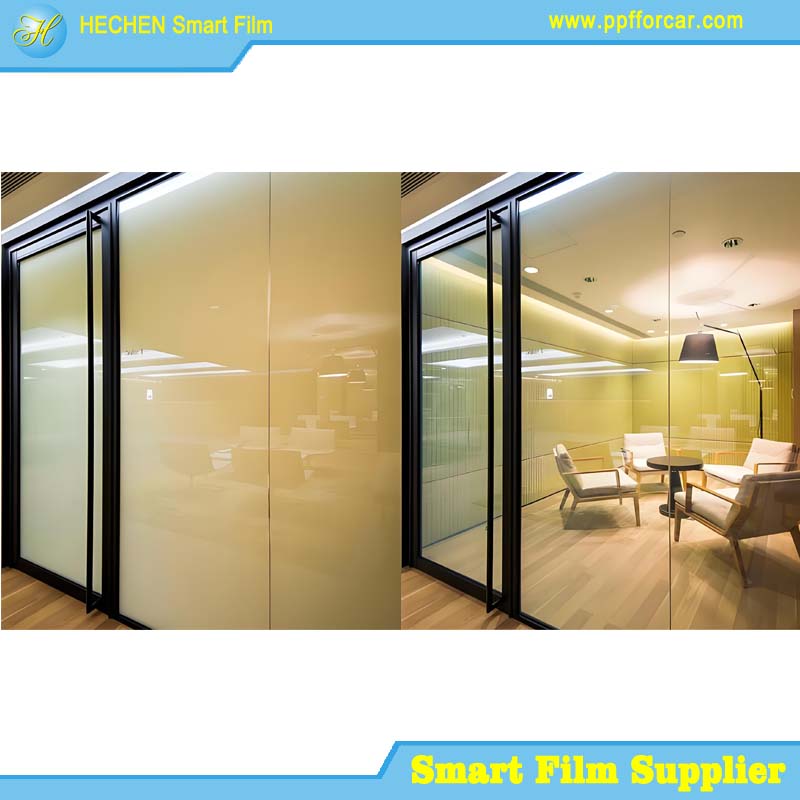
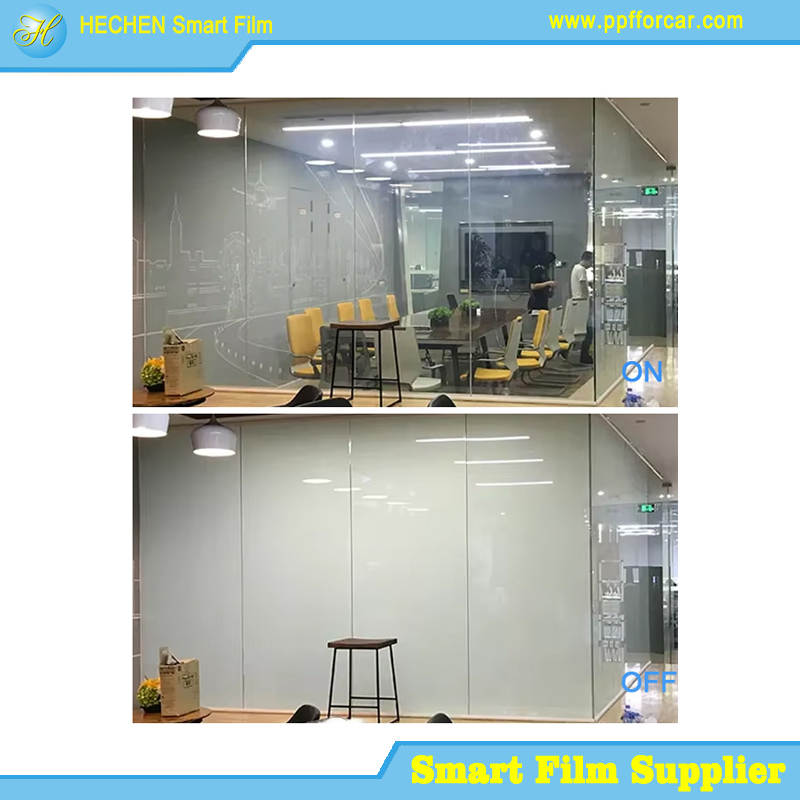
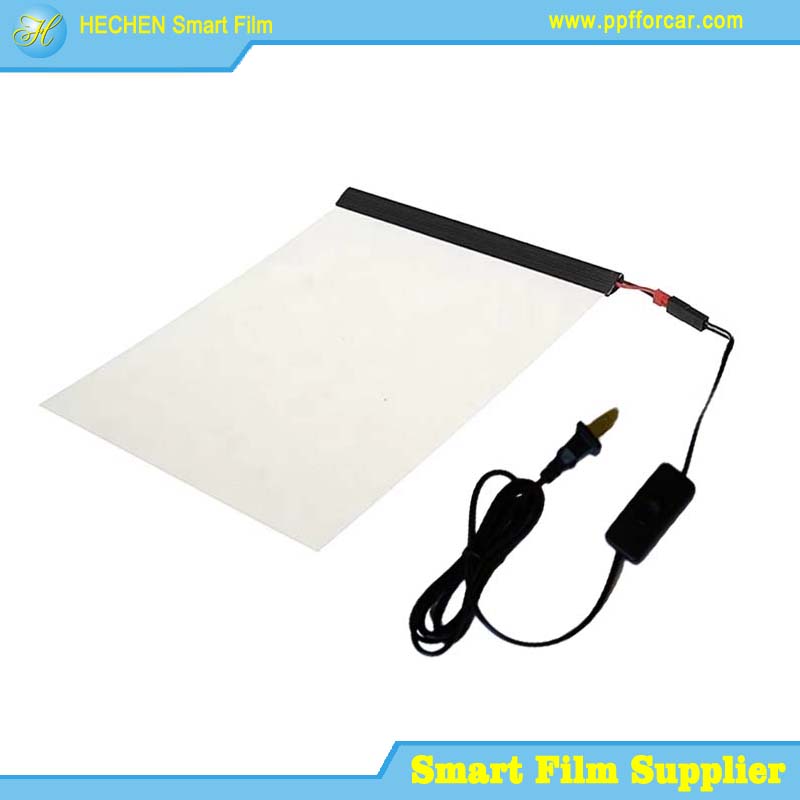
3. Smart Tints: Advanced removable tints, such as PDLC or electrochromic films, can switch between transparent and opaque states when an electric current is applied. While some smart tints are permanently installed, newer removable versions use modular designs that allow detachment for maintenance or replacement.
Application is straightforward: users clean the glass surface, apply the film (often with water or a mild solution for static-cling types), and smooth out air bubbles. Removal is equally simple, requiring only peeling or lifting the film off the surface. Smart tints may require a power source and control system, which can be integrated into a vehicle’s or building’s electrical setup.
Applications of Removable Window Tint
Removable window tint is versatile, finding applications in both automotive and architectural contexts. Below are the primary use cases:
1. Automotive Windows
In vehicles, removable window tint is applied to side windows, rear windows, and sunroofs to provide privacy, reduce glare, and block UV rays. Drivers can remove or adjust the tint to comply with local regulations, adapt to changing light conditions, or refresh the vehicle’s appearance.
2. Residential and Commercial Buildings
In homes and offices, removable tint is used on windows, glass doors, and partitions to control light, enhance privacy, or improve energy efficiency. It’s particularly popular in rental properties, where tenants may prefer non-permanent solutions to avoid violating lease agreements.
3. Temporary Installations
Removable tint is ideal for temporary needs, such as events, pop-up shops, or seasonal privacy requirements. For example, businesses can apply tinted films to storefronts during promotional events and remove them afterward.
4. Specialty Vehicles
Ambulances, delivery vans, and recreational vehicles (RVs) benefit from removable tint for privacy and security. For instance, medical transport vehicles can use tint to shield patients, while RVs can use it to create a comfortable interior during travel.
5. Smart Glass Applications
Advanced removable smart tints, such as PDLC films, are used in luxury vehicles and high-end buildings to provide dynamic light control. These can be integrated with control systems for automated or user-directed adjustments.
Benefits of Removable Window Tint
Removable window tint offers a range of advantages over traditional tinting methods, making it an attractive option for consumers and businesses.
1. Flexibility and Reversibility
The primary benefit of removable tint is its flexibility. Users can apply, reposition, or remove the film as needed, making it ideal for those who want temporary or adjustable solutions. This is particularly valuable for renters, vehicle owners subject to tinting laws, or businesses with changing needs.
2. Ease of Installation and Removal
Unlike permanent tints, which require professional installation and removal, removable tints are user-friendly. Most can be applied without specialized tools, and removal doesn’t involve scraping or chemical solvents, reducing the risk of damage to glass surfaces.
3. Compliance with Regulations
Window tinting laws vary by region, with strict rules on light transmission for vehicle windows. Removable tint allows drivers to adjust or remove the film to meet legal requirements, avoiding fines or inspection issues.
4. Cost-Effectiveness
Removable tints are often reusable, reducing the need for frequent replacements. Additionally, their DIY-friendly nature eliminates the cost of professional installation, making them a budget-friendly option.
5. Enhanced Privacy and Comfort
Like traditional tints, removable films provide privacy, reduce glare, and block UV rays, protecting occupants and interiors from sun damage. They also help regulate indoor temperatures, improving comfort and reducing energy costs.
6. Aesthetic Customization
Removable tints come in various colors, patterns, and opacity levels, allowing users to personalize the look of their vehicle or building. This is particularly appealing for those seeking a unique aesthetic without permanent commitment.
Challenges and Limitations
Despite its advantages, removable window tint faces several challenges that must be addressed for broader adoption.
1. Durability Concerns
Removable tints, particularly static-cling films, may be less durable than permanent tints. Exposure to UV rays, extreme temperatures, or frequent handling can degrade the material over time, affecting performance and appearance.
2. Limited Opacity Options
While removable tints offer flexibility, they may not provide the same range of opacity levels as permanent films. For example, some static-cling films struggle to achieve deep, uniform tinting, which can limit their effectiveness for privacy or heat rejection.
3. Adhesion Issues
Static-cling and low-tack films may struggle to adhere to curved or textured glass surfaces, leading to peeling or bubbling. Proper application techniques are essential to ensure a secure fit.
4. Smart Tint Complexity
Removable smart tints, such as PDLC films, require power sources and control systems, adding complexity and cost. While removable versions exist, their installation and maintenance can be more involved than simple static-cling films.
5. Regulatory Hurdles
Even with removable tints, users must ensure compliance with local regulations, particularly for vehicles. Some regions have strict limits on tint darkness or reflectivity, which may restrict the use of certain films.
Current Market Trends
The market for removable window tint is growing, driven by consumer demand for flexible, user-friendly solutions and advancements in material science. Key trends include:
1. Rise in DIY Solutions
The popularity of DIY home and automotive projects has boosted demand for removable tints. Brands like Gila, Rabbitgoo, and Coavas offer static-cling films that cater to consumers seeking affordable, easy-to-install options.
2. Integration with Smart Technology
Smart removable tints, such as PDLC and electrochromic films, are gaining traction in luxury vehicles and high-end buildings. These films integrate with smart home or vehicle systems, allowing control via apps or voice commands.
3. Sustainability Focus
Manufacturers are developing eco-friendly removable tints made from recyclable materials or designed for long-term reusability. This aligns with growing consumer and regulatory emphasis on sustainability.
4. Automotive Customization
The automotive aftermarket is embracing removable tints as a way to offer customizable, non-permanent solutions. This trend is particularly strong among younger drivers and car enthusiasts who value personalization.
5. Rental Market Growth
In the rental housing market, removable window tint is popular among tenants who want to enhance privacy or energy efficiency without violating lease terms. This has led to increased availability of consumer-friendly products.
Future Prospects
The future of removable window tint is bright, with innovations poised to overcome current limitations and expand its applications.
1. Improved Materials
Advances in material science are leading to more durable, UV-resistant, and high-performance removable tints. New films may offer better adhesion, deeper tinting, and enhanced heat rejection, rivaling permanent solutions.
2. Smart Tint Advancements
Next-generation removable smart tints could feature wireless power systems or self-contained batteries, reducing reliance on external power sources. This would make them more practical for vehicles and portable applications.
3. Broader Accessibility
As manufacturing processes improve, the cost of removable tints is expected to decrease, making them accessible to a wider audience. This could drive adoption in budget vehicles and entry-level housing.
4. Regulatory Adaptation
As removable tints become more common, regulatory bodies may update tinting laws to accommodate their dynamic nature, simplifying compliance for users. Standardized testing for removable films could also emerge.
5. Integration with Emerging Technologies
Removable tints could be combined with other technologies, such as photovoltaic films for energy generation or augmented reality coatings for displays. This would create multifunctional surfaces for vehicles and buildings.
Case Studies
1. Automotive Aftermarket: Gila Static-Cling Tint
Gila’s static-cling window tint is a popular choice for DIY vehicle owners. Available at retailers like Home Depot, it offers easy application and removal, allowing drivers to customize their windows without permanent commitment.
2. Residential Use: Rabbitgoo Window Film
Rabbitgoo’s removable window films are widely used in homes and apartments. Their decorative patterns and privacy features make them ideal for renters, with thousands of positive reviews on platforms like Amazon.
3. Luxury Vehicles: PDLC Smart Tint
Some luxury vehicle manufacturers are experimenting with removable PDLC films for sunroofs and partitions. These films offer dynamic light control and can be detached for maintenance or upgrades.
Conclusion
Removable window tint represents a significant advancement in light and privacy control, offering a flexible, user-friendly alternative to traditional tinting methods. Its ease of use, reversibility, and customization options make it ideal for vehicles, homes, and commercial spaces. While challenges like durability and regulatory compliance persist, ongoing innovations in materials and smart technology are paving the way for broader adoption. As consumer demand for versatile, sustainable, and high-performance solutions grows, removable window tint is poised to become a staple in the automotive and architectural industries, redefining how we manage light, privacy, and energy efficiency.
For more about the removable window tint: a versatile solution for privacy and performance, you can pay a visit to Hechen PDLC Smart Film Manufacturers for more info.