Smart Film Glass: The Future of Adaptive Architecture
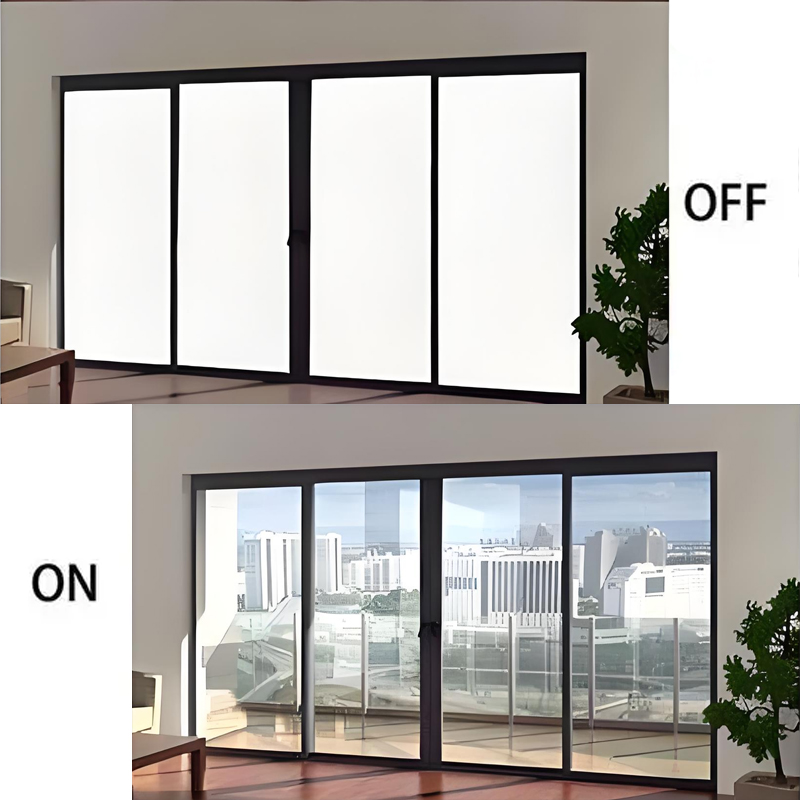
In an era where technology increasingly shapes our surroundings, smart film glass emerges as a groundbreaking innovation that redefines how we interact with our environments. Known as switchable glass or privacy glass, this advanced material allows glass surfaces—like windows, partitions, or skylights—to alter their properties, such as transparency or opacity, in response to external stimuli like electricity, heat, or light. Picture a window that tints itself to block harsh sunlight, a conference room wall that turns opaque for privacy with a button’s press, or a skylight that adjusts to maintain an ideal indoor climate. Smart film glass makes these scenarios a reality, merging functionality, energy efficiency, and aesthetic appeal into a single, sleek solution.
But what is smart film glass, and why is it gaining traction in architecture and design? This article takes an in-depth look at smart film glass, covering its types, advantages, underlying technology, real-world uses, and what lies ahead for this transformative material.
1. What Is Smart Film Glass?
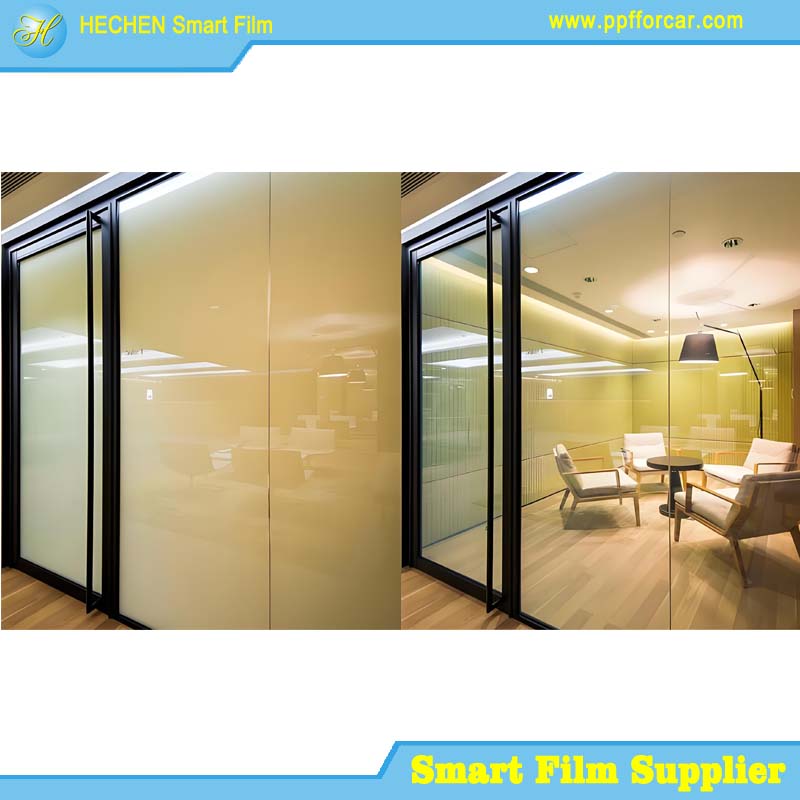
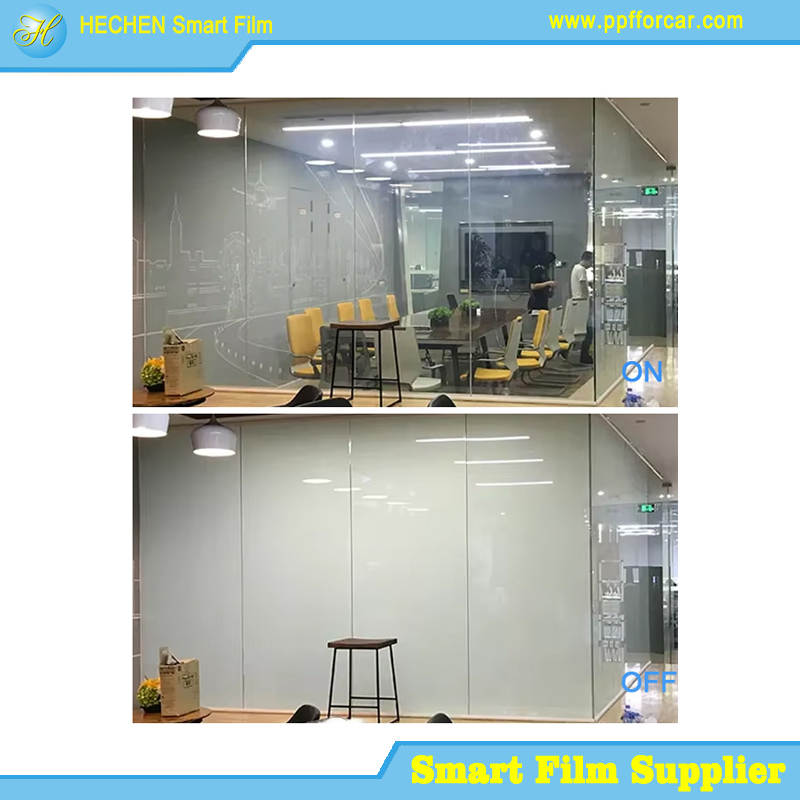
Smart film glass is a dynamic type of glass that can change its appearance or performance based on external triggers. Unlike traditional glass, which remains fixed in its properties, smart film glass adapts—switching between clear and opaque states, adjusting light transmission, or even shifting colors. This flexibility makes it a powerful tool for managing privacy, controlling light, and boosting energy efficiency in homes, offices, and beyond.
Typically applied as a thin, adhesive layer onto existing glass, smart film is a practical retrofit option. It can enhance windows, doors, partitions, or even glass furniture, turning ordinary surfaces into interactive, high-tech features. Users can control the glass manually (via switches or apps) or set it to adjust automatically, adding a layer of convenience and sophistication to any space.
2. Types of Smart Film Glass
Smart film glass comes in various forms, each leveraging distinct technologies to achieve its adaptive capabilities. The three primary types are electrochromic, thermochromic, and photochromic. Here’s how they work and where they shine:
a. Electrochromic Smart Film Glass
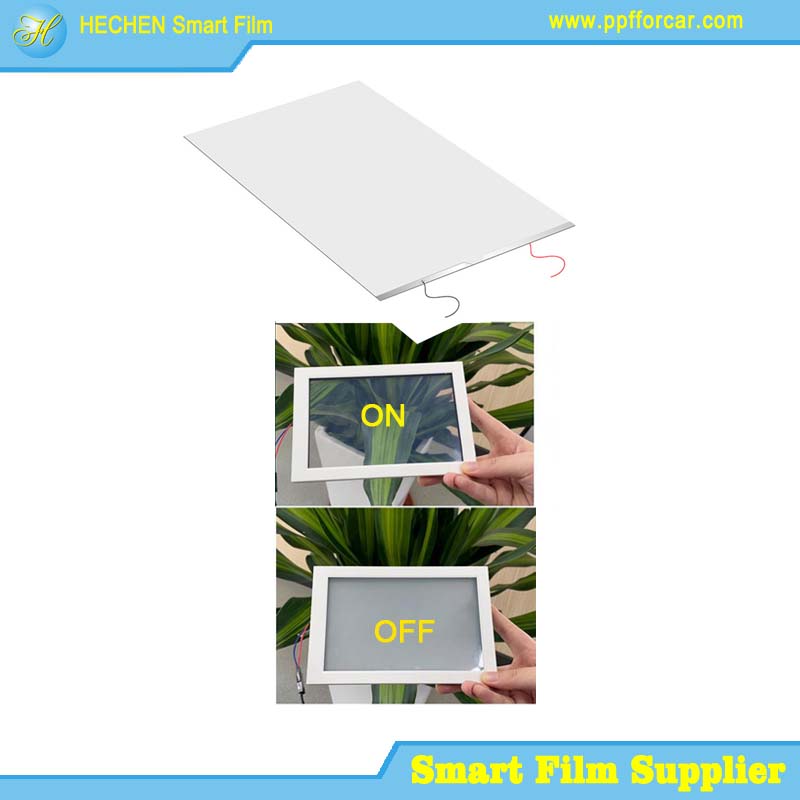
Electrochromic smart film is the most popular type, offering instant control over transparency. By applying a low electrical voltage, the film’s internal components—often liquid crystals or suspended particles—realign, shifting the glass from clear to opaque or back again. This on-demand functionality suits office partitions, car windows, and homes where privacy needs vary throughout the day.
b. Thermochromic Smart Film Glass
Thermochromic smart film responds to temperature changes. As heat increases, the film becomes more opaque to block excess sunlight and warmth; as it cools, it clears up. This automatic adjustment is ideal for energy-efficient buildings, reducing reliance on air conditioning or heating without requiring user input.
c. Photochromic Smart Film Glass
Photochromic smart film reacts to light, particularly UV rays. In bright sunlight, it darkens to cut glare and heat; in dim conditions, it gradually becomes transparent again. Known from transition eyewear lenses, this technology is now used in windows and skylights, offering a passive way to manage light and comfort in sun-exposed spaces.
Each type caters to specific needs, making smart film glass a versatile choice across diverse applications.
3. Benefits of Smart Film Glass
Smart film glass isn’t just a futuristic novelty—it delivers practical advantages that make it a compelling option for modern design. Here are its standout benefits:
a. Energy Efficiency
Smart film glass significantly reduces energy use by regulating sunlight entry. In hot climates, it blocks solar heat to keep interiors cool; in colder areas, it lets in warmth from the sun. Studies suggest that buildings with smart glass can cut energy costs by up to 20%, supporting both budgets and sustainability goals.
b. Privacy on Demand
With smart film glass, privacy is instant and effortless. A switch or app can transform a transparent surface into an opaque one, eliminating the need for blinds or curtains. This is perfect for conference rooms, bathrooms, or bedrooms, offering convenience and a cleaner, dust-free alternative to fabric coverings.
c. UV Protection and Glare Reduction
Capable of blocking up to 99% of UV rays, smart film glass shields interiors from sun damage and reduces health risks for occupants. It also minimizes glare, enhancing comfort in spaces with large glass features, all while preserving natural light.
d. Aesthetic Flexibility
Beyond utility, smart film glass elevates design. It can be customized with patterns, colors, or gradients, enabling creative, eye-catching effects. The ability to alter a space’s mood or style with a simple adjustment adds a modern, dynamic flair to architecture and interiors.
4. The Technology Behind Smart Film Glass
The adaptability of smart film glass stems from its sophisticated technology, which varies by type. Here’s a breakdown:
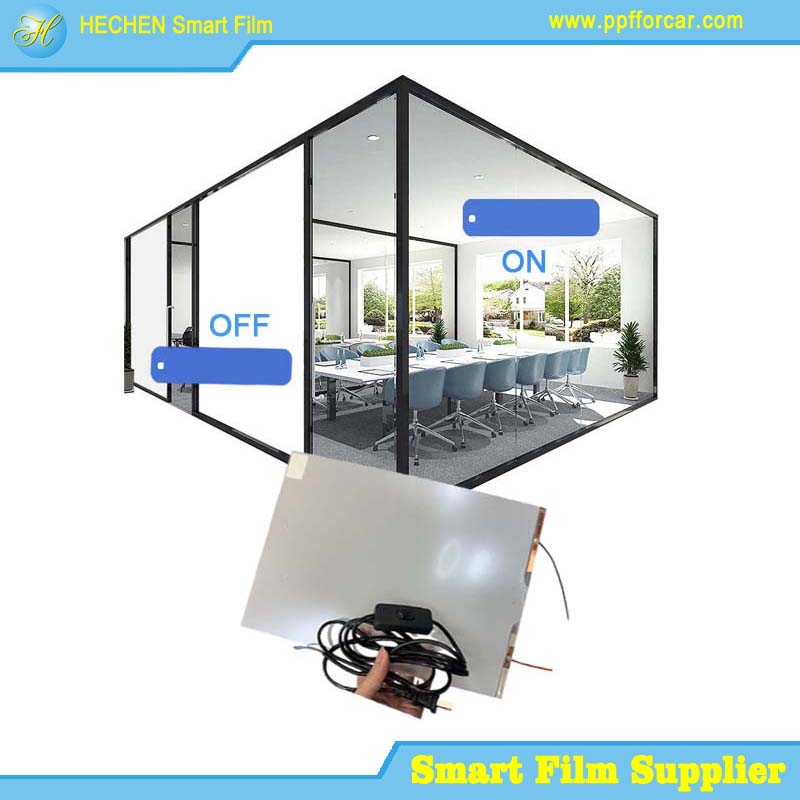
Electrochromic Films: These feature layered designs with conductive coatings and a core of liquid crystals or particles. An electric current triggers molecular realignment, switching the film between transparent (light-passing) and opaque (light-scattering) states.
Thermochromic Films: Temperature-sensitive materials change their structure with heat fluctuations, altering transparency. Warmer conditions increase opacity, while cooler ones restore clarity.
Photochromic Films: UV-sensitive molecules react to sunlight, darkening the film through a reversible chemical process. When light fades, the film clears again.
Though the science is intricate, the outcome is a seamless, user-friendly product that enhances everyday living with cutting-edge innovation.
5. Installation and Maintenance
Smart film glass stands out for its installation simplicity. Unlike smart glass panels that require full window replacements, smart film adheres to existing surfaces, making it a budget-friendly upgrade for homes, offices, or vehicles.
The installation process typically includes:
Surface Prep: Cleaning the glass to ensure a flawless application.
Film Application: Applying the adhesive film, smoothing out air bubbles with a squeegee.
Electrical Setup (for Electrochromic): Connecting the film to a power source and control system, like a switch or app.
While DIY kits exist, professional installation is advised for larger or intricate projects to guarantee performance.
Maintenance is straightforward—clean with standard glass cleaners, and most films last 10-15 years with proper care. This durability and low upkeep make it a practical choice for busy settings.
6. Real-World Applications and Case Studies
Smart film glass is already transforming industries, from architecture to healthcare. Here are some inspiring examples:
The Edge, Amsterdam: Dubbed the world’s most sustainable office, The Edge uses smart glass to adjust light and heat dynamically, slashing energy use by 70% compared to traditional buildings. It’s a model of eco-friendly workplaces.
Mayo Clinic, USA: Patient rooms and surgical areas employ smart film glass for instant privacy, improving comfort and hygiene by replacing curtains. This showcases its value in medical environments.
Luxury Homes: High-end residences use smart film for shower enclosures and expansive windows, merging privacy with sleek, minimalist design.
These cases highlight how smart film glass delivers real-world impact, blending innovation with functionality.
7. Challenges and Limitations
Despite its strengths, smart film glass has some drawbacks to consider:
Cost: It’s pricier upfront than traditional glass or shading options, though costs are dropping as adoption grows.
Power Dependency (Electrochromic): These films need electricity, which may pose issues in unreliable power zones.
Response Time: Photochromic and thermochromic films can lag in adjusting to changes, potentially limiting their use in fast-paced settings.
Still, ongoing advancements are mitigating these hurdles, making the technology increasingly viable.
8. The Future of Smart Film Glass
The outlook for smart film glass is exciting, with research driving new possibilities. As sustainability becomes a priority, it’s set to become a staple in green design. Emerging trends include:
Self-Powered Films: Solar or kinetic energy could power films, eliminating external energy needs.
AI Integration: Smart films might pair with AI to adapt to user habits automatically, creating truly responsive spaces.
Wider Accessibility: Lower production costs could bring smart film glass to more homes and businesses.
These developments position smart film glass as a key player in tomorrow’s architecture.
Conclusion
Smart film glass is more than a high-tech gimmick—it’s a game-changer that reshapes how we live and work. Offering energy savings, instant privacy, UV protection, and design versatility, it’s paving the way for smarter, greener buildings. As it evolves and becomes more affordable, smart film glass will likely redefine not just construction but our daily interactions with our surroundings. Whether you’re an architect, homeowner, or tech enthusiast, this innovation offers a window into the future—and it’s already within reach.
For more about the smart film glass: the future of adaptive architecture, you can pay a visit to Hechen PDLC Smart Film Manufacturers for more info.