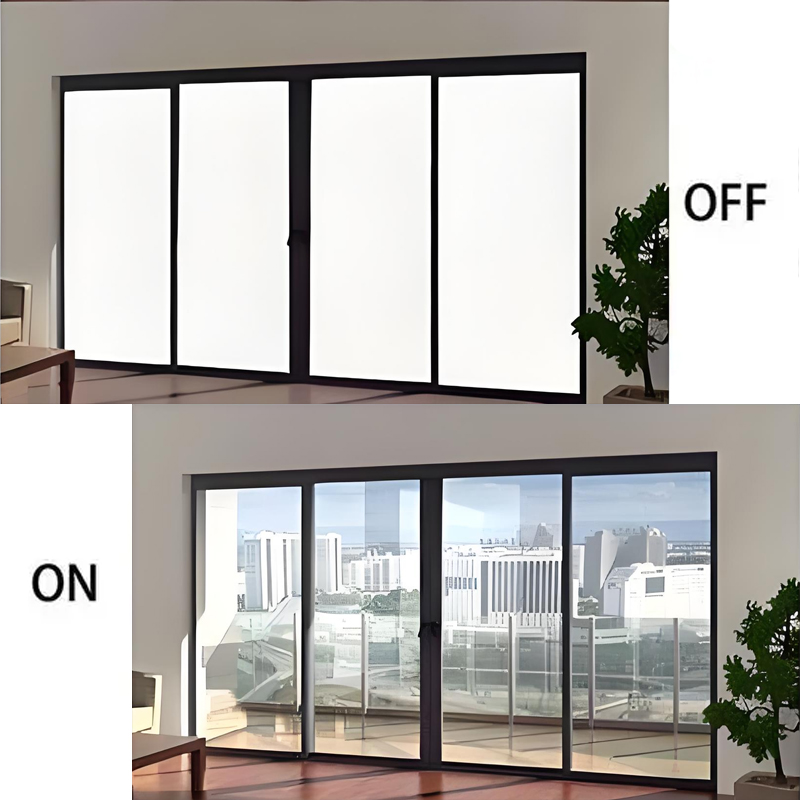
Smart Film for Glass Manufacturer
Smart films for glass represent a transformative technology that enhances the functionality, aesthetics, and efficiency of glass surfaces. These films, capable of dynamically altering transparency, light transmission, or thermal properties, are revolutionizing industries such as architecture, automotive, healthcare, and retail. At the forefront of this innovation are smart film for glass manufacturers, who combine advanced materials science, engineering, and design to produce films that meet diverse needs. From switchable privacy films to energy-saving solutions, these manufacturers are shaping the future of how we interact with glass. This article delves into the world of smart film manufacturing, exploring the production processes, types of films, technological advancements, market trends, and their role in promoting sustainability. By understanding the expertise and innovation behind smart film manufacturers, we gain insight into an industry that blends cutting-edge technology with practical applications, delivering solutions that enhance comfort, privacy, and environmental responsibility in modern spaces.
Understanding Smart Films for Glass
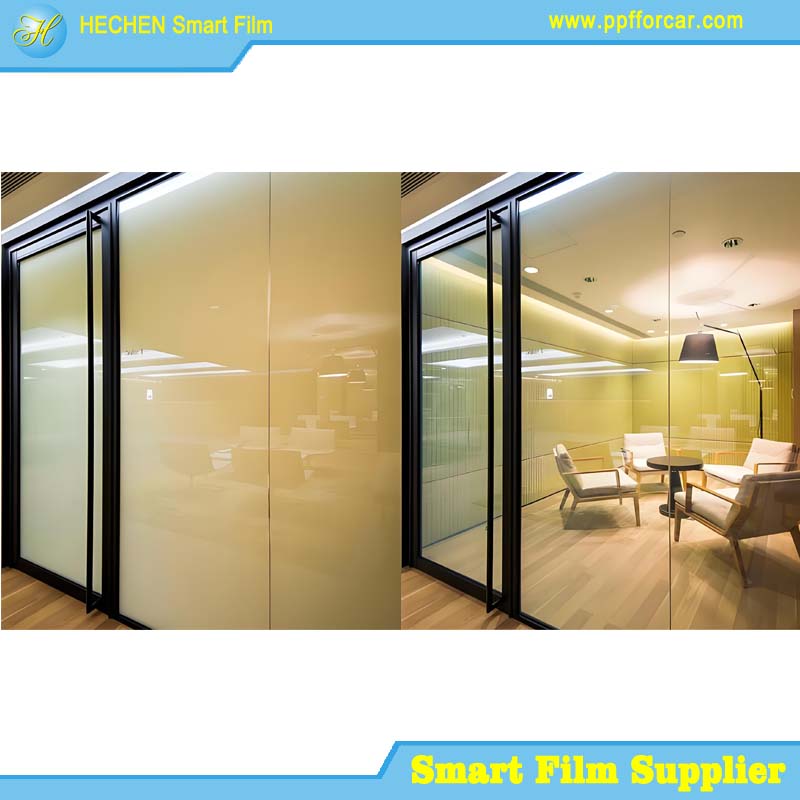
Smart films for glass are advanced, thin materials applied to glass surfaces to provide dynamic functionality. Unlike traditional window films, smart films can actively change their properties—such as opacity, tint, or thermal insulation—in response to external stimuli like electricity, light, or heat. The most common types include Polymer Dispersed Liquid Crystal (PDLC) films, electrochromic films, and photochromic films, each offering unique capabilities.
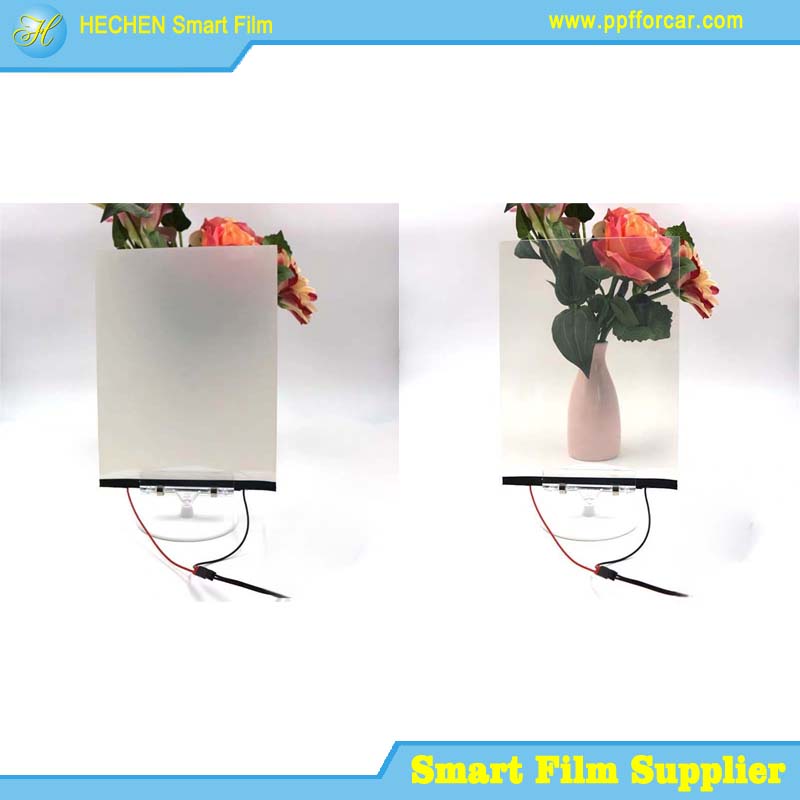
PDLC films, for instance, switch from opaque to transparent when an electric current is applied, offering instant privacy control. Electrochromic films adjust tint to manage light and heat, while photochromic films respond to sunlight intensity. These films enhance privacy, reduce energy consumption, and improve comfort, making them ideal for applications in offices, homes, vehicles, and medical facilities.
Smart film manufacturers are tasked with designing and producing these films to meet stringent performance standards, such as optical clarity, durability, and energy efficiency. They work closely with architects, automotive designers, and technology integrators to create customized solutions that align with specific aesthetic and functional requirements, driving the adoption of smart glass in modern design.
The Role of Smart Film for Glass Manufacturers
Smart film for glass manufacturers are pivotal in advancing glass technology by developing high-performance films that cater to diverse industries. Their primary role is to innovate, produce, and distribute films that enhance the functionality of glass surfaces while maintaining aesthetic appeal and durability. This involves extensive research and development (R&D) to create films with improved switching speeds, energy efficiency, and environmental resilience.
Manufacturers collaborate with stakeholders, including architects, builders, automotive companies, and interior designers, to deliver tailored solutions. For example, they may develop films for large-scale office buildings that require dynamic light control or create films for automotive sunroofs that balance privacy and visibility. Beyond production, manufacturers ensure product quality through rigorous testing, evaluating factors like UV resistance, thermal performance, and adhesion strength.
Education and support are critical responsibilities. Manufacturers train installers and distributors on proper application techniques to ensure optimal performance, as improper installation can compromise functionality. They also promote the benefits of smart films—such as energy savings, privacy, and enhanced aesthetics—to drive market adoption. Sustainability is a key focus, with manufacturers adopting eco-friendly materials and production processes to align with global environmental goals, positioning themselves as leaders in the green technology space.
The Manufacturing Process of Smart Films for Glass
Producing smart films for glass is a complex, technology-driven process that requires precision and expertise. The manufacturing process typically involves the following stages:
1. Material Selection: Smart films are typically made from polyester (PET) or other flexible substrates coated with conductive layers, such as indium tin oxide (ITO). For PDLC films, a liquid crystal-polymer mixture is prepared, while electrochromic films use specialized chemical compounds. Manufacturers select high-quality materials to ensure optical clarity and durability.
2. Coating and Dispersion: For PDLC films, liquid crystal droplets are dispersed in a polymer matrix using emulsification or phase separation techniques. Electrochromic films involve depositing thin layers of electroactive materials onto conductive substrates. This step requires precise control to ensure uniform performance and clarity. Advanced coating technologies, such as sputtering or chemical vapor deposition, are often used.
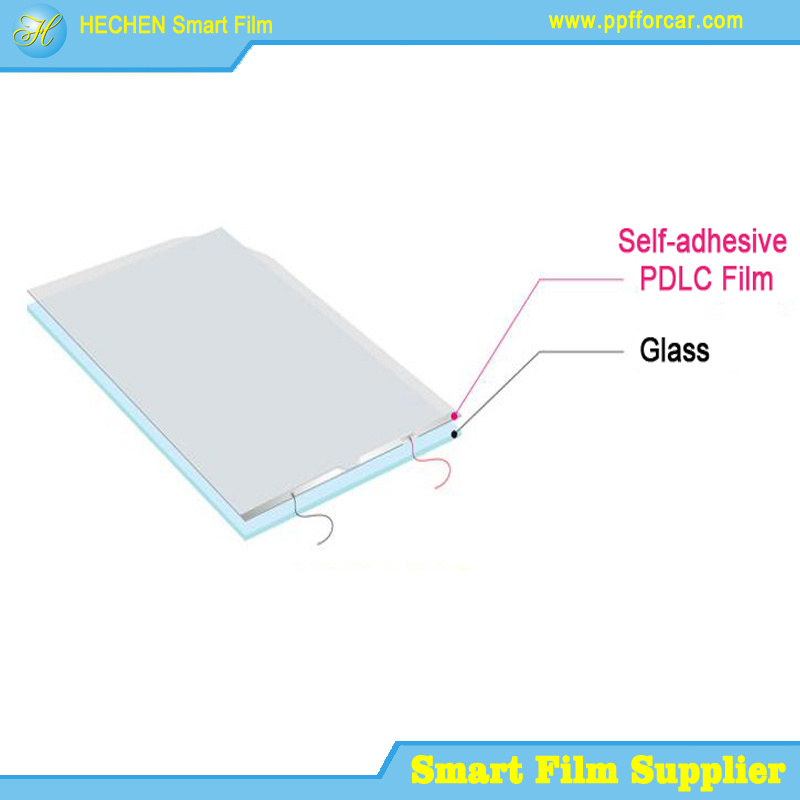
3. Lamination: The active layer (e.g., liquid crystal or electrochromic material) is sandwiched between two conductive films. This lamination process creates a single, flexible film capable of dynamic functionality. Adhesive layers may be added for easy application to glass surfaces.
4. Electrical Integration: Manufacturers incorporate electrical components, such as busbars or wiring, to enable films to connect to power sources or control systems. For smart films integrated with IoT systems, additional circuitry may be included for remote operation.
5. Quality Control and Testing: Each batch undergoes extensive testing to verify performance metrics like switching speed, light transmission, and durability. Tests simulate real-world conditions, including UV exposure, temperature fluctuations, and humidity. Automated systems often detect defects to ensure consistency.
6. Cutting and Packaging: Films are cut into rolls or sheets tailored to specific applications, such as large architectural panels or small automotive windows. They are then packaged for distribution to installers, retailers, or end-users.
This process requires state-of-the-art facilities, skilled technicians, and stringent quality control to produce films that meet industry standards and customer expectations.
Types of Smart Films for Glass
Smart film manufacturers produce a variety of films, each designed for specific applications and performance needs. The main types include:
· Polymer Dispersed Liquid Crystal (PDLC) Films: These films switch from opaque to transparent with an electric current, offering instant privacy control. They are widely used in office partitions, residential windows, and medical facilities.
· Electrochromic Films: These films adjust tint in response to an electric current, controlling light and heat transmission. They are ideal for energy-efficient buildings and automotive applications, reducing glare and cooling costs.
· Photochromic Films: These films automatically adjust tint based on sunlight intensity, requiring no external power. They are used in applications where passive light control is desired, such as skylights or vehicle windows.
· Thermochromic Films: These films change opacity or color in response to temperature changes, offering passive thermal regulation. They are less common but growing in use for energy-saving applications.
· Self-Adhesive Smart Films: Designed for retrofit applications, these films can be applied to existing glass surfaces, making them cost-effective for upgrading windows in homes or offices.
· Customizable Smart Films: Manufacturers offer films with tailored designs, such as patterns or logos, for decorative purposes in commercial or retail spaces.
Each type is engineered to meet specific needs, from energy efficiency to aesthetic enhancement, with manufacturers continuously innovating to expand functionality and applications.
Technological Advancements in Smart Film Manufacturing
The smart film industry is driven by rapid technological advancements that enhance performance, efficiency, and versatility. Manufacturers are leveraging cutting-edge innovations to meet growing market demands.
Low-power technologies are a major focus. For PDLC and electrochromic films, manufacturers have developed films that operate at lower voltages, reducing energy consumption and enabling integration with battery-powered or IoT systems. This is particularly relevant for smart homes and electric vehicles.
Improved optical performance is another advancement. Manufacturers are refining liquid crystal formulations and coating techniques to minimize haze and enhance clarity in the transparent state. This ensures smart films meet the aesthetic demands of high-end architecture and automotive design.
Flexible and large-format films are expanding applications. Advances in roll-to-roll manufacturing allow the production of films for curved surfaces or large glass panels, enabling use in modern skyscrapers, vehicle sunroofs, or even flexible displays.
Integration with smart systems is transforming functionality. Manufacturers are developing films compatible with home automation platforms, allowing users to control opacity or tint via smartphone apps, voice assistants, or sensors. Some films incorporate hybrid technologies, combining PDLC and electrochromic properties for dynamic privacy and light control.
Sustainability innovations are also critical. Manufacturers are adopting eco-friendly materials, such as recyclable PET and non-toxic liquid crystals, and implementing energy-efficient production processes. Some are exploring biodegradable films to address end-of-life disposal concerns, aligning with circular economy principles.
Automation and AI are streamlining production. Automated coating and lamination systems ensure precision, while AI-driven quality control detects defects in real-time, reducing waste and improving consistency. Digital simulation tools also allow manufacturers to design films tailored to specific climates or architectural needs.
Market Trends and Industry Outlook
The global smart film for glass market is experiencing robust growth, driven by increasing demand for energy-efficient, privacy-focused, and aesthetically versatile solutions. Industry reports project a compound annual growth rate (CAGR) of 15-20% through the next decade, fueled by applications in architecture, automotive, healthcare, and retail.
Smart buildings are a key driver, with architects and developers adopting smart films to enhance energy efficiency and occupant comfort. Stricter building codes and sustainability goals are boosting demand for films that reduce energy consumption in commercial and residential spaces.
The automotive sector is another growth area, with smart films used in sunroofs, windows, and privacy partitions, particularly in luxury and electric vehicles. Their ability to reduce heat and glare aligns with the push for energy-efficient vehicle designs.
Healthcare and retail applications are expanding, with smart films used for privacy in hospitals and dynamic displays in storefronts. The rise of retrofit solutions, such as self-adhesive films, is making smart films accessible for upgrading existing glass surfaces.
Challenges include high production costs and the need for skilled installation, but manufacturers are addressing these through economies of scale and training programs. The integration of smart films with IoT and smart city initiatives is expected to further drive market growth.
Sustainability and Environmental Impact
Smart film manufacturers are prioritizing sustainability, recognizing their role in reducing environmental impact. By enabling dynamic light and heat control, smart films reduce reliance on artificial lighting and air conditioning, lowering energy consumption in buildings and vehicles. Some manufacturers estimate energy savings of up to 25%, contributing to greener urban environments.
In production, companies are adopting eco-friendly practices, such as using recyclable materials, reducing solvent use, and implementing energy-efficient manufacturing processes. Some are exploring biodegradable smart films to minimize environmental impact at the end of the product’s life cycle.
By enhancing energy efficiency and promoting sustainable design, smart film manufacturers are supporting global efforts to combat climate change, making their products a key component of eco-conscious architecture and transportation.
Conclusion
Smart film for glass manufacturers are driving a technological revolution, delivering innovative solutions that enhance the functionality and sustainability of glass surfaces. Through advanced manufacturing processes, cutting-edge technologies, and a commitment to environmental responsibility, they are transforming industries from architecture to automotive. As demand for energy-efficient, privacy-focused, and customizable solutions grows, these manufacturers are well-positioned to lead the market, offering films that combine performance with aesthetic appeal. Their focus on sustainability, coupled with advancements in low-power, high-clarity, and IoT-integrated films, ensures that smart films will play a pivotal role in shaping a smarter, greener future. By continuing to innovate and educate the market, smart film manufacturers are not only meeting today’s needs but also paving the way for a new era of intelligent and sustainable design.
For more about the smart film for glass manufacturer, you can pay a visit to Hechen PDLC Smart Film Manufacturers for more info.