Smart Film for Glass: Transforming Spaces with Cutting-Edge Technology
Smart Film for Glass: Transforming Spaces with Cutting-Edge Technology
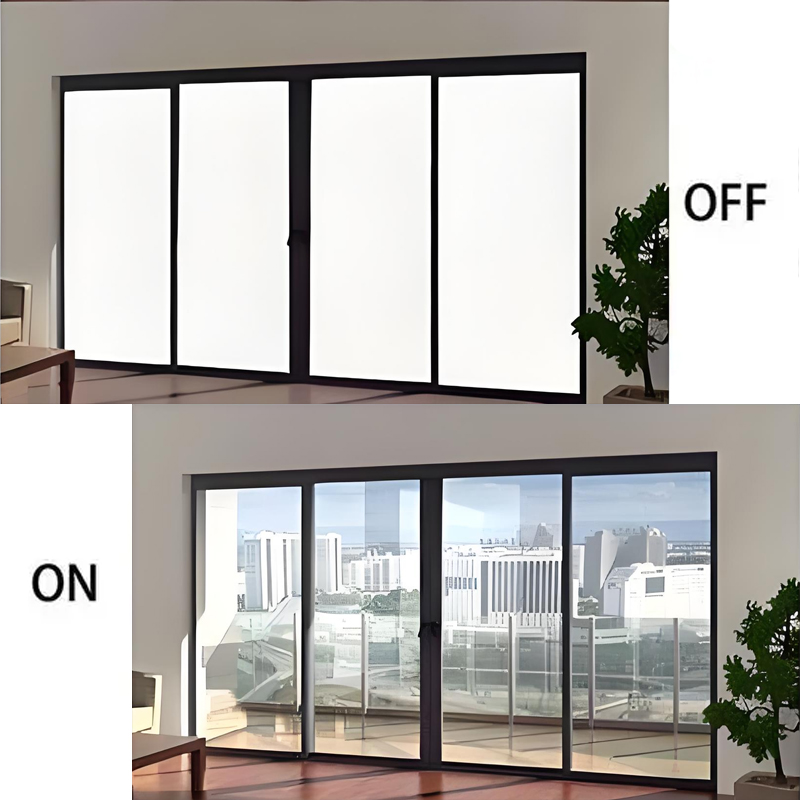
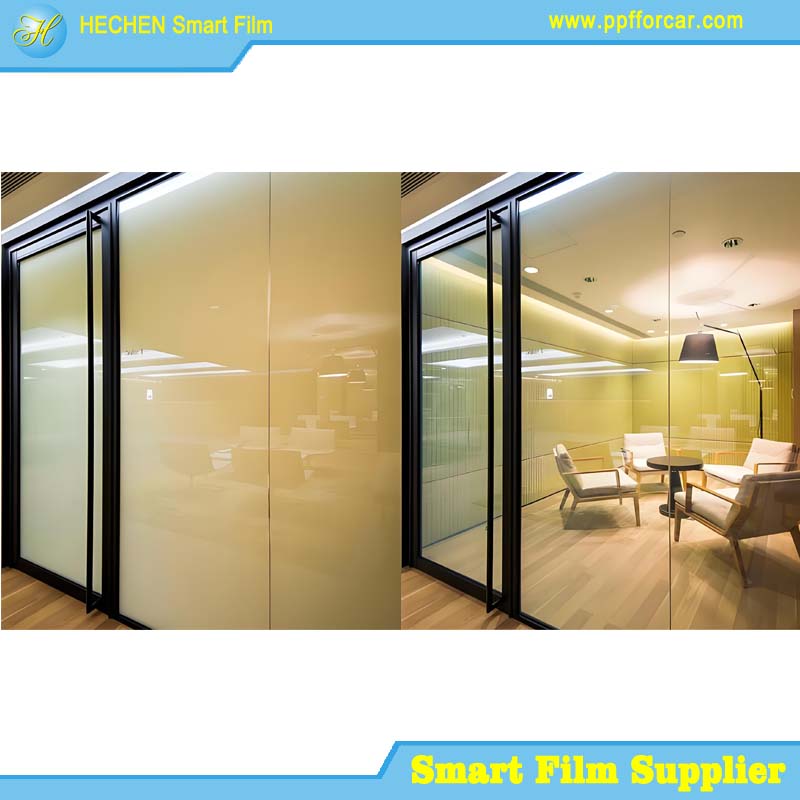
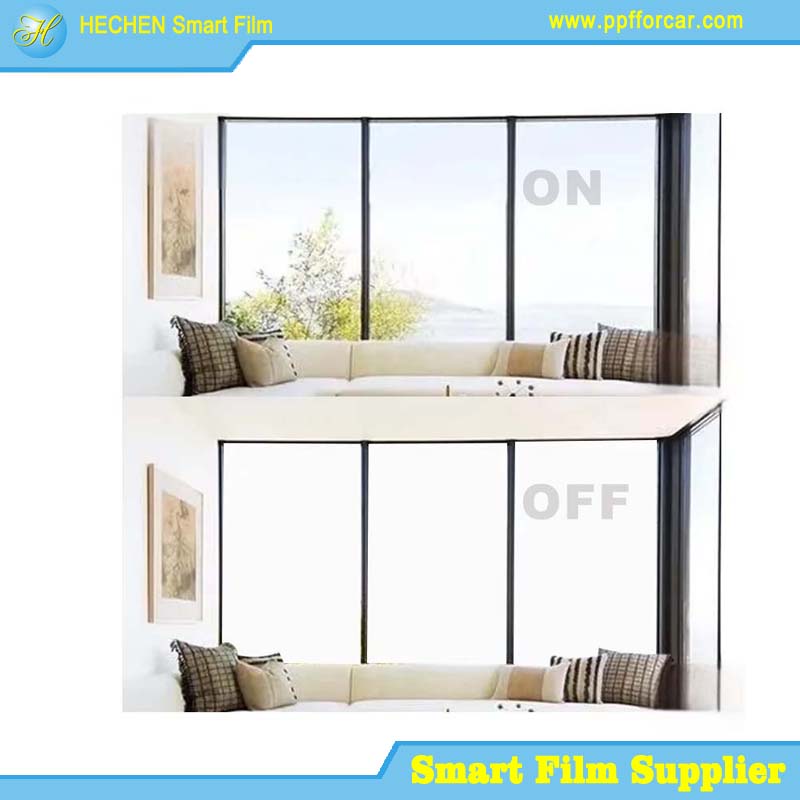
Smart film for glass is a revolutionary technology that allows glass surfaces to switch between transparent and opaque states with the flick of a switch, offering dynamic control over privacy, light, and energy efficiency. This innovative material, often applied as a thin layer to existing glass, is reshaping industries from architecture to automotive by blending functionality with modern aesthetics. Among its variants, Polymer Dispersed Liquid Crystal (PDLC) and Suspended Particle Device (SPD) films dominate due to their versatility and performance. This 2000-word article explores the mechanics of smart film, its diverse applications, benefits, challenges, market trends, and the exciting future it promises.

Understanding Smart Film for Glass
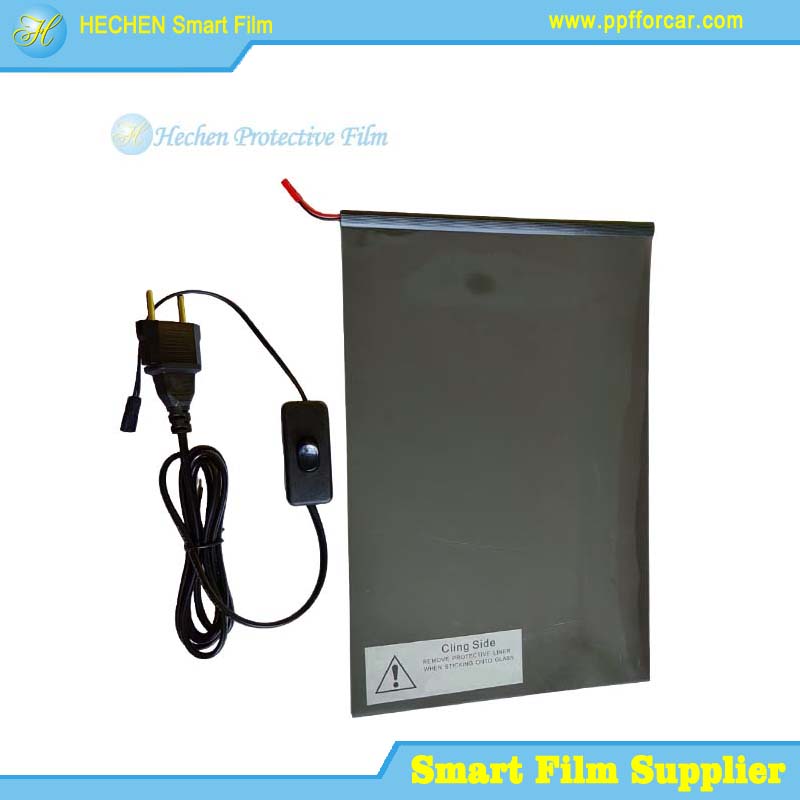
Smart film, also known as switchable film, is a thin, adhesive layer applied to glass surfaces to alter their optical properties. It can transition from clear to opaque, or even adjust light transmission, in response to electrical stimuli. The two primary technologies driving smart film are PDLC and SPD, each with distinct mechanisms:Polymer Dispersed Liquid Crystal (PDLC)PDLC smart film consists of liquid crystal droplets dispersed within a polymer matrix, sandwiched between transparent conductive layers. In its default state (no voltage), the crystals are randomly oriented, scattering light and making the film opaque, ideal for privacy. When voltage is applied, the crystals align, allowing light to pass through and rendering the film transparent. This rapid switch—often within milliseconds—makes PDLC film highly responsive.Suspended Particle Device (SPD)SPD film contains microscopic particles suspended in a liquid medium. Without voltage, these particles absorb light, darkening the film and reducing transparency. When an electric current is applied, the particles align, increasing light transmission. SPD film excels in applications requiring adjustable light control, such as glare reduction, and can achieve a range of opacity levels.Both technologies enable smart film to serve as a versatile tool, adaptable to various environments and needs. While PDLC is more common for privacy-focused applications, SPD is often chosen for light management, though both can overlap in functionality.
Applications of Smart Film for Glass
Smart film’s ability to transform glass has led to its adoption across multiple sectors. Here are some key applications:1. Architecture and Interior DesignIn commercial buildings, smart film is used for partition walls, windows, and conference rooms, enabling flexible spaces that switch between open and private configurations. For example, a meeting room can be opaque during sensitive discussions and transparent to foster collaboration afterward. In residential settings, it’s applied to windows, skylights, and shower enclosures, offering privacy without sacrificing natural light or requiring curtains. This enhances both aesthetics and functionality in modern homes.2. Automotive IndustryThe automotive sector leverages smart film for sunroofs, side windows, and rearview mirrors. Drivers can adjust transparency to reduce glare, enhance privacy, or control cabin heat, improving comfort and energy efficiency. Luxury vehicles, like certain Tesla models, use smart film to create a premium, tech-forward experience.3. Retail and AdvertisingRetailers use smart film for dynamic window displays and interactive advertising. The film can switch to opaque to project advertisements or highlight products, creating eye-catching effects that draw customers. It also serves as a high-definition projection screen, blending marketing with innovation.4. HealthcareIn hospitals and clinics, smart film ensures patient privacy in rooms and observation areas while allowing medical staff to monitor patients by switching to transparent mode. It’s also used in operating theaters to balance visibility and confidentiality.5. HospitalityHotels integrate smart film into guest rooms, bathrooms, and lobbies to create a luxurious, modern ambiance. For instance, a bathroom glass wall can become opaque for privacy or transparent to enhance the room’s openness. The film can12. Energy Efficiency: By controlling light and heat entry, smart film reduces reliance on air conditioning and lighting, lowering energy consumption and greenhouse gas emissions. This aligns with sustainability goals and can lead to significant cost savings over time. 13. UV Protection: Smart film blocks up to 99% of harmful UV rays, protecting interiors from fading and reducing health risks from UV exposure. 14. Glare Reduction: It minimizes glare from sunlight, enhancing comfort and visibility in workspaces, homes, and vehicles. 15. Aesthetic Appeal: Smart film provides a sleek, modern look, eliminating the need for bulky blinds or curtains, and fits seamlessly into various design styles. 16. Security: Some smart films, particularly those with reinforced layers, enhance glass strength, deterring break-ins and reducing injury risks from shattered glass. 17. Easy Installation: The film can be applied to existing glass, making it a cost-effective retrofit option without requiring full window replacements.These benefits make smart film a compelling choice for modern, efficient, and stylish spaces.
Challenges and Limitations
Despite its advantages, smart film faces certain hurdles:
1. Cost: The upfront cost, including the film, electrical setup, and professional installation, can be significant—often $50-$100 per square foot. However, long-term savings in energy costs and enhanced property value can offset this.
2. Power Dependency: Most smart films, especially PDLC, require continuous electricity to maintain transparency, reverting to opaque during power outages, which may be inconvenient.
3. Durability: While designed for longevity, the film may degrade in harsh conditions (e.g., extreme heat or UV exposure), requiring maintenance or replacement every 10-15 years.
4. Installation Complexity: Proper application demands expertise to ensure optimal performance and safety, as poor installation can lead to bubbling, peeling, or electrical issues.
5. Limited Customization: PDLC films are typically limited to frosted white (opaque) and clear states, while SPD films offer tinting but lack vibrant color options.
6. Technical Limitations: Some films may have slight haze in transparent mode or slower switching speeds, which could affect specific applications.
Advancements in materials and manufacturing are addressing these issues, improving affordability and performance.
Market Trends and Future Prospects
The smart film market is growing rapidly, with the global smart glass market projected to reach $6.2 billion by 2025, driven by a compound annual growth rate (CAGR) of over 15%. Key trends include:
1. Sustainability: As green building standards rise, smart film supports energy-efficient designs, reducing carbon footprints.
2. Smart Home Integration: Integration with home automation systems allows control via apps or voice assistants, enhancing user convenience.
3. Technological Advancements: Innovations are improving film durability, reducing power consumption, and enabling wireless operation.
4. Expanded Applications: Emerging uses in aerospace, wearables, and augmented reality hint at broader potential.
The future of smart film is bright, with developments like electrochromic films (which tint in response to sunlight), self-powered films using solar energy, and customizable designs offering patterns or colors. As costs decrease and performance improves, smart film will become more accessible, transforming how we interact with glass.
Real-World Examples
Smart film’s impact is evident in practical applications:
· The Edge, Amsterdam: This sustainable office building uses PDLC smart film for adaptable workspaces, enhancing privacy and collaboration.
· BMW i7: The luxury electric vehicle features a smart film sunroof, allowing passengers to control light and privacy seamlessly.
· Retail Innovation: Stores like Nike have used smart film for interactive window displays, boosting customer engagement through dynamic visuals.
These examples underscore smart film’s ability to solve real-world challenges while elevating design.
Choosing the Right Smart Film
Selecting the appropriate smart film involves assessing your needs:
· Purpose: Choose PDLC for privacy-focused applications or SPD for adjustable light control.
· Environment: Consider climate and window orientation—solar-heavy areas benefit from SPD’s tinting, while colder regions may prioritize PDLC for light maximization.
· Budget: Balance upfront costs with long-term savings in energy and maintenance.
· Professional Installation: Opt for expert installation to ensure performance and longevity.
Consulting with a specialist can help tailor the choice to your specific requirements.
Conclusion
Smart film for glass is a transformative technology that redefines how we use glass surfaces. Its ability to switch between transparent and opaque states offers unmatched control over privacy, light, and energy, making it a valuable asset in architecture, automotive, retail, and more. While challenges like cost and power dependency exist, the benefits—energy efficiency, UV protection, and modern aesthetics—outweigh the drawbacks for many users. As the market grows and innovations emerge, smart film is poised to become a cornerstone of sustainable, tech-forward design. Whether you’re upgrading a home, office, or vehicle, smart film for glass offers a window into a smarter, more adaptable future.
For more about the PDLC Smart Film Manufacturers: Innovators of Switchable Glass Technology, you can pay a visit to Hechen PDLC Smart Film Manufacturers for more info.