Smart Film for Windows: Revolutionizing Light and Privacy Control
In the rapidly evolving world of smart technology, smart film for windows has emerged as a transformative solution for managing light, privacy, and energy efficiency. Unlike traditional window tinting, which offers static shading, smart film—also known as switchable film or smart tint—allows users to dynamically adjust the transparency or opacity of windows with the touch of a button, remote, or smartphone app. This innovative technology is reshaping industries, from architecture to automotive, by offering unparalleled flexibility and functionality. This article delves into the science behind smart film, its applications, benefits, limitations, and the exciting future it holds in the realm of smart glass solutions.
What is Smart Film for Windows?
Smart film is a thin, flexible layer applied to existing glass surfaces to create dynamic, switchable windows. Unlike smart glass, which integrates the technology directly into the glass during manufacturing, smart film is a retrofit solution that can be applied to virtually any glass surface, making it a versatile and cost-effective alternative. By applying an electric current, smart film can switch between transparent, translucent, or opaque states, offering customizable control over light transmission and privacy.The most common types of smart film technologies include:
1. Polymer-Dispersed Liquid Crystal (PDLC) Film: The most widely used type, PDLC film switches between transparent and opaque states when an electric current aligns liquid crystal droplets within a polymer matrix.
2. Suspended Particle Device (SPD) Film: This film adjusts light transmission by aligning microscopic particles under an electric field, allowing for variable tint levels.
3. Electrochromic Film: Though less common as a retrofit film, electrochromic technology changes tint gradually when voltage is applied, offering energy-efficient shading.
Smart film is typically controlled via a switch, remote, or smart home integration, making it user-friendly and adaptable to various environments.
How Does Smart Film Work?
The functionality of smart film relies on advanced materials science and electrical engineering. Here’s a breakdown of the primary technologies:
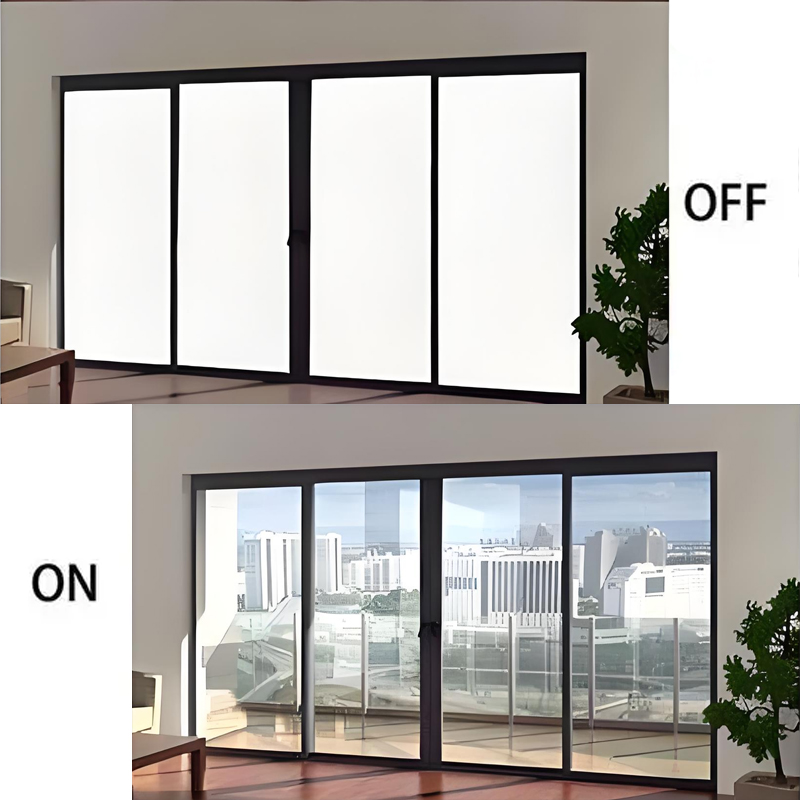
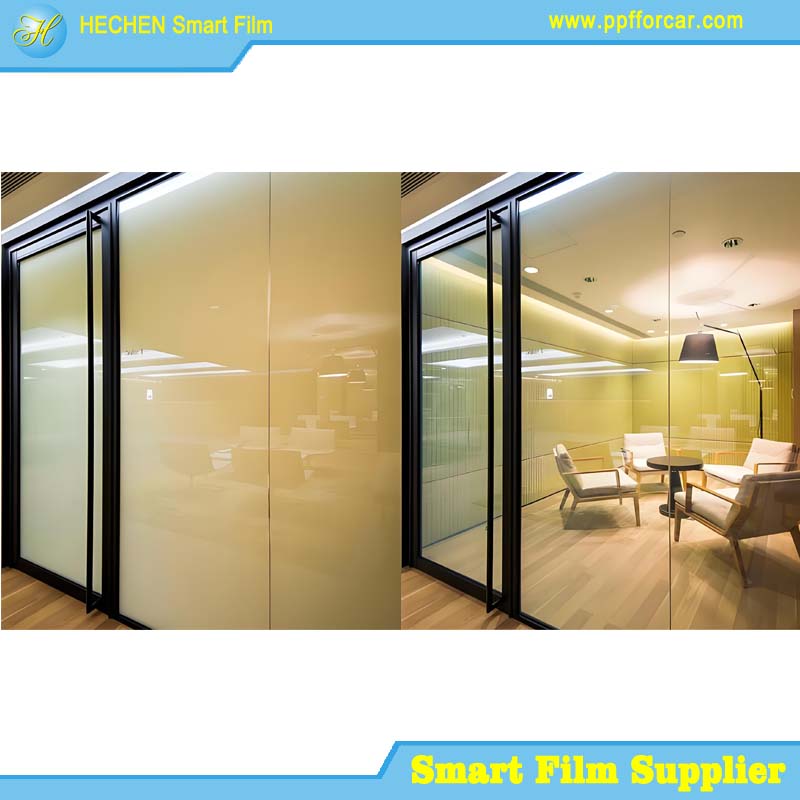
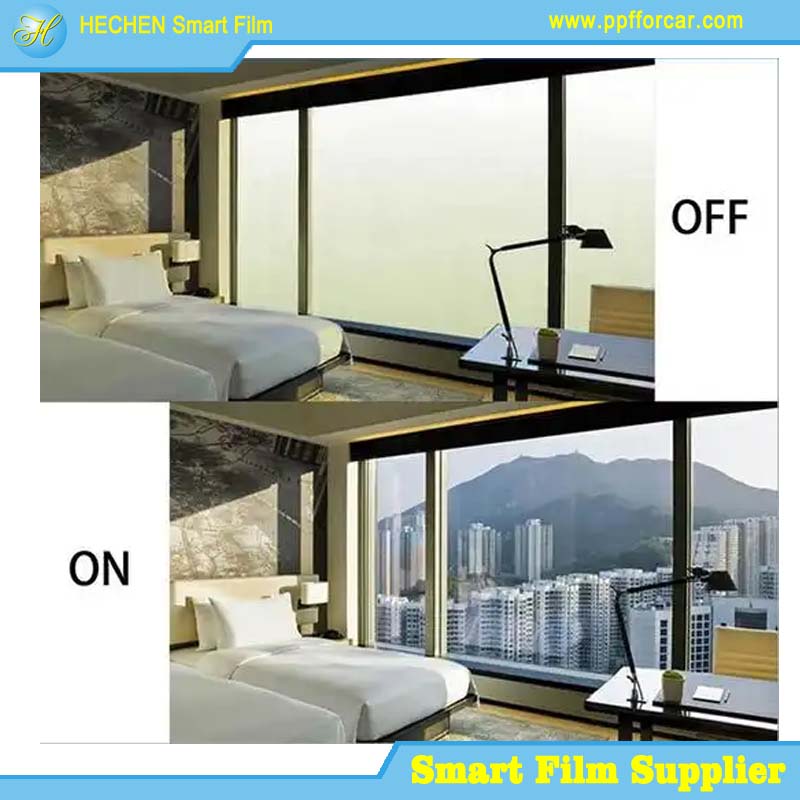
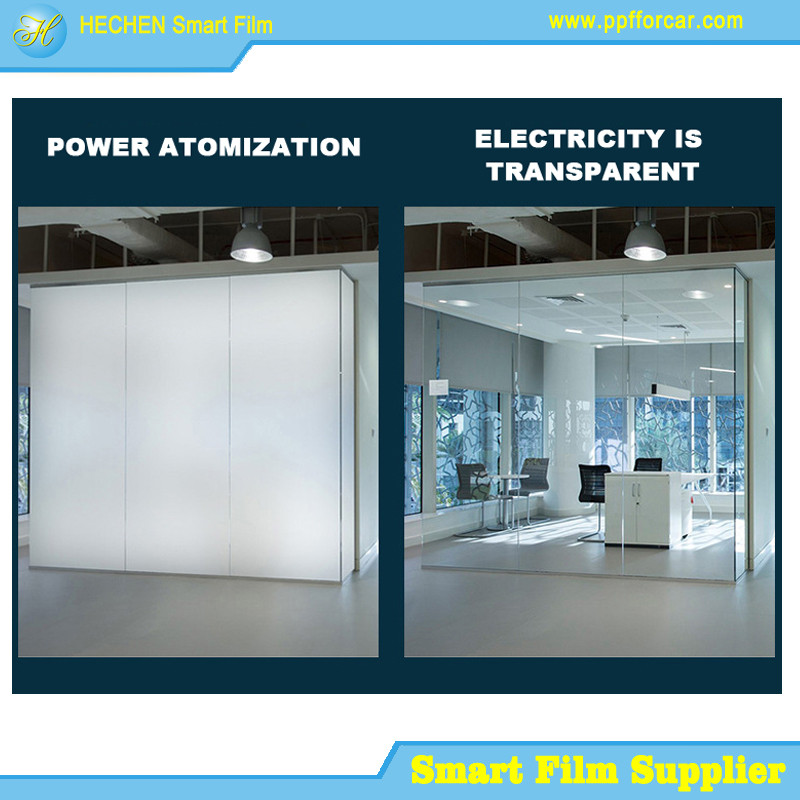
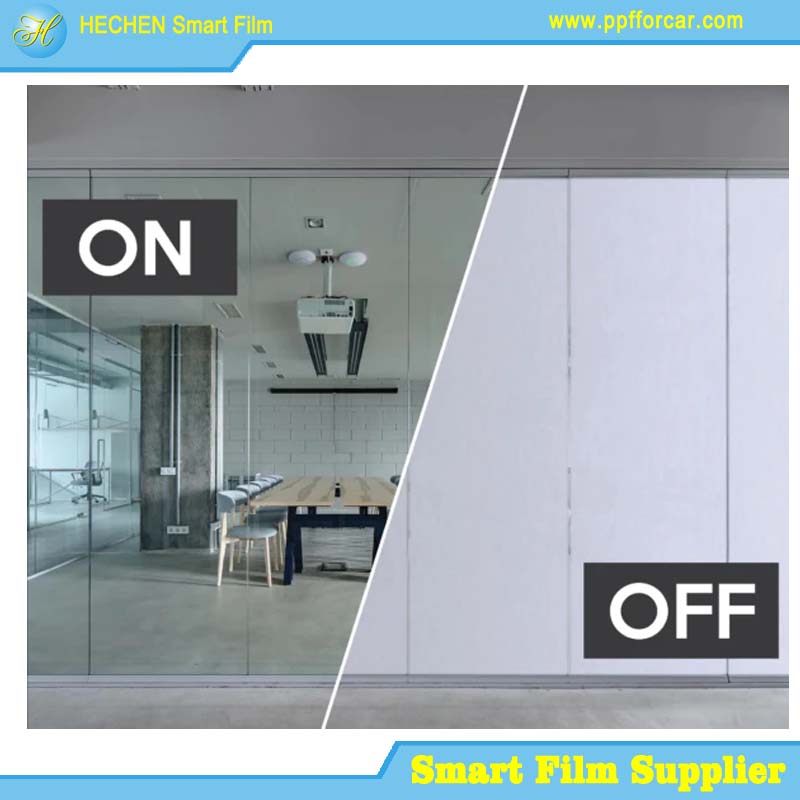
· PDLC Film: In its default "off" state, liquid crystal droplets within the polymer matrix are randomly oriented, scattering light and rendering the film opaque or frosted. When a low-voltage electric current (typically 24–110V) is applied, the liquid crystals align, allowing light to pass through and making the film transparent. The transition is nearly instantaneous, making PDLC film ideal for privacy applications.
· SPD Film: SPD film contains suspended particles that block light when unaligned. When voltage is applied, these particles align to allow light transmission, enabling users to adjust the tint level from nearly clear to dark. SPD film offers faster response times than electrochromic alternatives and is often used for glare control.
· Electrochromic Film: This technology uses a thin layer of electrochromic material that changes color or opacity when voltage is applied. The tinting process is slower, taking seconds to minutes, but it excels in energy efficiency by maintaining its state without continuous power.
Smart film is applied to glass using adhesive backing, similar to traditional window tint, and connected to a power source and control system. Its retrofit nature makes it an attractive option for upgrading existing windows without requiring full replacements.
Applications of Smart Film for Windows
Smart film’s versatility makes it suitable for a wide range of applications across multiple industries. Below are some of the most prominent uses:
1. Architectural Applications
Smart film is revolutionizing residential and commercial buildings by enhancing functionality, aesthetics, and energy efficiency:
· Privacy Control: PDLC smart film is popular in offices, conference rooms, and homes, allowing users to switch windows to opaque for private meetings or personal spaces. For example, glass partitions in open-plan offices can become frosted instantly to create secluded meeting areas.
· Energy Efficiency: By controlling light and heat transmission, smart film reduces reliance on air conditioning and artificial lighting, lowering energy costs.
· Aesthetic Enhancement: Smart film adds a modern, sleek look to buildings, appealing to architects and designers aiming for futuristic designs.
2. Automotive Industry
The automotive sector is increasingly adopting smart film for windows and sunroofs:
· Dynamic Tinting: SPD smart film allows drivers to adjust window tint to reduce glare and heat, improving comfort and safety.
· Privacy and Security: Luxury vehicles use smart film to provide passengers with on-demand privacy, a feature seen in models like the Mercedes-Benz S-Class.
· Energy Savings: By blocking infrared rays, smart film reduces cabin heat, decreasing the need for air conditioning and improving fuel efficiency in electric vehicles.
3. Healthcare Sector
In healthcare, smart film is used to create adaptable environments:
· Patient Privacy: Hospitals and clinics use PDLC film in windows and partitions to switch between transparent and opaque states, ensuring privacy during examinations or consultations.
· Infection Control: Smart film eliminates the need for curtains, which can harbor bacteria, making it a hygienic choice for medical facilities.
4. Retail and Hospitality
Retail stores and hotels leverage smart film for innovative design and customer engagement:
· Interactive Displays: Retail storefronts use smart film as projection screens or to create dynamic displays that switch between transparent and opaque to showcase products.
· Guest Experience: Hotels use smart film in bathrooms or suites to offer guests customizable privacy and a luxurious, high-tech experience.
5. Aerospace and Marine
Smart film is gaining traction in aerospace and marine applications:
· Aircraft Cabins: Smart film allows passengers to control window tint, reducing glare and enhancing comfort without traditional shades, as seen in the Boeing 787 Dreamliner (though it uses smart glass, similar principles apply to retrofit films).
· Yachts and Cruise Ships: Luxury vessels use smart film to provide privacy and UV protection, creating a premium onboard experience.
Benefits of Smart Film for Windows
Smart film offers a range of advantages that make it an appealing choice for both new constructions and retrofitting projects:
1. Cost-Effective Retrofit Solution
Unlike smart glass, which requires replacing entire windows, smart film can be applied to existing glass surfaces, significantly reducing installation costs. This makes it accessible for homeowners, small businesses, and budget-conscious projects.
2. Instant Privacy
PDLC smart film provides on-demand privacy, eliminating the need for blinds, curtains, or physical barriers. This is particularly valuable in urban settings or shared spaces.
3. Energy Efficiency
By blocking up to 99% of UV rays and reducing heat gain, smart film lowers energy consumption for cooling and lighting. Studies estimate that smart film can reduce energy costs by 10–20% in commercial buildings.
4. Enhanced Comfort
Smart film reduces glare and regulates indoor temperatures, creating a more comfortable environment for occupants, whether in a home, office, or vehicle.
5. UV Protection
Smart film blocks harmful UV rays, protecting skin, furniture, and interiors from fading or damage, which is especially beneficial in sunny climates.
6. Seamless Integration
Smart film can be integrated with smart home or building management systems, allowing control via apps, voice assistants, or automated schedules. For example, windows can automatically tint during peak sunlight hours to optimize energy efficiency.
7. Versatility and Aesthetics
Available in various colors and opacity levels, smart film enhances the visual appeal of spaces while offering functional flexibility. Its sleek, modern appearance aligns with contemporary design trends.
Challenges and Limitations
Despite its advantages, smart film faces several challenges that may hinder widespread adoption:
1. High Initial Costs
While cheaper than smart glass, smart film is still more expensive than traditional tinting. Installation costs, including the film, power supply, and control systems, can range from $30–$80 per square foot, depending on the technology and project scale.
2. Power Dependency
Smart film requires a continuous power source to maintain its transparent state (in PDLC) or to switch states. Power outages can result in the film reverting to its default opaque state, which may be inconvenient.
3. Installation Complexity
Applying smart film requires precision to avoid air bubbles, misalignment, or damage to the film. Professional installation is often necessary, adding to the overall cost.
4. Limited Color Options
Most smart films are limited to shades of gray, blue, or frosted white. While functional, this may not satisfy users seeking vibrant or custom colors.
5. Durability Concerns
Smart film’s long-term durability is still under scrutiny, with potential issues like delamination or degradation of liquid crystals over time, especially in high-humidity or extreme-temperature environments.
The Future of Smart Film for Windows
The smart film industry is poised for significant growth, driven by technological advancements and increasing demand for sustainable, smart solutions. Key trends shaping its future include:
1. Cost Reduction
As production scales and manufacturing processes improve, the cost of smart film is expected to decrease, making it more accessible to residential users and smaller businesses.
2. Enhanced Performance
Researchers are developing faster-switching films, more durable materials, and energy-efficient designs. For example, next-generation PDLC films may require less power to maintain transparency, addressing current limitations.
3. Integration with Renewable Energy
Pairing smart film with solar panels or energy-harvesting systems could create self-powered windows, further enhancing sustainability and reducing operational costs.
4. New Applications
Emerging uses include smart film for wearable devices, such as adjustable-tint eyewear, and augmented reality displays that leverage switchable opacity for immersive experiences. In agriculture, smart film could optimize light in greenhouses for improved crop growth.
5. Eco-Friendly Innovations
Manufacturers are exploring sustainable materials and production methods to reduce the environmental impact of smart film, aligning with global trends toward green building solutions.
Case Studies
Real-world examples highlight the transformative potential of smart film:
· One Penn 1, New York City: This commercial building retrofitted its windows with PDLC smart film to create flexible, private office spaces, reducing the need for physical partitions and enhancing energy efficiency.
· Mercedes-Benz EQS: The luxury electric vehicle uses SPD smart film in its panoramic sunroof, allowing drivers to adjust tint levels for comfort and privacy.
· Cleveland Clinic: The hospital installed PDLC smart film in patient rooms and surgical suites, providing instant privacy and a hygienic alternative to curtains.
Conclusion
Smart film for windows is a game-changing technology that combines functionality, aesthetics, and sustainability. Its ability to provide on-demand privacy, reduce energy consumption, and enhance comfort makes it a versatile solution for architecture, automotive, healthcare, and beyond. While challenges like high costs and power dependency remain, ongoing innovations are addressing these hurdles, paving the way for broader adoption. As smart film becomes more affordable and efficient, it has the potential to redefine how we interact with glass surfaces, creating smarter, more responsive environments for the future.
For more about the PDLC Smart Film Manufacturers: Innovators of Switchable Glass Technology, you can pay a visit to Hechen PDLC Smart Film Manufacturers for more info.