Smart Film: Revolutionizing Privacy and Energy Efficiency
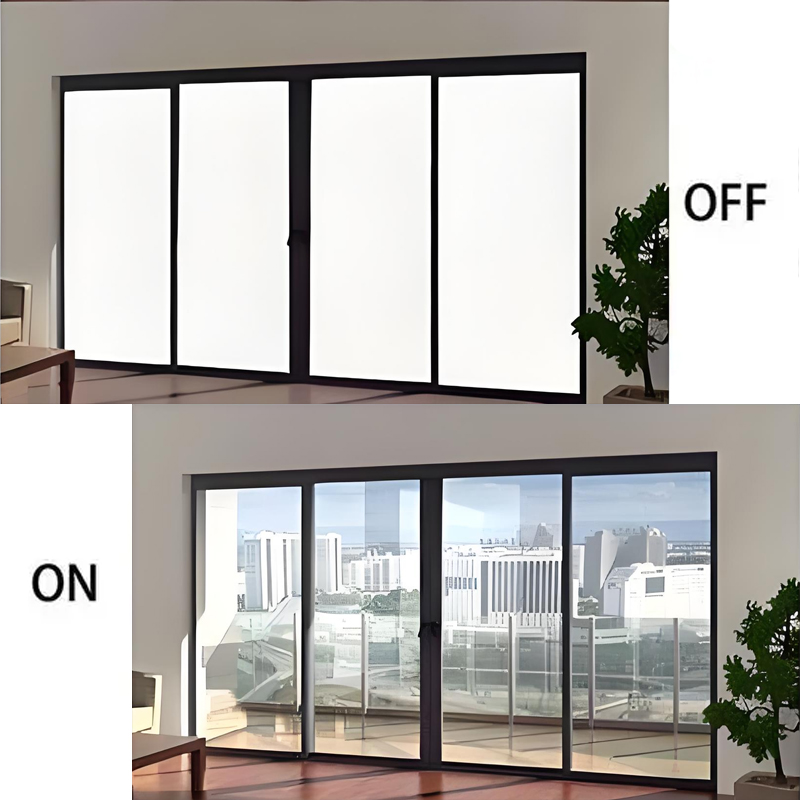
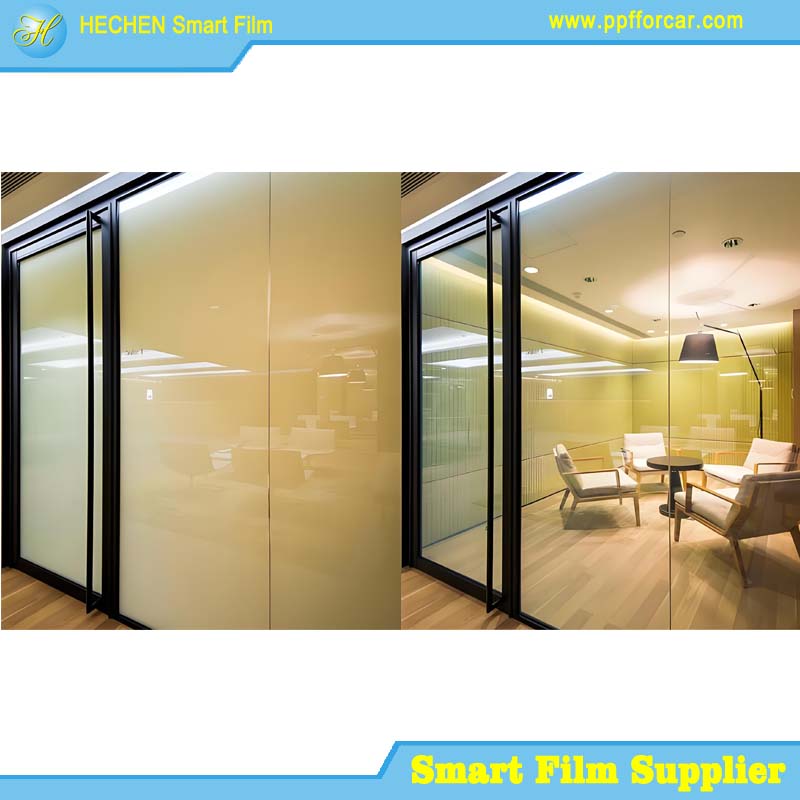
In an era where technological innovation shapes every aspect of our lives, Smart Film stands out as a transformative solution that blends functionality with futuristic design. Imagine a window that shifts from crystal-clear transparency to complete opacity at the touch of a button, offering instant privacy, glare control, and energy savings. This is the promise of Smart Film—a cutting-edge technology that is redefining how we interact with glass surfaces in homes, offices, cars, and beyond. In this article, we’ll dive into the world of Smart Film, exploring what it is, how it works, its numerous benefits, available types, installation processes, costs, key industry players, and its exciting future potential.

What is Smart Film?
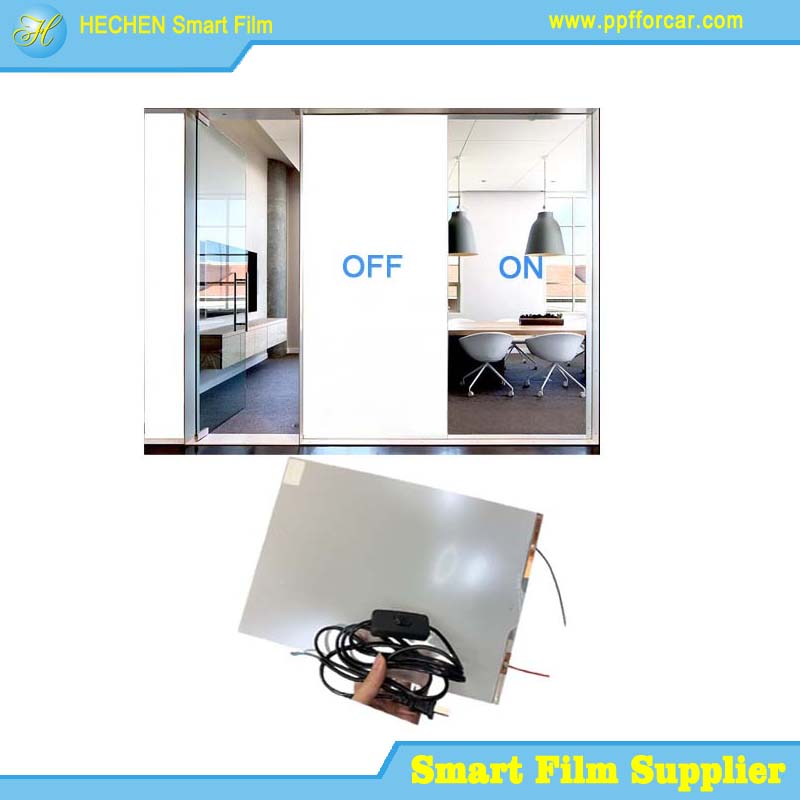
Smart Film, often referred to as switchable film or privacy film, is a thin, flexible layer that can be applied to glass to alter its transparency. With the flick of a switch—or even a smartphone command—this remarkable material can transition from clear to opaque, offering users unprecedented control over light and visibility. At its core, Smart Film leverages advanced technologies like liquid crystal display (LCD) or electrochromic systems, making it a versatile tool for modern architecture and design.
How Does Smart Film Work?
The magic of Smart Film lies in its composition: a layer of liquid crystals or electrochromic materials sandwiched between two conductive films. When an electric current flows through the film, these materials respond in fascinating ways:
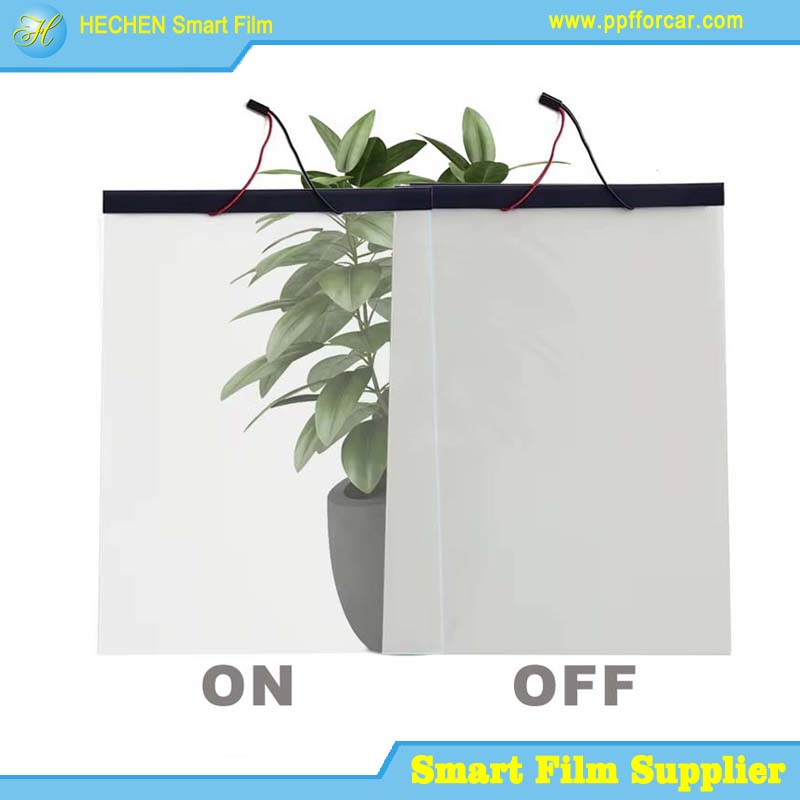
· LCD Technology: In liquid crystal-based Smart Film, tiny crystals are suspended in the film. Without electricity, the crystals are randomly oriented, scattering light and rendering the film opaque. When a current is applied, the crystals align neatly, allowing light to pass through and turning the film transparent—like flipping a switch to let the outside world in.
· Electrochromic Technology: Electrochromic Smart Film uses materials that change color or opacity when voltage is applied. In its "off" state, the film might appear tinted or opaque; when activated, it clears up, offering a seamless view. This technology is particularly prized for its smooth transitions and energy efficiency.
Think of Smart Film as a high-tech curtain that doesn’t require fabric or manual effort—just a small jolt of electricity to transform your environment.
Beyond Smart Film: Other Smart Glass Options
While Smart Film is a standout, it’s worth noting that it’s part of a broader family of "smart glass" technologies. For example:
· Thermochromic Glass adjusts its tint based on temperature.
· Photochromic Glass reacts to light intensity, darkening under bright sunlight.
However, Smart Film’s ability to switch on demand sets it apart, offering precise control that passive technologies can’t match.
Benefits of Smart Film
Smart Film isn’t just a novelty—it’s a practical solution with a host of advantages that make it a game-changer across industries.
1. Privacy on Demand: Need privacy in a meeting room or a bathroom? Smart Film delivers it instantly, eliminating the need for blinds or curtains. Hospitals use it for patient rooms, while homeowners love it for flexible living spaces.
2. Energy Efficiency: By regulating the amount of sunlight entering a building, Smart Film reduces the need for air conditioning and artificial lighting. Studies suggest it can cut cooling costs by up to 40% in warm climates, making it an eco-friendly choice.
3. Glare Reduction: Harsh sunlight can strain eyes and disrupt comfort. Smart Film dims glare without blocking views entirely, creating a more pleasant environment for work or relaxation.
4. UV Protection: Blocking up to 99% of harmful ultraviolet rays, Smart Film safeguards furniture, artwork, and even your skin from sun damage—a hidden perk that adds value over time.
5. Modern Aesthetics: With its sleek, futuristic appeal, Smart Film elevates the look of any space. It can even be customized with patterns or designs for a unique touch.
6. Enhanced Security: An opaque window is harder to see through, deterring potential intruders and adding a subtle layer of protection.
7. Noise Reduction: Some Smart Films offer mild sound insulation, dampening external noise for quieter interiors—perfect for urban settings.
From offices to luxury cars, these benefits make Smart Film a versatile and forward-thinking investment.
Types of Smart Film
Smart Film comes in two primary forms, each suited to different needs and budgets:
1. Self-Adhesive Smart Film
· What It Is: A peel-and-stick option that can be applied to existing glass surfaces.
· Advantages: Affordable, removable, and ideal for retrofitting windows or partitions.
· Drawbacks: Slightly less durable and may not look as seamless as integrated options.
2. Laminated Smart Film
· What It Is: Built into new glass during manufacturing for a permanent, polished finish.
· Advantages: Superior durability, flawless appearance, and optimal performance.
· Drawbacks: Higher cost and not removable once installed.
Side-by-Side Comparison
Feature | Self-Adhesive Film | Laminated Film |
Installation | DIY-friendly | Professional only |
Cost | $50–$100/sq ft | $100–$200/sq ft |
Durability | Moderate | High |
Appearance | Good | Exceptional |
Flexibility | Removable | Permanent |
Choosing between them depends on your project—retrofitting an old office might call for self-adhesive film, while a new skyscraper could benefit from laminated elegance.
Installation Process
Installing Smart Film is a delicate task that demands care and precision. While self-adhesive versions tempt DIY enthusiasts, professional installation is often the smarter choice for flawless results.
Professional Installation: Step by Step
1. Surface Prep: The glass is cleaned meticulously to remove dust, grease, or smudges that could affect adhesion.
2. Measurement & Cutting: The film is measured and trimmed to fit the glass perfectly, leaving no gaps.
3. Application: Starting from one edge, the film is applied slowly, with air bubbles smoothed out using specialized tools.
4. Edge Sealing: Excess film is trimmed, and edges are sealed for a clean finish.
5. Wiring: Electrical connections link the film to a power source and control system (like a switch or app).
6. Testing: The system is powered on to ensure the film switches smoothly between states.
DIY Installation Tips
For self-adhesive film, DIY is doable if you’re patient:
· Use a clean, lint-free cloth and soapy water to prep the glass.
· Work in a dust-free room to avoid imperfections.
· Have a partner help align large sheets and remove bubbles with a squeegee.
Even so, pros bring expertise that minimizes errors—especially for complex setups like curved glass or multi-panel windows.
Cost of Smart Film
Smart Film isn’t cheap, but its price reflects its advanced capabilities. Costs vary based on type, size, and installation:
· Self-Adhesive Film: $50–$100 per square foot.
· Laminated Film: $100–$200 per square foot.
· Professional Installation: Adds $20–$50 per square foot.
What Drives the Price?
· Film Material: 50%–70% of the total cost (higher for laminated options).
· Labor: 20%–30%, depending on complexity.
· Control Systems: 10%–20% for wiring, switches, or smart home integration.
Is It Worth It?
While upfront costs are steep, Smart Film pays off over time. Energy savings, reduced wear on HVAC systems, and UV protection can yield a return on investment within 2–5 years, especially in commercial buildings or sun-drenched regions.
Leading Manufacturers of Smart Film
The Smart Film industry is driven by innovative companies pushing the boundaries of what’s possible. Here are three standout players:
1. Smart Film Inc.
· HQ: New York, USA
· Specialty: High-quality self-adhesive and laminated films with customization options.
· Claim to Fame: Outfitted windows in Dubai’s iconic Burj Khalifa.
2. Gauzy
· HQ: Tel Aviv, Israel
· Specialty: Liquid crystal and electrochromic films for cutting-edge applications.
· Claim to Fame: Supplied smart glass for the Mercedes-Benz Stadium in Atlanta.
3. Polytronix
· HQ: Richardson, Texas, USA
· Specialty: Pioneering Smart Film solutions since the 1980s.
· Claim to Fame: Installed privacy glass at NASA’s Kennedy Space Center.
These companies lead the charge, blending innovation with reliability to meet growing demand worldwide.
The Future of Smart Film
Smart Film is just getting started. As technology evolves, its applications and affordability are set to expand dramatically.
What’s Next?
1. Smart Home Integration: Imagine telling Alexa to frost your windows or syncing Smart Film with a thermostat for automatic adjustments.
2. Automotive Uses: Smart sunroofs and windows could enhance comfort and safety in cars.
3. Wearable Tech: Flexible Smart Film might power adjustable sunglasses or augmented reality visors.
4. Sustainable Innovations: Pairing Smart Film with solar cells could turn windows into energy generators.
With costs expected to drop as production scales, Smart Film could soon be as common as LED lights, transforming how we design and live in our spaces.
Conclusion
Smart Film is more than a gadget—it’s a glimpse into the future of architecture, transportation, and everyday life. Its ability to deliver privacy, save energy, reduce glare, and enhance aesthetics makes it a standout choice for anyone looking to modernize their environment. Whether you’re retrofitting a home with self-adhesive film or designing a cutting-edge office with laminated glass, Smart Film offers unmatched versatility and value.As manufacturers innovate and new applications emerge, this technology will only grow in relevance. From towering skyscrapers to cozy living rooms, Smart Film is poised to redefine our relationship with glass, proving that the future isn’t just bright—it’s switchable.
For more about the PDLC Smart Film Manufacturers: Innovators of Switchable Glass Technology, you can pay a visit to Hechen PDLC Smart Film Manufacturers for more info.