Smart Glass Film: Revolutionizing Privacy, Energy Efficiency, and Aesthetics
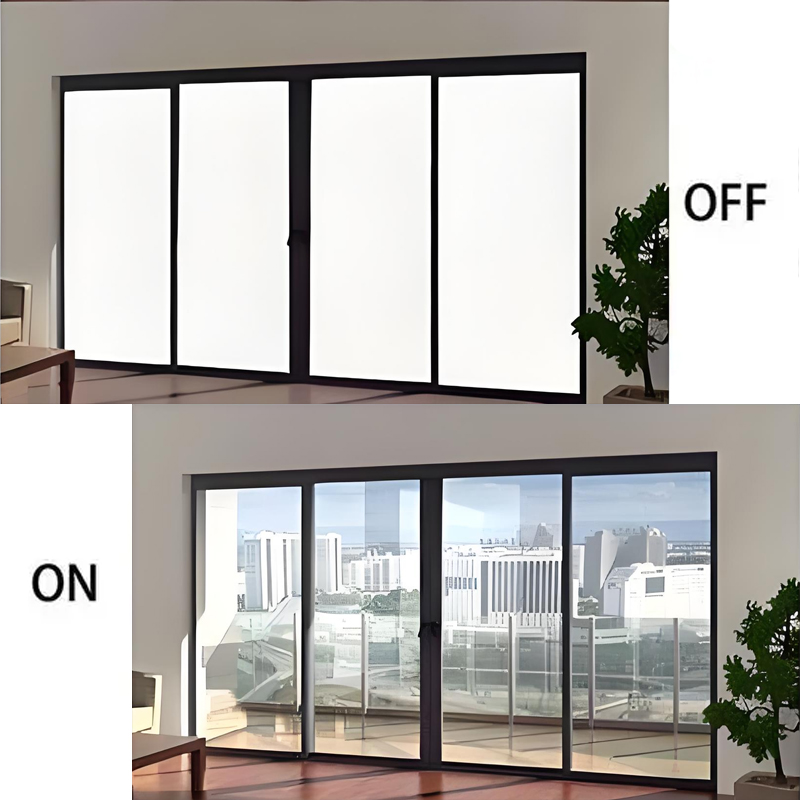
In today’s world, where technology increasingly shapes our environments, smart glass film emerges as an innovative solution that transforms ordinary glass into something extraordinary. This remarkable material allows windows, partitions, and other glass surfaces to switch from transparent to opaque, offering privacy, energy savings, and a touch of futuristic elegance. Whether in homes, offices, or hospitals, smart glass film is redefining how we interact with our surroundings. But what exactly is it, and why is it becoming so popular? This article explores the ins and outs of smart glass film, from its basic functionality to its real-world applications and future possibilities.
1. What Is Smart Glass Film?
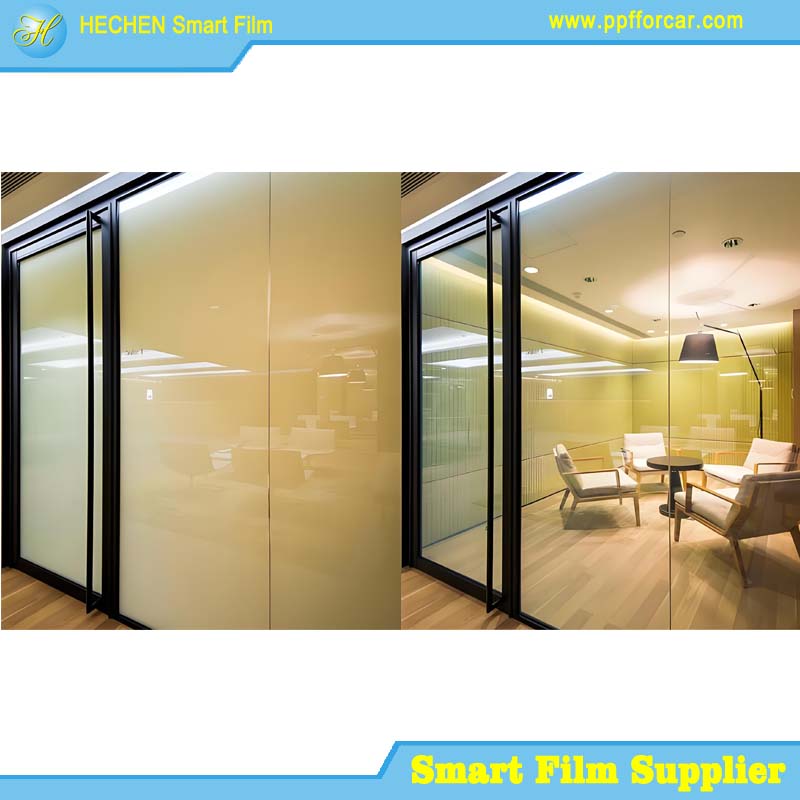
Smart glass film, often referred to as switchable glass film or privacy glass film, is a cutting-edge material that can change its transparency or opacity in response to an external trigger, such as electricity, heat, or light. Applied to glass surfaces, this film enables users to control how much light or visibility passes through, making it a versatile tool for modern design and functionality.
Picture this: a glass-walled meeting room that turns frosted with the flip of a switch, or a bedroom window that tints itself to block out the midday sun. These are just a glimpse of what smart glass film can do. Its ability to adapt to user needs or environmental conditions makes it a standout technology in architecture, interior design, and beyond.
2. Types of Smart Glass Films
Smart glass film comes in several varieties, each with unique properties and applications. The three main types are electrochromic, thermochromic, and photochromic films. Let’s break them down:
a. Electrochromic Smart Glass Film
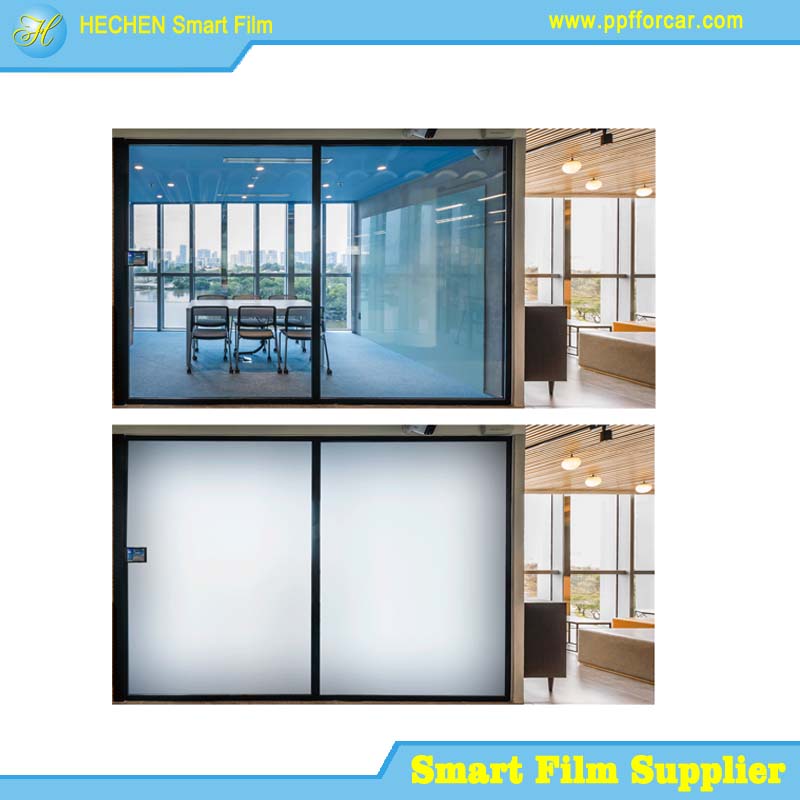
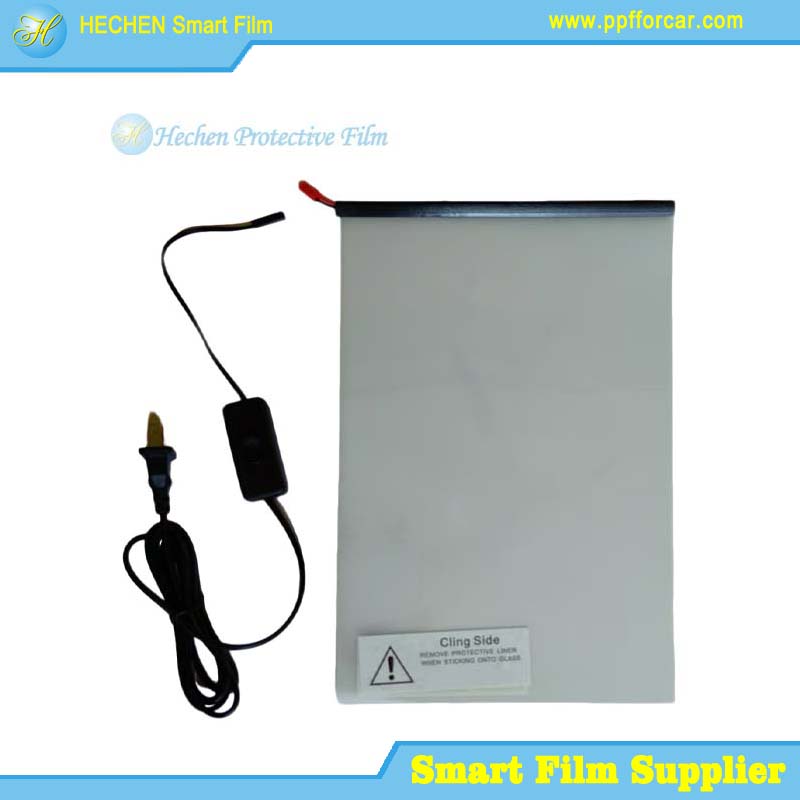
Electrochromic films are the most common type, relying on a small electrical current to shift between transparent and opaque states. When voltage is applied, the film’s internal components—often liquid crystals or suspended particles—realign to either allow light through or scatter it, creating a frosted or tinted effect. This on-demand control makes electrochromic films ideal for office partitions, car windows, and anywhere privacy or light adjustment is needed at a moment’s notice.
b. Thermochromic Smart Glass Film
Thermochromic films respond to temperature changes. As heat increases, the film becomes more opaque to block out sunlight and reduce indoor temperatures; when it cools, it returns to transparency. This automatic adjustment is a boon for energy-efficient buildings, helping to regulate climate control without manual intervention.
c. Photochromic Smart Glass Film
Photochromic films react to light, particularly UV rays. Exposure to sunlight causes the film to darken, reducing glare and heat, while it gradually clears up in the absence of light. While you might recognize this technology from transition lenses in eyeglasses, it’s now being adapted for windows and skylights, offering a passive way to manage light and comfort.
Each type of film caters to different needs, making smart glass film a highly adaptable solution across various settings.
3. Benefits of Smart Glass Film
The appeal of smart glass film lies in its practical advantages, which go far beyond its high-tech allure. Here are some of the standout benefits:
a. Energy Efficiency
Smart glass film is a game-changer for energy conservation. By controlling the amount of sunlight that enters a space, it reduces the need for artificial heating and cooling. In hot climates, it can block excess heat, while in colder ones, it can let in more sunlight to warm interiors naturally. Studies suggest that buildings equipped with smart glass technologies can cut energy costs by up to 20%, making it a smart choice for eco-conscious design.
b. Privacy on Demand
Need privacy in an instant? Smart glass film delivers. Whether it’s a doctor’s office, a corporate boardroom, or a bathroom window, the ability to switch from clear to opaque eliminates the need for traditional blinds or curtains. This not only streamlines design but also enhances convenience and hygiene, as there’s no fabric to collect dust or germs.
c. Aesthetic Versatility
Smart glass film isn’t just functional—it’s stylish. Its sleek, modern appearance adds a sophisticated touch to any space. Plus, it can be customized with patterns, colors, or even gradients, allowing designers to create dynamic, eye-catching effects. The ability to change a room’s look with a simple switch brings a new level of creativity to architecture and interior design.
4. The Technology Behind Smart Glass Film
So, how does this magic happen? The science behind smart glass film is fascinating yet surprisingly straightforward. Each type of film uses a different mechanism to alter its properties:
Electrochromic Films: These consist of layered materials, including conductive coatings and a core of liquid crystals or particles. When electricity flows through, the molecules shift, changing how light passes through the film—either letting it through clearly or scattering it for opacity.
Thermochromic Films: These rely on temperature-sensitive materials that rearrange their structure as heat levels change, adjusting the film’s transparency accordingly.
Photochromic Films: UV-sensitive molecules in the film undergo a chemical reaction when exposed to sunlight, darkening the surface. When the light fades, the reaction reverses, and the film clears.
While the details might sound technical, the end product is user-friendly and seamlessly integrates into everyday life, offering a blend of science and practicality.
5. Installation and Maintenance
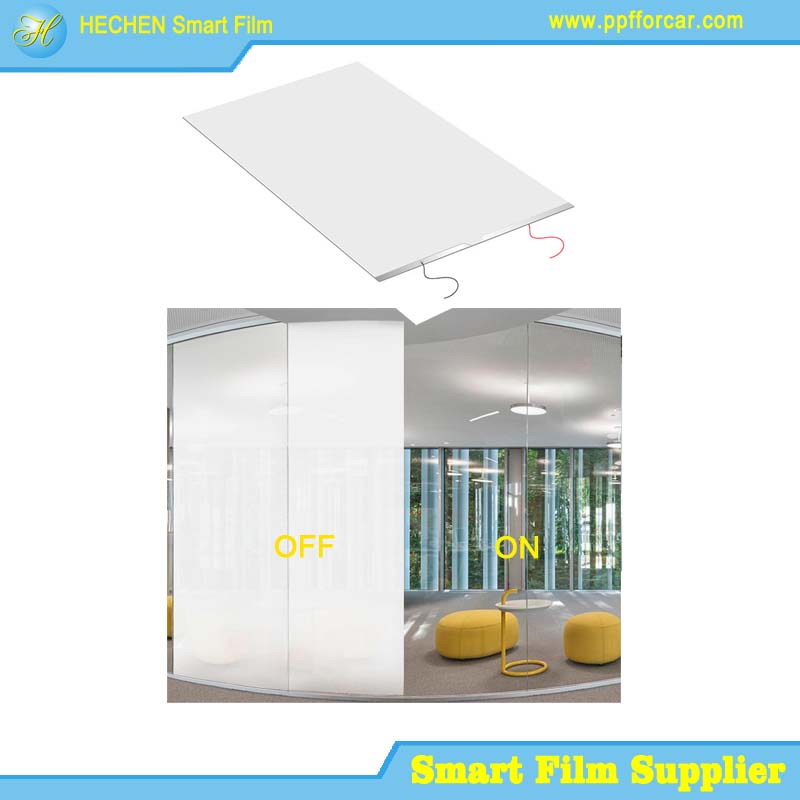
One of the best things about smart glass film is how easy it is to incorporate into existing spaces. Unlike smart glass panels, which require replacing entire windows, the film can be applied directly to any glass surface—think windows, doors, or even glass furniture. This retrofit capability makes it a cost-effective alternative to more invasive upgrades.
Installation typically involves cleaning the glass, carefully applying the film, and, for electrochromic versions, connecting it to a power source or control system. While DIY kits exist, professional installation ensures a bubble-free finish and proper functionality.
Maintenance is minimal. The film can be wiped down with standard glass cleaners, and most products are built to last 10-15 years with proper care. Durability and low upkeep make it an attractive option for busy households or commercial properties.
6. Market and Industry Trends
The smart glass film industry is booming, fueled by growing interest in sustainable building materials and smart technologies. Analysts predict the global smart glass market, including films, will hit $8.6 billion by 2025, with a steady growth rate of over 15% annually. This surge reflects demand from sectors like construction, automotive, and healthcare.
Leading companies such as Saint-Gobain, View Inc., and Smart Films International are driving innovation, developing films that are thinner, more responsive, and cheaper to produce. Advances in nanotechnology and flexible electronics are also paving the way for next-generation smart glass films that could one day power themselves or integrate with smart home systems.
7. Real-World Examples and Case Studies
Smart glass film is already leaving its mark across the globe. Here are a few inspiring examples:
The Edge, Amsterdam: This ultra-sustainable office building uses smart glass technology to adjust light and heat dynamically, slashing energy use by 70% compared to traditional offices. It’s a model of how smart design can transform workplaces.
Mayo Clinic, USA: In patient rooms and surgical suites, smart glass film provides instant privacy without the clutter of curtains, improving both patient comfort and infection control.
Luxury Homes: High-end residences are adopting smart glass film for everything from shower enclosures to panoramic windows, blending privacy with a modern aesthetic.
These cases show how smart glass film bridges practicality and innovation, delivering measurable benefits in diverse environments.
8. The Future of Smart Glass Film
Smart glass film is just getting started. As research progresses, we’re likely to see it become more affordable and widespread, reaching smaller homes and businesses. Imagine a future where windows not only tint themselves but also harness solar energy to power your lights, or where AI predicts your preferences and adjusts the film accordingly.
Emerging trends, like self-regulating films or those embedded with sensors, hint at even greater possibilities. As sustainability becomes a global priority, smart glass film could play a starring role in creating buildings that are as efficient as they are beautiful.
Conclusion
Smart glass film is more than a high-tech gimmick—it’s a transformative tool that enhances privacy, saves energy, and elevates design. From its ability to adapt to changing conditions to its seamless integration into existing spaces, this technology offers a glimpse into a smarter, more sustainable future. Whether you’re an architect, a homeowner, or just a tech enthusiast, smart glass film is worth watching. As it continues to evolve, it promises to reshape our world, one window at a time.
For more about the PDLC Smart Film Manufacturers: Innovators of Switchable Glass Technology, you can pay a visit to Hechen PDLC Smart Film Manufacturers for more info.