Smart Window Tint: Revolutionizing Modern Spaces
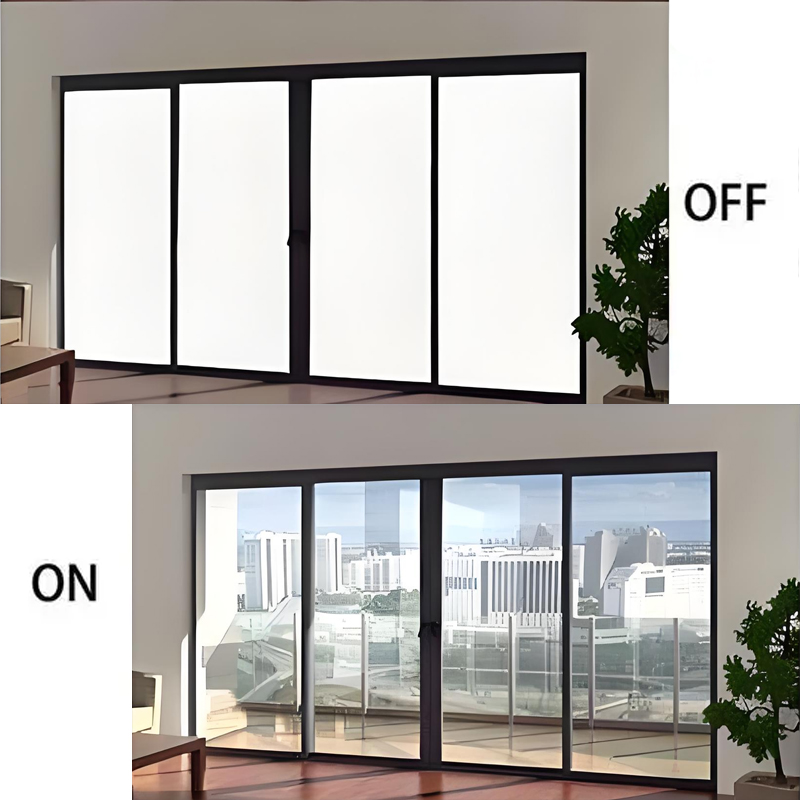
In today’s technology-driven world, innovations are seamlessly blending into our daily lives, enhancing both functionality and aesthetics. One such breakthrough is smart window tint, a dynamic solution that’s transforming how we interact with our living and working environments. But what exactly is smart window tint, and why is it gaining traction across various sectors? At its core, smart window tint is a specialized film applied to glass surfaces that can alter its properties—such as transparency, color, or heat transmission—based on external stimuli or user control. This article delves into the intricacies of smart window tint, exploring its types, benefits, applications, installation, costs, maintenance, environmental impact, and future potential, all while comparing it to traditional window treatments.

What Is Smart Window Tint?
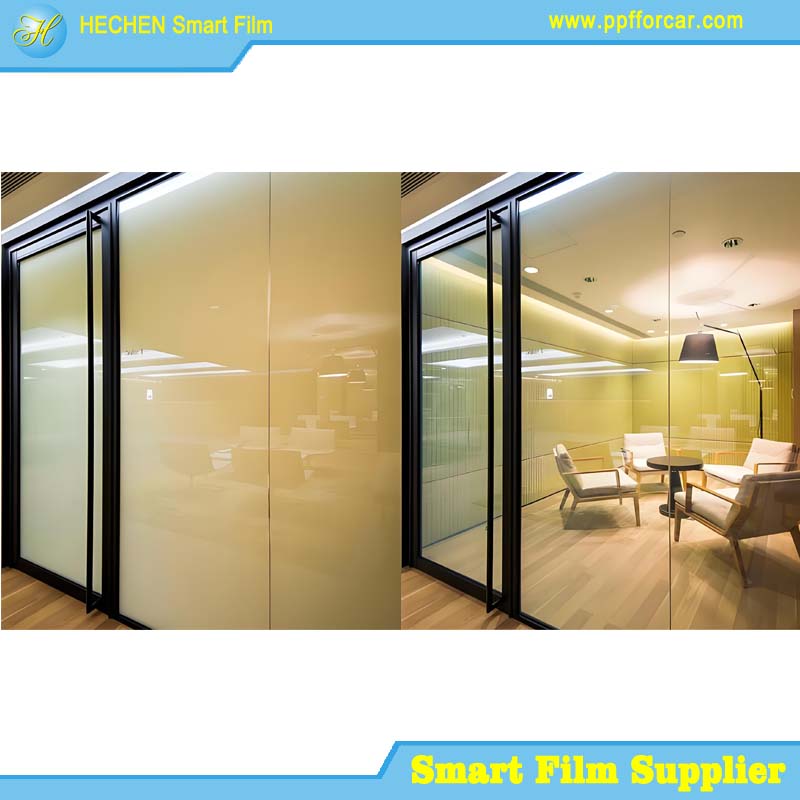
Smart window tint represents a leap forward from conventional window films. Unlike static tints that offer fixed levels of shade or privacy, smart window tint adapts to changing conditions, providing a customizable experience. Whether it’s adjusting to sunlight, temperature, or a simple switch, this technology offers unparalleled flexibility. It’s used in homes, offices, vehicles, and even industrial settings, merging practicality with modern design.
Types of Smart Window Tint
Smart window tint comes in several forms, each powered by distinct technologies tailored to specific needs. Here’s a breakdown of the main types:
1. Electrochromic Tint
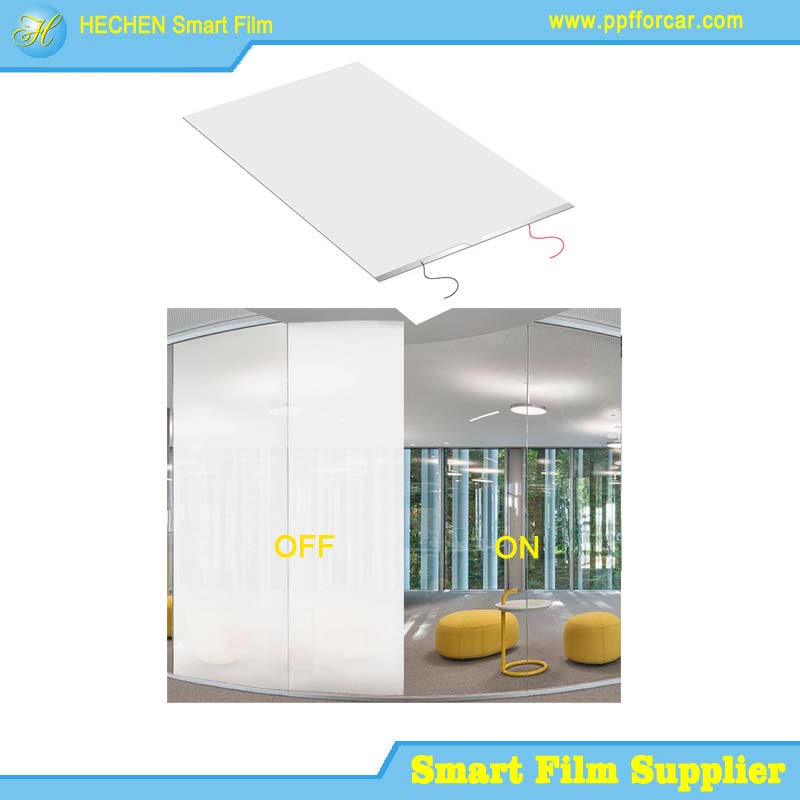
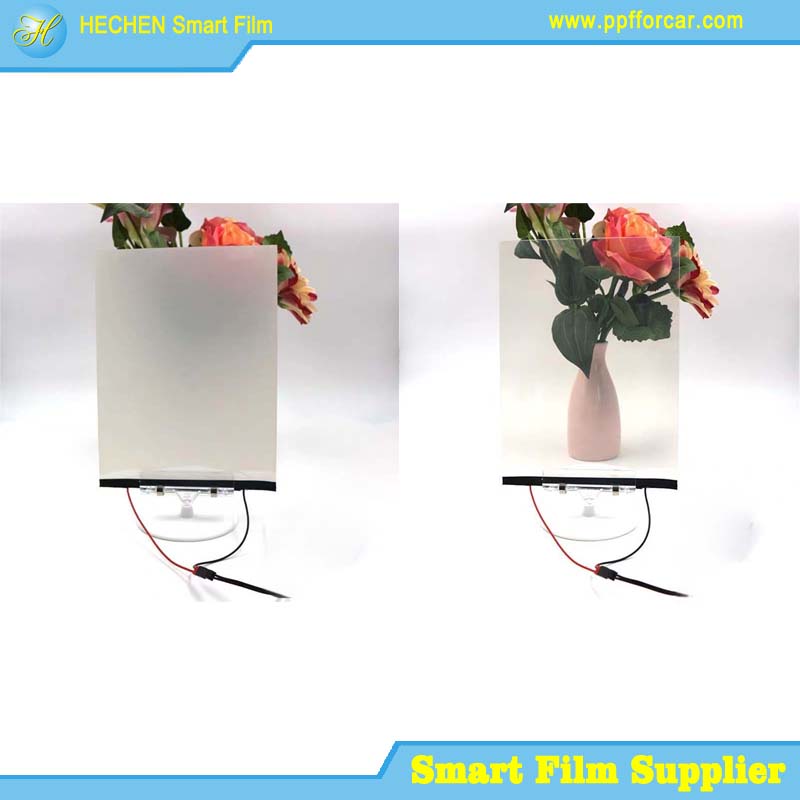
· How It Works: Electrochromic tint changes its opacity when an electrical current is applied. A low voltage darkens the glass, while reversing the voltage lightens it.
· Applications: Ideal for spaces requiring adjustable privacy or light control, such as conference rooms or luxury vehicles.
· Advantages: Offers precise, user-controlled tint levels.
2. Thermochromic Tint
· How It Works: This tint responds to temperature fluctuations. As heat increases, the glass darkens to block excess light and warmth; as it cools, it becomes clearer.
· Applications: Perfect for energy-efficient buildings in climates with significant temperature swings.
· Advantages: Automatic regulation without the need for power or manual input.
3. Photochromic Tint
· How It Works: Similar to transition lenses in eyeglasses, photochromic tint darkens when exposed to UV light and lightens in its absence.
· Applications: Great for sun-facing windows where glare and UV protection are priorities.
· Advantages: Passive adjustment based on sunlight exposure.
Each type caters to different preferences, making smart window tint a versatile choice for various environments.
Benefits of Smart Window Tint
The appeal of smart window tint lies in its multifaceted advantages, supported by data and practical outcomes. Here’s why it’s a game-changer:
Energy Efficiency
· Impact: By controlling heat and light entry, smart window tint reduces reliance on air conditioning and artificial lighting. A Department of Energy study suggests it can cut cooling costs by up to 20% in hot climates.
· Why It Matters: Lower energy bills and a reduced carbon footprint benefit both wallets and the planet.
Privacy Control
· Impact: Switchable opacity provides instant privacy—crucial for offices, bathrooms, or homes. A survey by an architectural firm found 85% of office workers value workspace privacy.
· Why It Matters: Flexibility enhances comfort and security without permanent barriers.
UV Protection
· Impact: Blocking up to 99% of UV rays, smart window tint safeguards skin health and prevents interior fading. The Skin Cancer Foundation links UV exposure to serious health risks.
· Why It Matters: Protection extends to occupants and furnishings alike.
Glare Reduction
· Impact: Adaptive tinting minimizes glare, improving visibility and comfort in bright conditions.
· Why It Matters: Enhanced productivity and relaxation in workspaces or homes.
Aesthetic Appeal
· Impact: With a sleek, modern finish, smart window tint elevates the look of any structure or vehicle.
· Why It Matters: Combines style with substance, appealing to design-conscious users.
These benefits position smart window tint as a superior alternative to traditional options, offering both practical and visual enhancements.
Applications of Smart Window Tint
Smart window tint’s adaptability makes it suitable for a wide range of settings. Here are its primary uses, illustrated with real-world examples:
Residential
· Use: Enhances privacy, cuts energy costs, and protects interiors.
· Example: A California homeowner installed thermochromic tint on south-facing windows, reducing summer cooling needs significantly.
Commercial
· Use: Creates flexible workspaces with adjustable light and privacy.
· Example: The Edge in Amsterdam, a sustainability leader, uses electrochromic tint to optimize light and achieve a 98.36% BREEAM score.
Automotive
· Use: Offers drivers and passengers customizable comfort and privacy.
· Example: Mercedes-Benz incorporates smart tint in luxury models, enhancing the driving experience.
Industrial
· Use: Maintains optimal conditions in factories or warehouses.
· Example: Warehouses use thermochromic tint to regulate temperatures, boosting worker efficiency.
These applications highlight smart window tint’s versatility and real-world impact.
Installation Process
While installation varies by type, here’s a general overview:
1. Surface Preparation: Clean the glass thoroughly to remove debris or imperfections.
2. Film Application: Apply the tint carefully, avoiding bubbles or misalignment.
3. Electrical Setup (Electrochromic): Connect to a power source and control system (e.g., switch, remote, or smart home integration).
4. Testing: Verify functionality and performance.
· DIY vs. Professional: DIY kits exist for small projects, but professional installation is recommended for larger or complex jobs to ensure durability and effectiveness.
Cost Considerations
Smart window tint’s price depends on type, size, and installation complexity:
· Electrochromic Tint: $50–$100 per square foot (most expensive due to electrical components).
· Thermochromic/Photochromic Tint: $20–$50 per square foot (more affordable, passive options).
· Comparison: Higher upfront costs than curtains or blinds, but long-term energy savings and durability often offset the investment. Warranties from manufacturers add value and security.
Maintenance and Care
Smart window tint is low-maintenance but requires basic upkeep:
· Cleaning: Use a soft cloth and mild, non-ammonia cleaner to avoid damage.
· Physical Protection: Avoid sharp objects to prevent scratches or tears.
· Inspections: Check periodically for peeling or bubbling; address issues quickly.
· Lifespan: With proper care, it can last 10–20 years, depending on type and conditions.
Environmental Impact
Smart window tint aligns with sustainability goals:
· Energy Savings: Reduced cooling and lighting needs lower emissions.
· Green Certifications: Contributes to LEED points in categories like Energy and Atmosphere.
· Sustainable Production: Many manufacturers use recycled materials or eco-friendly processes.
· Outcome: A smaller carbon footprint and support for eco-conscious building practices.
Comparison with Traditional Window Treatments
How does smart window tint stack up against curtains, blinds, or shutters?
Advantages
· Space-Saving: Thin film vs. bulky fabrics or hardware.
· Durability: Longer lifespan with less wear and tear.
· Ease of Use: Simple controls or automation vs. manual adjustments.
· Aesthetics: Modern, streamlined look vs. traditional styles.
Drawbacks
· Cost: Higher initial investment.
· Suitability: Less ideal for historical aesthetics where traditional options fit better.
· Verdict: Smart window tint excels in modern, functional settings, though traditional treatments may suit specific niches.
The Future of Smart Window Tint
Emerging trends promise to elevate smart window tint further:
· Smart Home Integration: Control via apps or voice commands (e.g., Alexa, Google Home).
· Self-Tinting: Real-time adjustments based on sunlight or temperature data.
· Energy Generation: Tints that double as solar panels, harnessing sunlight for power.
· Implication: A growing role in sustainable, intelligent design.
Conclusion
Smart window tint is more than a passing trend—it’s a transformative technology reshaping how we manage light, privacy, and energy in our spaces. From its energy-saving potential and UV protection to its sleek design and adaptability, it offers a compelling upgrade over traditional window treatments. Real-world examples, like the Edge in Amsterdam or luxury cars, underscore its practical value, while its environmental benefits align with global sustainability efforts. As innovations like smart home integration and energy-generating tints emerge, smart window tint is poised to become a cornerstone of modern architecture and design. Whether for a home, office, or vehicle, it’s a forward-thinking choice that blends style, substance, and efficiency.
For more about the PDLC Smart Film Manufacturers: Innovators of Switchable Glass Technology, you can pay a visit to Hechen PDLC Smart Film Manufacturers for more info.