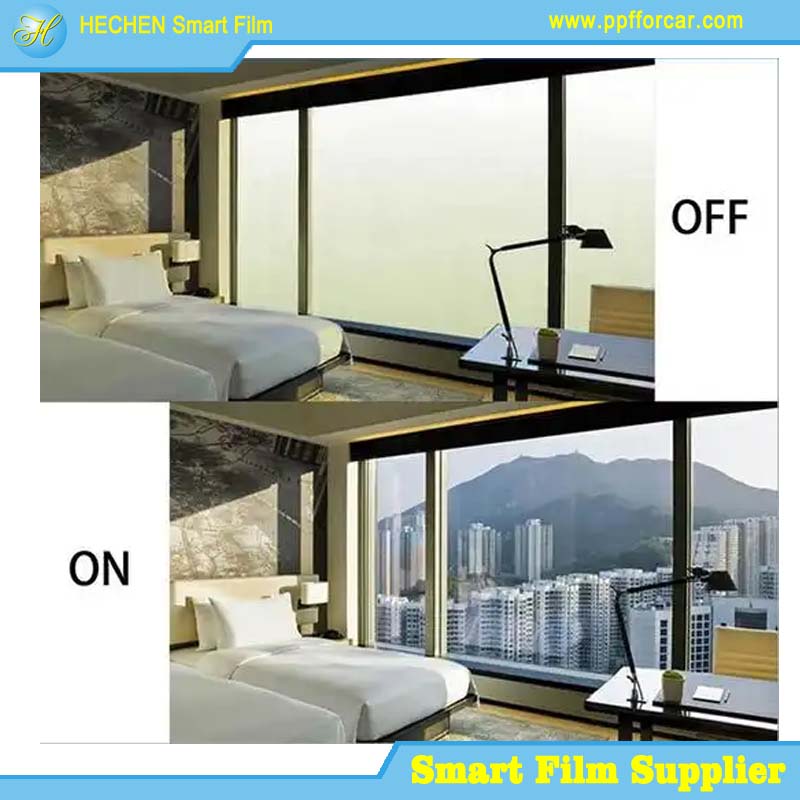
In the dynamic realm of architecture and building design, innovation is the driving force behind the development of novel materials and technologies. These advancements aim to enhance the functionality, energy efficiency, and aesthetic allure of structures. Among the remarkable innovations in recent years, PDLC Smart Film has emerged as a game-changer, particularly in the context of architectural window glass. This blog post will comprehensively explore the various facets of PDLC Smart Film, its applications in building windows, and the unique features that render it a revolutionary element in the construction industry.
Understanding PDLC Smart Film
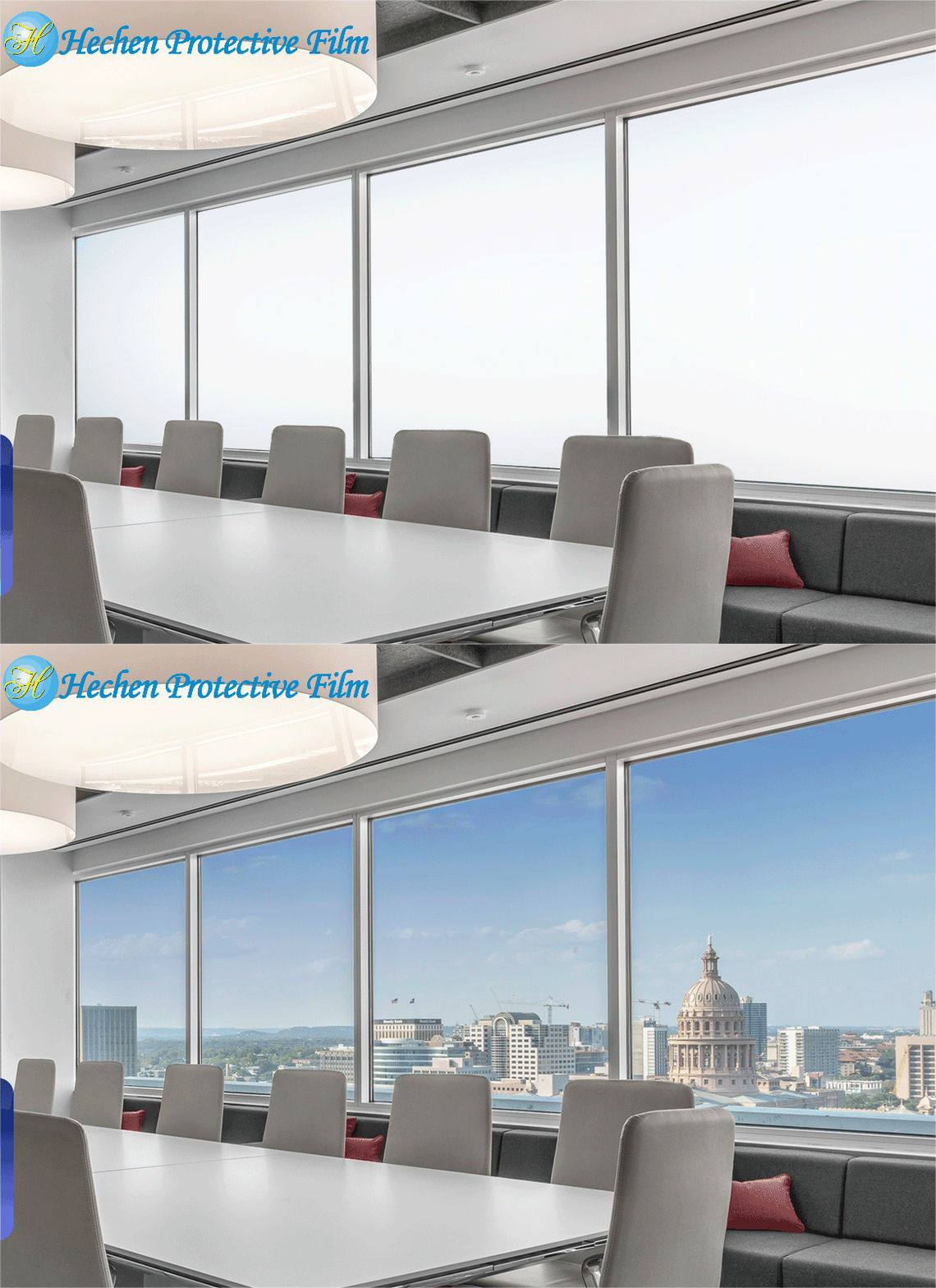
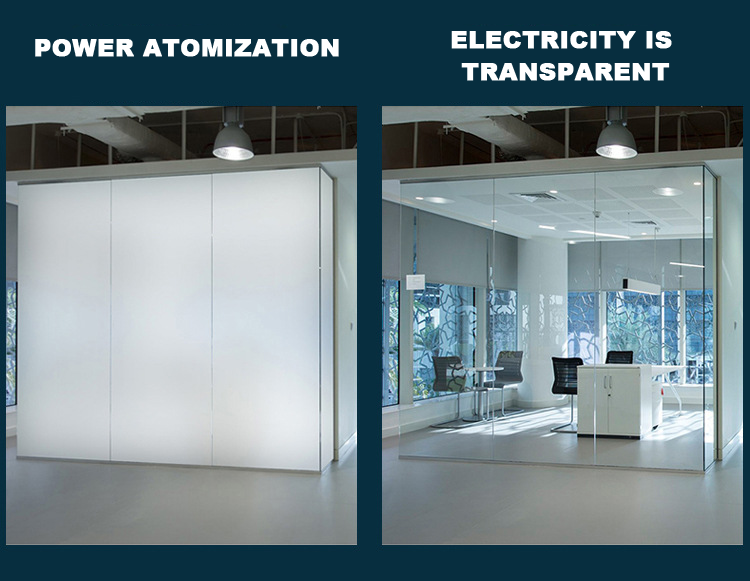
PDLC, or Polymer Dispersed Liquid Crystal, Smart Film, is an advanced material that amalgamates the properties of liquid crystals and polymers. At its essence, the film comprises minute liquid crystal droplets dispersed within a polymer matrix. In its default state, without the application of an electrical current, the liquid crystal molecules are randomly arranged. This random orientation scatters light, causing the film to be opaque and effectively blocking visibility through the window. However, when an electrical voltage is applied, the liquid crystal molecules align in a parallel fashion. This alignment enables light to pass through the film with minimal scattering, making the film transparent. The ability to switch between opaque and transparent states at the flip of a switch is what makes PDLC Smart Film so captivating and valuable in architectural applications.
Applications of PDLC Smart Film in Architectural Window Glass
1. Privacy Control
One of the most prominent applications of PDLC Smart Film in architectural windows lies in privacy control. In residential buildings, offices, hotels, and public spaces alike, there is often a need to regulate the level of privacy. For instance, in office buildings, private meeting rooms or executive offices can greatly benefit from the installation of PDLC Smart Film on windows. When the film is in its opaque state, it offers complete privacy, preventing outsiders from peering inside. Conversely, during presentations or when collaboration is necessary, a simple switch can transform the film to its transparent state, fostering an open and communicative environment. Similarly, in residential bathrooms or bedrooms, PDLC Smart Film provides a convenient means of ensuring privacy while still allowing natural light to enter when desired.
2. Energy Efficiency
Energy conservation is a critical concern in modern architecture, and PDLC Smart Film plays a pivotal role in enhancing the energy efficiency of buildings. By enabling control over the amount of sunlight that enters a room, it reduces the reliance on artificial lighting during the day. When the film is in its transparent state, it maximizes the ingress of natural light, illuminating interior spaces and creating a more pleasant and productive environment for occupants. On the other hand, in hot, sunny weather, activating the opaque state of the PDLC Smart Film blocks the sun's heat and UV rays from entering the building, alleviating the load on air conditioning systems. As a result, buildings equipped with PDLC Smart Film in their window glass can achieve substantial energy savings in terms of both lighting and cooling costs.
3. Aesthetic Appeal
The use of PDLC Smart Film in architectural window glass imparts a distinct aesthetic touch. The ability to transform the appearance of windows from opaque to transparent offers architects and designers a new creative tool. In contemporary buildings, the dynamic nature of PDLC Smart Film can be harnessed to create visually stunning effects. For example, in a multi-story building, the windows can be programmed to change their transparency in a synchronized pattern, resulting in a captivating visual display. This not only adds an element of modernity and sophistication to the building's exterior but also makes it stand out in the urban landscape. Additionally, the smooth and seamless transition between the opaque and transparent states of the PDLC Smart Film endows the windows with a sleek and high-tech look.
4. Daylighting Management
Proper daylighting management is essential for creating comfortable and healthy indoor environments, and
PDLC Smart Film allows for precise control of daylight entry. In buildings with large windows, excessive sunlight can cause glare, which is not only uncomfortable for occupants but also diminishes the visibility of computer screens and other visual displays. By adjusting the transparency of the PDLC Smart Film, the amount of sunlight can be regulated to eliminate glare while maintaining a bright and well-lit interior. Moreover, in areas where the sun's position varies throughout the day, the film can be adjusted accordingly to ensure optimal daylighting at all times. This adaptability makes PDLC Smart Film an ideal solution for buildings in diverse geographical locations with different lighting conditions.
5. Safety and Security
PDLC Smart Film also contributes to the safety and security of buildings. In the event of an emergency, such as a fire or a break-in, activating the opaque state of the film can prevent intruders from seeing valuable assets inside. Additionally, in the case of a natural disaster like an earthquake, the film can help hold the window glass together, reducing the risk of shattering and injury. Some PDLC Smart Film products are designed with additional security features, such as resistance to forced entry. This added layer of safety and security makes PDLC Smart Film a valuable addition to architectural window glass in both commercial and residential buildings.
6. Healthcare Facilities
In healthcare facilities, PDLC Smart Film has several significant applications. In patient rooms, it can be used to provide privacy for patients during medical procedures or while they are resting. The ability to control the transparency also enables medical staff to easily monitor patients without disturbing their privacy. In operating rooms, the film can be utilized to create a sterile environment by blocking the view of the outside area when necessary. Furthermore, in waiting areas and common spaces, PDLC Smart Film can be used to manage natural light and create a more comfortable and relaxing atmosphere for patients and their families.
7. Educational Institutions
Educational institutions can also reap the benefits of installing PDLC Smart Film in their window glass. In classrooms, the film can be used to control the amount of sunlight, reducing glare on whiteboards and improving visibility for students. It can also provide privacy during group discussions or when conducting tests. In administrative offices and faculty rooms, PDLC Smart Film offers a convenient way to manage privacy and natural light. Additionally, in auditoriums and lecture halls, the film can be used to create a more immersive environment by controlling the lighting conditions.
8. Retail Spaces
In retail spaces, PDLC Smart Film can be employed to create eye-catching displays. By altering the transparency of the windows, retailers can showcase their products in different ways. For example, during the day, the windows can be kept transparent to allow passersby to view the merchandise inside. However, at night or during special promotions, activating the opaque state of the PDLC Smart Film can create a more exclusive and attention - grabbing display. This flexibility in window presentation can assist retailers in attracting more customers and boosting sales.
Characteristics of PDLC Smart Film
1. Fast Switching Speed
One of the key features of PDLC Smart Film is its rapid switching speed. The transition from opaque to transparent or vice versa can occur within milliseconds. This quick response time is crucial in applications where swift changes in privacy or lighting conditions are required. For example, in a conference room, if an immediate need for privacy arises during a meeting, the PDLC Smart Film can be instantaneously switched to its opaque state. Similarly, when the meeting concludes and the room needs to be opened up, the film can rapidly become transparent again. This fast switching speed ensures that building occupants can effortlessly adapt to different situations without significant delay.
2. Low Power Consumption
PDLC Smart Film operates on a relatively low voltage, typically in the range of 24 - 110 volts, depending on the specific product. This low voltage requirement leads to low power consumption. Compared to other window treatments or lighting control systems, the energy consumed by PDLC Smart Film is minimal. This not only makes it an energy - efficient choice but also cost - effective in the long term. Buildings equipped with PDLC Smart Film - coated windows can save on their electricity bills, especially considering that the film can be used throughout the day to manage lighting and heat.
3. Durability and Longevity
PDLC Smart Film is engineered to be highly durable. The polymer matrix in which the liquid crystal droplets are dispersed offers excellent protection against wear and tear. The film is resistant to scratches, UV rays, and environmental factors such as humidity. This durability ensures that the PDLC Smart Film can maintain its performance over an extended period. In architectural applications, where windows are exposed to various weather conditions and regular use, the long - lasting nature of PDLC Smart Film is a significant advantage. It reduces the need for frequent replacements, saving both time and money for building owners.
4. Customizability
PDLC Smart Film offers a high degree of customizability. It can be manufactured in various sizes, shapes, and transparency levels. Architects and designers can select the specific characteristics of the film to meet the unique requirements of each building project. For example, they can choose a film with a certain level of tint to control the amount of light and heat entering the building while still maintaining a desired level of visibility. Additionally, the film can be customized to fit irregularly shaped windows or to create special patterns and designs. This customizability allows for greater creativity in building design and ensures that PDLC Smart Film can be seamlessly integrated into any architectural style.
5. Easy Installation
Installing PDLC Smart Film is relatively uncomplicated. The film can be applied to existing window glass surfaces, making it a convenient retrofit option for buildings. It can be adhered to the glass using a special adhesive, similar to the installation of window tinting films. In new construction projects, the PDLC Smart Film can be incorporated into the window manufacturing process. This ease of installation reduces the installation time and cost, making it an attractive option for both residential and commercial building projects.
6. Compatibility with Control Systems
PDLC Smart Film can be easily integrated with various control systems. It can be controlled manually using a simple switch or remotely through a building management system. In modern smart buildings, the PDLC Smart Film can be programmed to respond to different sensors, such as light sensors, temperature sensors, or occupancy sensors. For example, the film can be set to automatically switch to its opaque state when the sun's intensity reaches a certain level or when a room is unoccupied. This compatibility with control systems enables a more automated and intelligent management of the building's interior environment.
7. High Transparency in the Clear State
When PDLC Smart Film is in its transparent state, it offers a high level of optical clarity. The alignment of the liquid crystal molecules allows light to pass through with minimal distortion. This high transparency ensures that building occupants can enjoy unobstructed views of the outside environment. In buildings with scenic views, such as those overlooking a city skyline or a natural landscape, the clear state of the PDLC Smart Film enables a full appreciation of the surroundings. The high - quality transparency also makes the film suitable for applications where clear visibility is essential, such as in office buildings with large open - plan areas.
8. Good Opaque Performance
In its opaque state, PDLC Smart Film provides excellent privacy and light - blocking capabilities. The random orientation of the liquid crystal molecules effectively scatters light, making it extremely difficult to see through the film. This opaque performance is crucial in applications where privacy is a top priority, such as in bathrooms, bedrooms, and private offices. The film can block out not only visual sightlines but also a significant amount of light, creating a dark and private space when needed.
In conclusion, PDLC Smart Film has emerged as a revolutionary material in the field of architectural window glass. Its diverse applications, spanning from privacy control to energy efficiency and aesthetic enhancement, make it a valuable addition to modern buildings. The unique characteristics of PDLC Smart Film, such as its fast switching speed, low power consumption, durability, and customizability, further contribute to its popularity among architects, designers, and building owners. As technology continues to progress, it is anticipated that PDLC Smart Film will find even more innovative applications in the construction industry, transforming the way we design and interact with buildings.
For more about the PDLC Smart Film, you can pay a visit to PDLC Smart Film - Hechen Protective Film for more info.