The Ultimate Guide to PDLC Film Preparation Methods
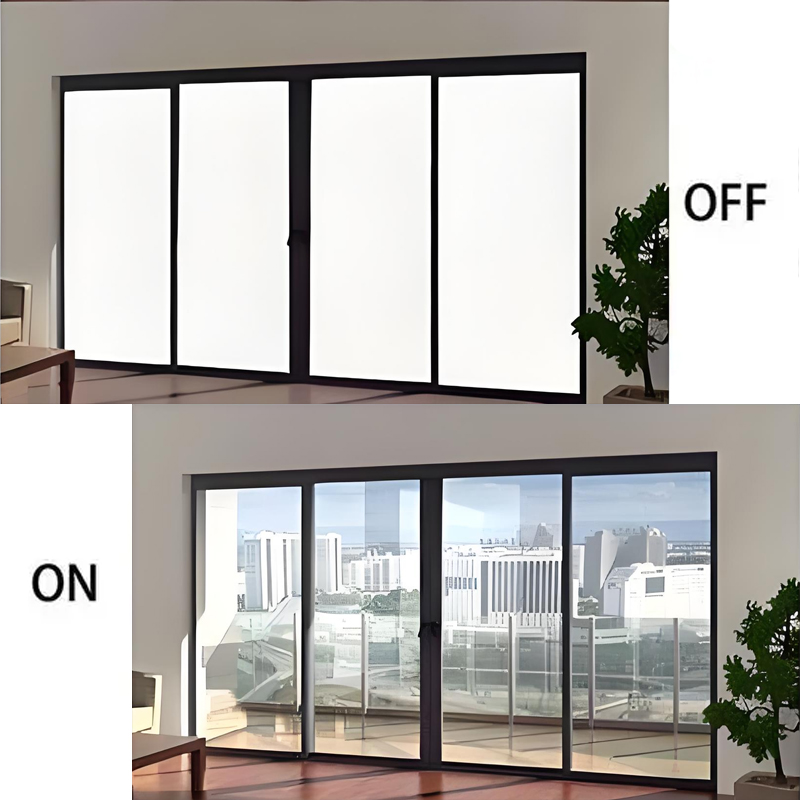
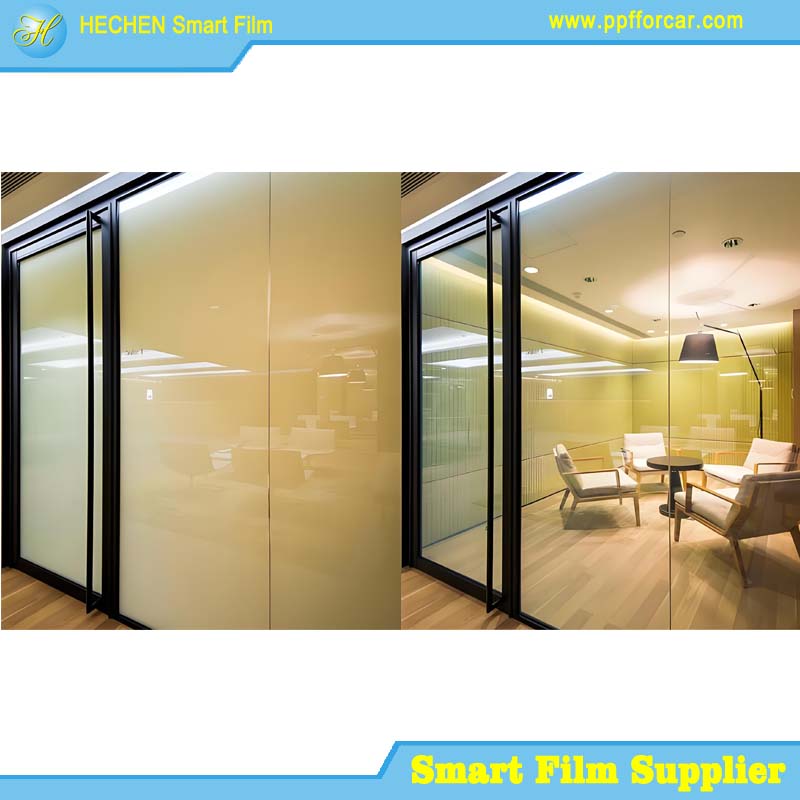
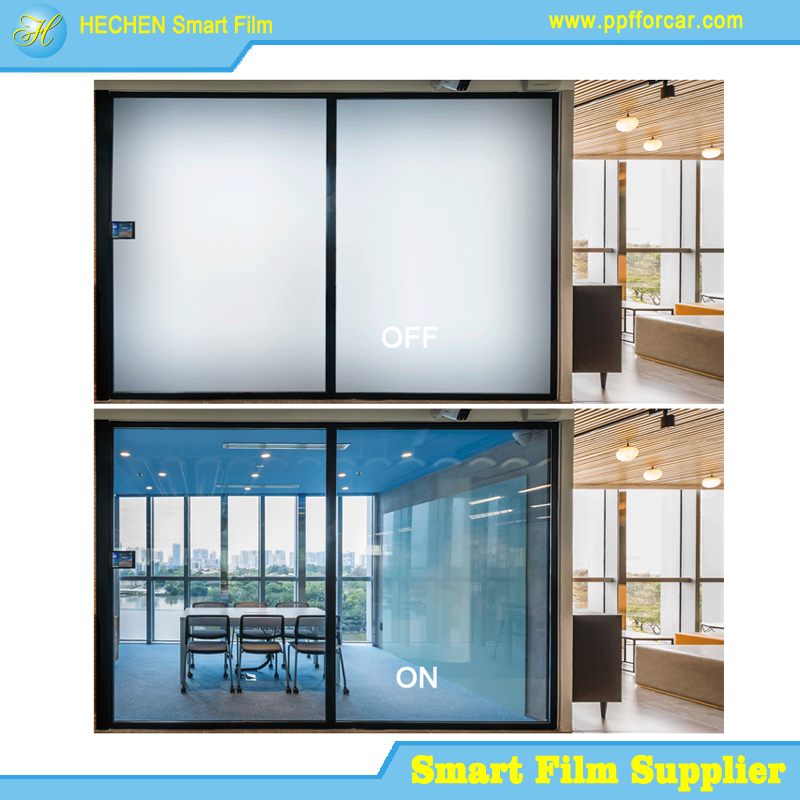
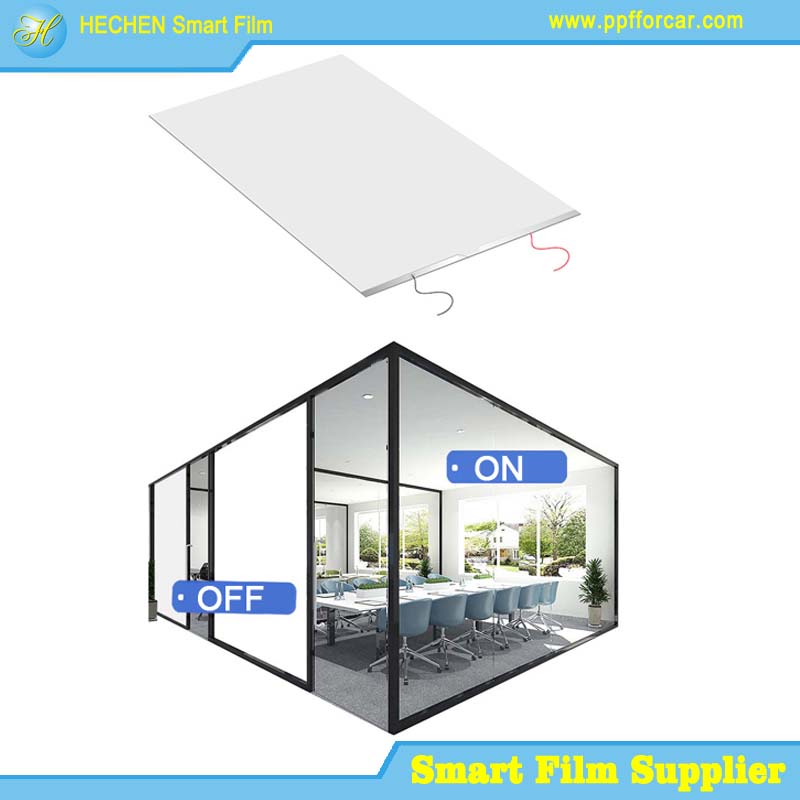
Polymer Dispersed Liquid Crystal (PDLC) films are an innovative class of smart materials that have transformed how we manage light transmission in modern technology. These films consist of tiny liquid crystal droplets embedded within a polymer matrix, allowing them to switch from an opaque, light-scattering state to a transparent state when an electric field is applied. This unique property makes PDLC films invaluable in applications such as smart windows, privacy glass, automotive displays, and energy-saving architectural designs.The ability to control opacity dynamically offers numerous advantages, including enhanced privacy, energy efficiency, and aesthetic flexibility. As a result, the preparation of high-quality PDLC films has become a critical focus in materials science and engineering. The preparation process directly influences the film’s electro-optical properties, such as switching speed, contrast ratio, and durability, making it essential to understand and optimize the methods used.Several techniques have been developed to prepare PDLC films, with the most common being Polymerization-Induced Phase Separation (PIPS), Thermally Induced Phase Separation (TIPS), and Solvent-Induced Phase Separation (SIPS). Each method involves creating a homogeneous mixture of liquid crystals and a polymer precursor, followed by a controlled phase separation to form the desired droplet structure. In this article, we will explore these preparation methods in detail, discussing their steps, advantages, and limitations. We will also examine the materials used and the characterization techniques employed to assess PDLC film performance, providing a comprehensive guide to their preparation.
Preparation Methods of PDLC Films
The preparation of PDLC films hinges on achieving a uniform dispersion of liquid crystal droplets within a polymer matrix. The method chosen for this process significantly affects the film’s morphology—such as droplet size and distribution—which in turn determines its electro-optical behavior. Below, we detail the three primary preparation methods: PIPS, TIPS, and SIPS.1. Polymerization-Induced Phase Separation (PIPS)The PIPS method is the most widely adopted technique for preparing PDLC films due to its versatility and precise control over film properties. It involves polymerizing a mixture of liquid crystals and a monomer, triggering phase separation as the polymer forms.
Steps Involved:
· Mixing: A homogeneous blend of liquid crystals and a monomer (or prepolymer) is prepared. The ratio of liquid crystals to monomer typically ranges from 30:70 to 70:30, depending on the target properties.
· Addition of Initiator: A photoinitiator (for UV curing) or thermal initiator (for heat curing) is added to initiate polymerization.
· Film Formation: The mixture is placed between two transparent conductive substrates, such as indium tin oxide (ITO)-coated glass or plastic sheets.
· Polymerization: The monomer is polymerized using UV light or heat. As the polymer chains grow, they become less compatible with the liquid crystals, leading to phase separation and the formation of liquid crystal droplets within the polymer matrix.
Advantages:
· Control Over Droplet Size: Adjusting the polymerization rate—via initiator concentration, light intensity, or temperature—allows precise tuning of droplet size, which affects light scattering and switching efficiency.
· Versatility: PIPS works with a wide variety of monomers and liquid crystals, enabling customization for specific applications.
· Scalability: The process is straightforward and adaptable for large-scale production.
Disadvantages:
· Residual Monomer: Incomplete polymerization can leave unreacted monomer in the film, potentially reducing its stability and performance.
· Equipment Complexity: The need for UV light sources or controlled heating systems increases setup costs and complexity.
Thermally Induced Phase Separation (TIPS)
The TIPS method uses temperature changes to drive phase separation in a polymer-liquid crystal mixture. It is particularly suited for polymers that are soluble with liquid crystals at high temperatures but separate upon cooling.
Steps Involved:
· Dissolution: The polymer and liquid crystals are dissolved in a common solvent at an elevated temperature to create a uniform solution.
· Film Casting: The hot solution is cast onto a substrate or sandwiched between two substrates.
· Cooling: The film is cooled to room temperature, reducing solubility and causing the polymer and liquid crystals to phase separate, forming droplets within the polymer matrix.
· Solvent Evaporation: If a solvent is used, it is evaporated during or after cooling.
Advantages:
· Simplicity: TIPS requires no initiators or complex equipment, making it a cost-effective option.
· Uniformity: It often produces films with consistent droplet sizes and distributions, enhancing electro-optical performance.
Disadvantages:
· Temperature Sensitivity: Precise temperature control is critical, as variations can alter the phase separation process and film morphology.
· Limited Material Options: Only polymers soluble with liquid crystals at high temperatures are suitable, restricting material choices.
Solvent-Induced Phase Separation (SIPS)
The SIPS method relies on solvent manipulation to induce phase separation. It is valued for its flexibility and ability to work with diverse materials.
Steps Involved:
· Mixing: The polymer and liquid crystals are dissolved in a mutual solvent to form a homogeneous solution.
· Film Casting: The solution is cast onto a substrate or between two substrates.
· Phase Separation: Phase separation is triggered by evaporating the solvent or adding a non-solvent (miscible with the solvent but not the polymer or liquid crystals). This results in liquid crystal droplets forming within the polymer matrix.
Advantages:
· Flexibility: SIPS accommodates a wide range of polymers and liquid crystals, as long as they share a common solvent.
· Morphology Control: The rate of solvent evaporation or non-solvent addition can be adjusted to tailor droplet size and distribution.
Disadvantages:
· Solvent Residue: Residual solvent can remain in the film, affecting its optical and mechanical properties.
· Environmental Impact: The use of solvents raises safety and environmental concerns, especially in large-scale manufacturing.
Each method offers unique strengths, and the choice depends on the application’s requirements, such as switching speed, operating voltage, or production scale. PIPS is often favored for its precision, while TIPS and SIPS provide simpler or more flexible alternatives.
Materials Used in PDLC Film Preparation
The performance of PDLC films depends heavily on the materials selected. The primary components are the polymer matrix and liquid crystals, supplemented by additives to enhance specific properties.
1. Polymers
The polymer matrix provides structural support and influences the film’s electro-optical and mechanical properties.
Common polymers include:
· Polyacrylates: Such as poly(methyl methacrylate) (PMMA), valued for transparency and ease of polymerization.
· Polyurethanes: Known for durability and flexibility, ideal for robust applications.
· Epoxy Resins: Offer strong adhesion and chemical resistance, suitable for demanding environments.
· Polyvinyl Alcohol (PVA): Used for its excellent film-forming capabilities and compatibility with liquid crystals.
The polymer choice affects the film’s flexibility, switching voltage, and durability.
2. Liquid Crystals
Liquid crystals enable the electro-optical switching of PDLC films. Nematic liquid crystals, which align under an electric field, are most common.
Examples include:
· E7: A cyanobiphenyl mixture with a wide temperature range and reliable performance.
· 5CB (4-Cyano-4'-pentylbiphenyl): A single-component liquid crystal used in research for its well-defined properties.
· TL205: A fluorinated mixture with low voltage requirements and fast response times.
Liquid crystal selection impacts switching speed, contrast, and temperature stability.
3. Additives
Additives enhance specific film characteristics:
· Initiators: Photoinitiators (e.g., benzophenone) or thermal initiators (e.g., AIBN) are essential for PIPS.
· Surfactants: Reduce interfacial tension to control droplet size and distribution.
· Dyes: Add color for aesthetic or functional purposes, such as tinted privacy glass.
· Nanoparticles: Improve mechanical strength or add features like UV resistance.
Optimizing these materials ensures PDLC films meet the performance needs of their intended applications.
Characterization Techniques for PDLC Films
To evaluate PDLC film quality and performance, various characterization techniques are employed, focusing on morphology, thermal properties, and electro-optical behavior.
1. Scanning Electron Microscopy (SEM)
SEM examines the film’s microstructure, revealing droplet size and distribution. This helps confirm successful phase separation and optimize morphology.
2. Differential Scanning Calorimetry (DSC)
DSC measures thermal properties like the polymer’s glass transition temperature (Tg) and the liquid crystals’ nematic-isotropic transition temperature (Tni), defining the film’s operational range.
3.Electro-Optical Measurements
Key tests include:
· Transmittance vs. Voltage: Determines threshold and driving voltages.
· Response Time: Measures switching speed (rise and decay times).
· Contrast Ratio: Assesses the difference between opaque and transparent states.
4.Fourier Transform Infrared Spectroscopy (FTIR)
FTIR verifies chemical composition and detects residual monomer or solvent.
5.Mechanical Testing
Tests for tensile strength, flexibility, and adhesion ensure the film’s practical usability.These techniques provide a holistic view of PDLC film properties, guiding improvements and quality control.
Conclusion
PDLC films are a remarkable blend of materials science and electro-optics, offering dynamic light control for diverse applications. The preparation methods—PIPS, TIPS, and SIPS—each provide distinct approaches to achieving the desired film structure, with material selection and characterization playing crucial roles in optimization.As technology advances, we anticipate PDLC films with improved performance, such as faster switching, lower voltages, and enhanced durability. Innovations in preparation techniques and materials will broaden their use, cementing their place in future smart systems. Understanding these methods is key to unlocking the full potential of PDLC films, driving progress in both current and emerging applications.
For more about the ultimate guide to PDLC film preparation methods, you can pay a visit to Hechen PDLC Smart Film Manufacturers for more info.