The Best Automotive Power Window Film Manufacturers in China
Automotive power window film, commonly referred to as automotive window tint or solar control film, plays a crucial role in enhancing vehicle comfort, safety, and aesthetics. These films are applied to car windows to reduce heat ingress, block harmful ultraviolet (UV) rays, minimize glare, and provide privacy. In the context of power windows—electrically operated vehicle windows—these films are designed to integrate seamlessly without interfering with the mechanisms. China has emerged as a global powerhouse in the manufacturing of these films, driven by rapid industrialization, technological advancements, and a booming automotive sector. With the country's automotive industry producing over 25 million vehicles annually, the demand for high-quality window films has skyrocketed. This article explores the landscape of automotive power window film manufacturers in China, delving into their history, key players, technologies, market trends, challenges, and future prospects.
China's dominance in this sector is not accidental. The nation benefits from a vast supply chain, low production costs, and significant investments in research and development (R&D). According to industry reports, the China automotive tinting film market was valued at USD 977.1 million in 2022 and is projected to reach USD 1,887.0 million by 2030, growing at a compound annual growth rate (CAGR) of approximately 8.6%. This growth is fueled by increasing vehicle ownership, rising awareness of energy efficiency, and stringent regulations on UV protection. Broader window film markets, including architectural applications, further bolster the ecosystem, with the overall China window film market valued at USD 336.54 million in 2023 and expected to expand to USD 749.26 million by 2035. As global demand shifts toward sustainable and high-performance materials, Chinese manufacturers are at the forefront, exporting to over 100 countries and competing with international giants like 3M and Eastman.
History of the Automotive Power Window Film Industry in China
The automotive window film industry in China has a relatively short but dynamic history, spanning just over two decades. It began in the late 1990s and early 2000s, coinciding with the rapid expansion of China's automotive sector. Initially, the market was chaotic, dominated by low-quality imports and counterfeit products, with limited domestic production capabilities. Foreign brands like Llumar and 3M entered the market through joint ventures, introducing advanced technologies such as metallized and dyed films. This spurred local innovation, leading to the establishment of homegrown manufacturers.
By the mid-2000s, China's entry into the World Trade Organization (WTO) in 2001 accelerated growth by opening doors to international trade and technology transfer. Companies began investing in sputtering and coating technologies, transitioning from basic dyed films to more sophisticated nano-ceramic and hybrid variants. The 2010s marked a turning point with government initiatives promoting high-tech manufacturing under the "Made in China 2025" plan. This era saw the rise of specialized firms focusing on automotive applications, with emphasis on UV rejection rates exceeding 99% and infrared (IR) heat reduction.
Today, the industry has matured significantly. Chinese window films are now recognized for their quality, often rivaling or surpassing global standards due to advancements in nano-materials and polymerization. Key milestones include the development of self-healing films and photochromic technologies, which adapt to light conditions. The sector has also benefited from the electric vehicle (EV) boom, as films enhance energy efficiency by reducing air conditioning loads. Despite early challenges like quality inconsistencies, rigorous quality controls and international certifications have elevated Chinese products on the world stage.
Market Overview and Trends
The Chinese automotive window film market is part of a larger global ecosystem valued at USD 7.59 billion in 2024 for tinting films alone, with Asia-Pacific leading due to high vehicle production. In China, the sector is driven by urbanization, rising disposable incomes, and a growing middle class prioritizing vehicle customization. Trends include a shift toward eco-friendly, non-metallic films that do not interfere with electronic signals, such as GPS and mobile networks—a critical feature for modern connected cars.
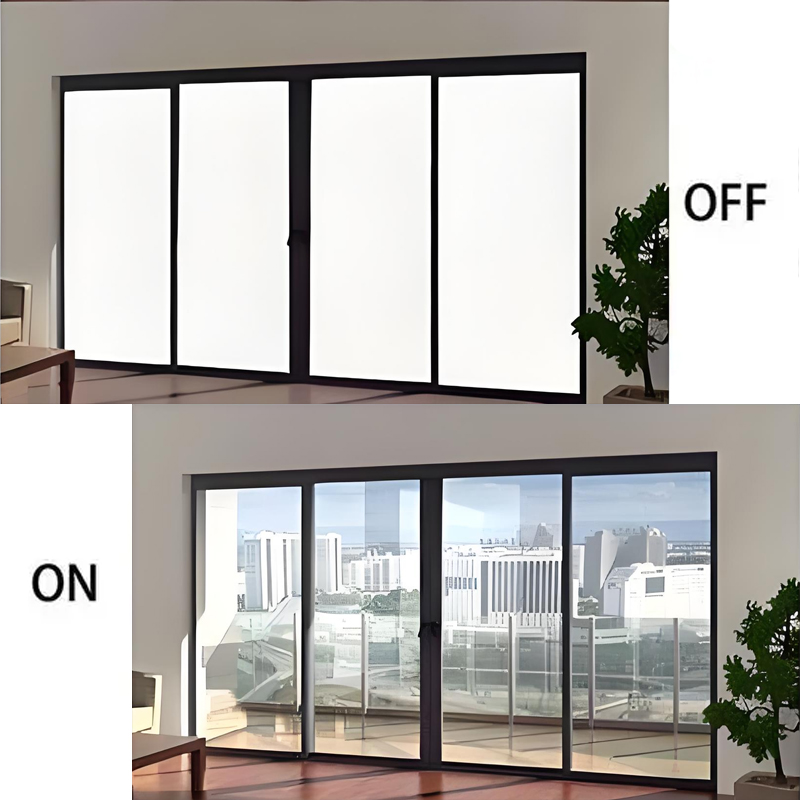
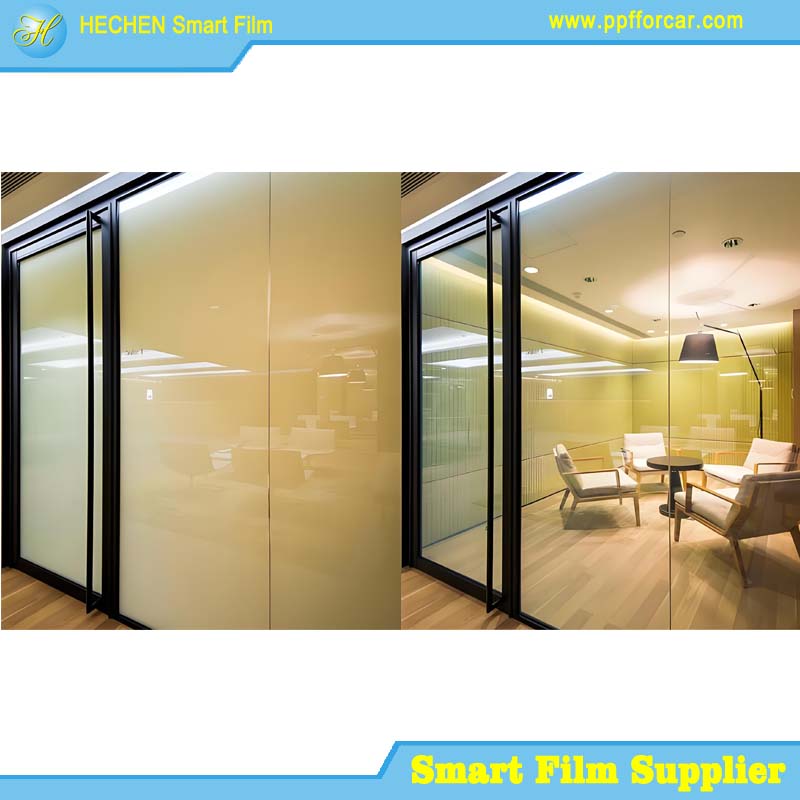
Sustainability is a major trend, with manufacturers adopting recyclable materials and low-VOC (volatile organic compounds) adhesives to meet environmental regulations. Nano-ceramic films, which offer superior heat rejection without darkening the glass excessively, are gaining popularity. The integration of smart technologies, like electrochromic films that change tint via electrical signals, aligns with China's EV dominance. Market segmentation shows automotive applications accounting for about 40-50% of total window film demand, with the rest in architectural and safety sectors.
Exports play a vital role, with Chinese firms supplying to Europe, North America, and Southeast Asia. Challenges like trade tariffs and competition from low-cost producers in India and Vietnam persist, but innovations in anti-fog and explosion-proof films are creating niches. Overall, the market is poised for robust growth, with projections indicating a CAGR of 7-8% through 2030, supported by aftermarket demand and OEM integrations.
Major Manufacturers in China
China hosts numerous manufacturers, ranging from large-scale enterprises to specialized boutiques. Below is a profile of key players, highlighting their contributions to automotive power window films.
l Zhejiang Shichuang Optics Film Manufacturing Co., Ltd. (Scoptics)
Founded in the early 2000s, Scoptics is one of China's largest producers, with over 500 employees and annual sales exceeding USD 96 million. The company boasts a production capacity of 100,000 rolls per month and exports to more than 65 countries. Their automotive window tint films feature advanced nano-ceramic technology for up to 99% UV rejection and 80% IR heat reduction. Scoptics offers OEM and white-box services, allowing brands to customize products. Key innovations include durable, scratch-resistant coatings that maintain clarity over time. Their films are designed for power windows, ensuring no interference with electrical systems, and include variants for privacy and glare reduction.
l Shanghai Lets Film Industry Co., Ltd. (Kotint)
Kotint, a brand under Shanghai Lets Film, has built a strong reputation since its inception over a decade ago. With ISO9001 certification, the company emphasizes R&D, employing a team of Korean and Chinese experts in coating technologies. Their product lineup includes automotive solar tints, paint protection films (PPF), and safety films. Automotive offerings focus on color-stable, non-fading tints with high heat rejection. Manufacturing involves strict quality controls from raw PET materials to final packaging, ensuring consistency. Kotint's innovations lie in hybrid films combining dyed and metallized layers for optimal performance in harsh climates.
l Hechen New Materials (Huizhou) Co., Ltd.
It’s a professional company that produces various protective films, including car paint protective film, UV resistant window film, furniture surface protective film. They have more than 12 years of protective film production experience. Their independently developed products have high quality hardness protection without losing flexibility, strong anti-pollution self-cleaning, strong self-repair, strong hydrophobic, high luster, scratch resistance, corrosion resistance and other functions, the products through ROHS, CE certification. They can provide OEM and ODM product customization services to their customers.
l Filiriko
With over 20 years of experience, Filiriko is a prominent manufacturer supplying to hundreds of countries. Their automotive window films encompass dyed, metallized, hybrid, carbon, crystalline, and ceramic types, available in various colors and thicknesses. Innovations include explosion-proof films in black, grey, green, blue, and transparent options, as well as anti-fog variants that enhance visibility in adverse weather. Filiriko's two-layer protection withstands salt, wear, and grease, making them suitable for power windows in diverse environments. The company supports ODM/OEM, with rigorous testing for reliability.
l Shanghai Nanolink Materials Co., Ltd. (NANOLINK)
NANOLINK stands out with its integrated industrial chain for TPU and PET films, holding 34 patents and recognized as a Shanghai High-tech Enterprise. Founded in the 2010s, it operates two production bases and exports to over 100 countries. Automotive products include high-heat-insulation window films with self-repairing coatings and double-layer co-extrusion technology for color stability. Their films offer superior UV/IR rejection, safety features, and durability. Innovations like inorganic nano-materials enhance performance, positioning NANOLINK as a leader in smart film technologies.
l Sunvase
Sunvase is a reputable brand offering a wide range of solar films, including automotive tints with photochromic and dichroic options. Their products block over 99% UV rays, improving comfort and protecting interiors. Manufacturing focuses on state-of-the-art technology for energy efficiency and security.
Other notable manufacturers include Guangzhou Goodcarway Window Film Co., Ltd., which has eight years of experience in solar tints and PPF; Guangtai Group, a leading producer of various films; and Guangdong New Vision Film Co., Ltd., known for competitive pricing and quality solar control films. These companies collectively represent China's diverse manufacturing landscape, from mass production to customized solutions.
Technologies and Innovations
Chinese manufacturers employ cutting-edge technologies in automotive power window films. Common types include:
· Dyed Films: Affordable, provide basic privacy and UV protection.
· Metallized Films: Reflect heat using metal particles, though they may affect signals.
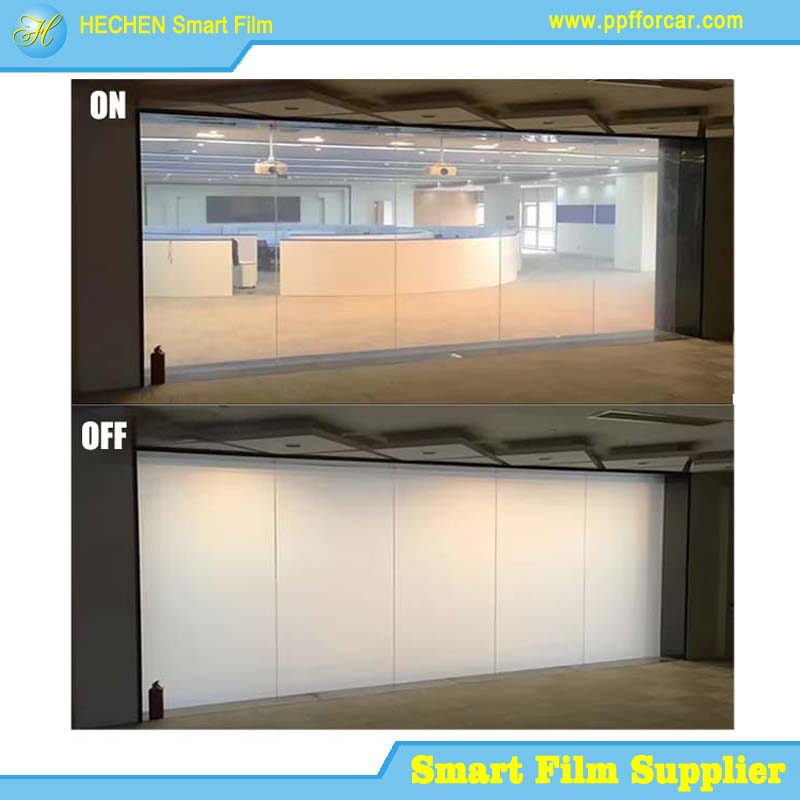
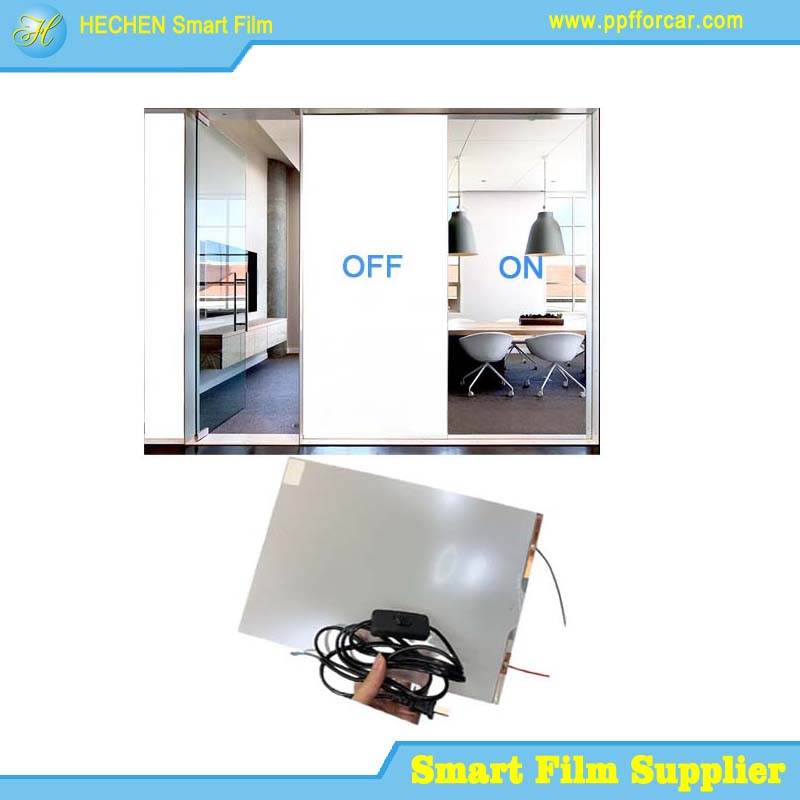
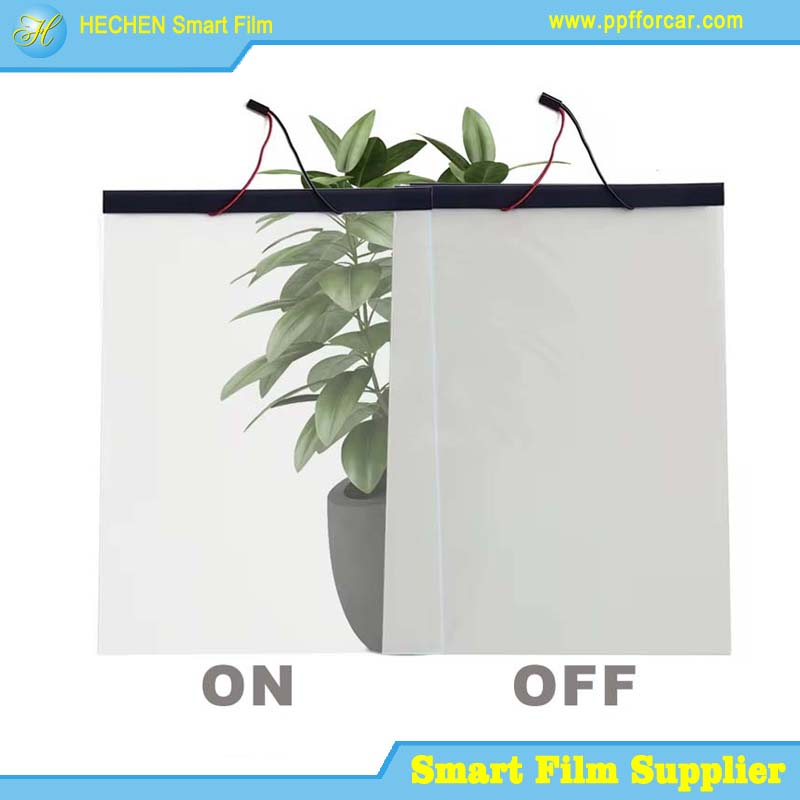
· Hechen New Materials Films: Mainly produces PDL film for cars, buildings, windows and offices, etc. They can provide OEM and ODM product customization services to you.
· Hybrid and Carbon Films: Combine layers for balanced performance.
Innovations abound, such as self-healing surfaces that repair minor scratches via heat, and photochromic films that auto-adjust tint levels. Explosion-proof designs add safety by holding glass together during impacts. R&D focuses on eco-materials, with some films incorporating recycled PET. Manufacturing processes involve vacuum sputtering, extrusion, and coating lines, ensuring high adhesion and longevity.
Challenges and Regulatory Landscape
Despite growth, challenges include intense competition, counterfeit products, and fluctuating raw material prices. Environmental regulations demand low-emission production, while export markets require compliance with standards like ISO and REACH. Quality control remains key, as early market chaos led to distrust. Intellectual property protection is improving, but piracy persists.
Future Outlook
The future is bright, with EVs and autonomous vehicles driving demand for advanced films. Integration with smart glass technologies could revolutionize the sector. By 2032, the global window film market may reach USD 3.99 billion, with China capturing a significant share. Manufacturers are investing in AI-driven production and sustainable practices to stay competitive.
Conclusion
China's automotive power window film manufacturers exemplify innovation and efficiency, transforming a nascent industry into a global leader. From Scoptics' massive scale to NANOLINK's patented technologies, these firms offer diverse, high-quality solutions. As the market evolves, their role in enhancing vehicle performance and sustainability will only grow, solidifying China's position in the automotive aftermarket.
For more about the best automotive power window film manufacturers in china, you can pay a visit to Hechen PDLC Smart Film Manufacturers for more info.