The Best Car Electric Tint Manufacturers: A Technical Analysis of 6 Industry Leaders
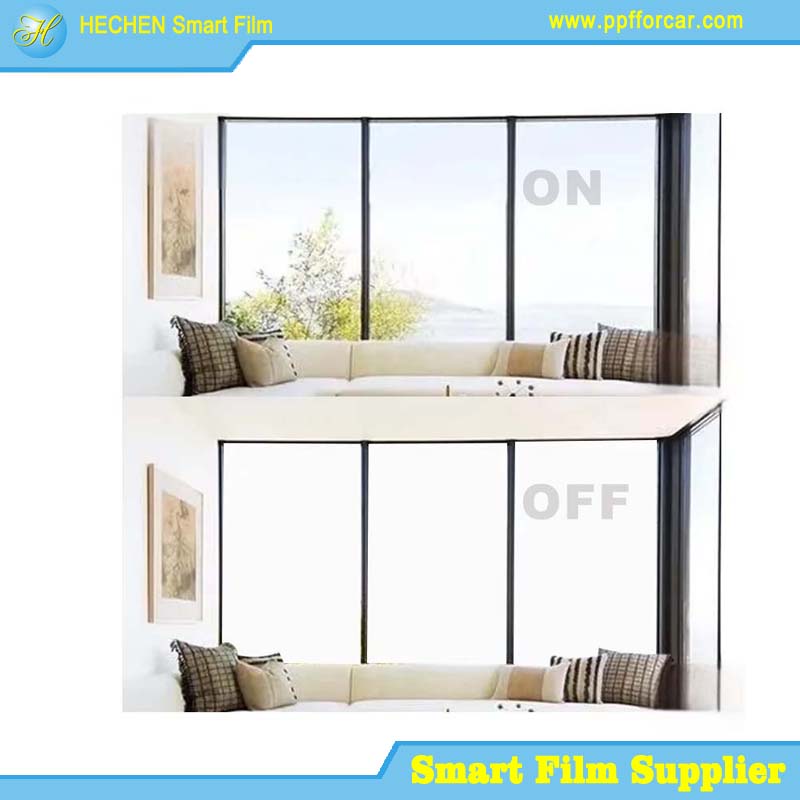
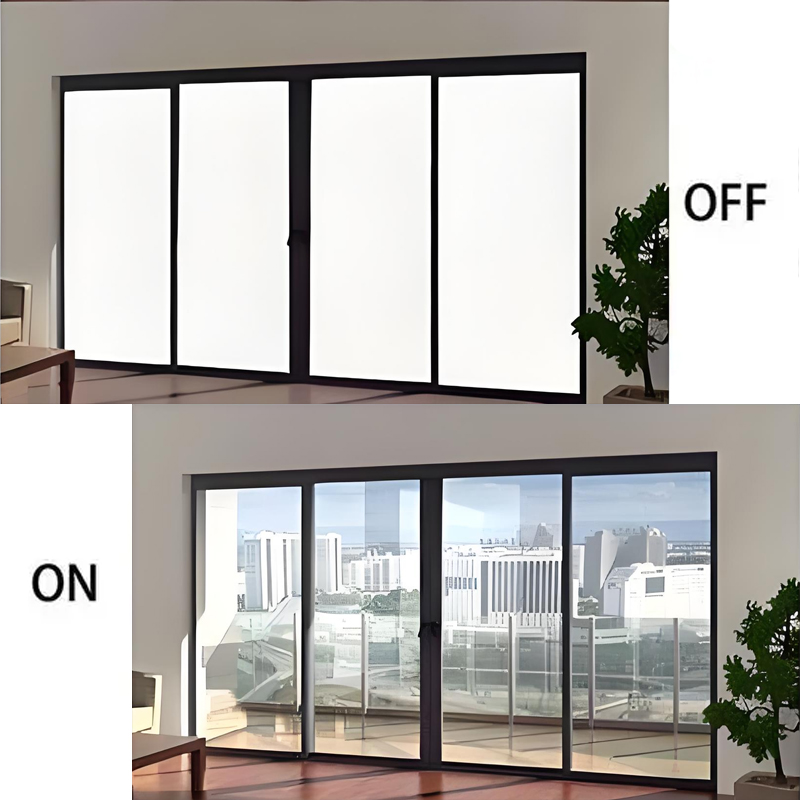
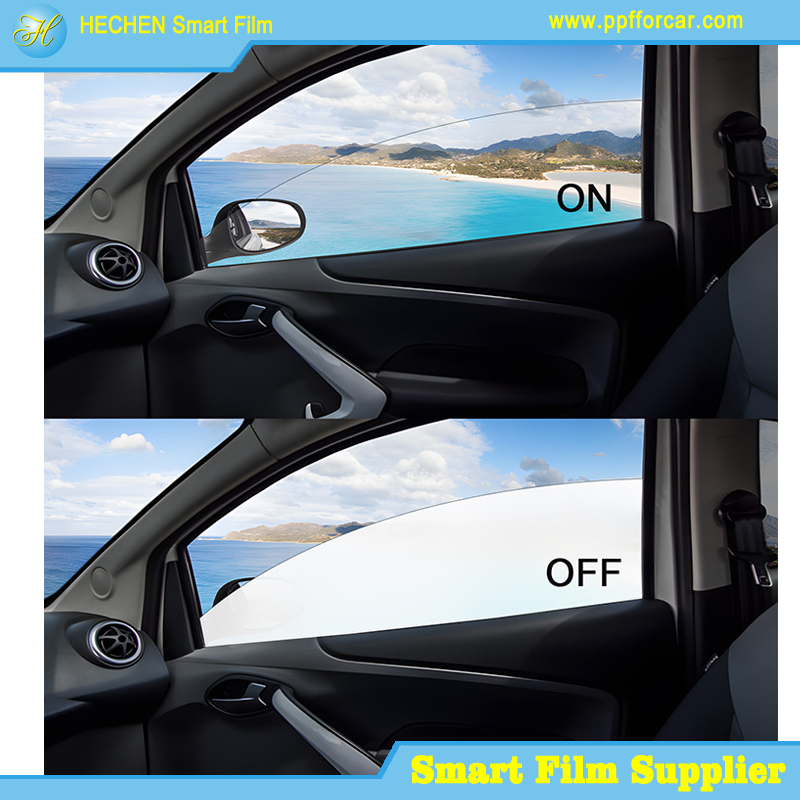
In the evolving landscape of automotive enhancement, "smart glass" or electric tint technology has moved from a high-end novelty to a sought-after feature for luxury, comfort, and privacy. Unlike traditional dyed or ceramic window films, car electric tint—technically known as Suspended Particle Device (SPD) or Polymer Dispersed Liquid Crystal (PDLC) film—allows the user to electronically control the tint level, shifting from transparent to opaque at the touch of a button. This technology hinges on a complex film layer containing microscopic light-absorbing particles or crystals that align or disperse in response to an electrical current.
Selecting the right manufacturer is critical, as it dictates the system's performance, durability, optical clarity, energy efficiency, and integration capabilities. This article provides a technical deep dive into six of the world's leading manufacturers of electric tint for automotive applications, analyzing their core technologies, product strengths, and market positioning.
1. 3M – The Industrial Science Powerhouse
Overview: 3M is a global titan in material science, and its foray into smart window films leverages decades of adhesive and film technology expertise. While 3M produces a vast range of traditional and passive window films, its 3M™ Portable Privacy Film series represents its PDLC technology adaptable for automotive use, particularly in partition applications within limousines or custom vehicles.
Technical Analysis & Key Features:
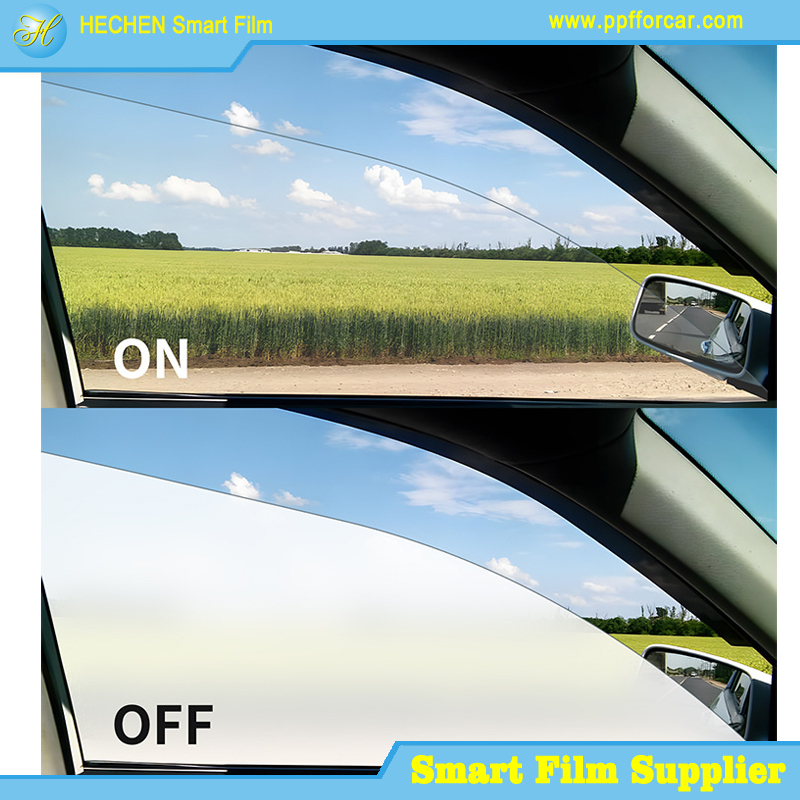
Core Technology: Primarily PDLC-based. When voltage is applied, the liquid crystal droplets align, allowing light to pass through. When off, they scatter, creating a translucent, privacy-focused state.
Optical Performance: 3M films are engineered for high clarity in the "on" state (typically >70% visible light transmission or VLT) and effective privacy in the "off" state. Their material science focus ensures minimal haze and color distortion.
Durability & Integration: Known for superior adhesive systems that resist delamination and bubbling. The films are designed to be robust but may require professional installation, especially for complex automotive curves.
Market Position: 3M is often a "white-label" component supplier. Its strength lies in reliable, chemically stable film cores. For a complete automotive system, integrators often pair 3M film with third-party controllers and wiring kits.
Best For: Fleet vehicles, custom builds, and consumers who prioritize brand trust in material durability and seek solutions through professional installers.
2. Eastman Performance Films (LLumar) – The Automotive Film Specialist
Overview: Eastman, under its globally recognized LLumar brand, is a leader in automotive window films. Its LLumar® Vortex™ and Vision® series represent its active, electronically dimmable offerings. Their deep roots in the automotive aftermarket network give them a significant advantage in distribution and installation expertise.
Technical Analysis & Key Features:
Core Technology: Utilizes SPD-Smart® technology. This film embeds microscopic, needle-like particles that align to allow light through when voltage is applied and randomly disperse to block light when voltage is off, achieving a true "variable tint" effect.
Variable Tint Range: A key advantage. Unlike PDLC's simple on/off (clear/frosted), SPD can offer multiple levels of tint, ranging from very dark (often <1% VLT) to relatively clear (~35-40% VLT), controlled via a dial or smart interface.
UV & Heat Rejection: Leveraging their spectral selectivity expertise, Eastman's SPD films inherently block over 99% of UV rays and a significant portion of infrared (IR) heat, regardless of tint state, enhancing comfort and protecting interiors.
Integration: They offer complete system kits, including film, a power supply/controller, and switches, designed for automotive 12V systems.
Best For: Car enthusiasts and luxury vehicle owners seeking variable solar control (heat and glare rejection) alongside privacy, installed through a certified professional network.
3. Saint-Gobain – The Architectural Giant with Automotive Ambition
Overview: French multinational Saint-Gobain, a world leader in building materials, owns SageGlass®, a premier electrochromic technology. While primarily focused on architectural windows, their technology is being adapted for high-end automotive sunroofs and panoramic roofs in partnership with OEMs.
Technical Analysis & Key Features:
Core Technology: True solid-state Electrochromic technology. This involves multiple microscopic layers (including an ion conductor and electrochromic layers) on a glass substrate. Applying voltage moves lithium ions between layers, causing the glass to tint or clear. It's a glass-based, not film-based, solution.
Performance Characteristics: Offers smooth, gradual tinting. It provides excellent UV protection and superior thermal insulation properties compared to film-based systems. The tint is uniform and integral to the glass.
Durability: As a sealed glass unit, it is highly resistant to environmental degradation, scratching, and delamination. The lifespan is exceptionally long.
Application: Currently, this is not a typical aftermarket "film." It is an OEM-integrated glass solution found in luxury vehicles (e.g., certain Ferrari, McLaren, or premium OEM sunroofs). Aftermarket application would require full glass replacement.
Best For: Automotive OEMs and consumers purchasing new high-end vehicles where electrochromic glass is a factory option, particularly for large sunroofs.
4. Vankyo (PDLC Film Supplier) – The Accessible Technology Provider
Overview: Vankyo has made a name by bringing PDLC "smart film" technology to a broader consumer market at a competitive price point. They are a key supplier of the core film and DIY kits for various applications, including automotive partitions and small windows.
Technical Analysis & Key Features:
Core Technology: Standard PDLC film supplied in rolls or custom-cut sheets.
Value Proposition: Their primary strength is affordability and accessibility for the DIY market. They offer complete kits with film, power supplies, and simple switch controls.
Considerations: The technical specifications, such as optical clarity in the clear state, longevity of the conductive layers, and performance in extreme automotive temperatures, may vary compared to premium industrial-grade manufacturers. Installation on curved automotive glass is challenging for DIYers and can lead to failure if not done perfectly.
Market Position: They fill the important role of making the technology accessible for experimenters and customizers on a budget, or for non-critical applications like static van or RV partitions.
Best For: DIY enthusiasts, custom car modifiers on a budget, and applications where absolute optical perfection and decades-long durability are secondary to cost and basic functionality.
5. Maxxar / Smart Films International – The Dedicated Smart Film Innovator
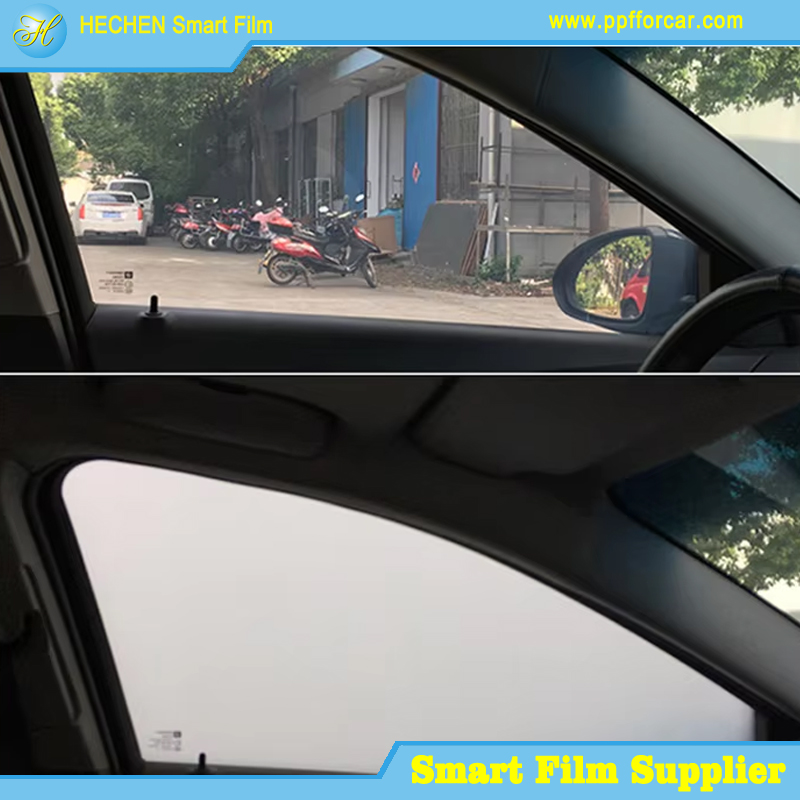
Overview: Companies like Maxxar (US) or the broader Smart Films International consortium represent specialists focused exclusively on switchable film technology. They often push the boundaries in film performance and system integration.
Technical Analysis & Key Features:
Advanced PDLC/SPD Formulations: These specialists often offer high-performance variants, such as "Auto PDLC" films designed specifically for the wide temperature ranges and UV exposure of the automotive environment. They may offer films with faster switching speeds or lower power consumption.
Custom Integration Solutions: They excel at providing tailored solutions—films cut to specific patterns (e.g., for a sunroof), custom voltage controllers, and integration with vehicle CAN bus systems for control via the OEM infotainment screen.
Technical Support: They typically provide a higher level of technical support for professional installers tackling complex projects, such as full-windshield applications or integrating with luxury vehicle electronics.
Focus: Their products bridge the gap between generic film suppliers and full OEM integration, targeting the high-end aftermarket and custom vehicle builders.
Best For: Professional automotive tint installers, luxury custom car shops (e.g., for Rolls-Royce, Bentley, high-end RV), and projects requiring custom shapes, sizes, or electronic integration.
6. Hechen New Materials – The China Technical Pioneers
Overview: German-based Hechen is a China leader in switchable glass and film technology, known for high-quality, reliable products. They supply both film for aftermarket application and finished laminated glass units to OEMs.
Technical Analysis & Key Features:
High-Quality PDLC: Gesimat offers both technology paths. Their PDLC films are known for excellent clarity and a very uniform frosted appearance in the off state.
Lamination Expertise: A key differentiator is their capability to laminate the active film between two layers of glass, creating a durable, scratch-proof "smart glass" unit. This is the preferred, though more expensive, method for a permanent automotive installation.
OEM Standards: Their manufacturing processes adhere to high China industrial and automotive standards, implying rigorous testing for temperature cycling, UV stability, and electrical safety.
System Completeness: They provide full systems, including advanced controllers with touch dimmers, remote controls, and sun sensors for automatic tinting.
Best For: China car enthusiasts, professional installers seeking a premium, reliable system, and applications where a laminated glass unit is desired for maximum durability and optical quality.
Comparative Overview
| Manufacturer | Core Technology | Key Strengths | Primary Market | Best Suited For |
|---|---|---|---|---|
| 3M | PDLC | Material science, adhesives, durability | Component Supply / Custom | Fleets, reliable professional installs |
| Eastman (LLumar) | SPD | Variable tint, heat rejection, aftermarket network | Automotive Aftermarket | Solar control + privacy via certified installers |
| Saint-Gobain | Electrochromic | Glass integration, thermal performance, gradual tint | Automotive OEM | Factory sunroofs in luxury new cars |
| Vankyo | PDLC | Affordability, DIY kits | Consumer DIY | Budget projects, simple partitions |
| Maxxar/Smart Film Specialists | PDLC/SPD | Custom solutions, technical support, integration | High-End Aftermarket | Professional custom builds & integrations |
| PDLC/SPD | Lamination, China quality, complete systems | OEM & Premium Aftermarket | Durable, high-clarity permanent installations |
Conclusion and Selection Guide
The "best" manufacturer is not a universal title but depends entirely on the project's specific requirements, budget, and desired outcome.
For the Luxury OEM Experience: If you are buying a new car, look for Saint-Gobain's SageGlass as a factory option for panoramic roofs.
For the Premium Aftermarket Solution: For a balance of solar control, variable tint, and professional installation, Eastman (LLumar) with its SPD technology is a top contender, backed by a vast installer network.
For Custom, High-End Builds: Specialists like Maxxar or Hechen New Materials provide the technical support and customization needed for seamless integration into bespoke or luxury vehicles.
For Durability and Brand Trust: 3M's component film offers peace of mind through material science, to be installed by a skilled professional.
For DIY and Cost-Sensitive Projects: Vankyo and similar suppliers enable entry into the technology, ideal for learning or non-critical applications.
Critical Decision Factors:
SPD vs. PDLC: Decide if you need variable tint/solar control (SPD) or simple privacy on/off (PDLC).
Film vs. Laminated Glass: Film is retrofit-friendly; laminated glass is more durable and optically perfect but costlier.
Professional Installation: For any curved glass or expectation of long-term reliability, professional installation is non-negotiable. The technology is only as good as its installation.
The car electric tint market is rapidly advancing. As adoption grows, costs will likely decrease, and integration will become more seamless. By understanding the technical strengths of these leading manufacturers, consumers and professionals can make an informed choice, transforming their vehicle's windows into a dynamic interface for comfort, style, and privacy.
For more about the best car electric tint manufacturers: a technical analysis of 6 industry leaders, you can pay a visit to Hechen PDLC Smart Film Manufacturers for more info.