The Five Transformative Benefits of Electric Tint Film for Car Windows
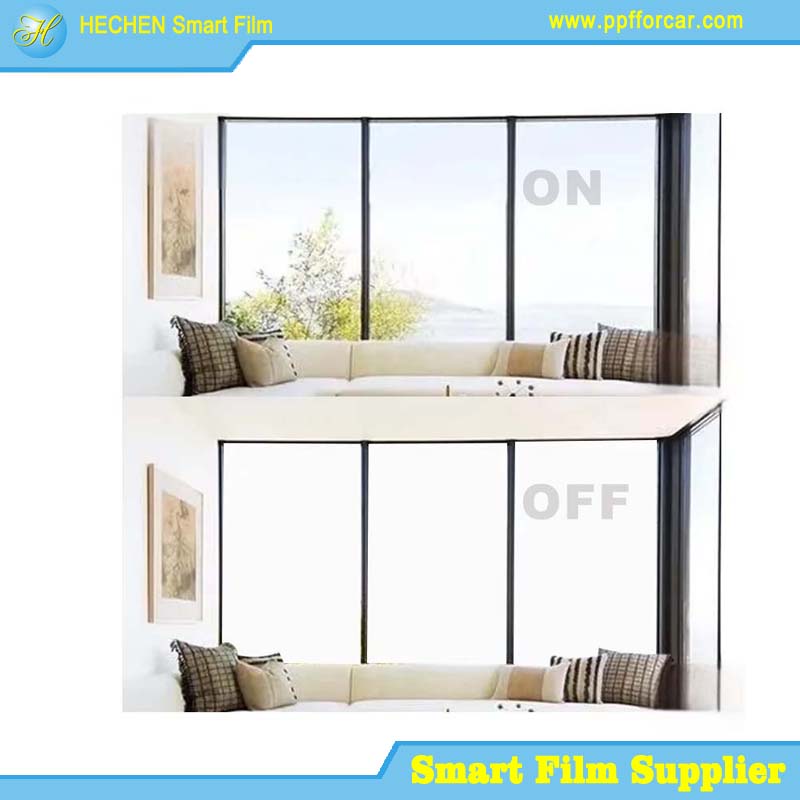
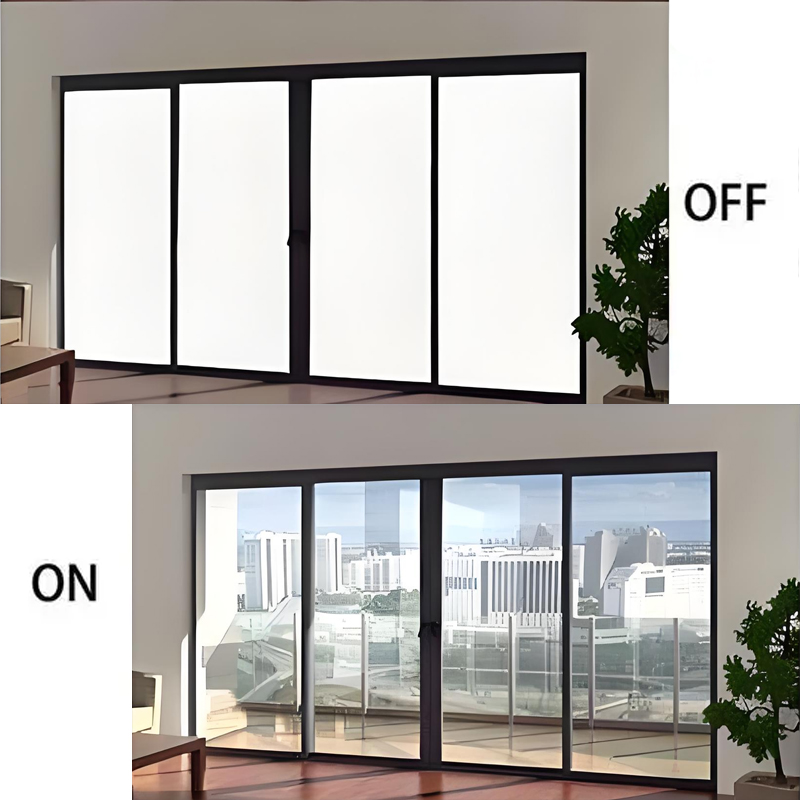
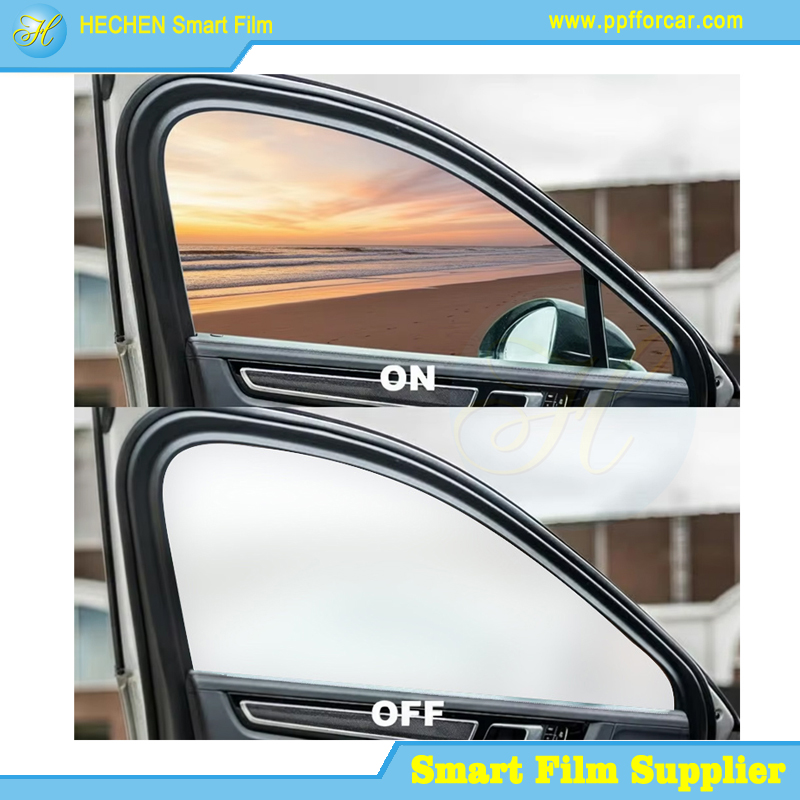
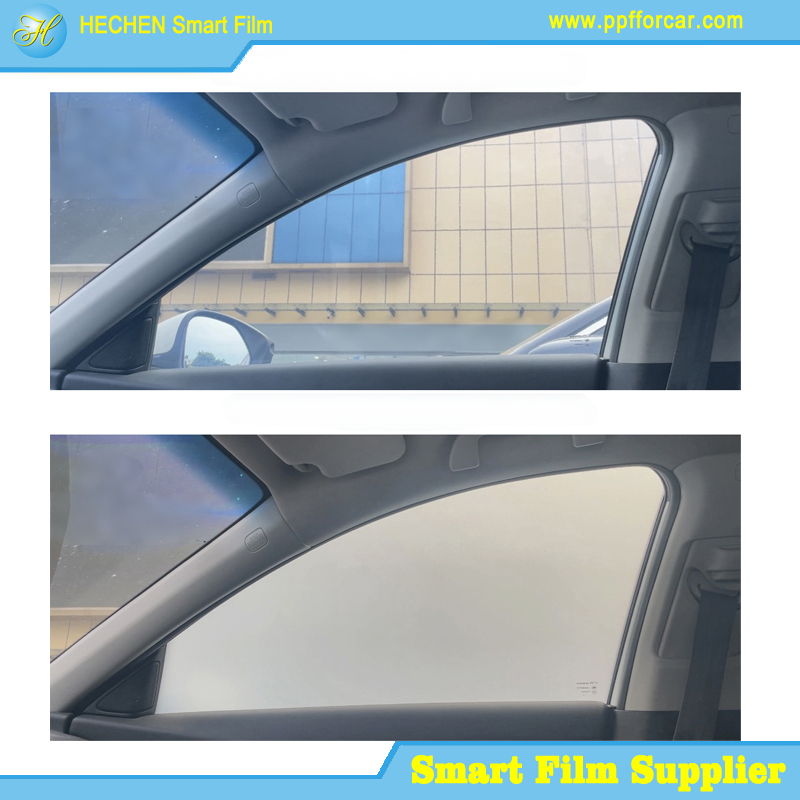
The modern automobile is no longer merely a mode of transportation; it is a sanctuary, a mobile office, and an extension of our personal space. As such, controlling the environment within this space has become paramount. Enter electric tint film, also known as smart glass or switchable film—a cutting-edge technology rapidly transitioning from luxury showpiece to sought-after automotive upgrade. Moving beyond the static darkness of traditional window tint, electric tint film offers dynamic control at the touch of a button. By applying a small voltage to a polymer-dispersed liquid crystal (PDLC) or similar layer sandwiched within the film, it can instantaneously shift from a frosted, opaque state to a transparent one. This functionality unlocks a suite of compelling advantages that enhance comfort, safety, health, and convenience. Here, we explore the five primary benefits of integrating electric tint film into your vehicle.
Unparalleled Thermal Management and Energy Efficiency
The most immediately tangible benefit of electric tint film is its profound impact on interior climate control. While all tints offer some heat rejection, electric tint film provides an active and adaptable solution.
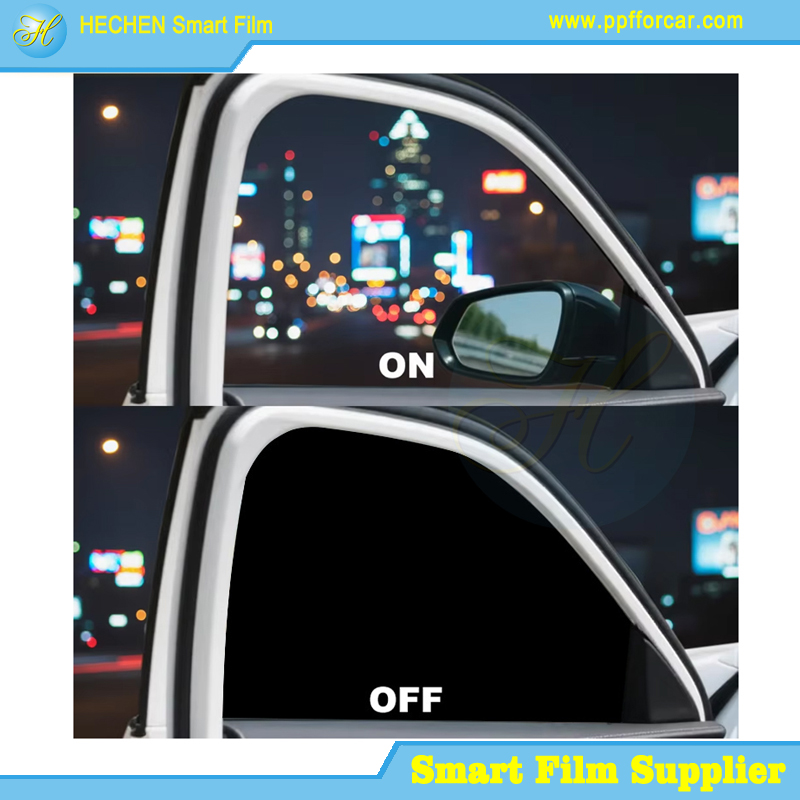
Dynamic Solar Heat Rejection: In its opaque or tinted state, the film acts as a formidable barrier against solar infrared radiation (IR), the primary component of the sun’s heat. By blocking up to 99% of IR rays, it significantly reduces the solar heat gain inside the cabin. This is not a fixed value, however. The user can modulate the tint level, allowing for precise control over heat intake. On a scorching summer day, activating the opaque state before exiting the vehicle can prevent the interior from becoming a greenhouse, reducing cabin temperatures by as much as 15-20°F compared to an untreated window.
Reduced HVAC Load and Enhanced EV Range: This pre-emptive cooling has a direct, positive impact on the vehicle’s energy consumption. With a cooler initial cabin temperature, the air conditioning system does not need to work as hard or as long to achieve a comfortable climate. This reduces strain on the compressor and, crucially, conserves battery power in electric vehicles (EVs). For EVs, where auxiliary loads like air conditioning directly impact driving range, intelligent use of electric tint can contribute to preserving precious battery capacity, potentially extending range by a meaningful margin on hot, sunny days. The film itself consumes a negligible amount of power—typically around 5 watts per square meter—making its operational efficiency exceptionally high.
Enhanced Privacy and Security On-Demand
Privacy is a premium commodity, especially in urban environments. Electric tint film provides a technological solution that is both elegant and instantaneous.
Instant Opaque Mode: With a simple command—via a switch, remote, or even smartphone integration—the windows can transform from clear to completely opaque. This is invaluable for multiple scenarios. It allows for discreet conversations within the vehicle, creates a private changing area, or simply shields valuables left on the seats from prying eyes. For high-profile individuals or those transporting sensitive equipment, this feature adds a layer of discreet security that traditional, permanently dark tints cannot match, as they can attract undue attention and often violate visibility laws when applied to the front side windows and windshield.
Versatile Functionality: The privacy function extends beyond security. For families with young children, it can instantly create a darkened, conducive environment for napping during daytime travel. For ride-share or chauffeur drivers, it can elegantly separate the passenger compartment from the driver, enhancing the professional service experience. The ability to switch back to full transparency ensures compliance with traffic laws, as the driver’s view and necessary outward visibility are never compromised during operation.
Superior UV Protection and Interior Preservation
Ultraviolet (UV) radiation from the sun is a silent aggressor, causing damage both to human skin and a vehicle’s interior materials. High-quality electric tint films are engineered to provide near-total UV blockage, irrespective of their transparent or opaque state.
Constant 99%+ UV Blocking: The laminated structure of the film typically includes UV-inhibiting layers that are always active. This means the cabin and its occupants are protected from the sun’s harmful UVA and UVB rays (up to 380-400 nm) whether the window appears clear or frosted. This is a critical health benefit, significantly reducing the risk of skin damage and conditions like photodermatitis for occupants during long drives.
Prevention of Interior Fading and Degradation: The relentless assault of UV rays is the primary cause of fading, cracking, and brittleness in automotive interiors. Dashboards, leather seats, door panels, and upholstery are all vulnerable. By blocking virtually all UV radiation, electric tint film acts as a permanent, proactive shield. This preserves the aesthetic appeal, tactile quality, and ultimately, the resale value of the vehicle by preventing the premature aging and discoloration of interior components. It is an investment in the vehicle’s long-term cosmetic and structural integrity.
Improved Safety and Glare Reduction
Safety is multifaceted, encompassing both crash integrity and the driver’s ability to perceive hazards clearly. Electric tint film contributes positively on both fronts.
Laminated Construction: Professionally installed electric tint is a multi-layered laminate, often incorporating tough polyester substrates. While not a replacement for factory-tempered glass, this construction can provide a minor safety benefit by helping to hold shattered glass together in the event of an impact, similar to the windshield’s safety laminate. More importantly, it can deter “smash-and-grab” thefts, as the adhesive layers make it more difficult for broken window glass to separate and create an access point.
Active Glare Elimination: Glare is a major, often underrated, driving hazard. It can come directly from the sun, reflected off other vehicles, or from bright headlights at night. The driver’s ability to modulate the tint level provides an active tool against this. A sudden low sun on the horizon or glare from a wet road can be mitigated by slightly increasing the tint on relevant windows (where legally permissible, typically the rear and sunroof), restoring visual clarity without the need for awkward visors or squinting. This reduces eye strain and fatigue on long journeys, keeping the driver more alert and comfortable.
Aesthetic Versatility and Technological Integration
Beyond pure functionality, electric tint film represents the convergence of smart technology and automotive design, offering a futuristic and customizable user experience.
Sleek, Modern Aesthetic: The seamless transition from clear to opaque has a undeniable “wow” factor. It elevates the vehicle’s interior ambiance, lending it a minimalist, high-tech appearance. The frosted white state in its opaque mode is often perceived as cleaner and more modern than traditional dark tints.
Advanced Integration and Control: Modern systems offer sophisticated control schemes. Integration with vehicle CAN bus systems allows for automated behaviors: windows could tint automatically when the car is parked, or the sunroof could adjust its opacity based on a sun sensor. Control can be decentralized with individual switches for each window, centralized via a master control panel, or even managed through a dedicated mobile app, allowing pre-conditioning of the cabin’s privacy and thermal state before even approaching the vehicle. This level of integration aligns perfectly with the trajectory of connected and autonomous vehicles, where the cabin environment is becoming increasingly configurable.
Conclusion
Electric tint film is far more than a novel gadget; it is a holistic automotive enhancement that addresses multiple core aspects of the driving and ownership experience. It moves environmental control from a reactive to a proactive discipline, managing heat and light intelligently to boost energy efficiency and comfort. It provides dynamic privacy without the drawbacks of permanent tint. It offers unwavering protection for both the health of occupants and the longevity of the vehicle’s interior. It contributes to safety by combating glare and adding a layer of structural integrity. Finally, it delivers a level of aesthetic and technological sophistication that redefines the relationship between driver, passenger, and vehicle.
As the technology matures, becomes more accessible, and integrates more deeply with vehicle electronics, its adoption is poised to grow. For the discerning driver or fleet manager looking to invest in comfort, protection, efficiency, and a touch of the future, electric tint film presents a compelling and multifaceted proposition, truly putting the control of the mobile environment at one’s fingertips.
For more about the five transformative benefits of electric tint film for car windows, you can pay a visit to Hechen PDLC Smart Film Manufacturers for more info.