The Future of Electric Tint Film for Car Windows
For decades, the electric tint film on car windows has been a static feature—a film applied, a darkness chosen, and a compromise struck between privacy, heat rejection, and visibility. The advent of electric tint film, or suspension particle device (SPD) and polymer-dispersed liquid crystal (PDLC) smart glass, has begun to shatter this paradigm, offering windows that transition from clear to dark at the flick of a switch. Yet, this is merely the nascent stage of a transformative technology. The future of electric tint film for automobiles is not just about variable opacity; it’s about the evolution of car windows into multifunctional, intelligent surfaces that redefine energy management, user experience, safety, and vehicle design.
The Current State: Foundations of Dynamic Control
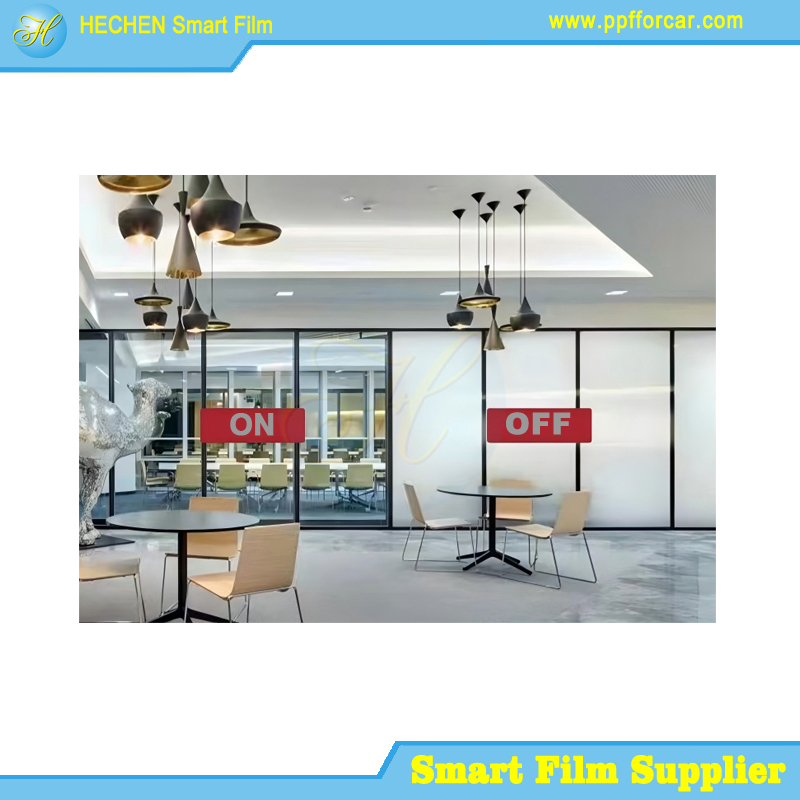
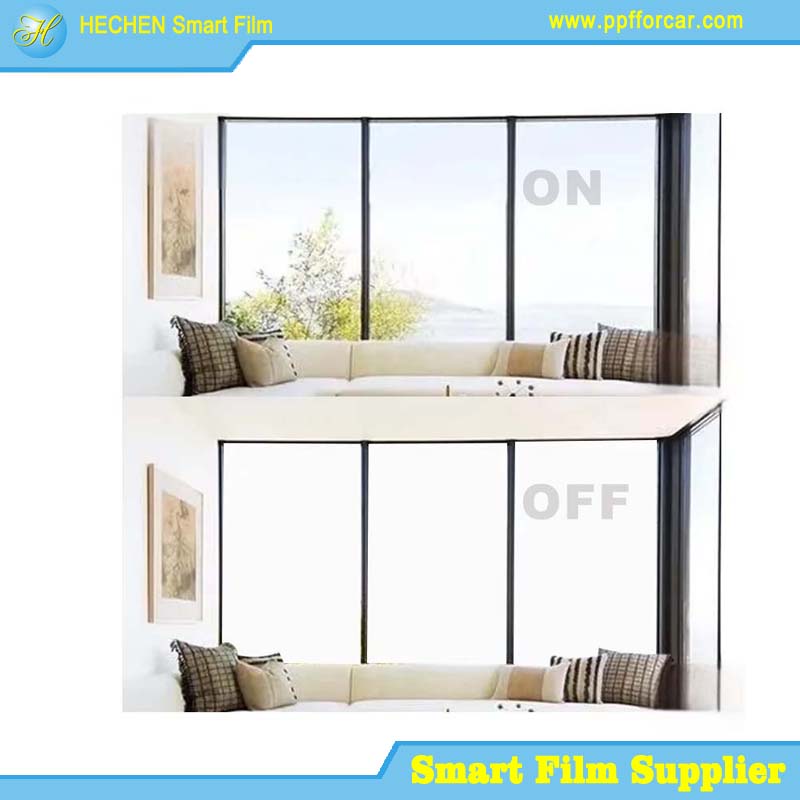
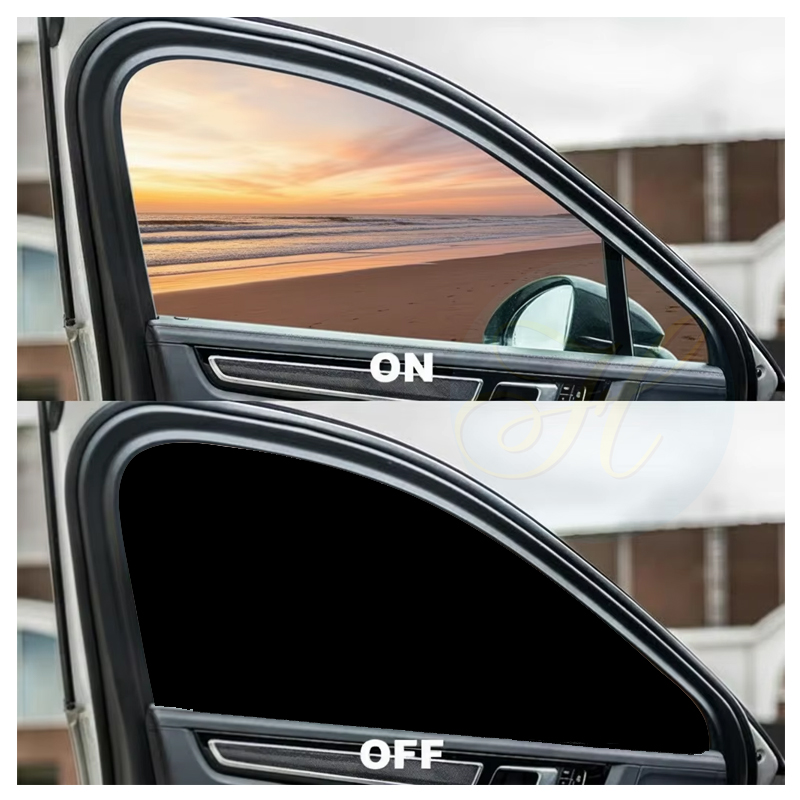
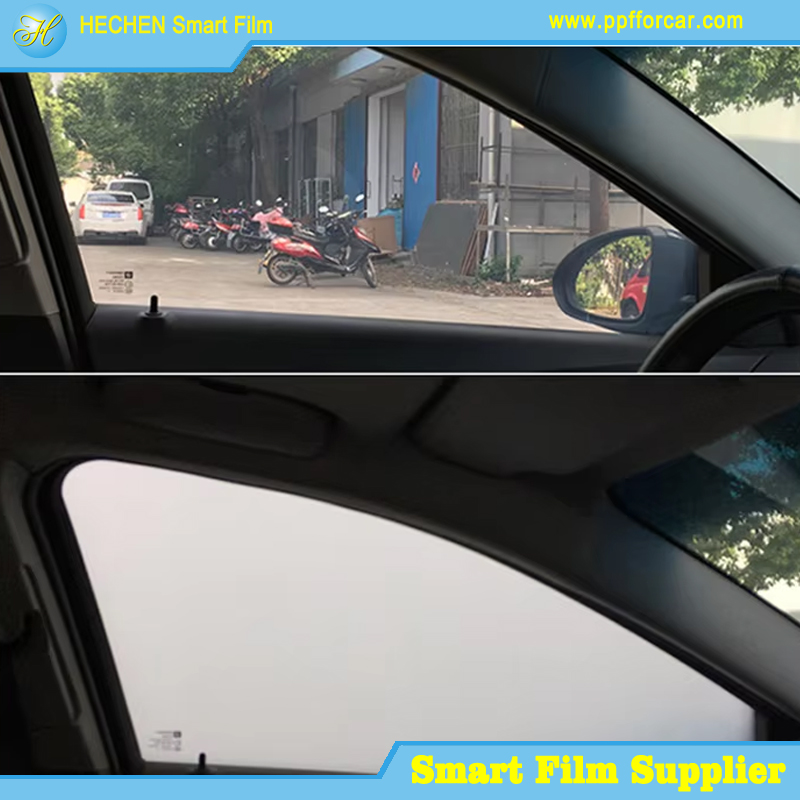
Today’s commercially available electric tint films operate on two primary technologies. SPD film contains microscopic light-absorbing particles suspended in a fluid. When an electric current is applied, these particles align, allowing light to pass; without current, they scatter randomly, blocking up to 99% of visible light and creating a deep blue or grey tint. PDLC film, often used for privacy partitions, contains liquid crystal droplets that scatter light in the "off" state (opaque white) and align to become transparent when powered.
In automotive applications, primarily in sunroofs and luxury vehicle partitions, these systems offer immediate benefits:
Dynamic Solar Control: Reducing infrared heat gain, enhancing air conditioning efficiency.
Glare Reduction: Improving driver comfort and safety.
On-Demand Privacy: Instantly shielding occupants.
However, limitations exist: power consumption (especially for SPD in its dark state), cost, the slight haze of PDLC, and the current inability to achieve intermediate, graduated tints with fine control.
The Near-Term Horizon: Material Science and Integration Advancements (3-7 Years)
The immediate future will be dominated by breakthroughs in material science and deeper vehicle integration, overcoming present shortcomings.
1. Next-Generation Electrochromic (EC) Materials: While traditional EC glass (which changes color via ionic movement) is slower and used in aircraft, new organic electrochromic polymers and metal-organic frameworks (MOFs) are being developed for film applications. These promise:
Faster Switching: Transitioning from clear to dark in under a second.
A Spectrum of Tints: Moving beyond binary states to offer a smooth, continuous gradient of opacity and even color choices (neutral grey, blue, bronze).
Lower Power Draw: Utilizing materials that are bistable, requiring energy only to change state, not to maintain it. This is crucial for electric vehicles (EVs) where every watt impacts range.
2. Hybrid and Multi-Functional Films: The future film will be a composite, layered system:
Photovoltaic Integration: Thin, transparent organic photovoltaic (OPV) layers could be embedded within the film stack. While partially powering the tint system itself, they could also trickle-charge the vehicle’s 12V battery, turning every window into a minor solar panel.
Advanced Thermal Management: Beyond visible light, future films will selectively target specific infrared (IR) wavelengths. Dynamic IR regulation would allow visible light in while blocking heat-producing IR rays in summer, and conversely, allowing passive solar heating in winter—a significant boost to HVAC efficiency.
Self-Powering Capabilities: Integration of transparent triboelectric nanogenerators (TENGs) could harvest energy from wind shear and vibrations on the window surface itself, creating a self-sustaining smart window system.
3. Seamless Vehicle Integration and Control: Control will evolve from manual switches to predictive, automated systems.
Sensor Fusion: Films will be governed by a network of in-cabin and external sensors—light, thermal, occupancy, and even driver gaze-tracking cameras. The car will automatically tint zones based on sun position, occupant presence, and driver glare.
Biometric Personalization: Paired with driver profiles, windows could auto-adjust to individual preferences for ambient light.
Vehicle-to-Everything (V2X) Data: Using GPS and real-time weather data, the car could preemptively tint windows based on the route’s sun exposure or forecasted conditions.
The Intelligent Ecosystem: Windows as Interactive Surfaces (5-10 Years)
Beyond shading, electric tint film will become a foundational component of the vehicle’s interactive and communicative skin.
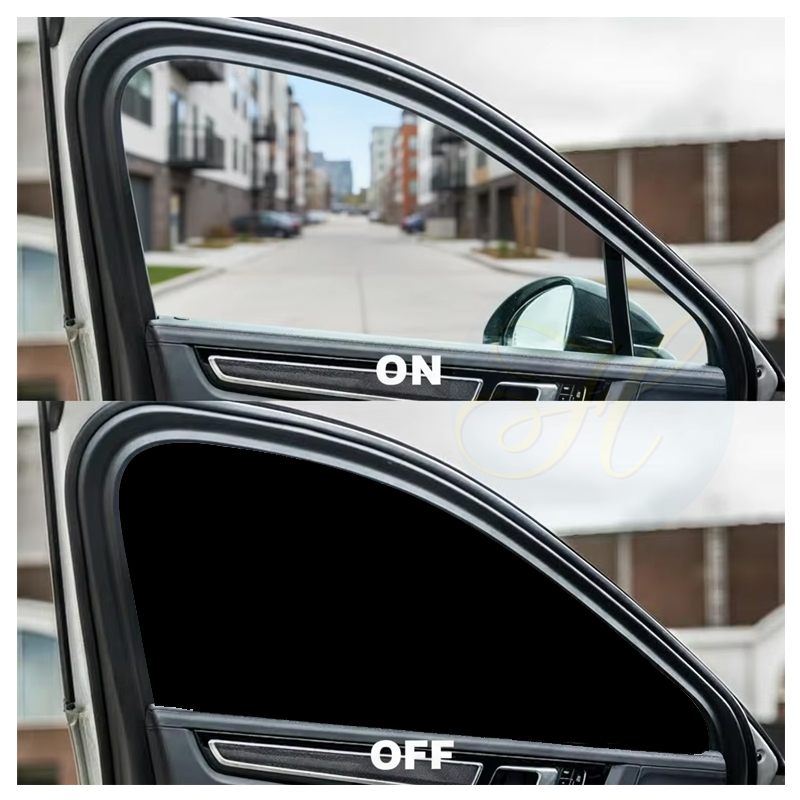
1. The HUD/AR Display Canvas: Future windshields and side windows will serve as augmented reality (AR) heads-up displays. High-resolution, transparent micro-LED or laser projection systems will require a dynamically controlled "screen." By darkening specific zones of the film (pixel-by-pixel or in segments), the film will provide the necessary contrast for projecting navigation arrows, speed data, or object highlights directly onto the real-world view, even in bright sunlight.
2. Communication and Safety Interfaces: The vehicle exterior will become communicative.
External Displays: Quarter windows or sections of rear glass could act as dynamic signage—displaying "Merging," "Child On Board," or emergency warnings to following traffic, enhancing safety.
Cyclist and Pedestrian Interaction: By integrating with external cameras, the film could create temporary, localized "viewports" in heavily tinted areas, allowing the driver to make clear eye contact with vulnerable road users, rebuilding a critical layer of non-verbal communication lost in today’s tinted and autonomous vehicle prototypes.
3. Privacy-Utility Paradigm for Robotaxis and Shared Mobility: In autonomous ride-sharing vehicles, interior partitions or windows could switch between:
Transparent Mode: For social verification upon entry.
Opaque Privacy Mode: During the journey.
Advertise/Infotainment Mode: Acting as a screen for passenger entertainment or displaying destination information, all on the same surface.
Long-Term Vision: The Morphable Automotive Shell (10+ Years)
The ultimate convergence will see electric tint technology merge with other surface technologies, dissolving the concept of a "window" entirely.
1. Structural Integration: Smart film will not be an applied layer but embedded within the laminate of structural glass or polycarbonate composites, becoming an intrinsic, weight-saving part of the vehicle’s body and safety structure.
2. Chameleon Cars and Brand Expression: With full-spectrum color control, vehicle exteriors could change color or display patterns for personalization, temperature regulation (light vs. dark colors), or brand-specific "skins." Your car’s appearance could be subscription-based or changeable via an app.
3. Synergy with Smart City Infrastructure: Connected to smart city grids, vehicles could optimize their tint collectively to reduce the urban heat island effect or, when parked, maximize photovoltaic energy harvesting, feeding power back to the grid.
Challenges on the Road Ahead
Realizing this future is not without significant hurdles:
Cost and Scalability: Bringingadvanced material science to mass-market affordability is the paramount challenge.
Durability and Automotive Certification: Films must withstand 15+ years of UV exposure, temperature extremes (-40°C to 85°C), abrasion, and chemical exposure while meeting stringent automotive safety glazing standards.
Power Management and Wiring Complexity: Integrating high-current, switched surfaces across the entire cabin adds weight and complexity. Wireless power transmission or bus-based smart wiring will be essential.
Cybersecurity and Privacy: A connected, software-defined window is a potential attack surface. Robust protocols will be needed to prevent malicious tinting or data breaches from occupant-detection sensors.
Conclusion
The future of electric tint film transcends mere sun shading. It is a journey toward multifunctional, intelligent automotive glazing that actively manages energy, enhances safety through communication and AR, personalizes the occupant experience, and redefines automotive aesthetics. As material science converges with connectivity, autonomy, and sustainable design, the car window will shed its passive role. It will become an active, adaptive interface between the occupant and the world, between the vehicle and its environment. The transition from static tint to dynamic, intelligent film represents not just an incremental upgrade, but a fundamental reimagining of one of the automobile’s most fundamental components—promising a future where our view of the road is clearer, safer, more comfortable, and seamlessly integrated into the connected mobility ecosystem.
For more about the future of electric tint film for car windows, you can pay a visit to Hechen PDLC Smart Film Manufacturers for more info.