The Main Sales Markets of Electric Tint Film for Car Windows
A Window into Smart Automotive Glazing
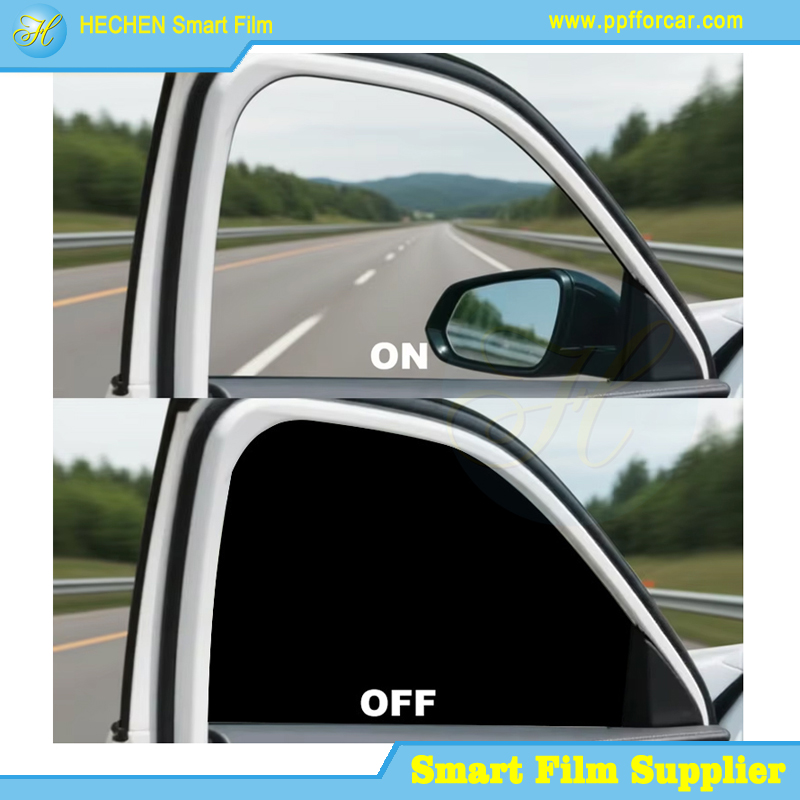
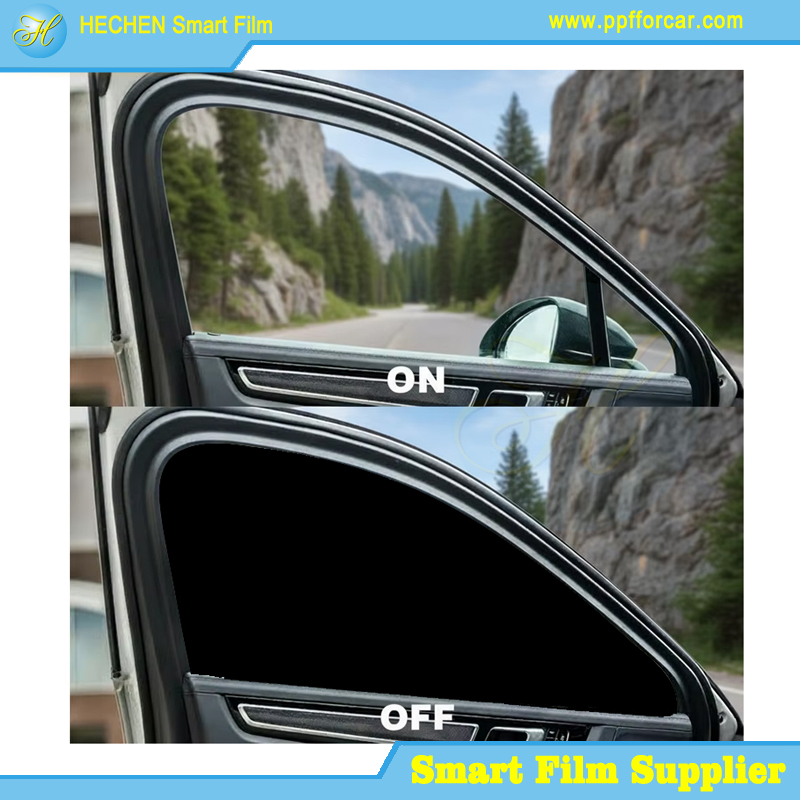
The automotive industry is undergoing a profound transformation, driven by electrification, connectivity, and an ever-increasing focus on passenger experience and energy efficiency. Within this evolution, a seemingly simple component—the window—is being reimagined. Electric tint film for car windows, also known as smart glass or switchable film, represents a cutting-edge technology that is moving from a high-end luxury novelty to a sought-after feature across multiple vehicle segments. This technology allows users to electronically control the tint of a vehicle's windows at the touch of a button, shifting from transparent to darkened states and various levels in between. This article explores the primary sales markets for this innovative product, examining the drivers, applications, and future potential within each segment.
The Core Technology: A Brief Overview
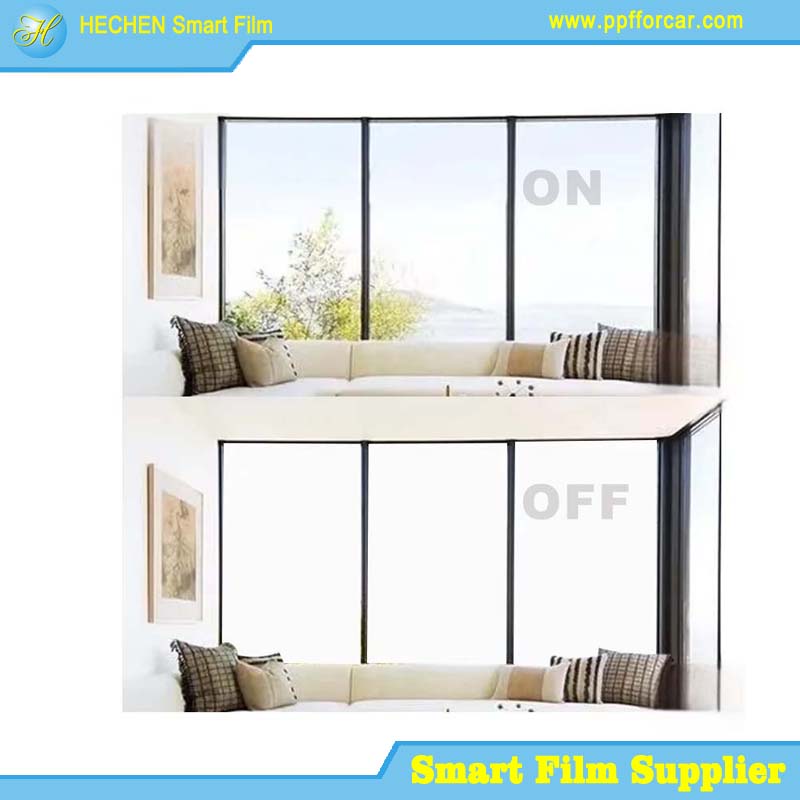
Electric tint film for automotive applications typically utilizes Suspended Particle Device (SPD) or Polymer Dispersed Liquid Crystal (PDLC) technology. In SPD films, microscopic light-absorbing particles align or randomize when an electric current is applied, changing the window's opacity. PDLC films scatter light when off (opaque, milky white) and become clear when powered. For automotive side and rear windows, SPD is often preferred as it offers a variable, seamless transition from clear to deep blue or black tint, providing superior glare and heat reduction.
The value proposition is multifaceted: privacy on demand, dynamic solar heat rejection (reducing air conditioning load and extending EV range), glare elimination, enhanced security, and a definitive "wow" factor. It is this combination of practical utility and aesthetic appeal that opens doors to diverse markets.
The Primary Market: Premium Passenger Vehicles & Luxury Mobility
This segment is the traditional and most established market for electric tint film.
High-End Luxury Sedans and SUVs: Brands like Mercedes-Benz (e.g., MAGIC SKY CONTROL), BMW, Audi, and Range Rover have offered electrochromic or SPD glass roofs and windows as optional extras for years. Here, the technology is a hallmark of luxury, customization, and comfort. The sales driver is the premium experience—creating a serene, private, and perfectly lit cabin environment.
Executive Chauffeur and Limousine Services: Privacy is a commodity. Electric tint film allows passengers to discreetly enter and exit vehicles in public view and travel with complete seclusion. The ability to instantly switch from a professional, transparent appearance to a fully darkened state is invaluable for VIP clients, corporate executives, and celebrities.
High-End Electric Vehicles (EVs): This is a rapidly growing sub-segment. Companies like Tesla, Lucid, and others are integrating smart glass not just for luxury but for efficiency. By significantly reducing thermal load, electric tint films help preserve battery capacity dedicated to climate control, directly contributing to improved range—a key performance metric for EVs. The synergy between smart glass and electric powertrains is a powerful sales argument.
The High-Growth Market: Commercial & Fleet Vehicles
Beyond luxury, the practical benefits of electric tint film are driving adoption in commercial sectors, where return on investment (ROI) is a critical factor.
Emergency and Law Enforcement Vehicles: Ambulances, police cars, and unmarked surveillance vehicles benefit immensely. Paramedics can darken windows for patient privacy and dignity during transport. Police can use clear windows for community visibility and instantly darken them for tactical operations or secure prisoner transport.
Cash-in-Transit and Security Vehicles: Enhanced security is paramount. Opaque windows conceal the interior and its contents from potential threats, while the driver's compartment can remain clear for visibility.
Ride-Hailing and Premium Taxi Services: Companies like Uber Black or Lyft Luxe can differentiate their service by offering passengers control over their window's tint for privacy or comfort, elevating the standard ride-hailing experience. It also offers drivers protection from direct sunlight during long shifts.
Public Transportation and Tourism: While cost-prohibitive for entire bus fleets currently, we see early adoption in premium tourist shuttles, airport limousine buses, and luxury coaches. The ability to control glare and heat on panoramic roofs and side windows enhances passenger comfort on long journeys.
The Retrofit and Aftermarket: A Democratizing Force
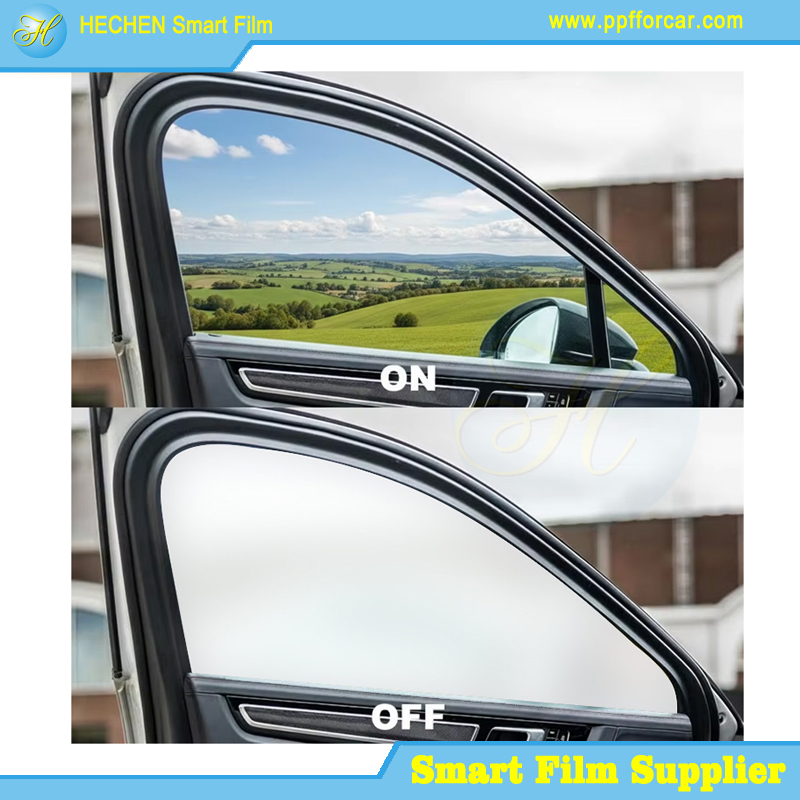
A significant and often overlooked sales market is the retrofit and aftermarket installation sector. This market democratizes the technology, making it accessible to owners of vehicles not originally equipped with smart glass.
Specialist Installers and Car Audio/Customization Shops: A network of certified installers is crucial. They cater to:
Enthusiasts and Individual Owners: Those seeking to upgrade their personal vehicles for comfort, style, or privacy.
Fleet Managers: Who wish to retrofit commercial vehicles (e.g., vans for sensitive equipment transport) without purchasing new fleets.
Converters: Companies that modify vehicles for wheelchair accessibility, mobile offices, or other specialized uses where privacy and climate control are important.
Online Retail and Distribution: Dedicated online platforms and distributors are emerging, selling film kits (film, controllers, wiring) directly to consumers and installers. This channel educates the market and lowers the barrier to entry.
Geographic Market Dynamics
Market penetration and growth rates vary significantly by region.
North America & The Middle East: These are leading markets due to high ambient temperatures, intense sunlight, strong purchasing power, and a culture of automotive customization. The heat-rejection benefit is a primary sales driver.
Europe: Adoption is strong in the luxury segment and is growing due to increasing focus on in-car comfort and the rapid uptake of premium EVs. Stricter data privacy regulations (like GDPR) also indirectly fuel demand for in-vehicle privacy solutions.
Asia-Pacific: This is the fastest-growing market. China's booming premium EV sector and tech-savvy consumer base are major drivers. In regions like Southeast Asia and India, the extreme climate makes the heat rejection feature highly attractive, though cost sensitivity remains a challenge for mass adoption.
Challenges and Future Market Catalysts
For the market to expand further, several hurdles must be addressed:
Cost: Manufacturing costs, while decreasing, remain high compared to traditional tinting. This confines it largely to premium segments.
Power Consumption & Integration: While a net positive for HVAC energy use, the film itself requires power. Seamless integration with vehicle electrical systems, especially in retrofit scenarios, is an engineering consideration.
Durability and Warranty: Long-term exposure to UV, extreme temperatures, and mechanical stress (from window mechanisms) must be assured. Robust warranties are essential for consumer confidence.
Regulatory Compliance: Films must meet regional standards for visible light transmission (VLT) in the driver and passenger compartments for safety.
Future catalysts for market expansion include:
Technology Advancements: Development of lower-cost, more durable films with faster switching times and lower power draw.
Integration with Smart Ecosystems: Linking window tint to GPS (auto-tinting when parked in the sun), biometric sensors (tinting based on occupant preference), or vehicle telematics.
OEM Partnerships: Wider adoption as a standard or common option by mainstream automakers, driven by the EV efficiency imperative.
Conclusion
The sales market for electric tint film for car windows is no longer a monolithic entity focused solely on luxury. It has bifurcated and expanded. The primary luxury segment continues to grow, fueled by experiential demands and EV integration. Simultaneously, the commercial and fleet segment is rising rapidly, driven by tangible, mission-specific ROI in privacy, security, and operator comfort. Underpinning both is the vibrant aftermarket, bringing flexibility and accessibility.
As the technology matures, costs decline, and its benefits—particularly in energy efficiency for EVs—become more pronounced, electric tint film is poised to transition from an exclusive option to a desirable, functional feature across the global automotive landscape. It is a clear example of how smart materials are reshaping the fundamental components of the automobile, turning passive windows into active, intelligent interfaces between the occupant and the outside world.
For more about the main sales markets of electric tint film for car Windows, you can pay a visit to Hechen PDLC Smart Film Manufacturers for more info.