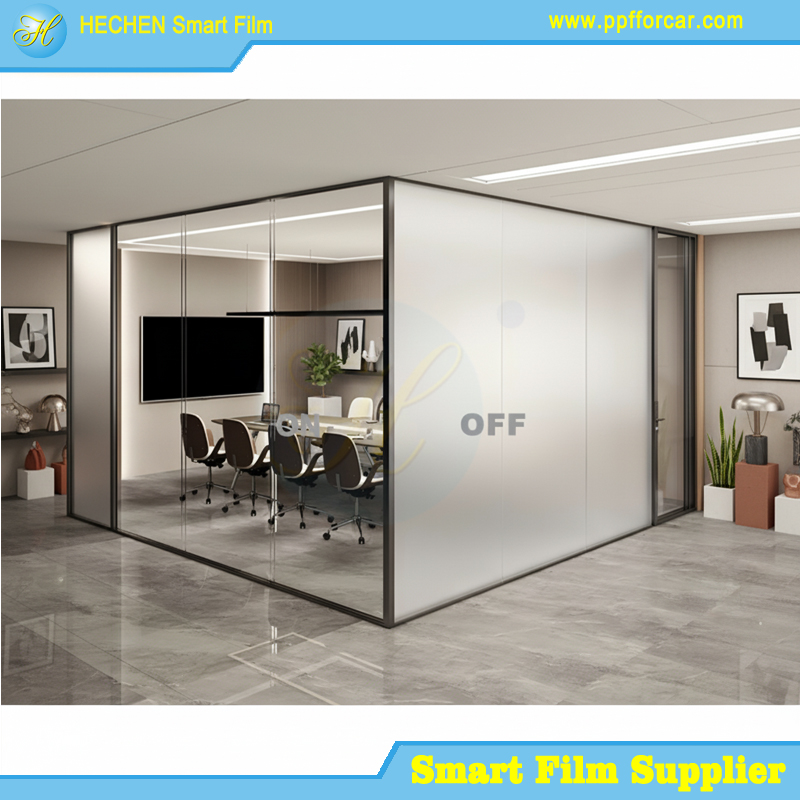
Unbreakable Beauty: Ensuring Electric Car Window Tint Stability from -30°C to 80°C+
The integration of window tinting in electric vehicles (EVs) transcends aesthetic appeal, entering the realm of critical functional performance. This article delves into the formidable challenges of maintaining electric car window tint film integrity across extreme thermal cycles (-30°C to 80°C+), prolonged high-humidity exposure, and intense ultraviolet (UV) radiation. We explore the material science behind advanced nanocomposite films, adhesive technologies, and rigorous testing protocols that collectively ensure long-term performance without degradation, discoloration, bubbling, or delamination.
The Elevated Stakes for EV Window Tint
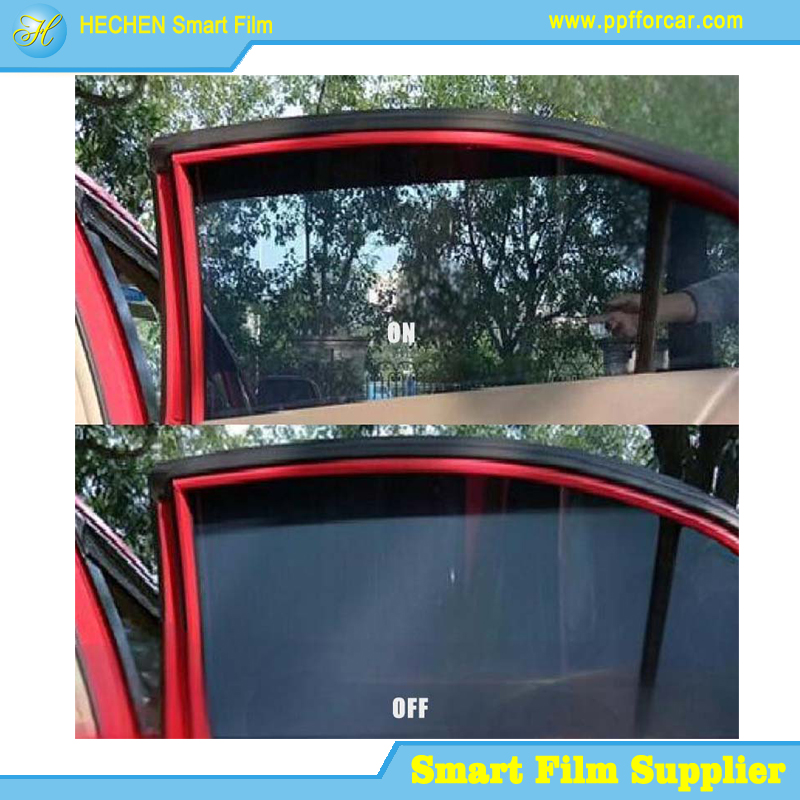
Window tinting for modern electric vehicles is not merely a cosmetic upgrade. It serves vital functions: reducing solar heat gain to minimize cabin thermal load (directly impacting range by reducing air conditioning energy draw), protecting sensitive interior electronics and materials from UV degradation, enhancing occupant privacy and safety, and contributing to overall comfort. However, the operational environment for an EV can be exceptionally demanding. A vehicle might be charged in direct summer sun, pushing window surface temperatures well above 80°C, then travel to a frigid climate where temperatures plunge below -30°C. Concurrently, humidity, condensation, and relentless UV attack pose continuous threats. Failure modes—such as bubbling, purple discoloration, adhesive haze, or edge lift—are unacceptable. This article addresses the core question: How can technology guarantee the stability of EV window tint under such punishing multi-stress conditions?
The Tripartite Challenge: Thermal Extremes, Humidity, and UV
1. Thermal Stress: The Expansion/Contraction Dilemma
The primary mechanical challenge is the differential coefficient of thermal expansion (CTE) between the polyester-based tint film, the pressure-sensitive adhesive (PSA), and the glass substrate. During thermal cycling:
At High Temperatures (80°C+): Materials expand. If the film or adhesive softens excessively, it can initiate creep, leading to gradual slippage, edge lifts, or microscopic voids that become bubbles. The adhesive's cohesive strength must remain high.
At Low Temperatures (-30°C and below): Materials contract sharply. The film becomes less pliable, and the adhesive turns rigid. This induces immense shear and peel stresses at the bond line. A brittle adhesive or a poorly engineered film can crack, lose adhesion, or delaminate internally.
2. Humidity and Moisture Ingression
High humidity, condensation, and water immersion (during washing) threaten the adhesive interface. Moisture can:
Plasticize the Adhesive: Weakening its bond strength and reducing its glass transition temperature (Tg).
Cause Hydrolysis: Degrading certain adhesive polymers over time.
Promote Interfacial Failure: Water can creep between the adhesive and the glass/film, breaking the chemical and physical bonds, leading to foggy appearance or complete failure.
3. Ultraviolet Radiation: The Silent Degrader
Solar UV radiation (290-400 nm) carries high photon energy capable of breaking chemical bonds. For window tint:
Dye-Based Films: Low-quality dyes undergo photochemical reactions, leading to fading (loss of color) or a shift to an undesirable purple/blue hue.
Adhesive and Film Matrix: UV can cause oxidation and embrittlement of the polyester film and the adhesive, causing them to yellow, lose elasticity, and crack. This weakens the entire laminate structure.
Material Science Solutions: Building an Unyielding Laminate
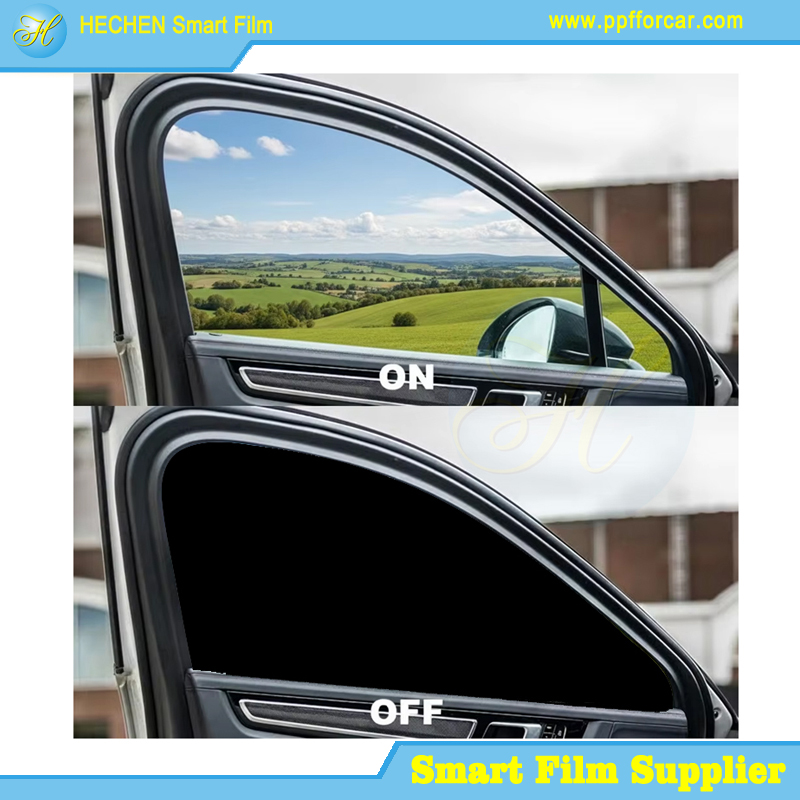
Overcoming these challenges requires innovation at every layer of the electric car window tint film construct.
1. The Film Substrate: Beyond Ordinary Polyester
Optically Clear, Stabilized Polyester (PET): High-quality films use multi-layered, tensilized PET with exceptional dimensional stability. UV absorbers and hindered amine light stabilizers (HALS) are embedded within the polymer matrix, not just coated on, to provide lifelong protection against yellowing and embrittlement.
Ceramic, Nano-Ceramic, and Carbon-Based Technology: The performance layer (for heat rejection) moves away from unstable metals or dyes. Sputtered titanium, silicon, or other ceramic nanoparticles embedded in a durable matrix are inherently inert. They do not oxidize, corrode, or fade because their performance is based on interference and absorption physics, not organic chemistry.
2. The Heart of Reliability: Advanced Pressure-Sensitive Adhesives (PSA)
The adhesive is the most critical component. Modern solutions include:
Cross-Linked Polymer Systems: Acrylic-based PSAs are engineered with cross-linking agents. This creates a three-dimensional polymer network that dramatically improves creep resistance at high temperatures, maintains elasticity at low temperatures, and provides exceptional resistance to plasticization by humidity.
High Tg Adhesives: Formulating adhesives with a higher glass transition temperature ensures they remain in a glassy, strong state across the operational range, preventing softening.
Primerless Technology: Advanced PSAs are designed to form covalent bonds directly with the glass surface (silanol coupling), creating a moisture-resistant interface that is far superior to older systems requiring a separate primer.
3. Protective and Functional Coatings
Hard Coat: A scratch-resistant, often ceramic-enhanced, outer layer protects the film surface.
UV Inhibitor-Rich Top Coat: An additional surface layer saturated with UV absorbers acts as the first line of defense, shielding the adhesive and performance layers.
The Manufacturing and Installation Quality Chain
Technology alone is insufficient; precision is key.
Controlled Manufacturing Environment: Lamination of film, adhesive, and coatings must occur in a cleanroom to prevent dust inclusion, which becomes a nucleation point for bubbles.
Precision Installation: The "wet-installation" method must be executed with deionized water and squeegged with absolute precision to eliminate all moisture beneath the film. Proper edge trimming and sealing are crucial to prevent moisture ingress channels.
Accelerated Life Testing: Proving Long-Term Stability
Reputable manufacturers validate their products through brutal accelerated testing protocols that simulate years of abuse in weeks or months.
Thermal Cycling: Samples cycle between -40°C and 90°C (or higher) for hundreds of cycles.
Damp Heat Testing: Prolonged exposure to 85°C and 85% Relative Humidity tests moisture resistance.
Xenon Arc Weatherometry: Thousands of hours under intense, full-spectrum light (including UV), with controlled temperature and water spray, simulate years of solar exposure. Post-test, samples are inspected for color shift (measured by Delta E), haze, adhesion (measured in grams-per-inch peel force), and visual defects.
QUV Testing: Specific UV exposure testing to target polymer degradation mechanisms.
Boil Test: A practical, severe test where a installed sample is submerged in boiling water for 30-60 minutes, immediately revealing weaknesses in adhesion and lamination.
Conclusion and Recommendations for Assurance
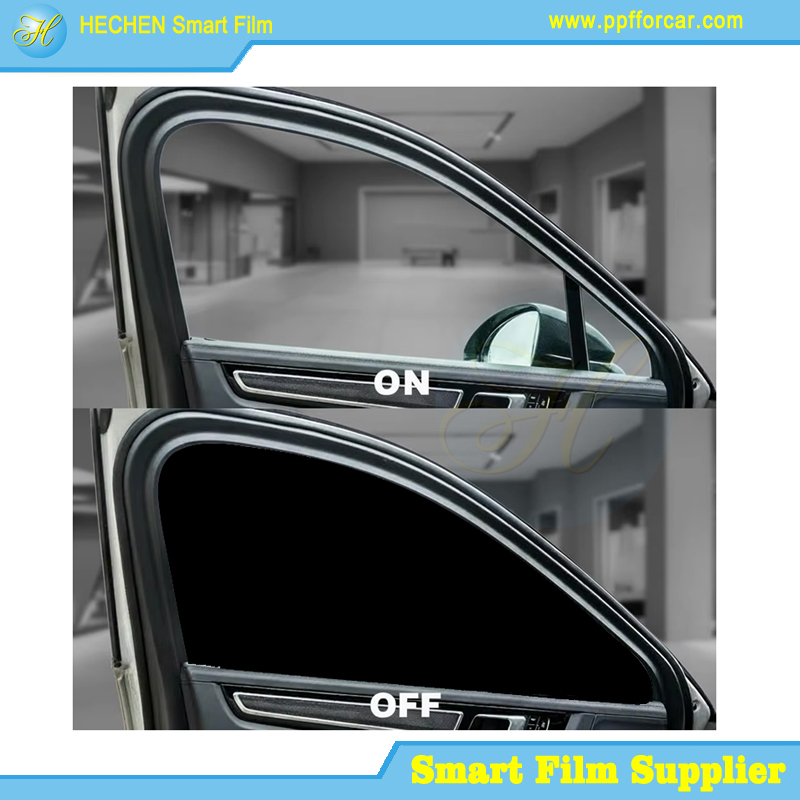
For EV owners and manufacturers seeking guaranteed performance, the answer lies in selecting products engineered for this specific duty cycle.
Key Selection Criteria:
Technology: Choose films utilizing ceramic/nanoceramic or stable carbon nanoparticles for spectral performance. Avoid cheap dyed or metallized films.
Manufacturer Specifications: Look for explicit warranties and technical data sheets listing performance across the required temperature range and long-term UV stability (e.g., "color-stable lifetime warranty," "tested to SAE J2527").
Professional Installation: The finest film can fail if poorly installed. Use certified installers experienced with EVs and their specific glass types (often with embedded antennas and coatings).
Warranty: A robust, transferable lifetime warranty that specifically covers fading, bubbling, and delamination is the manufacturer's testament to their product's resilience.
The window tint on an electric vehicle is a permanent, functional component. Through sophisticated material science—encompassing stabilized polymers, cross-linked adhesives, and inert ceramic nanoparticles—coupled with ruthless quality validation, modern high-performance films are unequivocally engineered to deliver unbreakable beauty and functionality from the Arctic chill to the desert blaze, for the life of the vehicle.
For more about unbreakable beauty: ensuring electric car window tint stability from -30°C to 80°C+, you can pay a visit to Hechen PDLC Smart Film Manufacturers for more info.