Vehicle-Mounted PDLC Dimming Film: Revolutionizing Automotive Design and Functionality
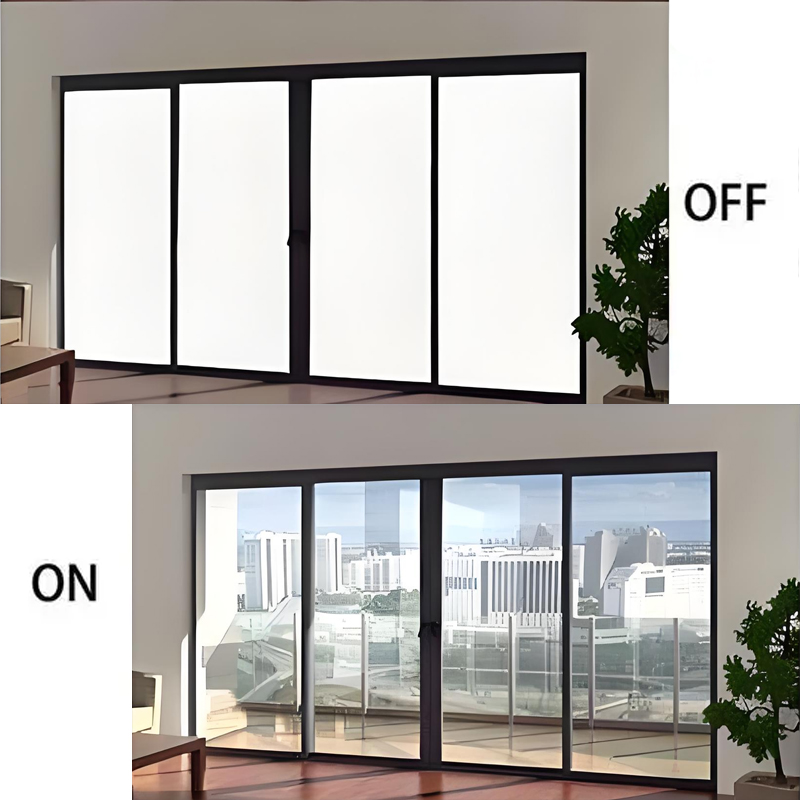
Polymer Dispersed Liquid Crystal (PDLC) dimming film is an innovative smart material that is transforming the automotive industry. This technology, often referred to as "smart glass" or "switchable glass," allows vehicle windows, sunroofs, and other transparent surfaces to transition from transparent to opaque at the flick of a switch or the press of a button. By integrating PDLC dimming film into vehicles, manufacturers are enhancing privacy, comfort, energy efficiency, and aesthetic appeal. This article explores the science behind PDLC dimming film, its applications in vehicle design, the benefits it offers, the challenges of implementation, and its potential to shape the future of automotive technology.
What is PDLC Dimming Film?
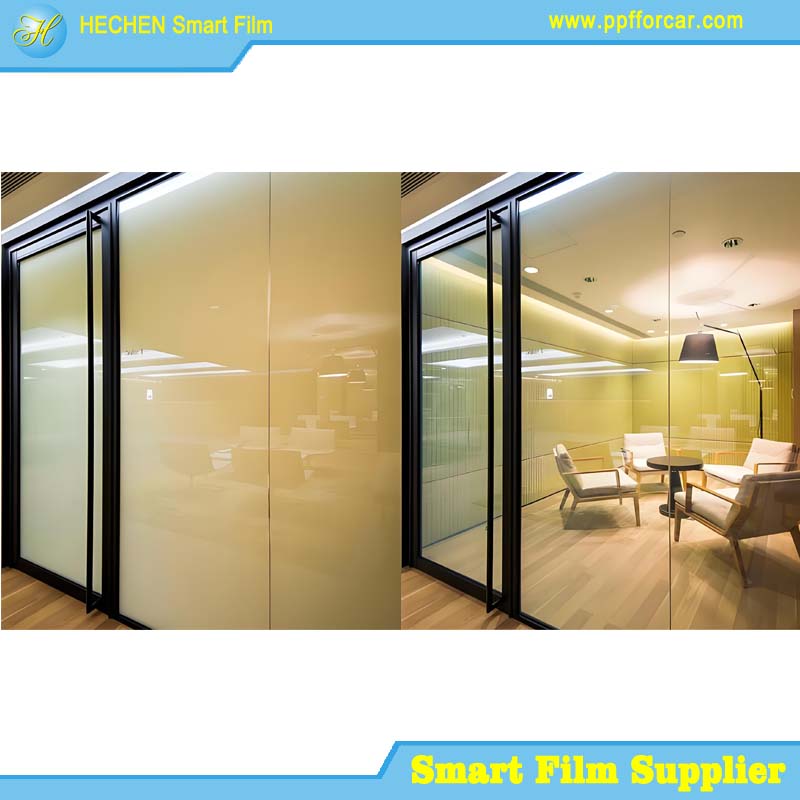
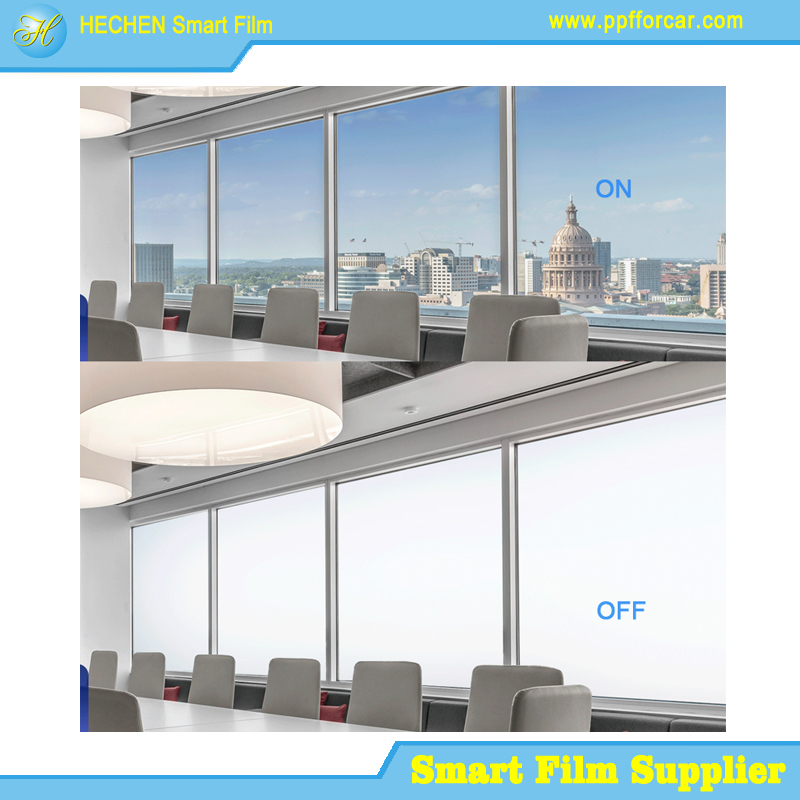
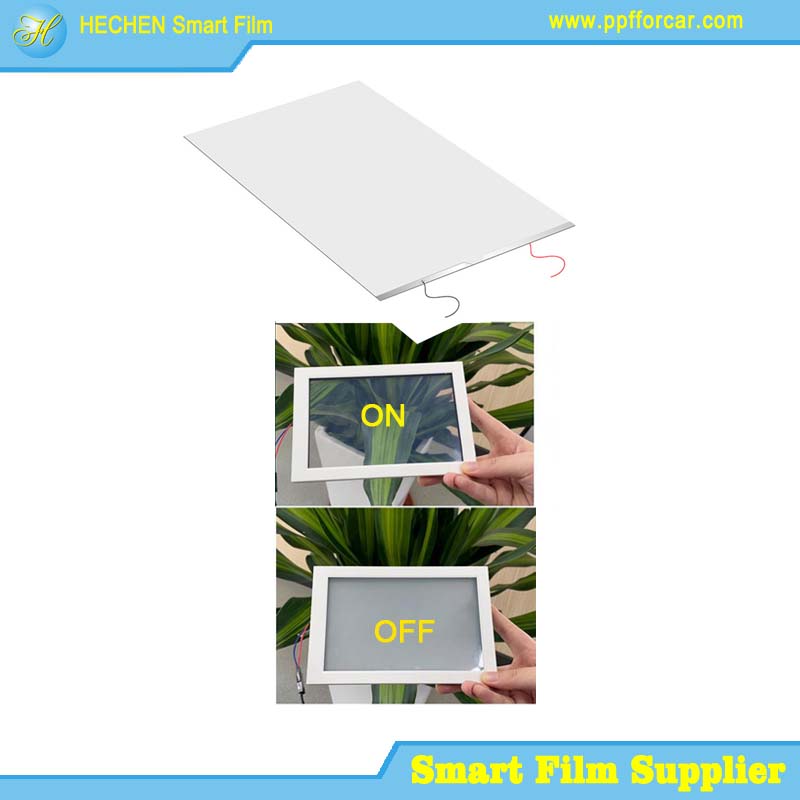
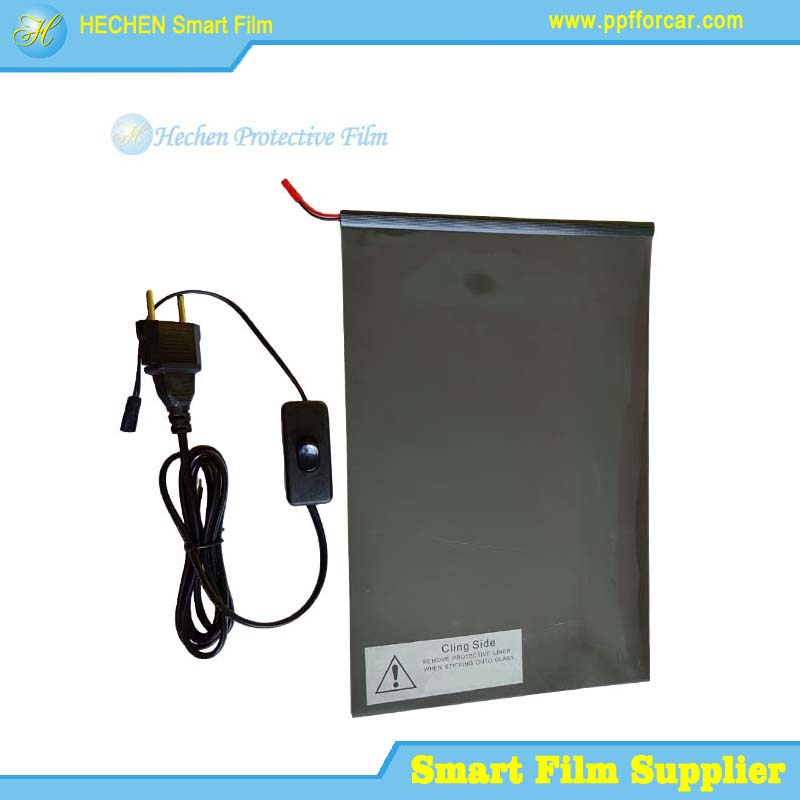
PDLC dimming film is a thin, flexible layer that consists of a polymer matrix embedded with liquid crystal droplets. When an electric current is applied, the liquid crystals align to allow light to pass through, rendering the film transparent. When the current is turned off, the liquid crystals scatter light, making the film opaque or translucent. This switchable property enables PDLC film to control light transmission and privacy levels dynamically.
The film is typically laminated between two layers of glass or applied to existing transparent surfaces, making it suitable for vehicle windows, sunroofs, and even interior partitions. Unlike traditional tinting methods, which are static and offer fixed levels of opacity, PDLC dimming film provides real-time adjustability, allowing drivers and passengers to customize their environment based on preference or external conditions.
How PDLC Dimming Film Works
The functionality of PDLC dimming film relies on the behavior of liquid crystals within the polymer matrix. In its default state (off), the liquid crystals are randomly oriented, scattering light and creating an opaque appearance. When voltage is applied, the electric field aligns the liquid crystals, allowing light to pass through with minimal scattering, resulting in transparency. This process is instantaneous, typically taking milliseconds, and requires minimal power to maintain.
The film can be controlled manually via switches, touch panels, or smartphone apps, or integrated with sensors to adjust automatically based on ambient light, temperature, or user settings. Advanced PDLC systems can also offer variable opacity, enabling partial tinting for a gradient effect.
Applications in Vehicles
PDLC dimming film is finding a wide range of applications in the automotive sector, enhancing both functionality and user experience. Below are some key uses:
1. Windows and Sunroofs
PDLC film is commonly applied to side windows and sunroofs to provide adjustable tinting. Drivers can switch the windows from transparent to opaque to reduce glare, enhance privacy, or block UV rays. For example, a driver might prefer transparent windows during scenic drives but switch to opaque for privacy in urban settings or at night.
2. Interior Partitions
In luxury vehicles, limousines, or autonomous cars, PDLC film is used for interior partitions, such as those separating the driver from passengers. This allows for dynamic control of visibility, enabling open communication or private spaces as needed.
3. Heads-Up Displays (HUDs)
PDLC film can serve as a projection surface for heads-up displays, providing a clear backdrop for displaying navigation, speed, or safety information. The film’s ability to switch to a translucent state ensures optimal visibility for projected content.
4. Skylights and Panoramic Roofs
Panoramic sunroofs equipped with PDLC film allow passengers to enjoy unobstructed views while controlling light and heat ingress. This is particularly valuable in electric vehicles (EVs), where energy efficiency is a priority.
5. Commercial and Specialty Vehicles
PDLC film is used in buses, ambulances, and delivery vans to enhance privacy and security. For instance, ambulances can use PDLC film to shield patients from external view, while delivery vans can protect valuable cargo from prying eyes.
Benefits of PDLC Dimming Film in Vehicles
The integration of PDLC dimming film into vehicles offers numerous advantages, making it a compelling choice for manufacturers and consumers alike.
1. Enhanced Privacy and Security
PDLC film allows drivers and passengers to control visibility instantly, providing privacy on demand. This is particularly valuable in high-traffic areas or when parked, reducing the risk of theft or unwanted attention.
2. Improved Comfort
By reducing glare and blocking UV rays, PDLC film creates a more comfortable interior environment. Passengers can enjoy natural light without the discomfort of excessive heat or brightness, improving the overall driving experience.
3. Energy Efficiency
PDLC film contributes to energy savings by reducing the need for air conditioning. By blocking infrared radiation in its opaque state, the film minimizes heat buildup inside the vehicle, which is especially beneficial for EVs, where battery efficiency is critical.
4. Aesthetic Appeal
The sleek, modern appearance of PDLC-equipped glass enhances the vehicle’s aesthetic. The ability to switch between transparent and opaque states adds a futuristic, high-tech vibe, appealing to consumers seeking premium features.
5. Customization and Versatility
Unlike static window tints, PDLC film offers customizable opacity levels, allowing users to tailor light transmission to their preferences. This versatility makes it suitable for a wide range of vehicles, from compact cars to luxury SUVs.
6. Safety Benefits
PDLC film can reduce distractions caused by glare, improving driver focus and safety. Additionally, in the event of an accident, the film’s lamination strengthens glass, reducing the risk of shattering.
Challenges and Limitations
Despite its advantages, PDLC dimming film faces several challenges that must be addressed for widespread adoption in the automotive industry.
1. Cost
PDLC film is more expensive than traditional window tinting or static glass solutions. The cost of materials, manufacturing, and installation can be a barrier, particularly for budget-conscious consumers or manufacturers producing entry-level vehicles.
2. Power Consumption
While PDLC film requires minimal power to maintain transparency, it still relies on a vehicle’s electrical system. In EVs, where energy efficiency is paramount, even small power demands can impact battery range, requiring careful integration.
3. Durability and Longevity
Automotive environments expose PDLC film to extreme temperatures, UV radiation, and mechanical stress. Ensuring the film’s durability over the vehicle’s lifespan is critical to maintaining performance and appearance.
4. Regulatory Compliance
Vehicle window tinting is subject to strict regulations in many countries, with limits on light transmission for safety reasons. PDLC film must comply with these standards in both transparent and opaque states, which can complicate design and implementation.
5. Complexity of Installation
Applying PDLC film to curved or irregularly shaped vehicle windows requires precision and expertise. Improper installation can lead to defects, such as air bubbles or uneven tinting, affecting performance and aesthetics.
Current Market Trends
The adoption of PDLC dimming film in vehicles is gaining momentum, driven by advancements in material science and growing consumer demand for smart, connected vehicles. Several trends are shaping its integration:
1. Rise of Electric and Autonomous Vehicles
EVs and autonomous vehicles are driving demand for energy-efficient and innovative features. PDLC film aligns with these trends by offering energy savings and enhancing the passenger experience in self-driving cars, where privacy and comfort are paramount.
2. Luxury Vehicle Segment
High-end brands like Tesla, Mercedes-Benz, and BMW are incorporating PDLC film into their vehicles to differentiate their offerings. For example, Tesla’s Model Y and Cybertruck feature large glass surfaces that could benefit from PDLC technology.
3. Smart Integration
PDLC film is increasingly integrated with vehicle infotainment systems, allowing control via voice commands, touchscreens, or mobile apps. This seamless integration enhances user convenience and aligns with the trend toward connected vehicles.
4. Sustainability Focus
As automakers prioritize sustainability, PDLC film’s ability to reduce energy consumption aligns with eco-friendly design goals. Research into recyclable or biodegradable PDLC materials is also underway to further enhance its environmental credentials.
Future Prospects
The future of vehicle-mounted PDLC dimming film is promising, with ongoing innovations poised to overcome current limitations and expand its applications.
1. Cost Reduction
Advances in manufacturing techniques, such as roll-to-roll processing, are expected to lower the cost of PDLC film, making it more accessible for mass-market vehicles. Economies of scale as adoption grows will further drive down prices.
2. Improved Performance
Researchers are developing PDLC films with enhanced durability, wider temperature tolerance, and faster switching speeds. Next-generation films may also offer improved clarity in the transparent state and deeper opacity when off.
3. Integration with Emerging Technologies
PDLC film could be combined with other smart technologies, such as electrochromic glass, augmented reality displays, or photovoltaic layers, to create multifunctional surfaces. For example, PDLC-equipped windows could double as solar panels, generating energy for the vehicle.
4. Autonomous Vehicle Interiors
As autonomous vehicles become more prevalent, PDLC dimming film will play a key role in creating adaptable, private, and immersive cabin environments. Passengers could transform their surroundings into a private office, entertainment hub, or relaxation space with the touch of a button.
5. Regulatory Evolution
As PDLC technology becomes more common, regulatory bodies may update tinting laws to accommodate its dynamic nature. This could involve new standards for switchable glass, ensuring safety while enabling innovation.
Case Studies
1. Tesla’s Panoramic Glass Roof
Tesla has explored PDLC technology for its panoramic glass roofs, allowing drivers to control light and heat ingress. This enhances the driving experience while maintaining the sleek, minimalist design that Tesla is known for.
2. Mercedes-Benz S-Class Partitions
The Mercedes-Benz S-Class uses PDLC film in its interior partitions, offering passengers the ability to switch between open and private configurations. This feature caters to luxury buyers seeking exclusivity and comfort.
3. Public Transit Applications
Some modern buses and trains have adopted PDLC film for windows and partitions, providing passengers with privacy and reducing the need for curtains or blinds. This improves aesthetics and reduces maintenance costs.
Conclusion
Vehicle-mounted PDLC dimming film represents a significant leap forward in automotive design, offering a blend of functionality, aesthetics, and innovation. Its ability to provide adjustable privacy, enhance comfort, and improve energy efficiency makes it a valuable addition to modern vehicles. While challenges such as cost and regulatory compliance remain, ongoing advancements in materials and manufacturing are paving the way for broader adoption. As the automotive industry continues to evolve toward electrification, autonomy, and connectivity, PDLC dimming film is poised to play a central role in shaping the vehicles of tomorrow. Whether in luxury cars, electric vehicles, or public transit, this technology promises to redefine how we interact with our automotive environments, blending cutting-edge science with practical benefits.
For more about the vehicle-mounted PDLC dimming film: revolutionizing automotive design and functionality, you can pay a visit to Hechen PDLC Smart Film Manufacturers for more info.