What material is used for the self-adhesive layer of the dimming film and what is its adhesion?
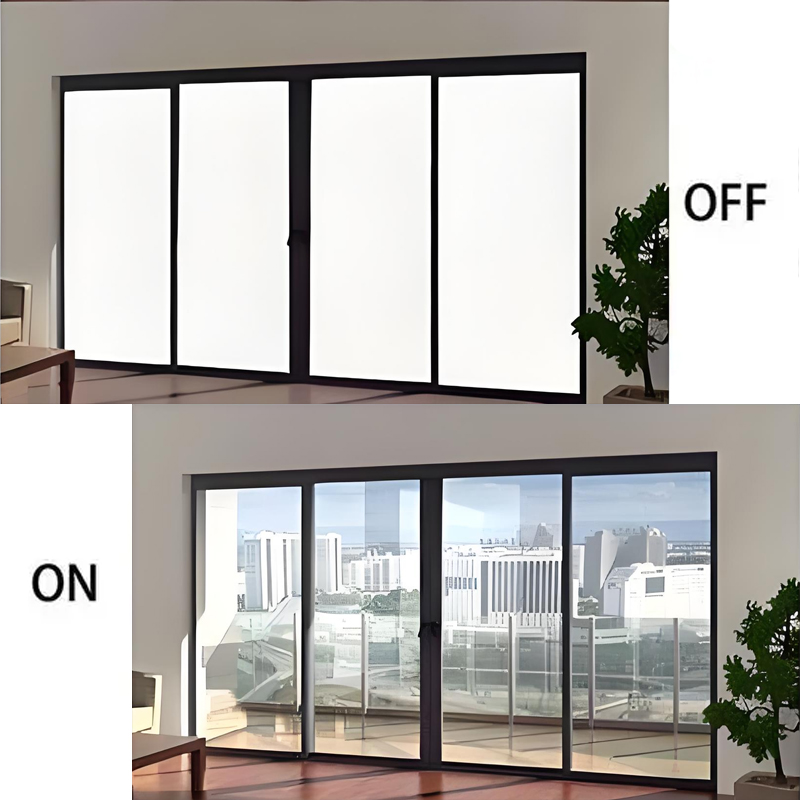
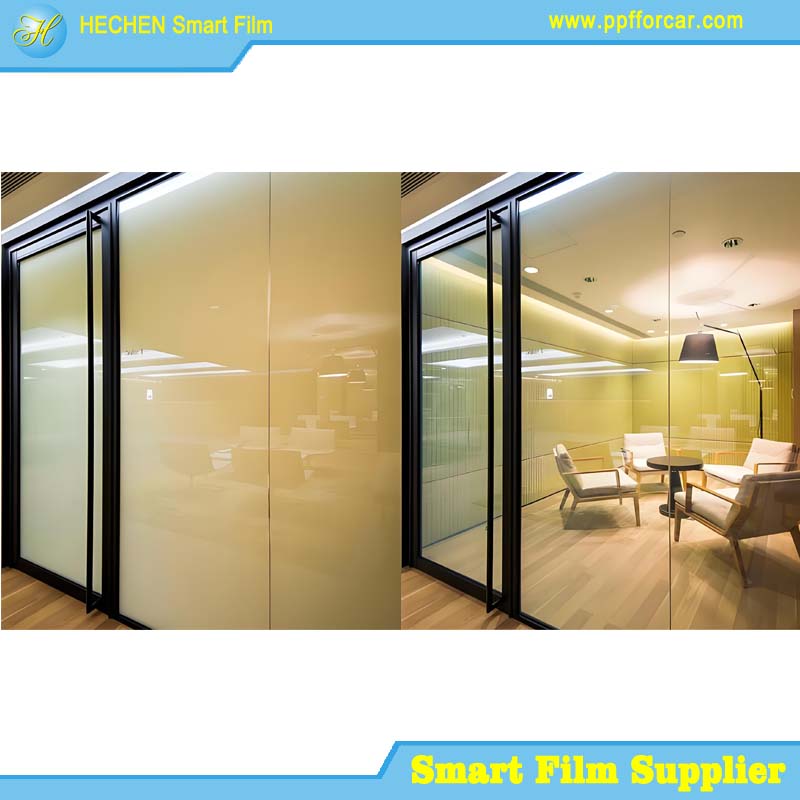
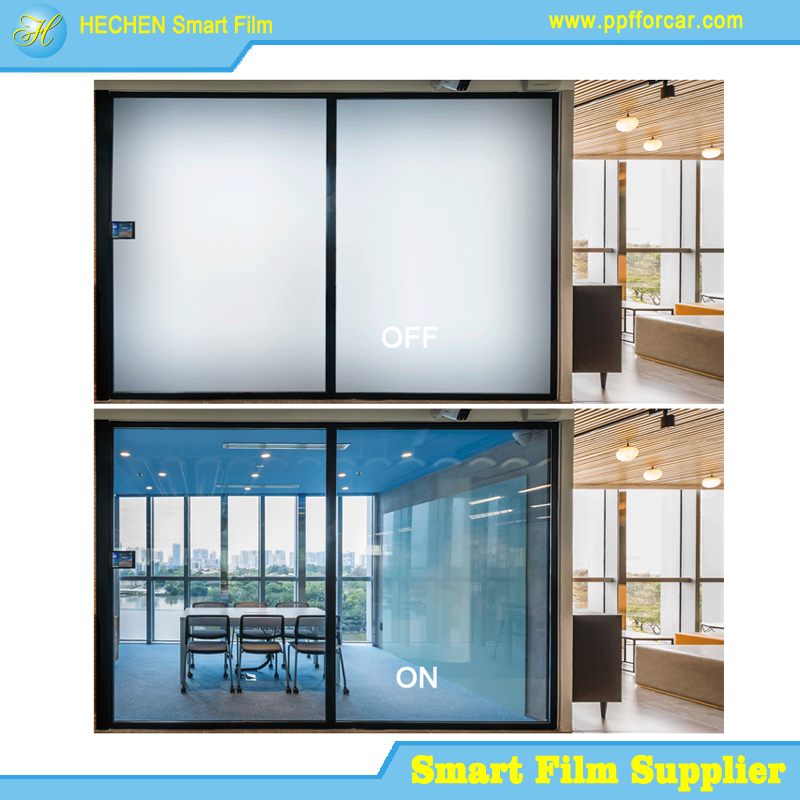
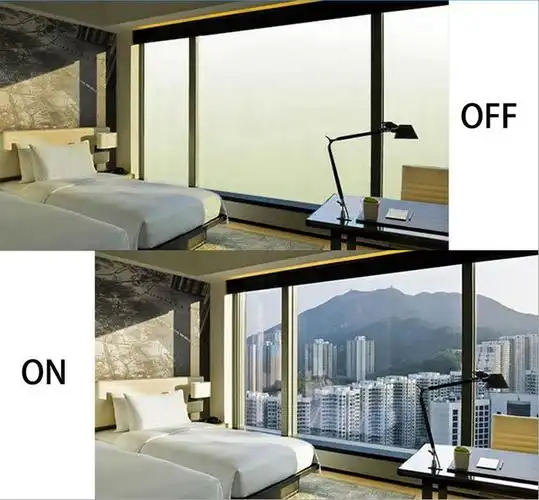
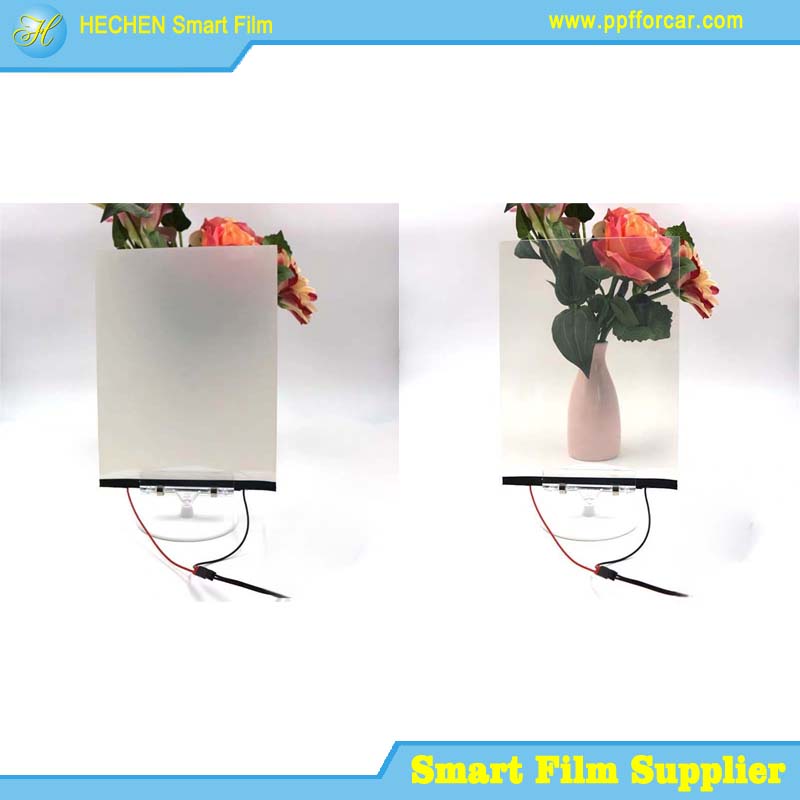
In the rapidly evolving world of smart glass technology, dimming films have emerged as a revolutionary solution for privacy, energy efficiency, and dynamic space management. These thin, flexible sheets can transform ordinary glass into switchable partitions that alternate between transparent and opaque states with the flip of a switch. While much attention is given to the liquid crystal or suspended particle technologies that enable the dimming effect, the adhesive layer that bonds these films to glass surfaces plays an equally critical role in their functionality, durability, and user experience. This comprehensive examination explores the materials science behind dimming film adhesives, their performance characteristics, and the evolving technology that enables both secure bonding and, increasingly, repositionable application.
The Chemistry of Bonding: Adhesive Materials in Dimming Films
Acrylic-Based Adhesives: The Industry Standard
The majority of commercially available dimming films utilize pressure-sensitive acrylic adhesives (PSAs) for their bonding layer. These are not simple glues but sophisticated polymer systems engineered for specific performance characteristics.
Chemical Composition and Structure
Modern acrylic PSAs are typically copolymer systems containing three primary monomers:
"Soft" monomers (like 2-ethylhexyl acrylate or butyl acrylate) providing tack and adhesion
"Hard" monomers (such as methyl methacrylate or vinyl acetate) contributing cohesion and strength
Functional monomers (including acrylic acid, hydroxyethyl acrylate) enabling crosslinking and adhesion to various surfaces
This combination creates viscoelastic materials that behave like solids under quick stress but flow like liquids over time, allowing them to conform to microscopic surface irregularities on glass.
Advantages for Dimming Applications
Optical Clarity: Acrylic adhesives can be formulated with refractive indices matching both glass and the dimming film's conductive layers, minimizing light scattering and maintaining high transparency in the clear state.
Environmental Stability: They resist yellowing from UV exposure—critical for window applications—and maintain performance across temperatures from -20°C to 80°C.
Moisture Resistance: Crosslinked acrylic systems provide excellent resistance to humidity, preventing adhesive breakdown or bubbling in high-moisture environments.
Chemical Inertness: They don't interfere with the PDLC (Polymer Dispersed Liquid Crystal) or SPD (Suspended Particle Device) systems within the dimming film.
Silicone Adhesives: The Specialized Alternative
While less common due to higher cost, silicone-based adhesives serve specific niche applications within the dimming film market.
Unique Properties and Applications
Silicone adhesives offer exceptional performance in extreme environments:
Temperature resistance spanning -60°C to 250°C
Superior flexibility and movement accommodation
Excellent resistance to UV degradation without yellowing
Maintain adhesion on low-surface-energy substrates
These characteristics make silicone adhesives preferable for specialized applications like automotive sunroofs, aircraft windows, or installations in climates with extreme temperature fluctuations.
Limitations and Considerations
The drawbacks of silicone adhesives include:
Higher cost (typically 3-5 times that of acrylic systems)
Generally lower initial tack, requiring longer setting times
Potential for silicone migration that might interfere with electronic components
Challenging removal and cleanup compared to acrylic systems
Emerging and Hybrid Adhesive Systems
The evolving smart glass market has spurred development of specialized adhesive technologies:
UV-Curable Acrylics: These systems remain minimally tacky during application but achieve full bond strength after UV exposure, allowing for precise positioning before permanent bonding.
Thermally Conductive Adhesives: Incorporating ceramic or metallic particles, these address heat dissipation challenges in large-area dimming installations, particularly important for reducing hotspots in SPD films.
Reversible Crosslinking Systems: Experimental adhesives with dynamic covalent bonds that can be broken and reformed under specific conditions, enabling strong bonds that can be deliberately debonded with heat or chemical triggers.
The Science of Adhesion: How Dimming Films Bond to Glass
Surface Energy and Wetting Theory
Successful adhesion begins with the adhesive's ability to wet the glass surface completely. Glass typically has a high surface energy (around 250-500 mN/m), while adhesives have much lower surface tensions (30-40 mN/m for acrylics). This favorable energy differential allows the adhesive to spread spontaneously across the glass, maximizing contact area.
The work of adhesion (Wa) can be calculated using the Young-Dupre equation:
Wa = γₐ(1 + cosθ)
Where γₐ is the adhesive's surface tension and θ is the contact angle. For optimal bonding, should approach 0°, indicating complete wetting.
Mechanical Interlocking and Specific Adhesion
Even highly polished glass has microscopic roughness (typically 0.5-5 nm RMS). Adhesives flow into these nanoscale irregularities, creating mechanical interlocking that supplements chemical bonding. On a molecular level, specific interactions occur:
Hydrogen bonding between adhesive functional groups and silanol (Si-OH) groups on glass
Van der Waals forces across the entire interface
For some formulations, covalent bonding with silane coupling agents that bridge organic adhesive and inorganic glass
The Role of Surface Preparation
Commercial dimming film installation involves meticulous surface preparation:
Cleaning: Removal of oils, silicones, and other contaminants using isopropyl alcohol or specialized glass cleaners
Priming: Some high-performance applications use silane-based primers that create a molecular bridge between glass and adhesive
Static Elimination: Critical for dust-free application, as particles create permanent defects in the adhesive bond
Performance Metrics: Evaluating Adhesive Strength and Durability
Quantitative Adhesion Testing Methods
The bond strength of dimming film adhesives is rigorously tested using standardized methods:
Peel Adhesion Tests (ASTM D3330)
Measures the force required to peel the adhesive from glass at a controlled angle (typically 90° or 180°) and speed. High-quality dimming film adhesives typically achieve 40-60 N/25mm peel strength on glass after 24-hour dwell time.
Shear Strength Tests (ASTM D3654)
Evaluates the adhesive's resistance to sliding forces. For window applications, shear strength is particularly important as it resists gravitational creep in vertical installations.
Tack Measurements (ASTM D6195)
Assesses initial adhesion—the "stickiness" upon immediate contact. This must be balanced: sufficient for initial positioning but not so high as to prevent repositioning during installation.
Environmental Durability Testing
Dimming film adhesives undergo accelerated aging tests simulating years of service:
Thermal Cycling: Typically 50-100 cycles between -20°C and 80°C
Humidity Exposure: 85% relative humidity at 85°C for 500-1000 hours
QUV Testing: UV exposure simulating sunlight degradation over 5-10 years
Chemical Resistance: Exposure to window cleaning chemicals, alkalis from concrete dust, etc.
Premium acrylic adhesives for dimming films maintain ≥80% of initial adhesion strength after 10-year equivalent accelerated aging tests.
The Repositionability Paradigm: Balancing Initial Adjustment and Permanent Bonding
The Technical Challenge of Reversible Adhesion
Creating an adhesive that allows repositioning yet forms a permanent bond represents one of the most significant challenges in dimming film technology. The competing requirements include:
Low initial shear strength allowing sliding adjustment
High ultimate peel strength for long-term performance
No residue upon removal during the adjustment period
No loss of ultimate bond strength after repositioning
Microsphere Technology: Enabling Repositionability
Many "repositionable" dimming films employ adhesive systems incorporating glass or polymer microspheres (typically 20-100 μm diameter) that:
Create microscopic standoffs, reducing initial contact area and thus initial adhesion
Gradually compress over time (hours to days) under pressure, increasing contact area
Allow the adhesive to fully wet the surface only after compression is complete
This delayed bonding mechanism provides a repositioning window—typically 15-60 minutes—after which bond strength increases to permanent levels over 24-72 hours.
Surface Patterned Adhesives
Advanced manufacturing techniques enable adhesives with precisely engineered surface patterns:
Dot matrix patterns with 40-70% coverage area
Channeled patterns allowing air egress during application
Gradient designs with varying tack across the film surface
These patterns reduce initial contact area while maintaining sufficient points of contact for temporary holding during alignment.
Chemical Approaches to Repositionability
Some next-generation systems utilize:
Differential crosslinking: With UV or moisture-initiated curing after application
Phase-change materials: That transition from solid to viscoelastic states with mild heating during application
Two-layer systems: A low-tack positioning layer covered by a high-strength permanent adhesive
Installation Realities: Practical Considerations for Dimming Film Application
The Critical First Hours: Setting and Curing Mechanisms
Unlike simple stickers, dimming film adhesives undergo complex setting processes:
Instantaneous tack provides initial grab (approximately 1-5 N/25mm)
Viscoelastic flow over 10-60 minutes allows conformation to surface irregularities
Crosslinking progression continues for 24-72 hours, reaching 90% of ultimate strength
Full cure completes in 7-14 days, achieving maximum chemical resistance
Environmental Factors Affecting Installation Success
Temperature: Optimal application occurs at 18-27°C. Cold glass reduces adhesive flow; hot glass causes overly rapid setting.
Humidity: High humidity can interfere with adhesive wetting; very low humidity increases static attraction of dust.
Surface Cleanliness: A single fingerprint can reduce bond strength by 30-50% in that area.
Application Pressure: Systematic squeegee application (10-15 psi) is essential for eliminating bubbles and ensuring complete contact.
Limitations of Repositioning
Even with repositionable adhesives, practical constraints exist:
Each repositioning cycle introduces new contamination risks
Microscopic adhesive structure can be damaged by improper removal
Edge lifting often becomes more pronounced after multiple repositioning attempts
The repositioning window is finite—once chemical bonds form with the surface, removal becomes difficult
Industry best practices typically recommend a maximum of 2-3 repositioning attempts, with the understanding that each reduces the ultimate bond quality.
Future Directions: Evolving Adhesive Technologies for Next-Generation Dimming Films
Smart Adhesives with Stimuli-Responsive Properties
Research frontiers include adhesives that change properties on command:
Electroadhesive systems whose bond strength varies with applied voltage
Photoreversible adhesives using wavelength-specific light to trigger bonding/debonding
Thermally switchable systems for easy removal during window replacement
Sustainability Initiatives
The drive toward circular economy principles is influencing adhesive development:
Bio-based acrylics derived from plant sources rather than petroleum
Reversible adhesive systems enabling clean separation for component recycling
Degradable adhesives that lose strength with specific chemical treatments for end-of-life recovery
Integration with Functional Layers
Future dimming films may incorporate adhesives with additional functions:
Thermochromic properties for additional energy management
Self-healing capabilities to repair minor scratches or bubbles
Conductive formulations that supplement transparent electrode layers
Conclusion
The adhesive layer in dimming films represents a remarkable convergence of materials science, surface chemistry, and practical engineering. While acrylic-based systems currently dominate due to their optimal balance of optical clarity, environmental resistance, and cost-effectiveness, silicone and emerging hybrid systems address specialized requirements. The ability to support limited repositioning has become increasingly important, enabled through microsphere technology, patterned adhesives, and carefully engineered curing kinetics.
As smart glass technology evolves toward more dynamic, integrated building systems, adhesive development will play a crucial role in enabling new functionalities, improving sustainability, and simplifying installation. The seemingly simple question of "what makes the film stick" reveals a world of sophisticated science that is fundamental to realizing the promise of switchable transparency technologies. Whether for privacy partitions, energy-saving windows, or dynamic display surfaces, the adhesive layer remains the critical interface between innovative optical systems and the glass surfaces that bring them into our built environment.
For specifiers, installers, and end-users, understanding adhesive properties and limitations is essential for successful dimming film implementation. As with many advanced materials, the most effective solutions often go unnoticed when performing perfectly—the mark of truly engineered adhesive systems that provide reliable, durable bonds while accommodating the practical realities of installation in real-world environments.
For more about the PDLC Smart Film Manufacturers: Innovators of Switchable Glass Technology, you can pay a visit to Hechen PDLC Smart Film Manufacturers for more info.