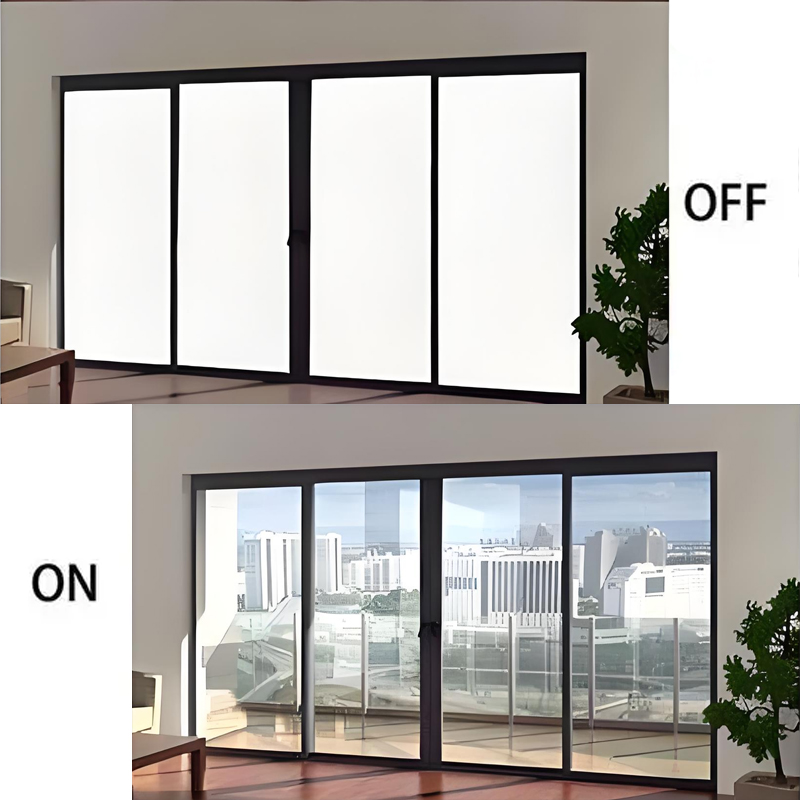
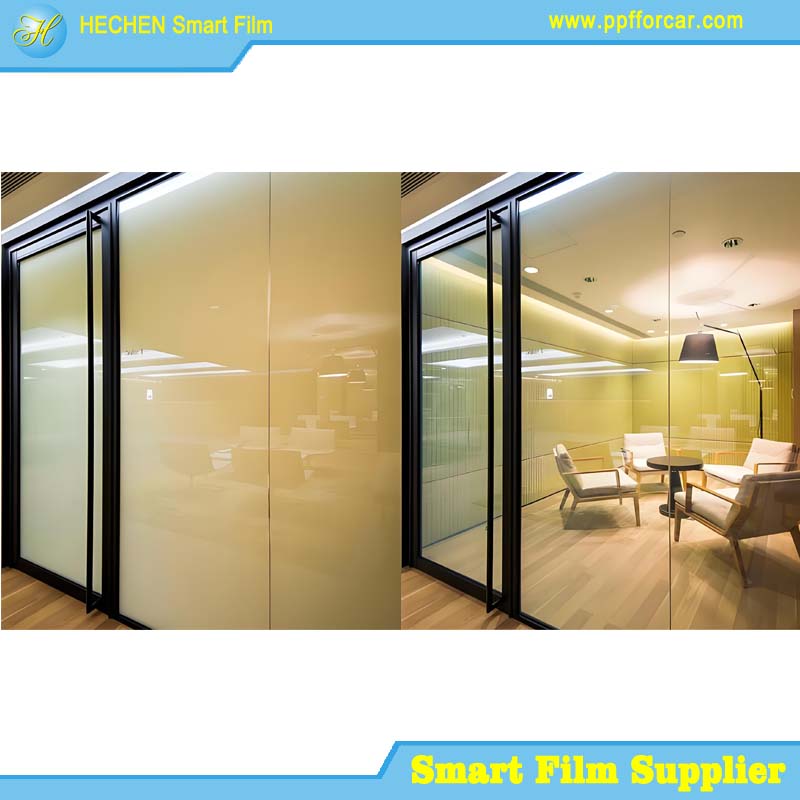
Window Film
Window film is a thin, transparent layer of material that can be applied to windows to provide a variety of benefits, including reducing heat and glare, enhancing privacy, and improving security. As a cost-effective alternative to replacing windows, it is widely used in both residential and commercial settings. This article delves into the different types of window film, their benefits, the installation process, associated costs, environmental advantages, potential drawbacks, and tips for choosing the right film for your needs. By the end, you’ll have a thorough understanding of how window film can enhance your living or working space.

Types of Window Film
Window film comes in several varieties, each tailored to address specific needs:
1. Solar Control Film
This type is designed to reduce heat and glare from sunlight, making it an excellent choice for homes and offices in warm climates. It helps maintain a comfortable indoor temperature and reduces reliance on air conditioning.
2. Safety and Security Film
Engineered to hold glass together if it shatters, this film minimizes the risk of injury from flying shards and enhances security by making windows harder to break through. It’s commonly used in areas prone to storms or vandalism.
3. Decorative Film
Offering aesthetic appeal, decorative films come in frosted, patterned, or colored designs. They enhance privacy while adding a stylish touch to windows in homes, offices, or commercial spaces.
4. Anti-Graffiti Film
This protective layer shields windows from scratches, etching, and other forms of vandalism. If damaged, it can be easily removed and replaced, saving the cost of replacing the glass itself.
Additionally, window films can be customized with features like tinting or reflective coatings to meet specific requirements, offering flexibility for various applications.
Benefits of Window Film
Window film provides numerous advantages that improve comfort, efficiency, and safety:
1. Energy Savings
By blocking heat gain in summer and reducing heat loss in winter, window film can significantly lower energy bills. It acts as an insulating layer, easing the burden on heating and cooling systems.
2. UV Protection
Window film can block up to 99% of harmful ultraviolet (UV) rays, protecting furniture, carpets, and artwork from fading while reducing the risk of skin damage for occupants.
3. Glare Reduction
Excessive sunlight can create uncomfortable glare on screens or surfaces. Window film mitigates this, improving visibility and comfort for work or relaxation.
4. Privacy
Certain films obscure the view from outside without sacrificing natural light, making them ideal for homes or offices where privacy is a priority.
5. Security
Safety films reinforce windows, deterring break-ins by making glass more resistant to shattering. This added layer of protection can provide peace of mind.
Data from the International Window Film Association highlights that window film can reduce heat gain by up to 80% and glare by up to 90%, while the U.S. Department of Energy suggests potential energy savings of up to 10% annually.
Installation Process
Window film installation can be a professional job or a DIY project, depending on your preference and skill level.
Here’s a step-by-step overview:
1. Preparation
Clean the window thoroughly to remove dirt, dust, or debris. A spotless surface ensures proper adhesion.
2. Measuring and Cutting
Measure the window and cut the film slightly larger than needed, allowing for adjustments during application.
3. Applying the Solution
Spray a mounting solution (often a mix of water and soap) onto the window. This helps position the film and prevents it from sticking prematurely.
4. Film Application
Peel the protective backing off the film and apply it to the wet window, starting at the top and working downward. Smooth it out with a squeegee to eliminate air bubbles and wrinkles.
5. Trimming and Finishing
Trim excess film with a sharp blade and squeegee out remaining solution. Allow the film to dry and cure, following the manufacturer’s recommended time frame.
For best results, follow instructions precisely. Professional installation may be preferable for large or complex projects to ensure a flawless finish.
Cost of Window Film
The cost of window film varies based on type, quality, window size, and installation method. On average, prices range from $5 to $15 per square foot, with professional installation adding $2 to $5 per square foot. While the upfront cost may seem significant, the long-term savings often justify the investment. For instance, a U.S. Department of Energy study estimates annual savings of up to $100 on energy bills, depending on climate and film type. Over time, reduced energy costs and UV protection can offset the initial expense.

Environmental Benefits
Window film contributes to sustainability by enhancing energy efficiency. By minimizing heat gain and loss, it reduces the need for excessive heating or cooling, lowering energy consumption and greenhouse gas emissions. This makes it an eco-friendly option for homeowners and businesses aiming to reduce their carbon footprint. As energy demands decrease, so does reliance on fossil fuels, aligning with broader environmental goals.
Potential Drawbacks
Despite its advantages, window film has some limitations:
1. Limited Lifespan
Depending on quality and exposure, window film may need replacement every 10-15 years, adding to long-term maintenance costs.
2. Installation Challenges
Improper application can lead to peeling, bubbling, or an uneven appearance, requiring repair or replacement.
3. Comparative Effectiveness
While beneficial, window film may not match the energy-saving potential of replacing old windows or adding insulation.
Additionally, it may not suit all window types, such as those with low-emissivity (low-E) coatings or historic glass, where compatibility or preservation concerns arise.
Real-Life Examples
Window film’s versatility shines in real-world applications. A homeowner in Arizona installed solar control film and reduced summer energy bills by 30%, thanks to decreased air conditioning use. In New York City, a retailer applied decorative film to create an eye-catching storefront, boosting foot traffic and sales. These cases underscore how window film can solve practical problems while enhancing aesthetics.
The Future of Window Film
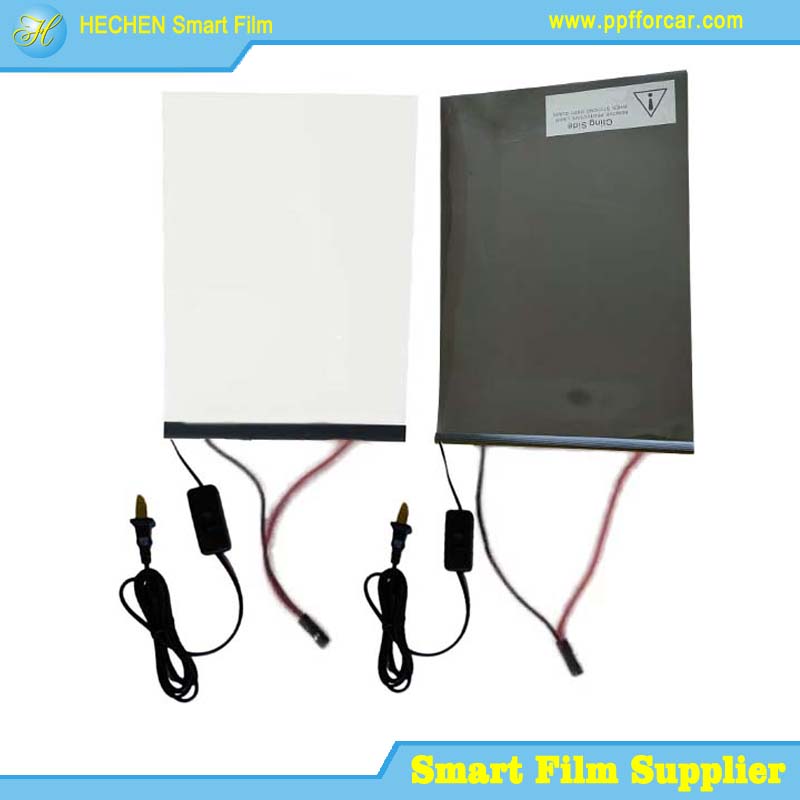
Advancements in technology are expanding window film’s potential. Smart window film, controllable via smartphone apps or integrated with home automation systems, allows users to adjust tint or opacity instantly. This innovation offers unprecedented control over light and heat. Researchers are also developing new materials and coatings to improve durability and performance, promising even greater efficiency in the years ahead.
Choosing the Right Window Film
Selecting the ideal window film involves evaluating your specific needs:
· Climate
In hot regions, prioritize solar control film for heat reduction. In colder areas, opt for films that retain indoor warmth.
· Window Orientation
South-facing windows may need stronger solar protection, while north-facing ones might require less.
· Privacy and Security Goals
For privacy, choose decorative or frosted films. For security, select reinforced safety films.
Consulting with a professional can help tailor your choice to your home or business environment.
Conclusion
Window film is a practical, affordable solution for enhancing energy efficiency, comfort, and security in any building. With options ranging from solar control to decorative varieties, it caters to diverse needs while offering significant long-term benefits. Though it has some drawbacks, such as a finite lifespan or installation challenges, its advantages—energy savings, UV protection, and improved privacy—often outweigh the cons. As technology advances, window film continues to evolve, making it an increasingly valuable tool for modern living. If you’re considering this upgrade, research your options and consult an expert to find the perfect fit for your space.
For more about the PDLC Smart Film Manufacturers: Innovators of Switchable Glass Technology, you can pay a visit to Hechen PDLC Smart Film Manufacturers for more info.